Lunar craters create fluffy regions that stay freezing during the night
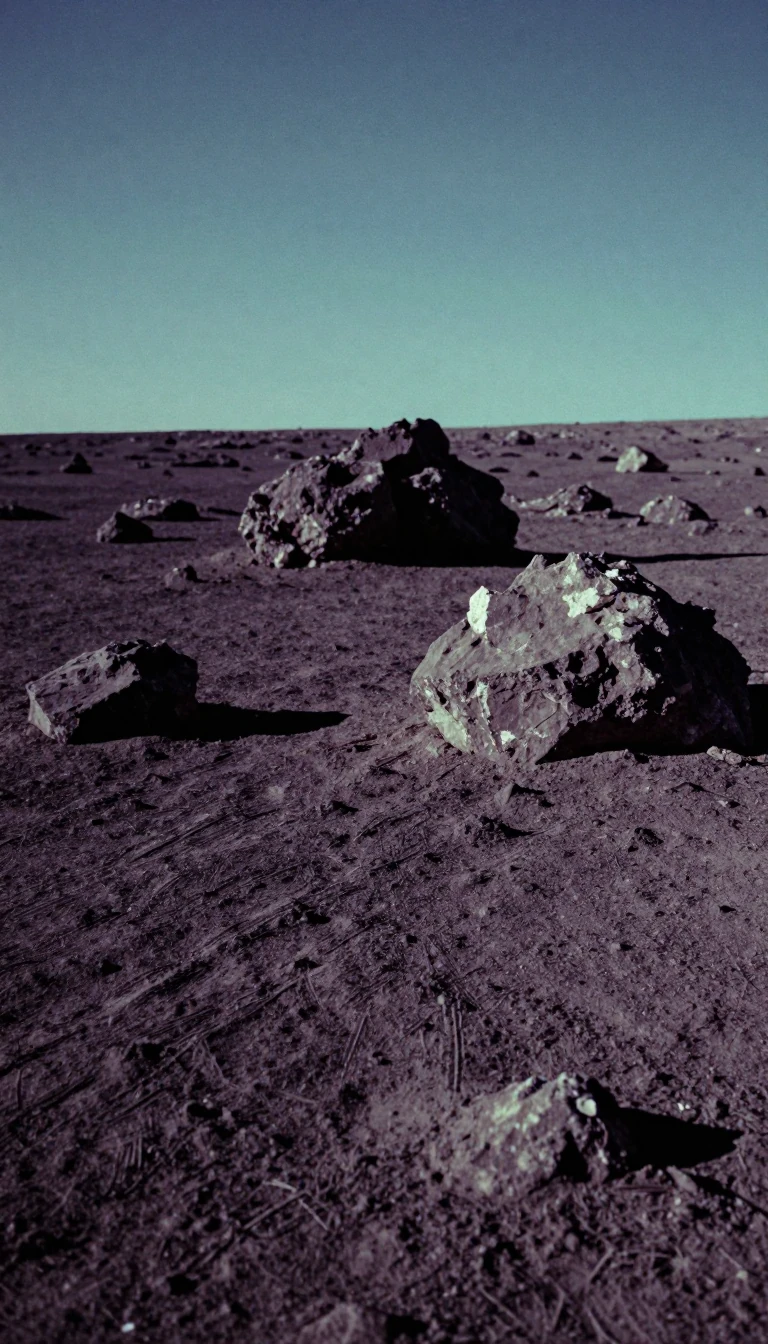
In short: Why do certain lunar craters stay freezing long after the sun goes down? It is not just a shadow but a structural anomaly. These regions, known as cold spots, reveal how hypervelocity impacts physically rearrange the surface to create fluffy, low-density layers that lose heat much faster than the surrounding soil.
On the Moon's airless surface, young impact craters create 'cold spots'—regions where the ground stays significantly colder than the surrounding area at night. These spots are not caused by shadows, but by the physical state of the lunar regolith. When a large meteorite strikes, it displaces and rarefies the surface material, creating a 'fluffy,' less densely packed layer. Because this material has lower thermal inertia, it loses heat much faster after sunset than the more compacted surrounding soil.
The phenomenon was first detected by the Apollo 17 mission in 1972 but remained largely uninvestigated for decades. It wasn't until 2011 that scientist Joshua Bandfield and his team used data from NASA's Lunar Reconnaissance Orbiter to formally identify them as a distinct class of feature. These spots can extend 10 to 100 times the radius of the original crater and are typically 2–10 °C cooler than the rest of the lunar surface. They are invisible in daytime imagery, appearing only in nighttime thermal infrared maps.
A major mystery is how impacts decompactify soil so far from the crater. Since the volume of decompacted material is often more than ten times the volume of the crater itself, scientists have proposed three mechanisms: a laterally propagating granular flow, an expanding vapor cloud that lifts and mixes grains, or seismic waves that dilate the soil. These features are transient; they fade within 0.5 to 1 million years as constant meteorite bombardment and secondary impacts recompact the 'fluffy' layer back into the lunar crust.
Beyond their beauty, cold spots are vital tools for lunar geology. They allow scientists to identify craters formed within the last million years and provide a way to measure the rate at which the Moon's surface is constantly turned over. Furthermore, the ages of the largest cold spots align with the cosmic ray exposure ages of lunar meteorites found on Earth, making these craters prime candidates for the source sites of those meteorites.
Opens the Intellect+ feed with this card first. Swipe up for the next one.
Sources
- Summary by Intellect · source: Cold spot (astronomy)
To cite this card, link to https://intellectplus.co.uk/app/space-cold-spot-astronomy.
How we source, check and correct cards: Editorial standards.
General information, not professional advice. Spotted an error? Flag the card or see corrections and complaints.
Intellect Plus is a visual educational discovery platform for exploring fascinating facts and ideas. Brain Food, Not Brain Rot. What is Intellect Plus?
Related
More in Moon · More in Space · Latest · A–Z · All topics
