The Moon's destruction would trigger chaotic climate swings and ocean upheaval
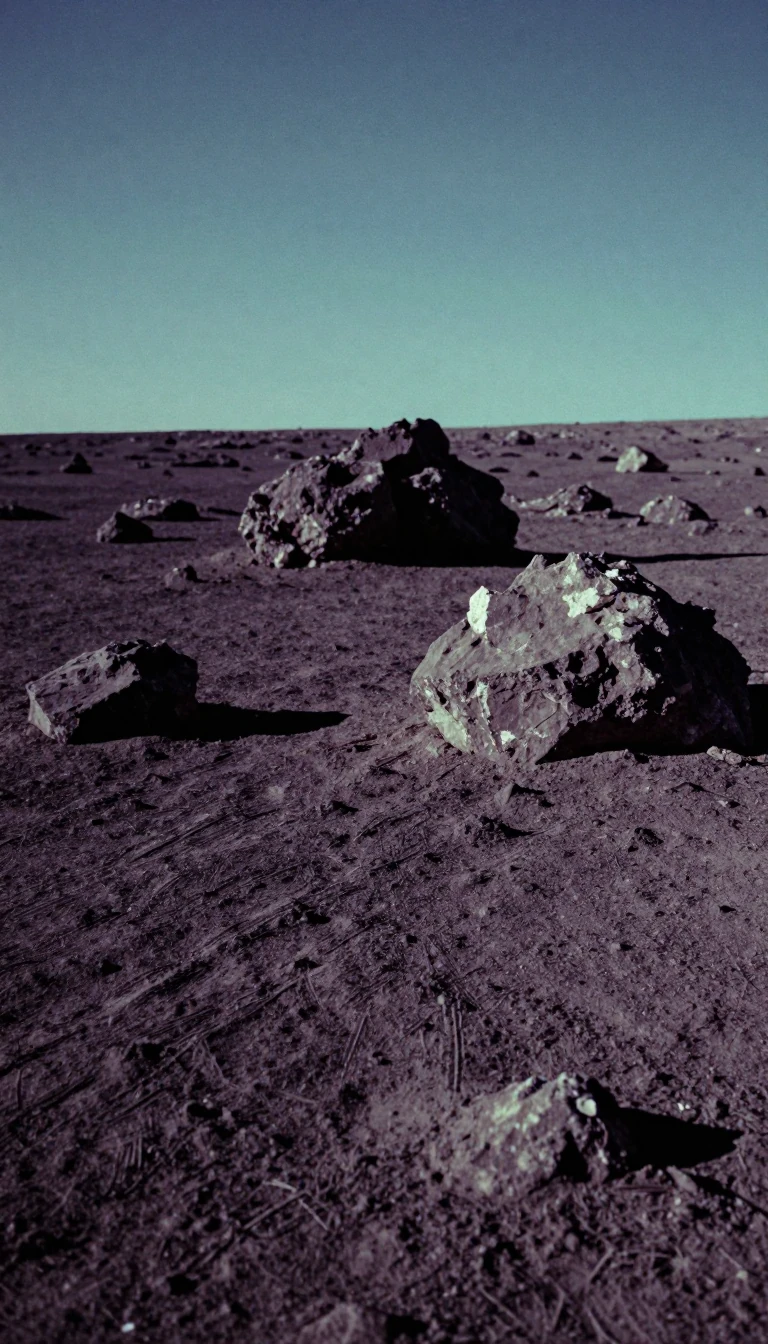
In short: Destroying our lunar neighbor isn't just a cinematic trope; it is a physics problem of staggering proportions. From the energy required to shatter its core to the resulting atmospheric heating, the consequences of a moonless Earth involve radical shifts in global weather, tides, and even the very tilt of our planet.
To completely disintegrate the Moon—ensuring debris doesn't simply reassemble into a satellite—would require an energy output exceeding its gravitational binding energy. This is estimated at 1.2 × 10^29 Joules, which equates to roughly 600 billion 50-megaton nuclear bombs. To put that in perspective, it represents nearly the full energy output of the Sun over a six-minute period. In contrast, the impact that formed the South Pole-Aitken basin, the Moon's largest crater structure, possessed only about 4 × 10^26 Joules, making it roughly 300 times less powerful than what would be needed for total lunar destruction.
The immediate physical consequences of a sudden lunar disappearance are profound. While solar gravity would still generate tides, they would shrink to about one-quarter the size of current spring tides. This reduction could devastate coastal ecosystems and disrupt ocean currents that regulate global weather. Furthermore, the sudden loss of lunar gravity might release water pressure, potentially creating catastrophic waves across the oceans. On a longer timeline, the absence of the Moon threatens Earth's axial stability; while some recent studies suggest relative stability over hundreds of millions of years, older simulations indicate the tilt could oscillate chaotically between 0° and 45° every few thousand years.
The debris from such an event would pose a unique threat. Because these fragments would move slower than typical asteroids, each piece would carry only about 1% of the kinetic energy of a similarly sized asteroid. However, the sheer volume of material could cause massive atmospheric heating, potentially leading to a mass extinction. Nature provides precedents for such destruction: Saturn's rings may have formed from a destroyed moon named Chrysalis, and Neptune's moon Triton is predicted to be destroyed within 28 billion years as it crosses its Roche limit.
Opens the Intellect+ feed with this card first. Swipe up for the next one.
Sources
- Summary by Intellect · source: Destruction of the Moon
To cite this card, link to https://intellectplus.co.uk/app/space-destruction-of-the-moon.
How we source, check and correct cards: Editorial standards.
General information, not professional advice. Spotted an error? Flag the card or see corrections and complaints.
Intellect Plus is a visual educational discovery platform for exploring fascinating facts and ideas. Brain Food, Not Brain Rot. What is Intellect Plus?
Related
More in Moon · More in Space · Latest · A–Z · All topics
