The Moon's South Pole is a landscape of extreme light and eternal, freezing shadow.
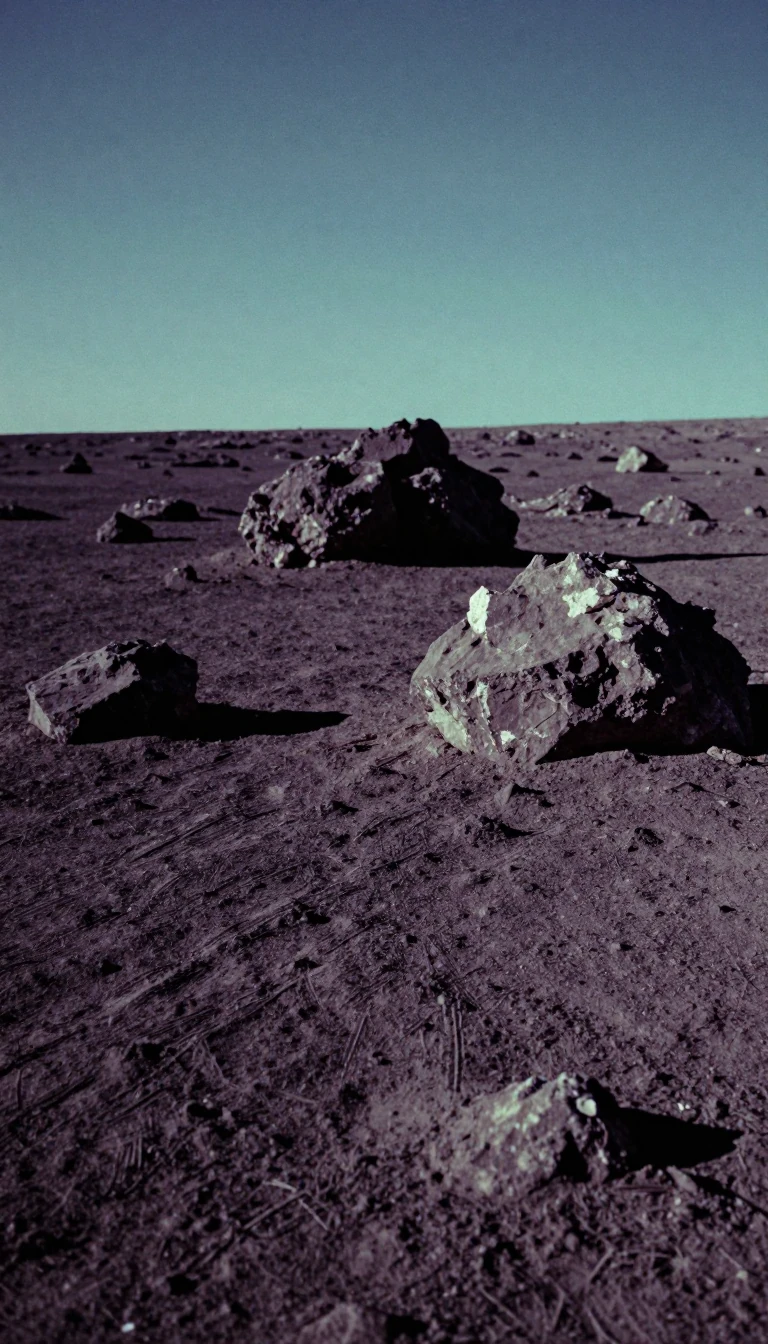
In short: The lunar South Pole is a rugged, cratered frontier where the Sun barely rises above the horizon. This creates a bizarre environment: some peaks enjoy nearly constant sunlight for power, while nearby craters remain in permanent, frigid darkness, potentially hiding frozen water that could sustain future human exploration.
The lunar South Pole is a region defined by its dramatic extremes. Unlike the equatorial zones visited during the Apollo missions, the Sun here remains low on the horizon, casting long, shifting shadows across a heavily cratered, mountainous landscape. This terrain is marked by steep slopes and deep basins, including the massive South Pole-Aitken basin, which present significant challenges for navigation and landing. Because the Moon lacks an atmosphere to redistribute heat, surface temperatures are dictated entirely by exposure to solar energy, leading to a stark contrast between sunlit ridges and shadowed depths.
Permanently shadowed regions are of particular scientific interest. In these dark craters, temperatures can drop to about minus 334°F (minus 203°C), creating cold traps that have remained undisturbed for billions of years. These areas act as time capsules, potentially preserving water ice and other volatiles from the early solar system. By studying these deposits, researchers hope to uncover the history of water transport across the inner solar system and determine if these resources can support an enduring human presence. Missions like the Lunar Reconnaissance Orbiter and LCROSS have already provided evidence of these frozen materials.
Establishing a Moon Base in this environment requires overcoming significant engineering hurdles. Beyond the extreme thermal fluctuations, astronauts and equipment must contend with lunar regolith—a layer of abrasive, fine dust that clings to surfaces and can damage mechanical seals and optical systems. NASA plans to use detailed mapping and robotic exploration to navigate this rugged terrain, identifying safe zones that balance access to solar power with the need to protect sensitive hardware. Ultimately, the South Pole serves as a vital proving ground, providing the experience and technology necessary to prepare humanity for future missions to Mars.
Opens the Intellect+ feed with this card first. Swipe up for the next one.
Sources
- Summary by Intellect · source: The Lunar South Pole Region - NASA
- Also: Lunar south pole
To cite this card, link to https://intellectplus.co.uk/app/space-lunar-south-pole.
How we source, check and correct cards: Editorial standards.
General information, not professional advice. Spotted an error? Flag the card or see corrections and complaints.
Intellect Plus is a visual educational discovery platform for exploring fascinating facts and ideas. Brain Food, Not Brain Rot. What is Intellect Plus?
Related
More in Astronomical objects · More in Space · Latest · A–Z · All topics
