This dying star is a cosmic factory for the building blocks of life
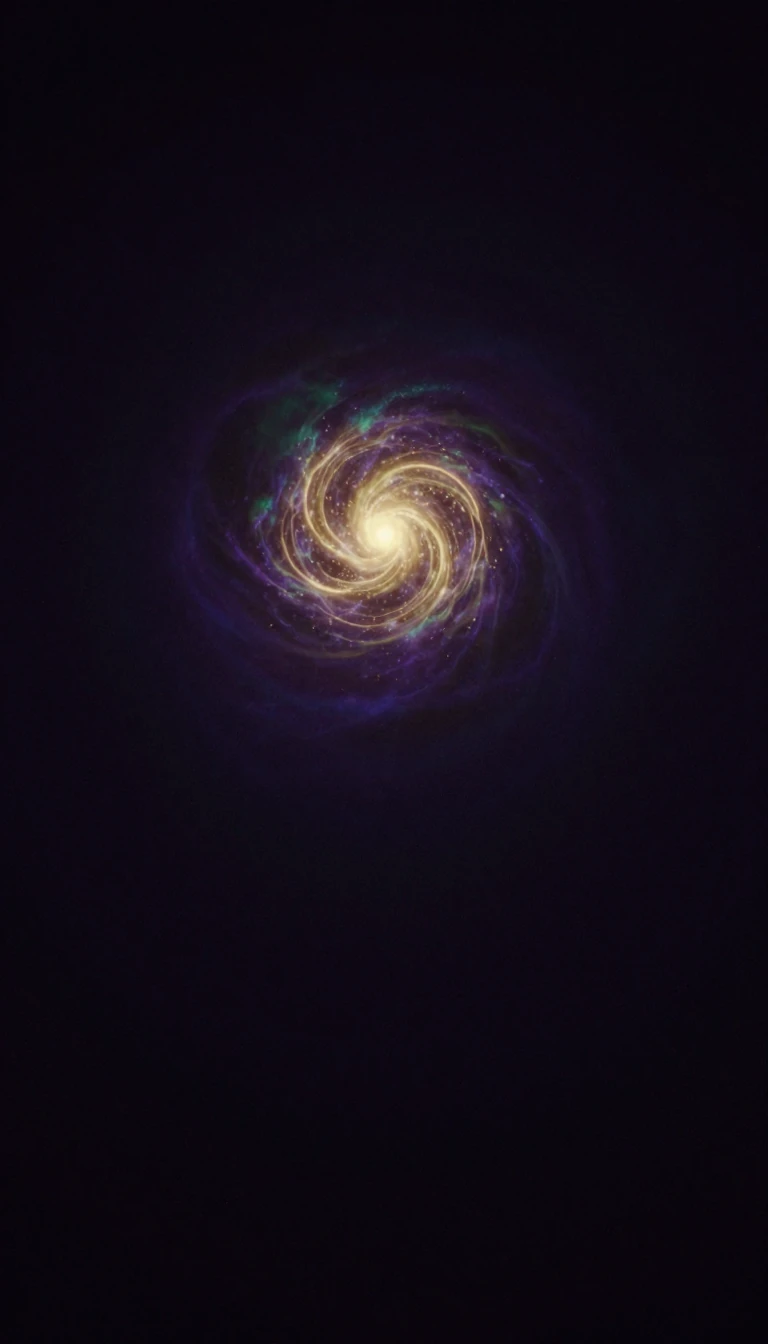
In short: CW Leonis, the closest carbon star to Earth, is currently shedding its outer layers into space. These sooty, carbon-rich clouds are not just cosmic debris; they are the essential raw materials for future stars, planets, and the complex biological molecules that form the foundation of all life on our planet.
Located 400 light-years away, CW Leonis is a dying star in a late stage of its evolution. As it nears the end of its life, it is actively ejecting its atmosphere into the surrounding void, creating a turbulent, dusty envelope of carbon. This carbon is forged deep within the star's interior through nuclear fusion, a process that transforms the star into a massive, celestial refinery. By blasting these elements into space, the star provides the chemical building blocks necessary for the eventual formation of new solar systems.
The star's appearance is defined by complex, orange-red cobwebs of dust that have been observed by the Hubble Space Telescope over the last two decades. These structures, consisting of shells and arcs, are believed to be shaped by the star's magnetic field. Some research suggests this magnetic activity may mirror the solar cycle of our own Sun, leading to periodic, clumpy increases in the amount of mass the star sheds. The envelope itself is estimated to be at least 69,000 years old and contains a significant amount of material.
While CW Leonis is primarily known for its carbon-rich environment, it is also a site of chemical complexity. Astronomers have detected approximately 50 different molecules in its outflows, including water, iron, and silicon. The presence of water was once a subject of debate, with some theories suggesting it originated from melting comets, but it is now understood to be a natural byproduct of carbon star atmospheres. As the star continues to lose mass, it is expected to eventually transition into a white dwarf, leaving behind a legacy of elements that will drift through the galaxy to seed future worlds.
Opens the Intellect+ feed with this card first. Swipe up for the next one.
Sources
- Summary by Intellect · source: CW Leonis - NASA Science
- Also: CW Leonis
To cite this card, link to https://intellectplus.co.uk/app/space-cw-leonis.
How we source, check and correct cards: Editorial standards.
General information, not professional advice. Spotted an error? Flag the card or see corrections and complaints.
Intellect Plus is a visual educational discovery platform for exploring fascinating facts and ideas. Brain Food, Not Brain Rot. What is Intellect Plus?
Related
More in Astronomical objects · More in Space · Latest · A–Z · All topics
