Most galaxies in our cosmic neighborhood are social, but some live in total isolation.
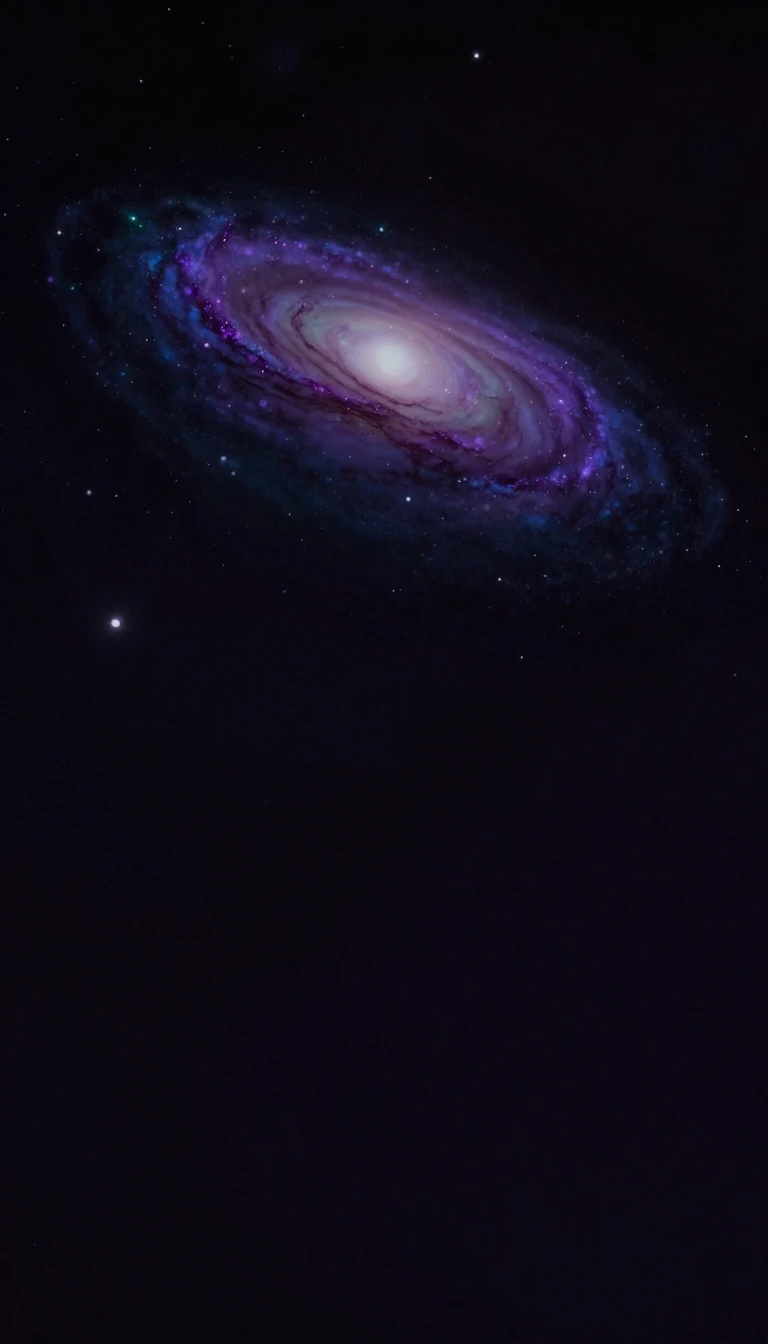
In short: While the vast majority of galaxies congregate in crowded groups or massive clusters, a distinct population exists in solitude. These field galaxies drift through the void, gravitationally detached from larger structures. Understanding these lonely wanderers offers a unique window into how galaxies evolve when they are left entirely to themselves.
A field galaxy is defined by its lack of membership in any larger galaxy group or cluster. Unlike the majority of galaxies, which are bound to neighbors by gravity, these objects exist in a state of relative isolation. Within the immediate vicinity of the Milky Way, specifically within 5 Mpc or 16 Mly, roughly 80% of galaxies are found in social groupings, leaving only a minority to occupy the field.
The characteristics of these isolated systems are distinct from their clustered counterparts. Research indicates that most low-surface-brightness galaxies are classified as field galaxies. When examining the structural morphology of this population, the median Hubble-type is identified as Sb, which is a specific variety of spiral galaxy. This suggests that the environment in which a galaxy forms and matures plays a critical role in determining its final shape and appearance.
The study of field galaxies extends to elliptical types as well, which have been the subject of detailed investigation regarding their ages and assembly histories. Researchers have explored the properties of disturbed field elliptical galaxies, looking at both their global and central characteristics. Furthermore, some studies suggest that these elliptical field galaxies may undergo recent and continuing assembly through processes like red mergers, challenging the notion that isolated galaxies are entirely static or unchanging over cosmic time.
Because they are not subject to the intense gravitational interactions common in dense clusters, field galaxies serve as essential laboratories for astronomers. By observing these objects within the Local Volume—an area extending about 10 Mpc or 33 Mly—scientists can better understand the star formation history and evolutionary paths of galaxies that have developed without the constant influence of nearby massive neighbors.
Opens the Intellect+ feed with this card first. Swipe up for the next one.
Sources
- Summary by Intellect · source: Field galaxy
To cite this card, link to https://intellectplus.co.uk/app/space-field-galaxy.
How we source, check and correct cards: Editorial standards.
General information, not professional advice. Spotted an error? Flag the card or see corrections and complaints.
Intellect Plus is a visual educational discovery platform for exploring fascinating facts and ideas. Brain Food, Not Brain Rot. What is Intellect Plus?
Related
More in Galactic and extragalactic astronomy · More in Space · Latest · A–Z · All topics
