Gamma rays reveal the most violent and energetic events in our vast universe
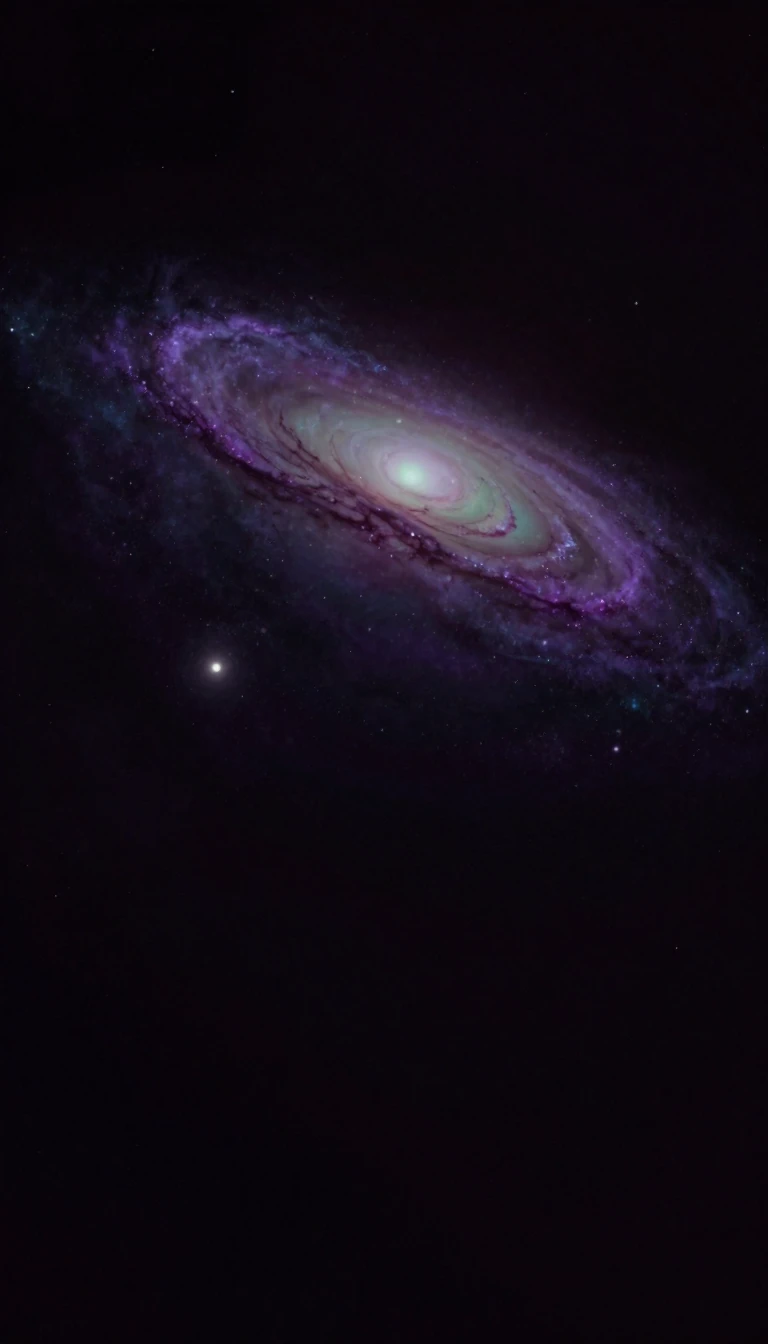
In short: Gamma rays are the most energetic waves in the electromagnetic spectrum, produced by cataclysmic events like supernova explosions and black hole births. Because they pass through standard mirrors, scientists use dense crystal detectors to capture these fleeting cosmic signals, which offer a window into physics beyond our Earth-bound laboratories.
Gamma rays represent the extreme end of the electromagnetic spectrum, characterized by the shortest wavelengths and highest energy levels. Unlike optical light, these rays cannot be reflected by conventional mirrors. Instead, detectors rely on densely packed crystal blocks. As gamma rays traverse these crystals, they undergo Compton scattering, colliding with electrons to create charged particles that sensors can record. This process is essential for studying the most luminous events since the Big Bang, including gamma-ray bursts that can release more energy in ten seconds than our Sun emits over its entire ten-billion-year lifespan.
The field emerged from a surprising origin: 1960s defense satellites designed to monitor clandestine nuclear testing. These instruments serendipitously detected enigmatic bursts of radiation originating from deep space. Subsequent missions, such as the Compton Gamma Ray Observatory launched in 1991 and the Fermi Gamma-ray Space Telescope launched in 2008, transformed our understanding. They mapped thousands of sources, including pulsars, supernova remnants, and the diffuse background radiation along the Milky Way. These observations confirmed that gamma-ray bursts are distributed across the distant reaches of the universe, rather than being localized within our own galaxy.
Beyond mapping the high-energy sky, gamma-ray astronomy serves as a tool for planetary science. Spectrometers on missions like the MESSENGER orbiter measure gamma rays emitted by atomic nuclei on planetary surfaces when struck by cosmic rays. By analyzing these unique energy signatures, researchers can identify the chemical composition of soils and rocks, such as hydrogen, magnesium, and iron on Mercury and Mars. This interdisciplinary approach, combining physics, engineering, and astronomy, continues to push the boundaries of what we know about extreme astrophysical environments and the fundamental nature of matter.
Opens the Intellect+ feed with this card first. Swipe up for the next one.
Sources
- Summary by Intellect · source: Gamma Rays - NASA Science
- Also: Gamma-ray astronomy
- Also: Gamma-ray astronomy | High-Energy Astrophysics, Cosmic Rays & Gamma Rays | Britannica
To cite this card, link to https://intellectplus.co.uk/app/space-gamma-ray-astronomy.
How we source, check and correct cards: Editorial standards.
General information, not professional advice. Spotted an error? Flag the card or see corrections and complaints.
Intellect Plus is a visual educational discovery platform for exploring fascinating facts and ideas. Brain Food, Not Brain Rot. What is Intellect Plus?
Related
More in Observational astronomy · More in Space · Latest · A–Z · All topics
