How astronomers map distant worlds by watching stars flicker in the dark
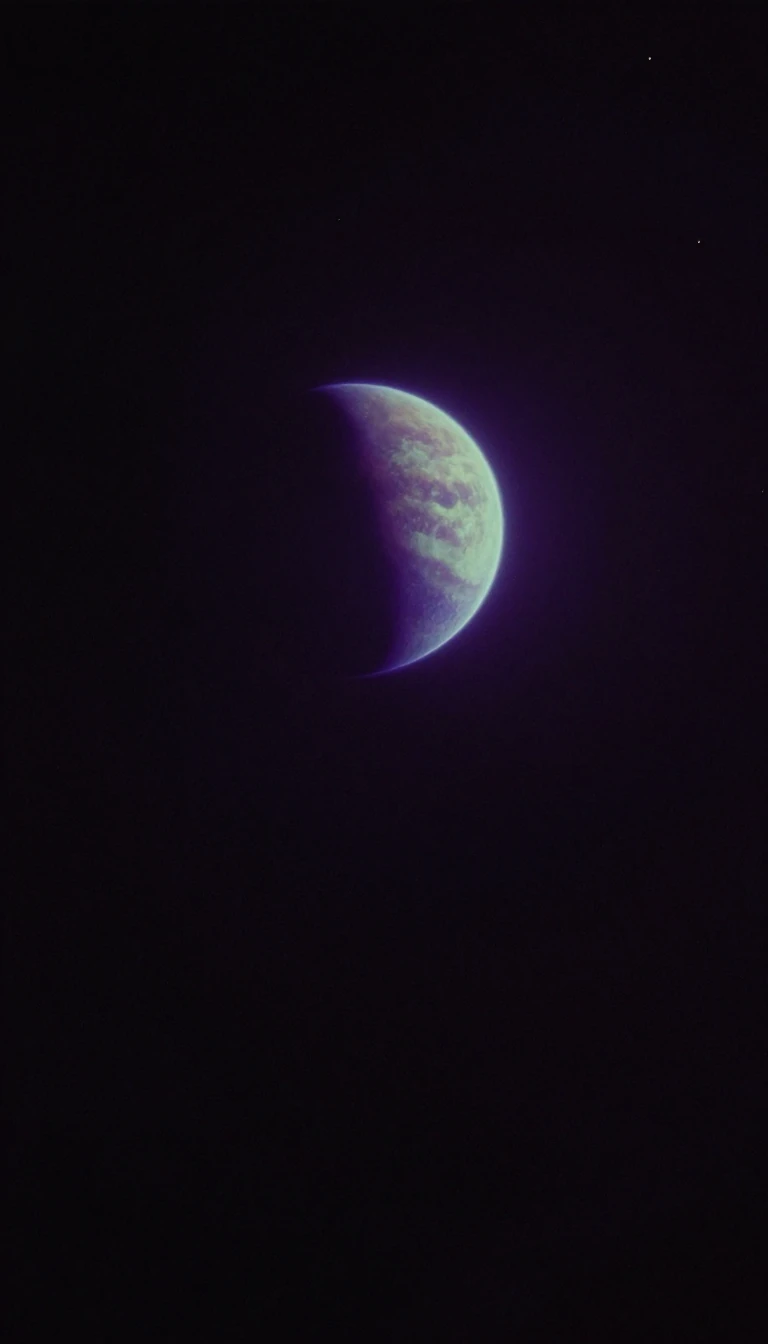
In short: When a star dims or an asteroid rotates, it leaves a signature in the light it emits. By plotting these changes over time, astronomers create light curves—graphs that reveal the hidden physics of the cosmos, from the orbits of invisible exoplanets to the complex shapes of distant, spinning space rocks.
A light curve is a fundamental tool in observational astronomy, mapping the intensity of light from a celestial object against time. While spectral analysis provides one layer of data, the light curve offers a dynamic view of behavior. These graphs can be periodic, as seen in the predictable pulses of Cepheid variables or the rhythmic transits of exoplanets, or aperiodic, capturing the sudden, dramatic flares of a supernova or a microlensing event.
For objects within our own solar system, such as minor planets or comets, light curves are essential because these bodies are often too small to be resolved by even the most powerful telescopes. By measuring brightness fluctuations, astronomers can estimate rotation periods and infer surface characteristics. An asymmetrical asteroid, for instance, produces a light curve with pronounced peaks, whereas a spherical object results in a flatter graph. Advanced mathematical techniques like light curve inversion can even model surface albedos or starspots, effectively imaging features on objects that appear as mere points of light.
The utility of these curves extends to classifying transient phenomena. Supernovae, for example, exhibit distinct light curve shapes that help distinguish between types, such as the Type II-P, which features a characteristic plateau in its decline. Similarly, occultation events—where one body passes in front of another—provide precise data. If the transition is instantaneous, it suggests a clean block, but gradual transitions or step-like patterns can reveal the presence of atmospheres or binary companions. Through databases like the Asteroid Lightcurve Database, researchers assign quality codes to these observations, ensuring that the insights drawn from these flickers of light remain scientifically rigorous.
Opens the Intellect+ feed with this card first. Swipe up for the next one.
Sources
- Summary by Intellect · source: Light curve
To cite this card, link to https://intellectplus.co.uk/app/space-light-curve.
How we source, check and correct cards: Editorial standards.
General information, not professional advice. Spotted an error? Flag the card or see corrections and complaints.
Intellect Plus is a visual educational discovery platform for exploring fascinating facts and ideas. Brain Food, Not Brain Rot. What is Intellect Plus?
Related
More in Observational astronomy · More in Space · Latest · A–Z · All topics
