How do we study the most violent and extreme phenomena in the universe?
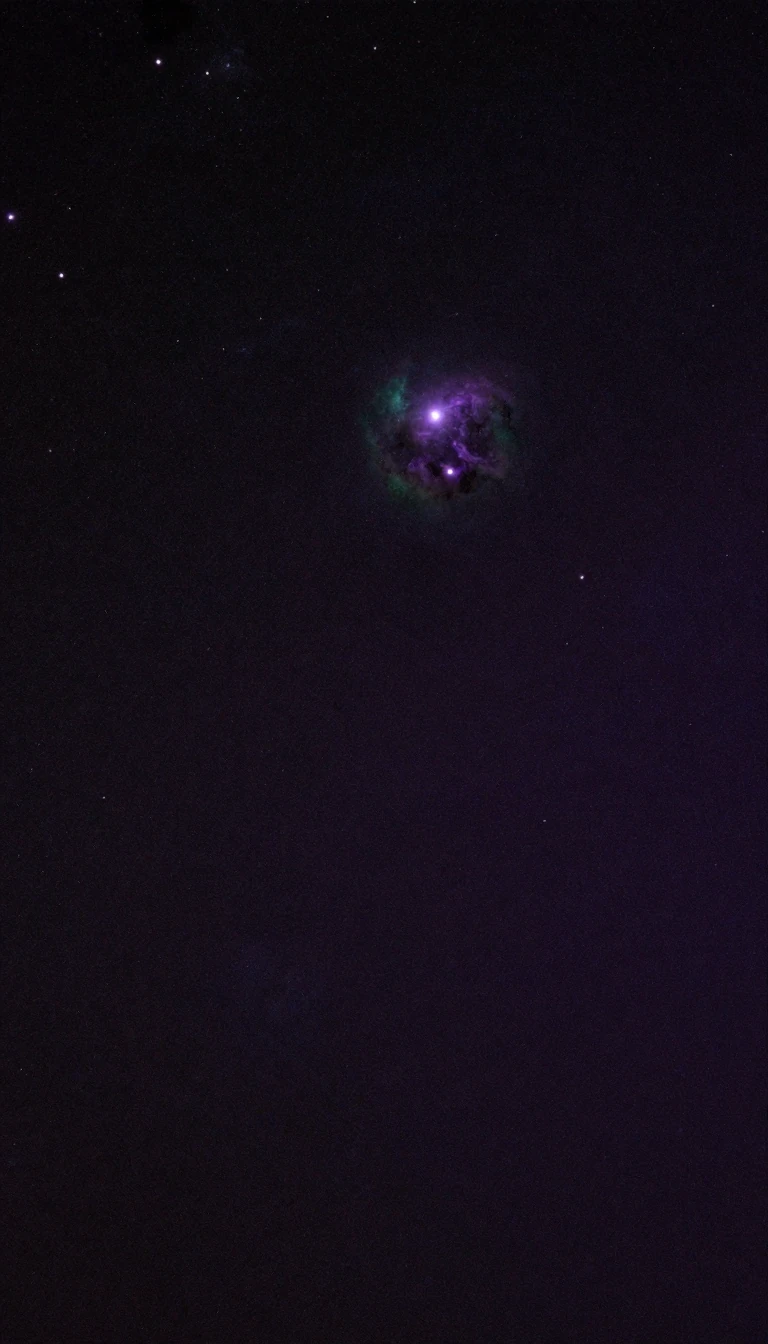
In short: High-energy astrophysics investigates the universe at its most extreme, focusing on black holes, neutron stars, and supernovae. By measuring high-energy radiation like X-rays and gamma rays, researchers uncover the physics of matter under intense gravity and magnetic fields, using advanced computer simulations to decode these violent cosmic events.
High-energy astrophysics examines the processes occurring within the most energetic objects in the cosmos. By monitoring electromagnetic radiation—specifically X-rays, ultraviolet light, and gamma rays—astronomers can observe how matter behaves under conditions of extreme density, temperature, and velocity. These observations are rarely conducted in isolation; they are increasingly paired with sophisticated computer simulations that allow scientists to test theoretical models against the chaotic reality of space.
Recent breakthroughs have revealed surprising universal patterns. For instance, research by Goodwin and Mummery suggests that supermassive black holes and stellar-mass black holes launch jets at identical critical accretion rates, implying a mass-independent mechanism for jet formation. Meanwhile, simulations of neutron star populations indicate that magnetars may account for nearly half of all neutron stars, potentially serving as the power source for some of the most energetic events in the universe. Other studies, such as those using XRISM observations of the galaxy cluster H1821+643, have quantified how quasar-mode feedback injects significant radiative energy into the surrounding intracluster medium.
The field is currently undergoing a period of rapid expansion, driven by a unique confluence of multi-messenger data. Researchers now combine traditional electromagnetic observations from telescopes like Chandra, NuStar, and Fermi with emerging windows into the universe, including neutrino detection and gravitational wave astronomy. By analyzing phenomena like the deflection of radio jets by stellar winds or the identification of distant star-forming galaxies via gravitational lensing, scientists are connecting high-energy events to broader themes of galaxy evolution. This integration of ground-based and space-based data is transforming our understanding of everything from pulsar magnetospheres to the complex plasma dynamics within accretion flows.
Opens the Intellect+ feed with this card first. Swipe up for the next one.
Sources
- Summary by Intellect · source: High-energy astrophysics - Latest research and news | Nature
- Also: High-Energy Astrophysics
- Also: High-energy astrophysics
To cite this card, link to https://intellectplus.co.uk/app/space-high-energy-astrophysics.
How we source, check and correct cards: Editorial standards.
General information, not professional advice. Spotted an error? Flag the card or see corrections and complaints.
Intellect Plus is a visual educational discovery platform for exploring fascinating facts and ideas. Brain Food, Not Brain Rot. What is Intellect Plus?
Related
More in Observational astronomy · More in Space · Latest · A–Z · All topics
