Why the two brightest stars in Gemini are not actually related
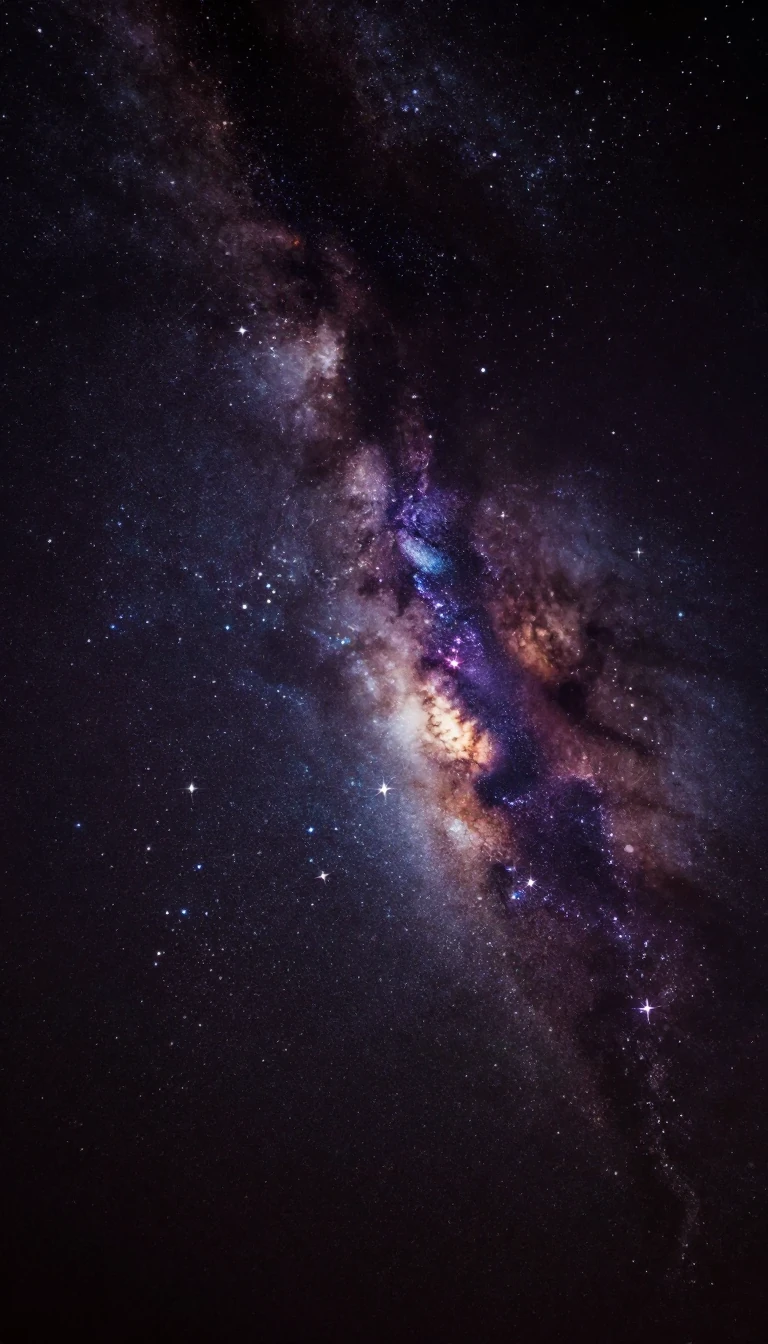
In short: Anchored by the celestial twins Castor and Pollux, the Gemini constellation is a winter staple of the northern sky. While these two stars appear to be a matching pair, they are physically distinct, reside at different distances from Earth, and possess vastly different characteristics despite their shared mythological namesake.
Gemini is one of the original constellations documented by Ptolemy in the second century and remains a prominent feature of the zodiac. Its name, Latin for twins, honors the Greek mythological brothers Castor and Pollux. In the sky, the constellation is easily identified by following a line from Orion’s belt through the star Betelgeuse, which leads observers directly to the two stars representing the heads of the twins.
Despite their appearance as a pair, Castor and Pollux are not gravitationally bound. Pollux, the brighter of the two, is an orange giant located approximately 34 light-years from our solar system and hosts a planet, Pollux b, with more than twice the mass of Jupiter. Castor, situated about 51 light-years away, is a complex system of six stars that appear as one to the naked eye. This lack of physical connection is a common theme in the constellation, which is home to diverse objects ranging from the prolific Geminid meteor shower to the faint Medusa Nebula.
The constellation’s cultural footprint extends far beyond ancient mythology. It has inspired the naming of NASA’s two-person spacecraft program and the twin observatories located in Hawaii and Chile. Beyond the famous heads of the twins, Gemini contains numerous deep-sky targets, such as the open cluster Messier 35, which spans an area roughly the size of the full moon. Whether viewed through high-powered telescopes or identified by star-hopping from Orion, Gemini remains a vital landmark for understanding the celestial sphere.
Opens the Intellect+ feed with this card first. Swipe up for the next one.
Sources
- Summary by Intellect · source: Gemini Constellation: Facts About the Twins
- Also: Find the Twins: Gemini Constellation - NASA Science
- Also: Gemini (constellation)
To cite this card, link to https://intellectplus.co.uk/app/space-gemini-constellation.
How we source, check and correct cards: Editorial standards.
General information, not professional advice. Spotted an error? Flag the card or see corrections and complaints.
Intellect Plus is a visual educational discovery platform for exploring fascinating facts and ideas. Brain Food, Not Brain Rot. What is Intellect Plus?
Related
More in Celestial sphere · More in Space · Latest · A–Z · All topics
