Venus is a volcanic world that lacks plate tectonics but hides a violent past.
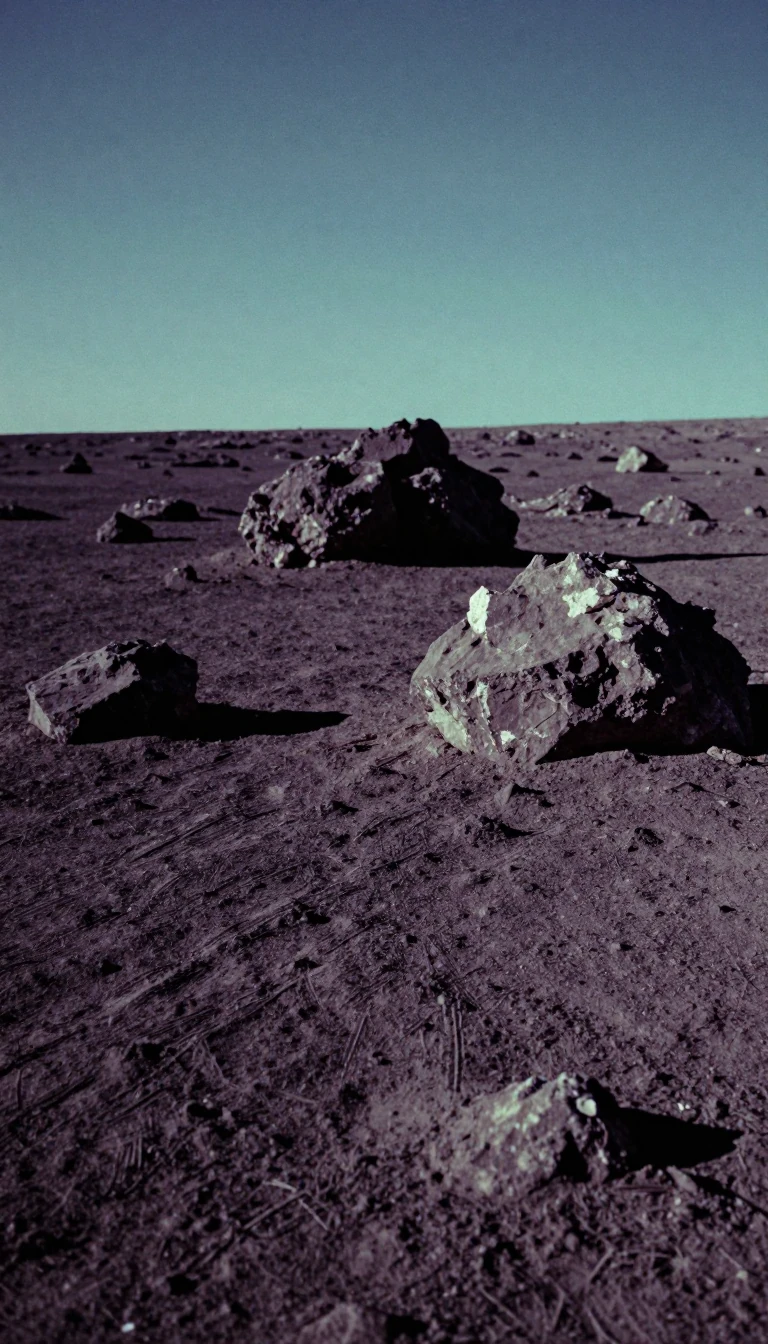
In short: Despite being Earth's twin in size and density, Venus is a geological outlier. It lacks a magnetic field and the shifting tectonic plates that define our home. Instead, its surface is a vast, volcanic mosaic, shaped by mysterious, crown-like structures and a potential history of catastrophic, planet-wide resurfacing events.
Venus is a planet defined by its volcanism. Approximately 80% of its surface consists of volcanic lava plains, punctuated by hundreds of thousands of small volcanoes and over a hundred large shield volcanoes. Unlike Earth, where plate tectonics facilitate heat escape through the movement of crustal plates, Venus appears to operate under a stagnant-lid regime. Without an asthenosphere—a layer of mechanical weakness—to allow for plate motion, the planet's interior heat builds up until it forces its way to the surface, potentially driving periodic, massive volcanic episodes.
The planet's surface is geologically young, a fact evidenced by the relative scarcity of impact craters. While Earth-based radar and the Magellan mission identified nearly 900 craters, their random distribution suggests the entire surface was renewed in a relatively recent, global event roughly 300 to 500 million years ago. Whether this was a single, catastrophic resurfacing or a more continuous process of equilibrium resurfacing remains a subject of intense debate. Recent hybrid models suggest that pulses of intense volcanic activity, separated by periods of dormancy, may explain the observed landscape without requiring a singular, planet-wide disaster.
Venus also hosts unique geological features found nowhere else in the solar system, such as arachnoids—spider-web-like structures—and coronae, which are large, ring-shaped formations 100 to 300 kilometers across. These are believed to form when hot mantle plumes push the crust upward into domes that subsequently collapse. While the surface is currently hostile, with temperatures reaching 470 °C and a crushing atmosphere, research from October 2023 offers a provocative possibility: Venus may have possessed plate tectonics in the distant past. If true, this ancient activity could have created a more temperate, potentially habitable environment long before the planet transformed into the volcanic, dry world we observe today.
Opens the Intellect+ feed with this card first. Swipe up for the next one.
Sources
- Summary by Intellect · source: Geology of Venus
To cite this card, link to https://intellectplus.co.uk/app/space-geology-of-venus.
How we source, check and correct cards: Editorial standards.
General information, not professional advice. Spotted an error? Flag the card or see corrections and complaints.
Intellect Plus is a visual educational discovery platform for exploring fascinating facts and ideas. Brain Food, Not Brain Rot. What is Intellect Plus?
Related
More in Astronomical objects · More in Space · Latest · A–Z · All topics
