The Moon is a differentiated world with a structure like a chocolate-dipped cherry
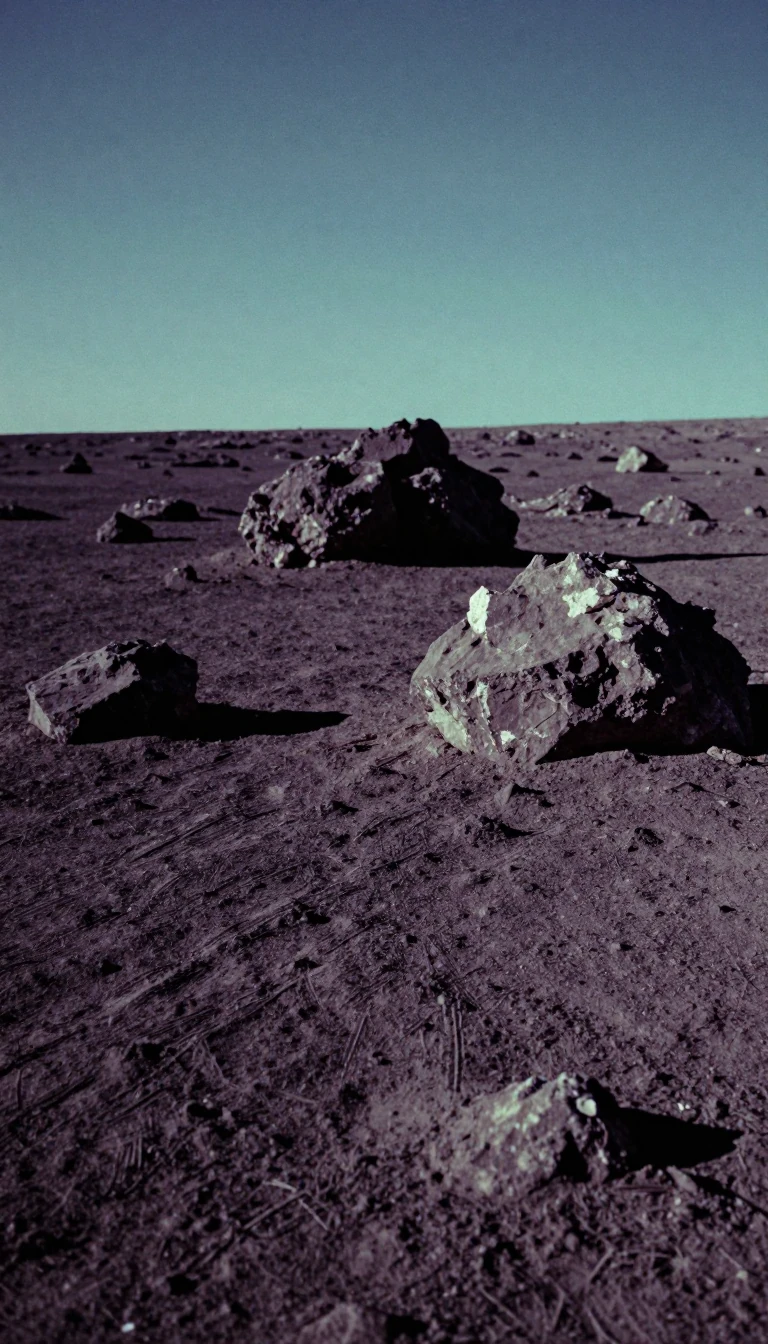
In short: Far from being a static rock, the Moon is a layered body with a complex interior. Like Earth, it features a crust, mantle, and core, but its composition and history remain a scientific puzzle. From molten origins to mysterious crustal asymmetry, the Moon holds secrets waiting to be uncovered.
The Moon is a differentiated world, meaning it is organized into layers of varying composition. Leading theories suggest that billions of years ago, the Moon was a molten sphere. As it cooled and solidified, heavier materials like iron sank to the center, while lighter, lower-density rocks rose to form the surface. This process resulted in a structure often compared to a chocolate-dipped cherry: a solid core, a mostly solid but partly liquid mantle, and a thin outer crust.
The lunar core is notably small, extending only about 20 percent of the way from the center to the surface, whereas cores in other rocky worlds can reach 50 percent of their diameter. It is composed primarily of iron, with smaller amounts of nickel and sulfur. Research indicates the core is divided into two sections: a solid inner core and a molten outer core. The mantle, which makes up the majority of the Moon's volume, is rich in minerals like olivine and pyroxene. The zone closest to the core is partly molten, which is believed to be a source of some moonquakes.
A significant mystery lies in the Moon's crust, which is strikingly asymmetrical. On the side farthest from Earth, the crust is about 37 miles (60 km) thick, while on the near side, it is only 25 miles (40 km) thick. Scientists are still investigating why this disparity exists, as well as why the near side features vast, dark lava-filled basins known as maria. These features, along with the regolith—a layer of loose, fractured rock created by constant cosmic bombardment—provide clues to the Moon’s violent history and its ongoing, albeit quiet, geological evolution.
Our understanding of the lunar interior relies on data from the Apollo missions, which deployed seismometers that functioned until 1977, and modern orbiting observatories like the Lunar Reconnaissance Orbiter and the GRAIL mission. Future missions, including Artemis III, aim to deploy new equipment like the Lunar Environment Monitoring Station to further refine our knowledge of the Moon's internal structure and seismic activity.
Opens the Intellect+ feed with this card first. Swipe up for the next one.
Sources
- Summary by Intellect · source: Moon Composition - NASA Science
- Also: Internal structure of the Moon
To cite this card, link to https://intellectplus.co.uk/app/space-internal-structure-of-the-moon.
How we source, check and correct cards: Editorial standards.
General information, not professional advice. Spotted an error? Flag the card or see corrections and complaints.
Intellect Plus is a visual educational discovery platform for exploring fascinating facts and ideas. Brain Food, Not Brain Rot. What is Intellect Plus?
Related
More in Astronomical objects · More in Space · Latest · A–Z · All topics
