Lightning may crackle through the skies of the distant exoplanet K2-18b
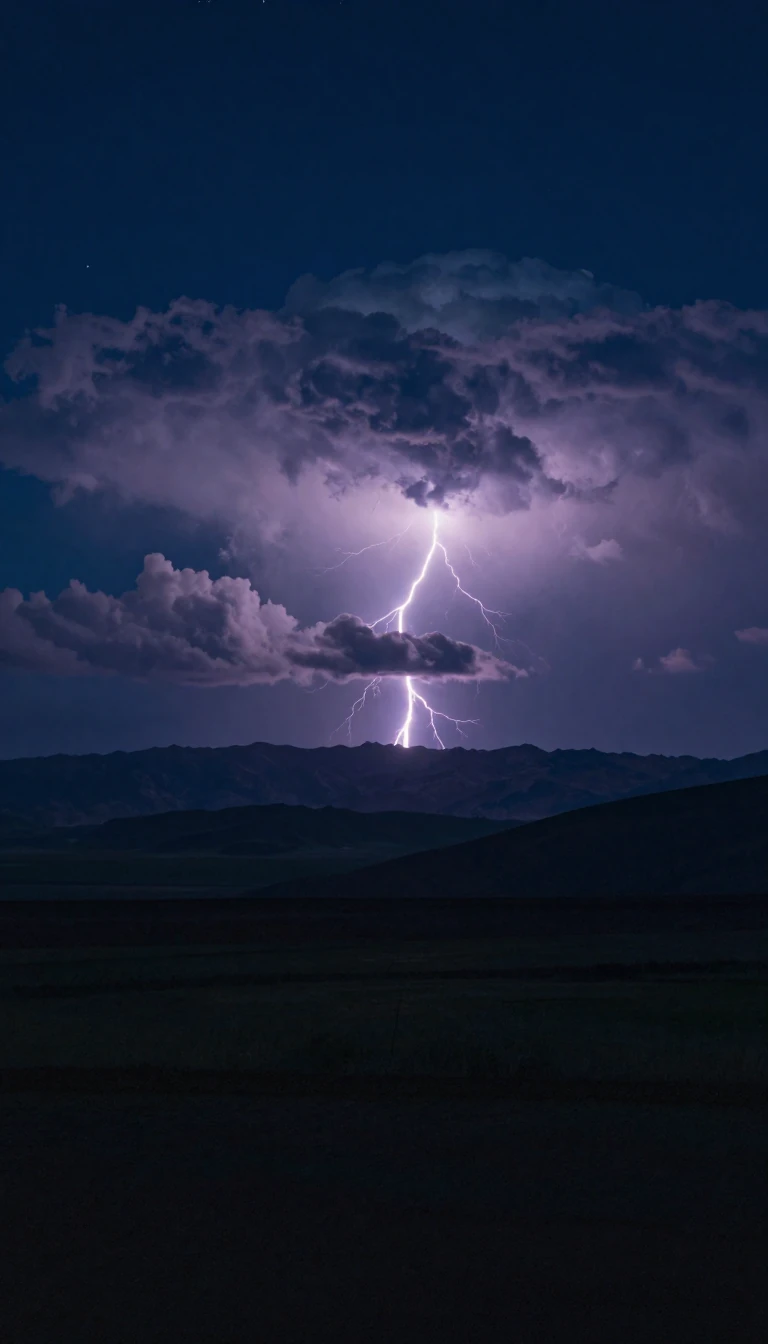
In short: Recent simulations suggest that the atmosphere of K2-18b is surprisingly prone to lightning. By applying plasma physics to data from the James Webb Space Telescope, researchers found that the electrical breakdown field on this sub-Neptune world is roughly half that of Earth, potentially sparking discharges in its hydrogen-rich clouds.
K2-18b, a sub-Neptune exoplanet located 124 light-years away, has long intrigued astronomers as a potential 'hycean' world—a planet that might host a liquid water ocean beneath a thick hydrogen envelope. While its habitability remains a subject of intense debate, new research into its atmospheric dynamics suggests that the planet’s weather may include lightning, a phenomenon that could have significant implications for its atmospheric chemistry and potential biological processes.
To investigate this, researchers used photochemical modelling based on high-precision observations from the James Webb Space Telescope. They simulated the formation of streamers, the precursors to lightning, within the planet's atmosphere. The study revealed that the electrical breakdown field—the threshold required for a medium to transition into a conducting plasma—is approximately half that of Earth. This lower threshold indicates that K2-18b’s atmosphere is inherently more susceptible to electrical discharges than our own.
The mechanism for lightning inception on Earth relies on local electric field enhancements caused by particles like ice crystals and raindrops, which bridge the gap between ambient fields and the breakdown threshold. On K2-18b, the simulations showed that lightning could initiate across all tested atmospheric configurations. Variations in composition, particularly the presence of water vapour, were found to influence the rate of streamer inception. This suggests that lightning could be a common feature on the planet, potentially acting as an energy source for chemical reactions similar to those explored in the classic Miller-Urey experiments on Earth.
While these findings provide a new window into exoplanetary weather, the nature of K2-18b remains complex. Whether it possesses a liquid ocean or a supercritical fluid state is still contested, and the presence of potential biosignatures like dimethyl sulfide remains unconfirmed. Nevertheless, the ability to model electrical activity on such distant worlds marks a significant step forward in our capacity to characterize the environments of planets orbiting M dwarf stars.
Opens the Intellect+ feed with this card first. Swipe up for the next one.
Sources
- Summary by Intellect · source: Lightning initiation on the exoplanet K2-18b - Scientific Reports
- Also: K2-18b
To cite this card, link to https://intellectplus.co.uk/app/space-k2-18b.
How we source, check and correct cards: Editorial standards.
General information, not professional advice. Spotted an error? Flag the card or see corrections and complaints.
Intellect Plus is a visual educational discovery platform for exploring fascinating facts and ideas. Brain Food, Not Brain Rot. What is Intellect Plus?
Related
More in Astronomical objects · More in Space · Latest · A–Z · All topics
