A star system where the smallest known planet was once the record holder
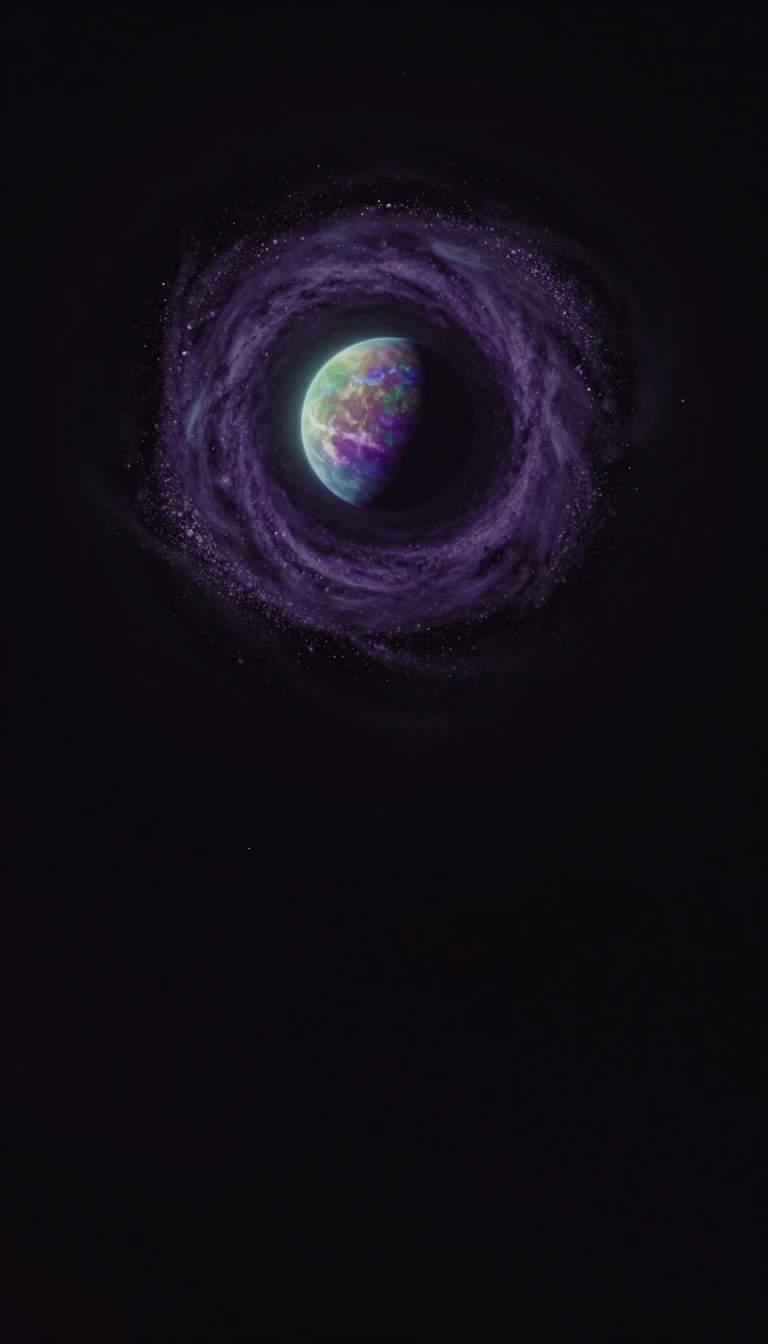
In short: In 2013, astronomers announced Kepler-37b, a rocky world slightly larger than our Moon. At the time it was the smallest known exoplanet, and it orbits its star every 13 days. The system also holds two more planets, and one of them is a puzzle that researchers still argue over.
Kepler-37 is a star in the constellation Lyra, about 209 light-years from Earth. It is a G-type main-sequence star, the same broad class as our Sun. It is a little less massive and a little cooler than the Sun, with about half its metal content, and it is roughly 6 billion years old, making it slightly older than our Sun. Until January 2015 it was the smallest star whose internal vibrations had been measured through asteroseismology.
The planets were found using the transit method, in which a planet passing in front of its star dims the starlight slightly. The Kepler space telescope detected these dips in September 2012, and the discovery was announced in February 2013. Before publication, computer simulations were used to rule out other phenomena that could mimic a planet's transit, and to show that the proposed arrangement of planets would be stable. Thomas Barclay, a Kepler team astrophysicist, said the find was good news because it showed the telescope could detect Earth-sized worlds.
Kepler-37b orbits about 0.1 astronomical units from its star, completing an orbit roughly every 13 days. Its surface is believed to be rocky and too hot and too close to support water or an atmosphere, with a surface temperature estimated at about 700 kelvin. Kepler-37c, about three-quarters of Earth's diameter, and Kepler-37d, about twice Earth's diameter, orbit farther out. Neither can support liquid water because of their closeness to the star.
The fourth candidate, Kepler-37e, is the subject of disagreement. A 2014 report based on transit-timing variations proposed a planet with a 51-day orbit, but later studies failed to detect it, and a 2021 study argued it should lose its confirmed status. A 2023 study found only marginal evidence for it, and the system is currently counted as having three confirmed planets. Mass estimates for Kepler-37d also differ: a 2021 study gave about 5.4 Earth masses, while a 2023 study set an upper limit of 2 Earth masses, suggesting a low-density planet rich in volatiles rather than a rocky one.
Opens the Intellect+ feed with this card first. Swipe up for the next one.
Sources
- Summary by Intellect · source: Kepler-37
- Also: Kepler-37 b - NASA Science
To cite this card, link to https://intellectplus.co.uk/app/space-kepler-37.
How we source, check and correct cards: Editorial standards.
General information, not professional advice. Spotted an error? Flag the card or see corrections and complaints.
Intellect Plus is a visual educational discovery platform for exploring fascinating facts and ideas. Brain Food, Not Brain Rot. What is Intellect Plus?
Related
More in Astronomical objects · More in Space · Latest · A–Z · All topics
