In 1604, a star exploded in our galaxy, forever changing how we view space.
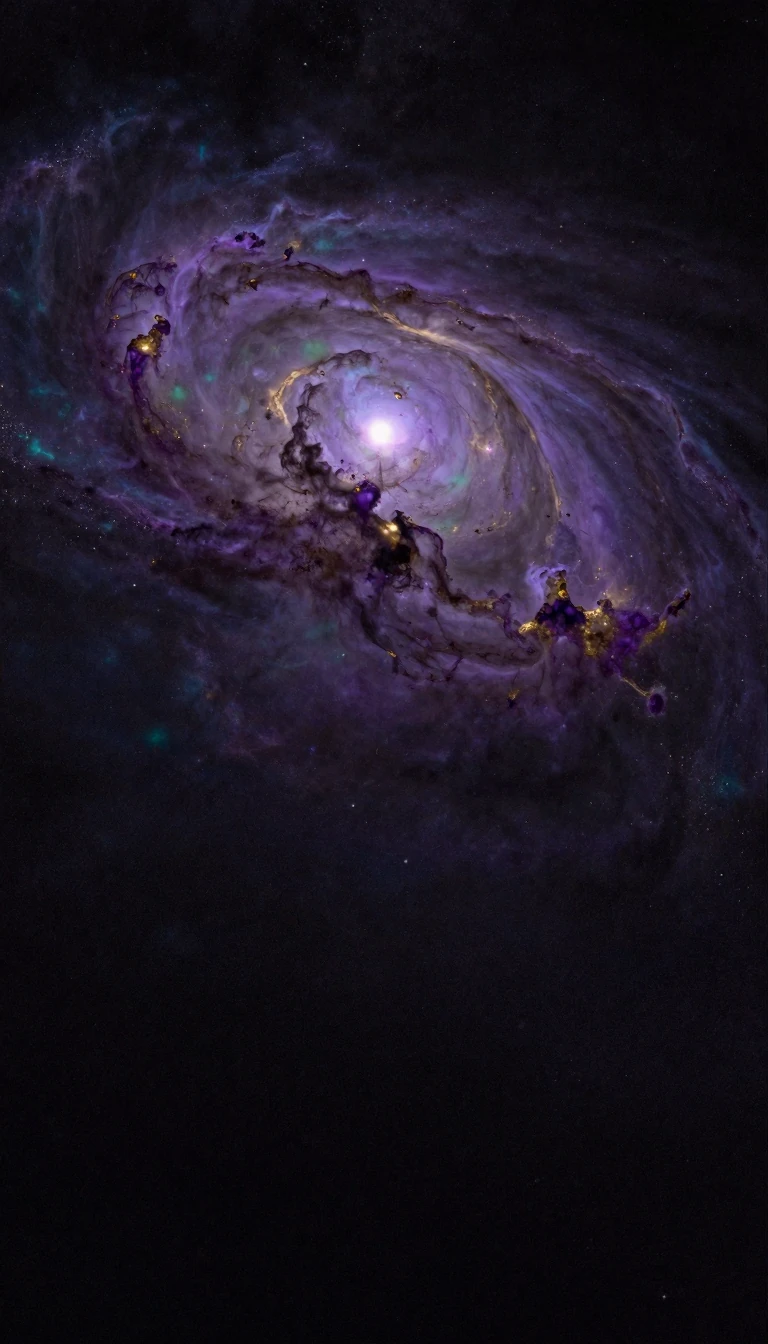
In short: When a new star appeared in the constellation Ophiuchus in 1604, it outshone Jupiter and remained visible during the day for weeks. While contemporaries like Johannes Kepler thought they were witnessing a birth, they were actually observing the violent death of a star—the last supernova seen in the Milky Way.
Johannes Kepler began tracking the object on October 17, 1604, after hearing reports of its appearance. Though Italian astronomer Lodovico delle Colombe recorded it earlier on October 9, Kepler’s year-long study, published in 1606 as De Stella nova in pede Serpentarii, cemented his association with the event. At the time, the phenomenon challenged the Aristotelian view of an unchanging, perfect cosmos, providing evidence that the heavens were subject to transformation.
Modern astronomers classify SN 1604 as a Type Ia supernova. Unlike Type II supernovae, which result from the core collapse of massive stars, Type Ia events occur in binary systems where a white dwarf draws material from a red giant companion. Once the white dwarf reaches a critical threshold of about 1.4 solar masses, it triggers a runaway thermonuclear explosion. This process destroys the star entirely, leaving no central remnant like the neutron stars found in other supernova types.
Located about 20,000 light-years away, the remnant of SN 1604 remains a vital subject of study. Because Type Ia supernovae consistently reach a specific peak luminosity, they serve as 'standard candles' that allow astronomers to measure cosmic distances. By observing these events, researchers have determined that the expansion of the universe is accelerating, a discovery linked to the presence of mysterious dark energy.
The explosion of SN 1604 was the last supernova in our galaxy to be clearly visible to the naked eye. While other supernovae have occurred in the Milky Way since, interstellar dust has likely obscured them from historical record. Today, the remnant of Kepler’s star is studied across the electromagnetic spectrum, with radio and X-ray observations providing deep insight into the chemical elements forged and dispersed by such cataclysmic stellar deaths.
Opens the Intellect+ feed with this card first. Swipe up for the next one.
Sources
- Summary by Intellect · source: Kepler’s Nova | Exploding Star, Astronomy & Astronomer | Britannica
- Also: 420 Years Ago: Astronomer Johannes Kepler Observes a Supernova - NASA
- Also: Kepler's Supernova
To cite this card, link to https://intellectplus.co.uk/app/space-kepler-s-supernova.
How we source, check and correct cards: Editorial standards.
General information, not professional advice. Spotted an error? Flag the card or see corrections and complaints.
Intellect Plus is a visual educational discovery platform for exploring fascinating facts and ideas. Brain Food, Not Brain Rot. What is Intellect Plus?
Related
More in Astronomical objects · More in Space · Latest · A–Z · All topics
