Why the stars you see at night are only a fraction of the universe
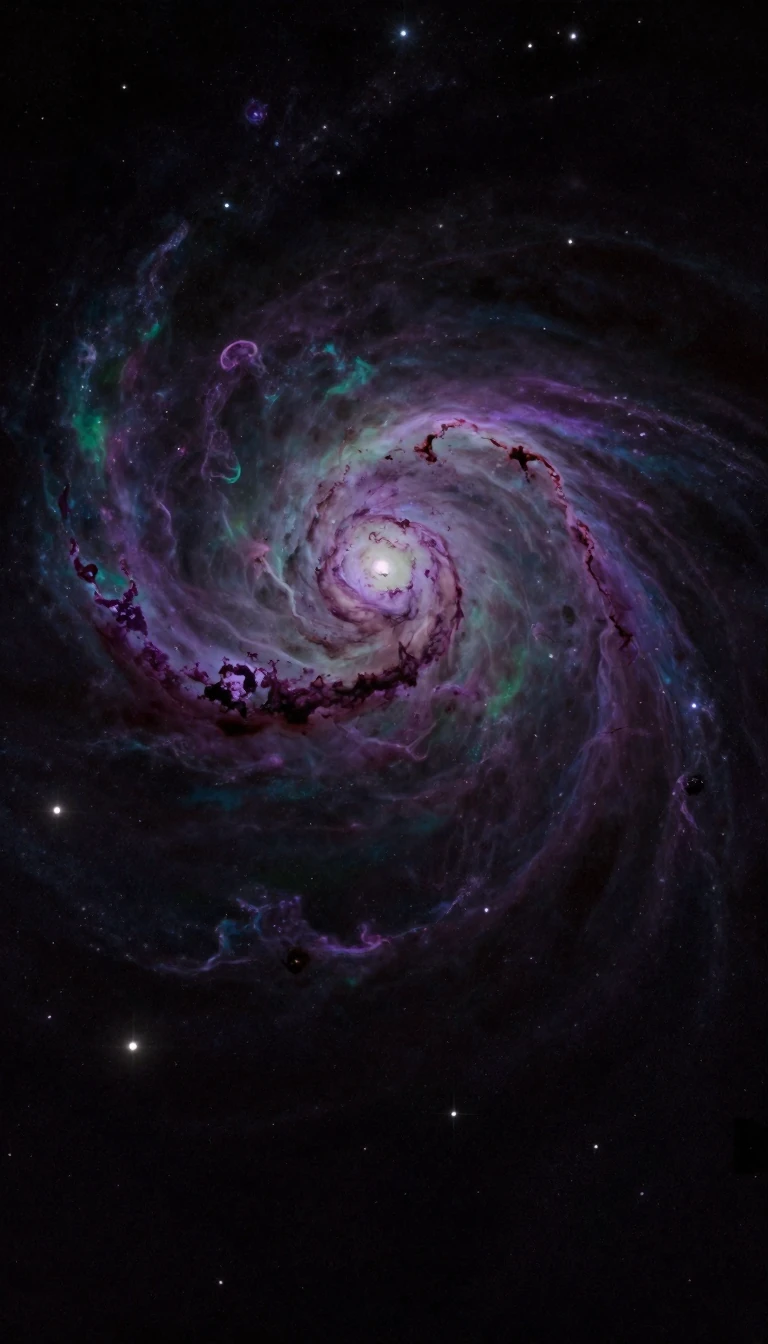
In short: Visible light reveals the cosmos, but it is merely one slice of the electromagnetic spectrum. From the glowing hydrogen of emission nebulae to the temperature-driven colors of distant stars, optical astronomy allows us to decode the physical conditions of the heavens. Yet, our atmosphere often obscures the view we seek.
Visible-light astronomy focuses on the narrow range of the electromagnetic spectrum between 380 and 750 nanometers. This discipline is the oldest form of astronomy, practiced for millennia by the naked eye before the invention of the telescope. While Hans Lippershey is often credited with the first patent for an optical telescope, Galileo Galilei significantly advanced the technology, demonstrating a device with 8 to 9 times magnification to Venetian lawmakers in 1609. These early tools transformed our ability to observe celestial bodies, eventually leading to the 19th-century advent of astrophotography.
The objects we observe in visible light are largely defined by their temperature. Stars radiating between 2000 and 10,000°C dominate the night sky, with their surface temperature dictating their color; cooler stars appear red, while hotter ones shine blue or white. Our own Sun, at approximately 6000°C, sits in the middle of this range. Beyond individual stars, visible light is essential for studying emission nebulae—glowing clouds of gas often associated with young, massive stars, dying stars, or supernova remnants. These nebulae frequently glow red due to hydrogen gas, which emits light efficiently at a specific wavelength of 656 nanometers.
Modern astronomy faces significant challenges from Earth, primarily atmospheric distortion and light pollution from artificial sources. To bypass these, researchers utilize space telescopes like the Hubble, launched in 1990, which operate outside the atmosphere to capture high-detail images. On the ground, astronomers choose between three primary telescope designs: refracting, which uses lenses; reflecting, which uses mirrors; and catadioptric, which combines both. Each design carries inherent optical inaccuracies, such as chromatic aberration in refractors, but they remain vital tools for analyzing the composition of the universe by splitting light into its constituent spectral wavelengths.
While the Milky Way contains all stars visible to the naked eye, the universe is populated by thousands of millions of other galaxies. By studying these through visible wavelengths, astronomers can determine physical conditions and chemical compositions. Whether through amateur stargazing or professional space-based research, visible-light astronomy continues to be a cornerstone of our understanding of the celestial landscape.
Opens the Intellect+ feed with this card first. Swipe up for the next one.
Sources
- Summary by Intellect · source: Observing the Universe in visible light
- Also: Visible-light astronomy
To cite this card, link to https://intellectplus.co.uk/app/space-visible-light-astronomy.
How we source, check and correct cards: Editorial standards.
General information, not professional advice. Spotted an error? Flag the card or see corrections and complaints.
Intellect Plus is a visual educational discovery platform for exploring fascinating facts and ideas. Brain Food, Not Brain Rot. What is Intellect Plus?
Related
More in Observational astronomy · More in Space · Latest · A–Z · All topics
