How a wartime radar engineer transformed our view of the distant universe forever
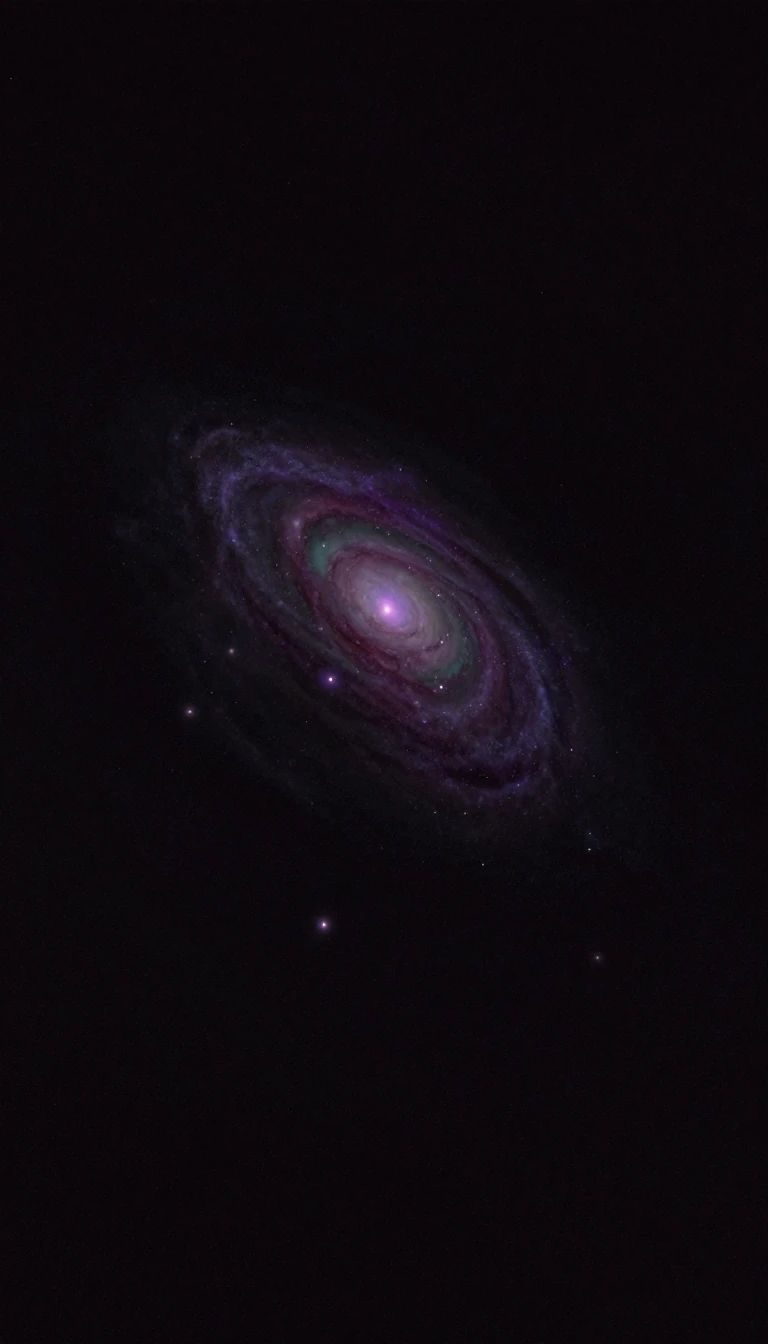
In short: Martin Ryle turned the skills he honed developing radar for the Royal Air Force into a revolutionary tool for astronomy. By inventing aperture synthesis, he allowed scientists to map the heavens with unprecedented clarity, eventually earning the first Nobel Prize ever awarded specifically for research in the field of astronomy.
Born in 1918, Martin Ryle spent his early career during World War II working on radar and radio systems for the British military. When he returned to the Cavendish Laboratory at Cambridge in 1945, he brought with him a wealth of engineering experience and a desire to pursue pure science. Encouraged by his mentors, J.A. Ratcliffe and Sir Lawrence Bragg, Ryle began investigating radio emissions from the Sun. This work quickly evolved into a broader mission to map the radio sky, leading him to develop the technique of aperture synthesis. This method, which used multiple small antennas to simulate a much larger telescope, allowed for the precise imaging of weak radio sources that were previously invisible to conventional instruments.
Ryle’s technical innovations were highly guarded, as he feared losing the competitive edge his team held over better-funded groups. His leadership at the Mullard Radio Astronomy Observatory resulted in the production of several critical radio source catalogues, including the Third Cambridge Catalogue of Radio Sources, which was instrumental in the discovery of the first quasars. In 1974, he shared the Nobel Prize in Physics with Antony Hewish for his pioneering research. Despite his scientific success, Ryle was known for a volatile personality and a hot temper, often clashing with colleagues like Fred Hoyle over cosmological theories. He was also a dedicated Astronomer Royal, serving in the role from 1972 until 1982.
In his later years, Ryle’s focus shifted dramatically away from the stars. Concerned that humanity was becoming increasingly clever without a corresponding increase in wisdom, he dedicated his final decade to social and political activism. He wrote extensively on the dangers of nuclear armaments, the risks of nuclear power, and the urgent need for sustainable energy solutions. Ryle argued that the vast resources directed toward destruction should be redirected to solve the pressing problems facing both rich and poor nations. He continued this work despite declining health until his death in 1984, leaving behind a legacy that spanned from the deepest reaches of space to the most immediate survival challenges of Earth.
Opens the Intellect+ feed with this card first. Swipe up for the next one.
Sources
- Summary by Intellect · source: Nobel Prize in Physics 1974
- Also: Martin Ryle
To cite this card, link to https://intellectplus.co.uk/app/space-martin-ryle.
How we source, check and correct cards: Editorial standards.
General information, not professional advice. Spotted an error? Flag the card or see corrections and complaints.
Intellect Plus is a visual educational discovery platform for exploring fascinating facts and ideas. Brain Food, Not Brain Rot. What is Intellect Plus?
Related
More in Astronomy and geodesy · More in Space · Latest · A–Z · All topics
