The new moon is not just a phase, it is a complex celestial definition
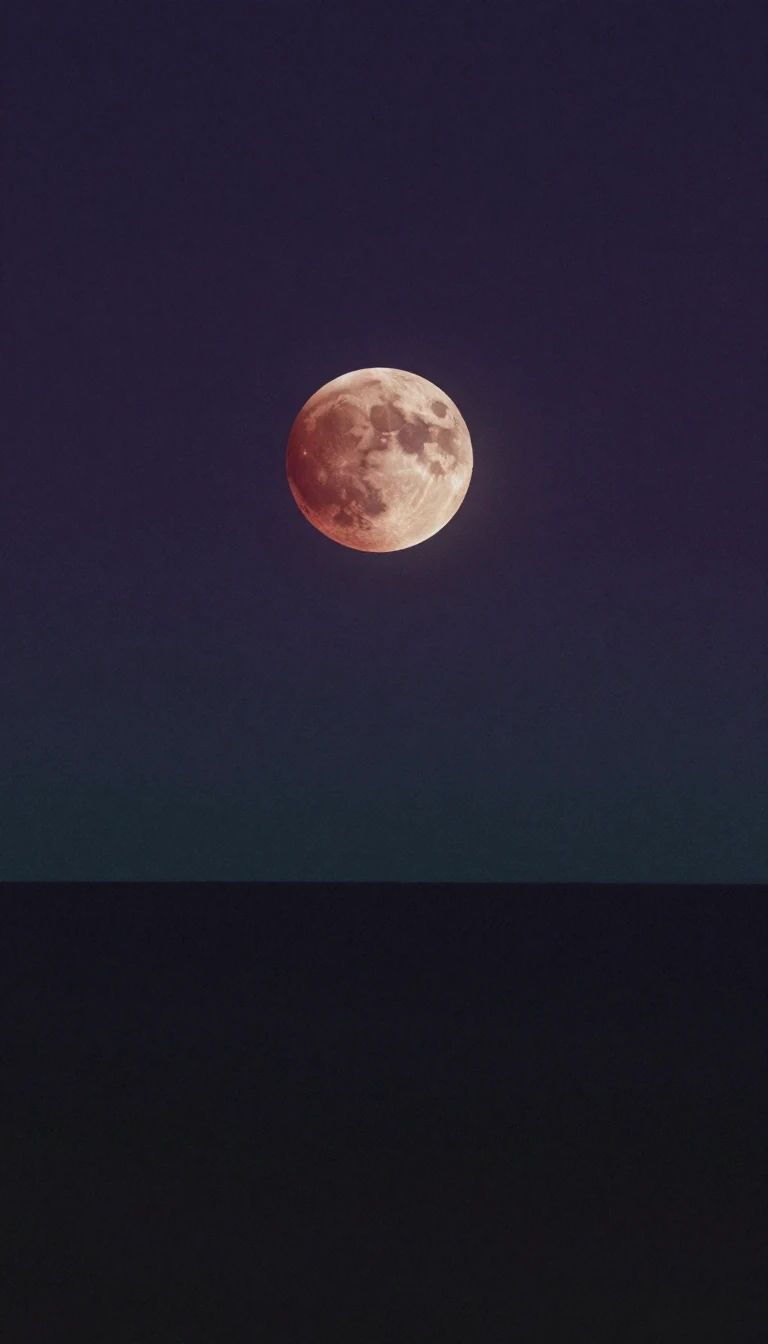
In short: The new moon is often misunderstood as a simple disappearance, but it holds two distinct meanings. Astronomically, it is an invisible conjunction with the Sun. Culturally, it is the first sliver of light seen after that alignment. These definitions shape calendars, religious observances, and even the timing of global holidays.
In astronomy, the new moon is defined as the precise moment when the Moon and Sun share the same ecliptic longitude. At this stage, the lunar disk is invisible from Earth because the illuminated side faces away from us. This event is independent of the observer's location, as it is calculated relative to the center of the Earth. While this moment is fixed, it only becomes visible to the naked eye during a solar eclipse, when the Moon is silhouetted against the Sun.
Conversely, the traditional or calendrical definition of a new moon refers to the first visible crescent observed after the conjunction. This definition is highly dependent on the observer's geographical location and local atmospheric conditions. Because the Moon must be far enough from the Sun to be seen, this crescent typically appears with an arc angle of about 5–7 degrees. This observational approach remains central to the Islamic calendar, where the start of a month—such as Ramadan—cannot be determined with absolute certainty in advance.
These competing definitions create significant friction in modern timekeeping. While the Hebrew calendar uses sophisticated mathematical rules to ensure festivals like Passover occur in their traditional seasons, other systems rely on direct observation. Efforts to unify these practices, such as the 2007 proposal by the Fiqh Council of North America, suggest using precise calculations to predict visibility. By requiring the conjunction to occur before sunset in Mecca and the moonset to follow it on the same evening, scientists hope to create a globally consistent calendar that respects both astronomical reality and ancient tradition.
Opens the Intellect+ feed with this card first. Swipe up for the next one.
Sources
- Summary by Intellect · source: New moon
To cite this card, link to https://intellectplus.co.uk/app/space-new-moon.
How we source, check and correct cards: Editorial standards.
General information, not professional advice. Spotted an error? Flag the card or see corrections and complaints.
Intellect Plus is a visual educational discovery platform for exploring fascinating facts and ideas. Brain Food, Not Brain Rot. What is Intellect Plus?
Related
More in Celestial mechanics · More in Space · Latest · A–Z · All topics
