 Intellect Plus
Celestial mechanics
49 cards. Each one is a 40-second story with a five-minute read behind it.
 The moon is reaching its orbital limits every 18.6 yearsEvery nearly two decades, the Moon performs a celestial extreme. At its orbital limits, it appears on the horizon at maximum northern and southern latitudes. This rare event creat…
 Why your sense of a spinning sky is a clever biological illusionThe ground feels still while the stars appear to wheel overhead. This contradiction isn't a trick of the light, but a result of our perspective within a complex celestial clockwor…
 How six numbers define the path of every planet in our solar systemMapping the movement of planets through a boundless vacuum seems like an impossible task of chaotic complexity. Yet, celestial mechanics reduces this motion into a predictable geo…
 The mathematical rules governing how planets move through spaceBefore we can find new worlds, we must understand the physics of the old ones. This video introduces Kepler's Laws as a fundamental pillar of celestial mechanics.
 From divine wanderers to precise orbital mathFor centuries, humans watched 'wanderers' across the sky and attributed their movements to the whims of gods. Today, we use those same observations to navigate spacecraft with pin…
 From divine wanderers to predictable paths of orbital physicsFor centuries, humans viewed the planets as gods moving against a fixed sky. Today, we understand their motion through celestial mechanics—the application of classical mechanics t…
 From divine wanderers to predictable orbits: how we mastered the heavensAncient civilizations viewed planets as gods moving across a fixed sky. Today, we use those same observations to calculate satellite paths with pinpoint accuracy. The journey from…
- From divine wanderers to predictable paths of gravityFor centuries, humans viewed the stars as gods and planets as mystical wanderers. It took a revolution in human thought—moving from wonder to mechanics—to reveal that the universe…
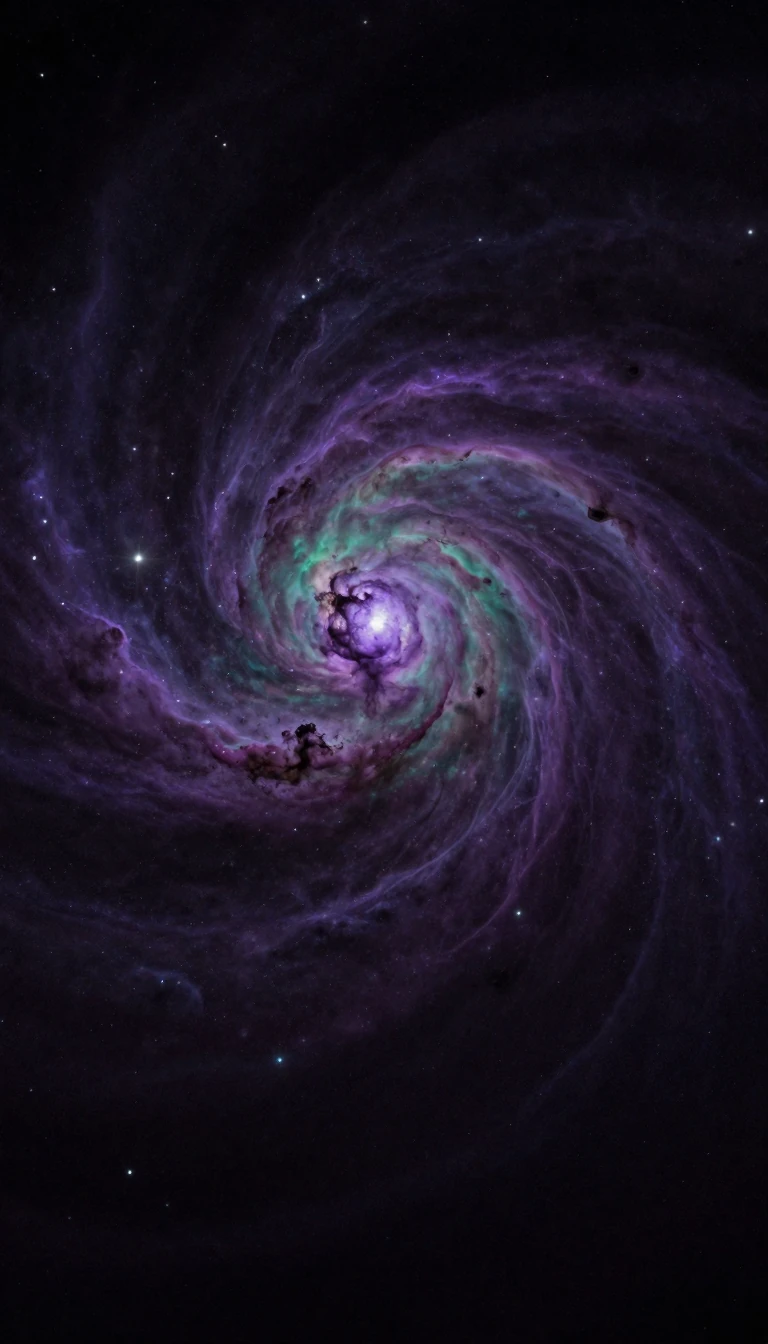 From cosmic dust to massive stars, gravity is the architect of the universe.Accretion is the fundamental process by which matter accumulates to build everything from planets to galaxies. While we understand the broad strokes of gravitational collapse, the…
 Why the afternoon is the most volatile time for your body and brainThe afternoon is more than just the time between noon and sunset. It is a period of unique biological instability, where cortisol levels become highly reactive, body temperatures …
 When a distant world crosses its star, we can finally see the invisible.An astronomical transit occurs when a smaller body passes directly between a larger object and an observer. While rare in our solar system, this alignment is the primary tool astr…
 The pink arch appearing at twilight is not actually named after the planet VenusDuring twilight, a soft pink band often emerges in the sky opposite the setting or rising sun. Known as the Belt of Venus, this atmospheric display is a result of backscattered su…
 Why a longer, three-step journey through space can sometimes burn less fuelThe Hohmann transfer is the standard way to move between orbits, but it is not always the most efficient. By adding an extra engine burn and swinging far out into space, a bi-elli…
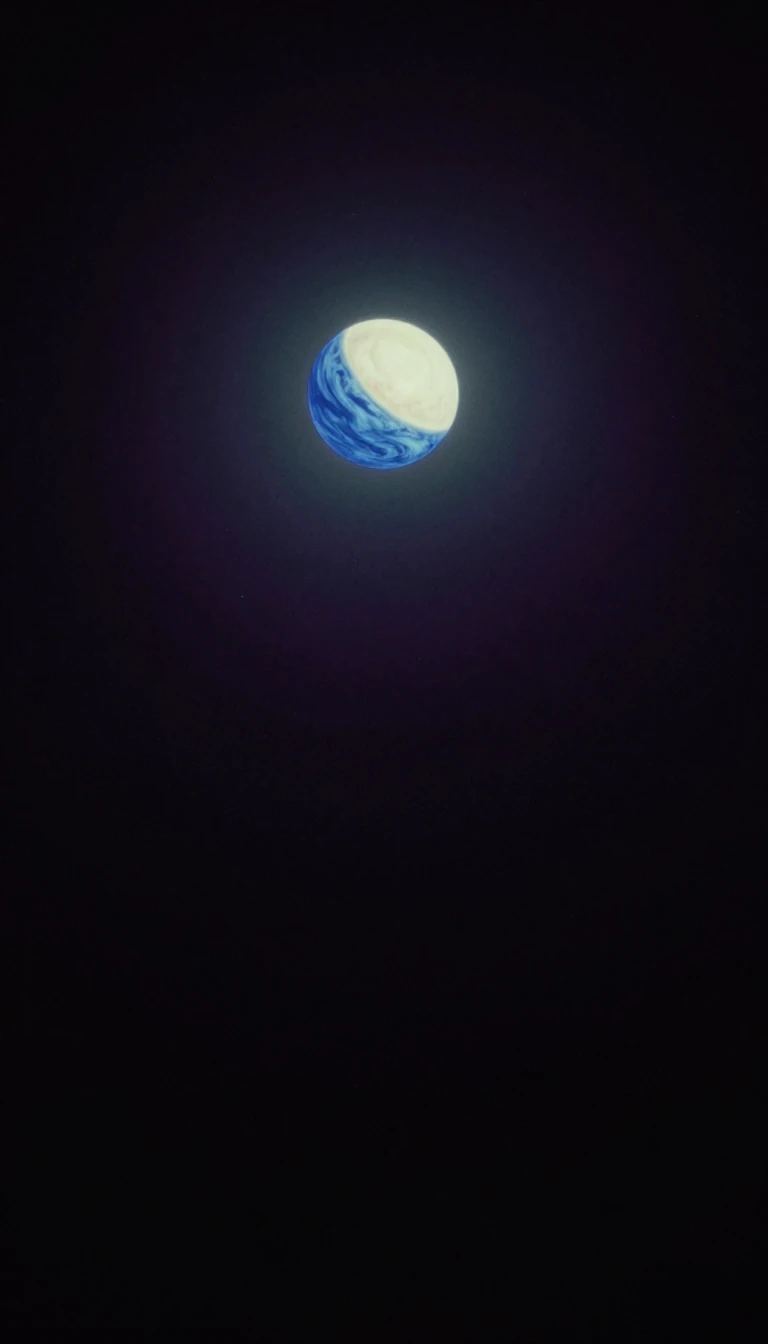 Why the sky turns deep blue long after the sun has vanished from sightThe blue hour is a fleeting twilight phenomenon that photographers and artists prize for its tranquil, soft illumination. While many believe it is caused by simple light scatterin…
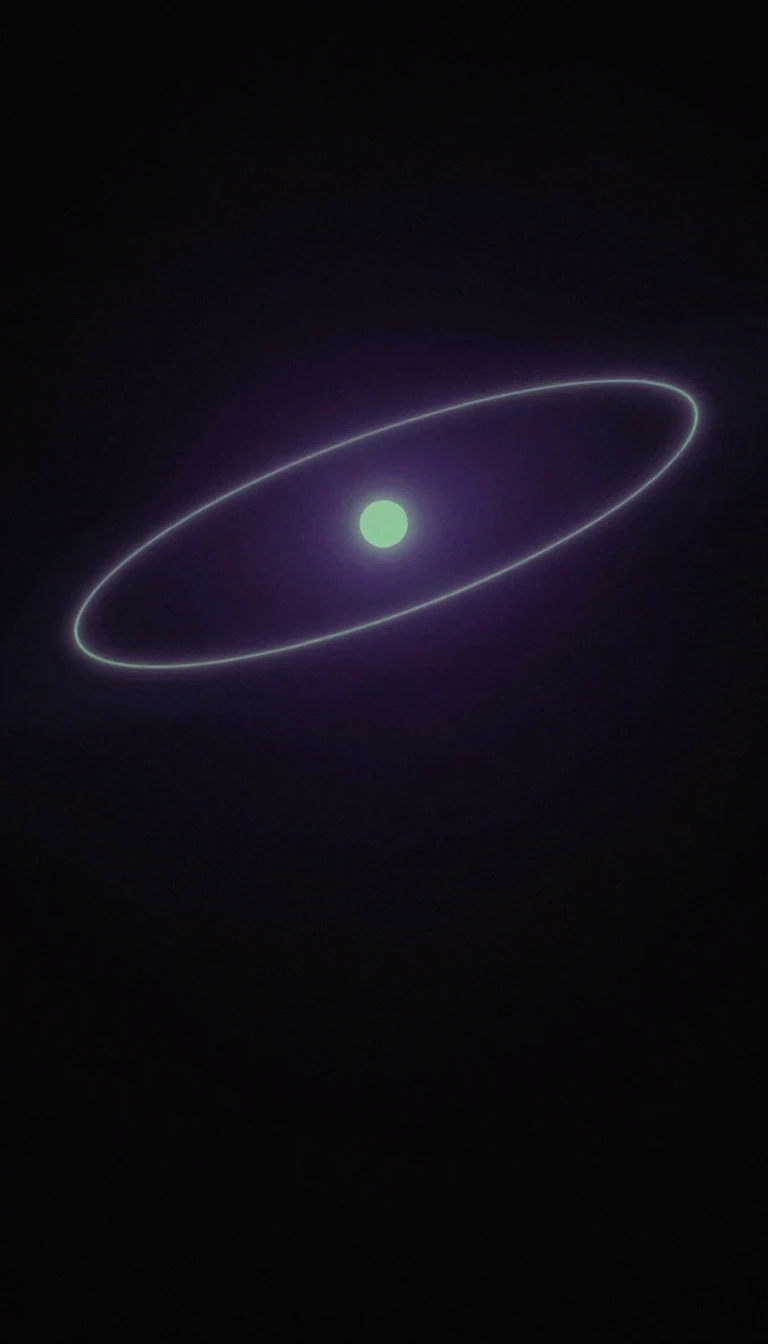 Celestial companions can share an orbit, dancing in a stable 1:1 gravitational resonance.Objects in a co-orbital configuration share the same distance from their primary, locked in a 1:1 mean-motion resonance. From trojans trailing 60 degrees behind to moons swapping …
 Dawn is not just a moment, but a precise sequence of three distinct light phases.We call it dawn, but astronomers divide this transition into three specific stages: astronomical, nautical, and civil. Each phase is defined by the Sun's position relative to the …
- Why daylight persists even after the sun dips below the local horizonDaylight is more than just direct sunshine; it is a complex blend of scattered radiation and reflected light. Surprisingly, the Earth experiences daylight for slightly more than h…
- Why the Equator stays warm while the poles freeze despite six months of sunlight.Daytime is not just the presence of the Sun, but a complex dance of geometry and atmosphere. While we often think of daylight as a simple binary, the Earth's tilt creates a dramat…
 Why the sky shifts from orange to black as the sun descends below the horizonDusk is not merely the arrival of night, but a precise sequence of celestial geometry. As the sun sinks below the horizon, the atmosphere undergoes three distinct stages of twilig…
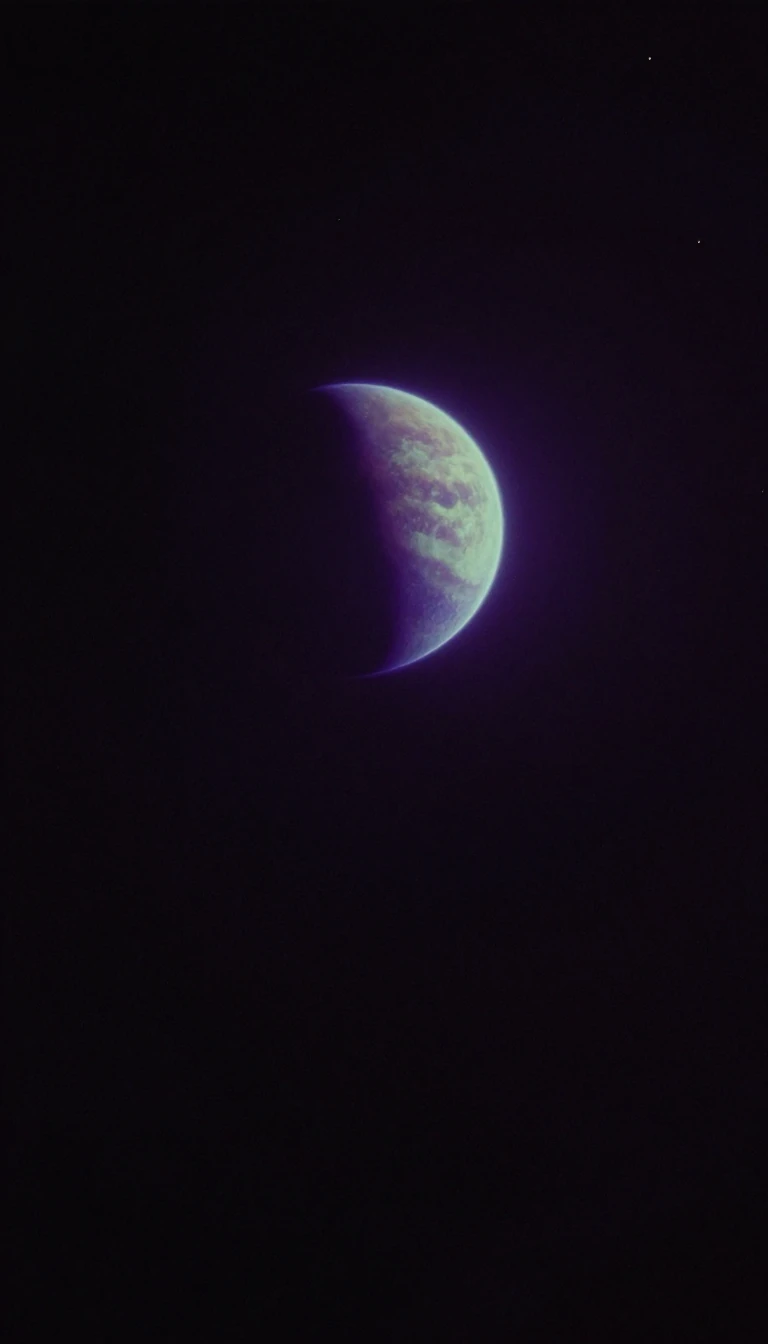 Why the evening is the most scientifically productive time for amateur astronomers to observeWhile evening is often associated with winding down, it is a prime window for celestial observation. Because the Sun is near the horizon, this period offers unique opportunities t…
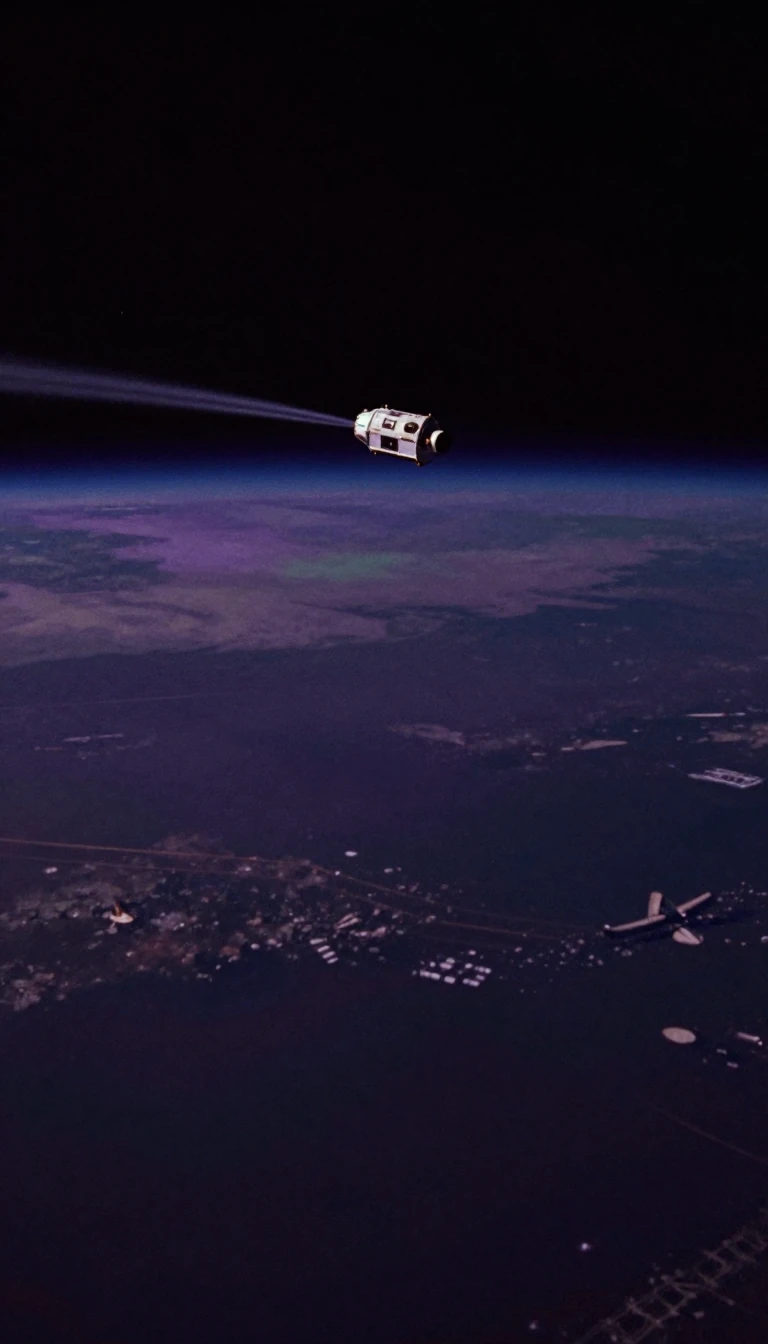 Why satellites stay in place without burning through all their precious fuel reservesSpace is not a static void. Gravity from the Sun, Moon, and the Earth's own uneven shape constantly tug at satellites, threatening to drift them off course. To survive, engineers …
- Why the best light for photography is a misnomer that defies the clockThe golden hour is not actually an hour. This fleeting window of soft, warm light occurs when the sun sits low on the horizon, forcing its rays through a thicker slice of atmosphe…
- When satellites die, they are sent to a remote graveyard in the skySpace is getting crowded, and dead satellites pose a collision risk. To keep vital orbital lanes clear, operators often boost decommissioned craft into a graveyard orbit—a distant…
- How spacecraft hover in empty space by dancing around invisible gravitational balance pointsA halo orbit is not a circle around a planet, but a complex loop around a Lagrange point—a spot where gravity from two bodies cancels out. These orbits allow satellites to maintai…
 Why some asteroids dance in a horseshoe pattern around the EarthImagine an asteroid sharing Earth's path around the Sun. Instead of colliding, it performs a celestial waltz, drifting forward and backward in a horseshoe-shaped loop relative to …
- Why spacecraft dance in complex, non-repeating loops around empty points in spaceLissajous orbits allow spacecraft to hover near Lagrangian points, the gravitational sweet spots between celestial bodies. Unlike simple circles, these trajectories trace complex,…
 Why the stroke of midnight is a scientific and linguistic headache for everyoneMidnight is the official transition between days, yet it remains a persistent source of confusion. Because our clocks are regularized by time zones, the moment the date flips rare…
 Why Russia and Canada rely on a lightning-fast orbit to stay connectedGeostationary satellites are perfect for the equator, but they fail at high latitudes. To solve this, engineers created the Molniya orbit. By using a highly elliptical path that l…
- Why the morning sky is the best place to hunt for hidden celestial objectsWhile most stargazers wait for the deep darkness of night, astronomers know the morning twilight holds unique secrets. From elusive inferior planets to near-Earth asteroids, the p…
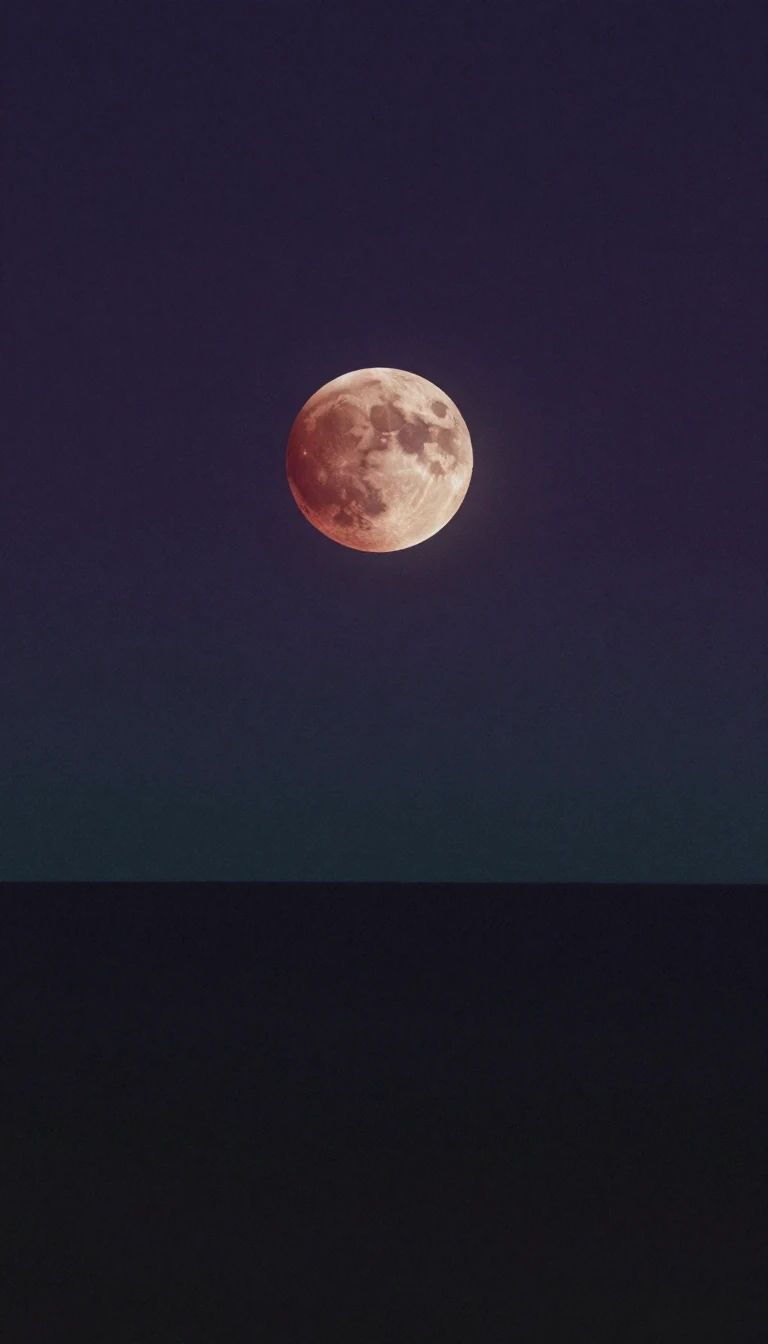 The new moon is not just a phase, it is a complex celestial definitionThe new moon is often misunderstood as a simple disappearance, but it holds two distinct meanings. Astronomically, it is an invisible conjunction with the Sun. Culturally, it is t…
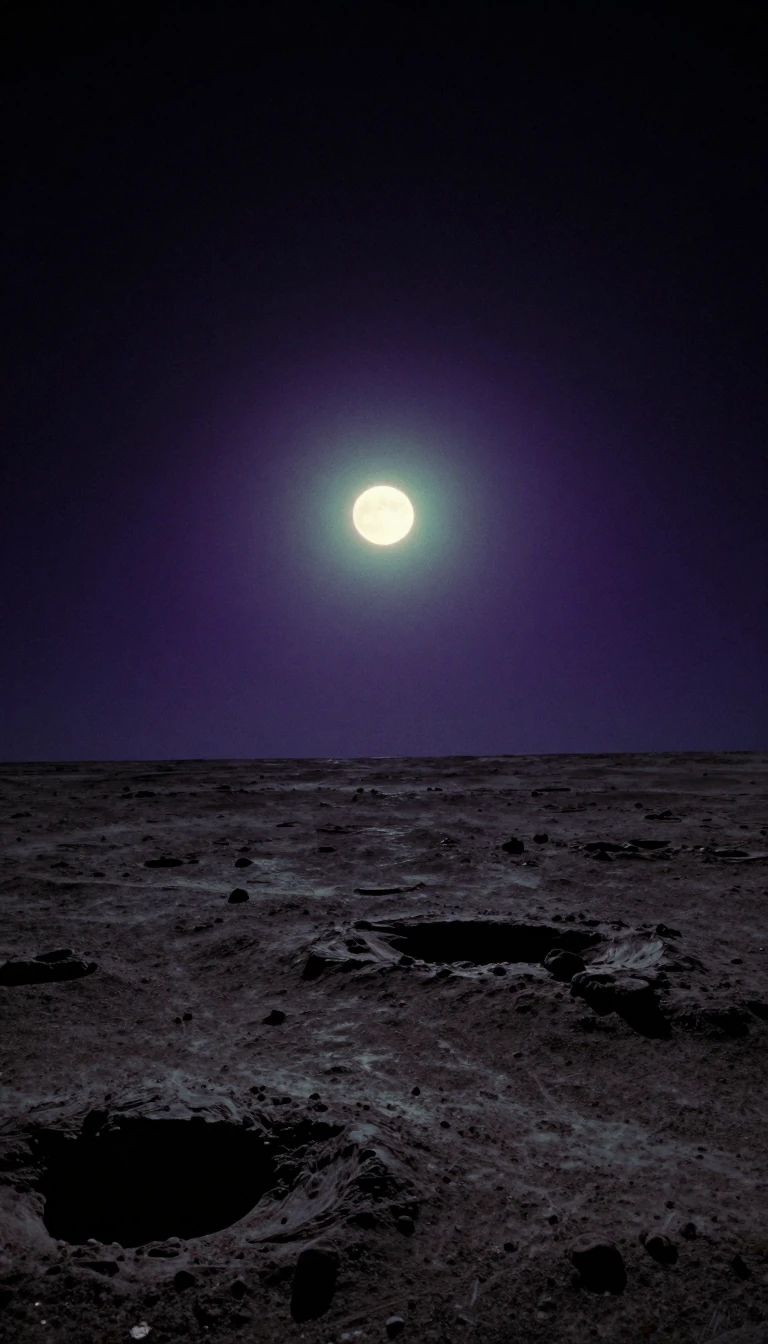 Why your clock is almost never perfectly aligned with the sun at noon.We treat noon as a fixed point on the clock, but solar noon—the moment the sun crosses your local meridian—is a moving target. Influenced by Earth's orbital speed and axial tilt, …
- Why burning rocket fuel at high speed is more efficient than burning it slowlyIn space travel, timing is everything. By firing engines at the lowest point of a gravity well, where orbital velocity is highest, spacecraft gain significantly more kinetic energ…
- Why your orbit is never a perfect circle, but a shifting, stretched ellipseOrbital eccentricity measures how much a celestial path deviates from a perfect circle. A value of zero represents a circle, while higher numbers indicate increasingly stretched e…
- Six numbers are all you need to map a path through the stars.To define a Keplerian orbit, you do not need complex physics equations; you need exactly six parameters. These orbital elements act as a mathematical shorthand for the position an…
- Orbital inclination defines the tilt of an object's path through space relative to reference planes.Orbital inclination is a fundamental measure of how a celestial object's path tilts relative to a chosen reference plane. Whether tracking satellites around Earth or exoplanets in…
- Why satellites must constantly burn fuel just to stay in the right placeSpace is not a static void. Satellites face constant gravitational tugs, atmospheric drag, and solar pressure that threaten to drift them off course. To maintain their precise pos…
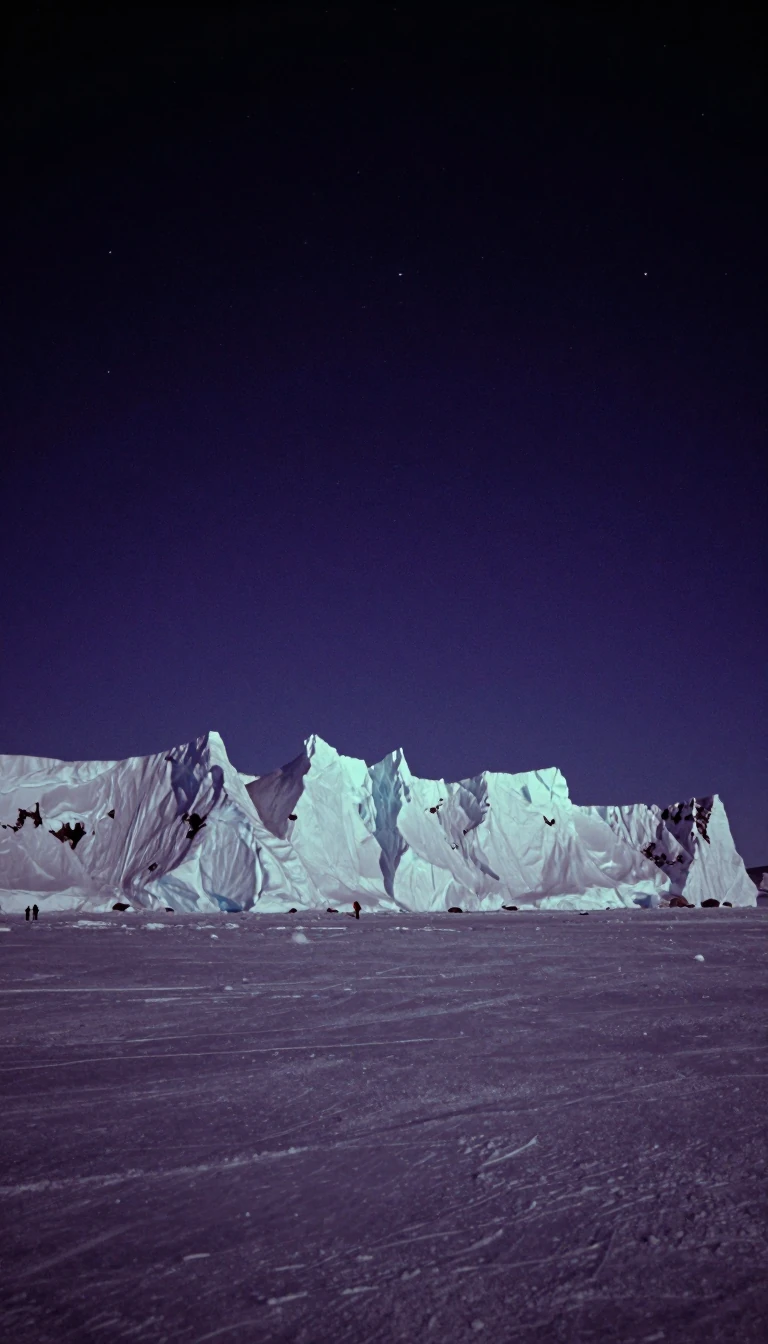 Why the sunless winter at the poles is rarely a total blackoutPolar night is defined as a period exceeding 24 hours where the sun fails to crest the horizon. Yet, this phenomenon is rarely a state of absolute darkness. Thanks to atmospheric …
- The Saros cycle allows astronomers to predict eclipses with remarkable eighteen-year precision.For millennia, observers have tracked the Saros, an interval of roughly eighteen years and eleven days. This celestial heartbeat marks the return of the Sun, Earth, and Moon to ne…
- Why your watch and the stars are out of sync by four minutesStandard clocks track the Sun, but astronomers rely on sidereal time to map the heavens. Because Earth orbits the Sun while spinning, a day measured against distant stars is rough…
- Why satellites in Sun-synchronous orbit always see the world under the same lightA Sun-synchronous orbit keeps a satellite in perfect step with the Sun. By carefully tuning its altitude and inclination, the craft uses the Earth's own equatorial bulge to rotate…
- Why the Sun you see at sunrise is actually a ghost of the pastSunrise is a daily optical illusion. Because Earth’s atmosphere bends light, you witness the Sun before it physically clears the horizon. What you perceive as a rising star is act…
- Why the sun appears to set, and why its colors are never the sameSunset is not just the sun disappearing; it is a complex interplay of atmospheric physics, planetary rotation, and optical illusions. While we perceive a sinking orb, we are actua…
- Why the moon appears to swell in size and intensity during a supermoonA supermoon occurs when a full lunar phase aligns with the moon reaching its nearest orbital point to our planet. While often described as a spectacular event, the visual differen…
- The terminator is the invisible, moving boundary between day and night on any planet.This shifting line, where the sun is tangent to a planetary surface, dictates everything from radio signals to satellite battery life. On Earth, it races at supersonic speeds at t…
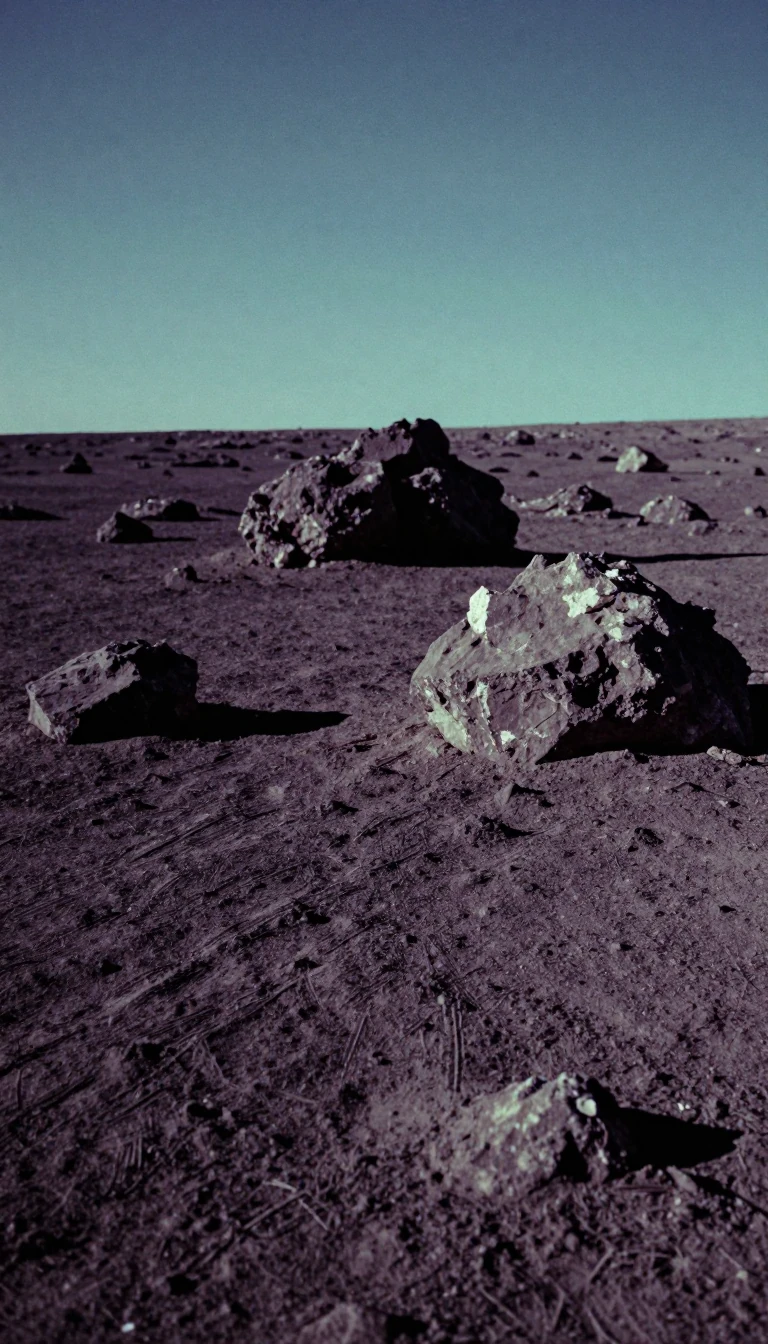 The Moon is slowly spiraling away from Earth, and our days are getting longer.Tidal forces are quietly reshaping our cosmic neighborhood. As Earth’s oceans bulge, they exert a gravitational torque that pushes the Moon into a higher orbit while simultaneousl…
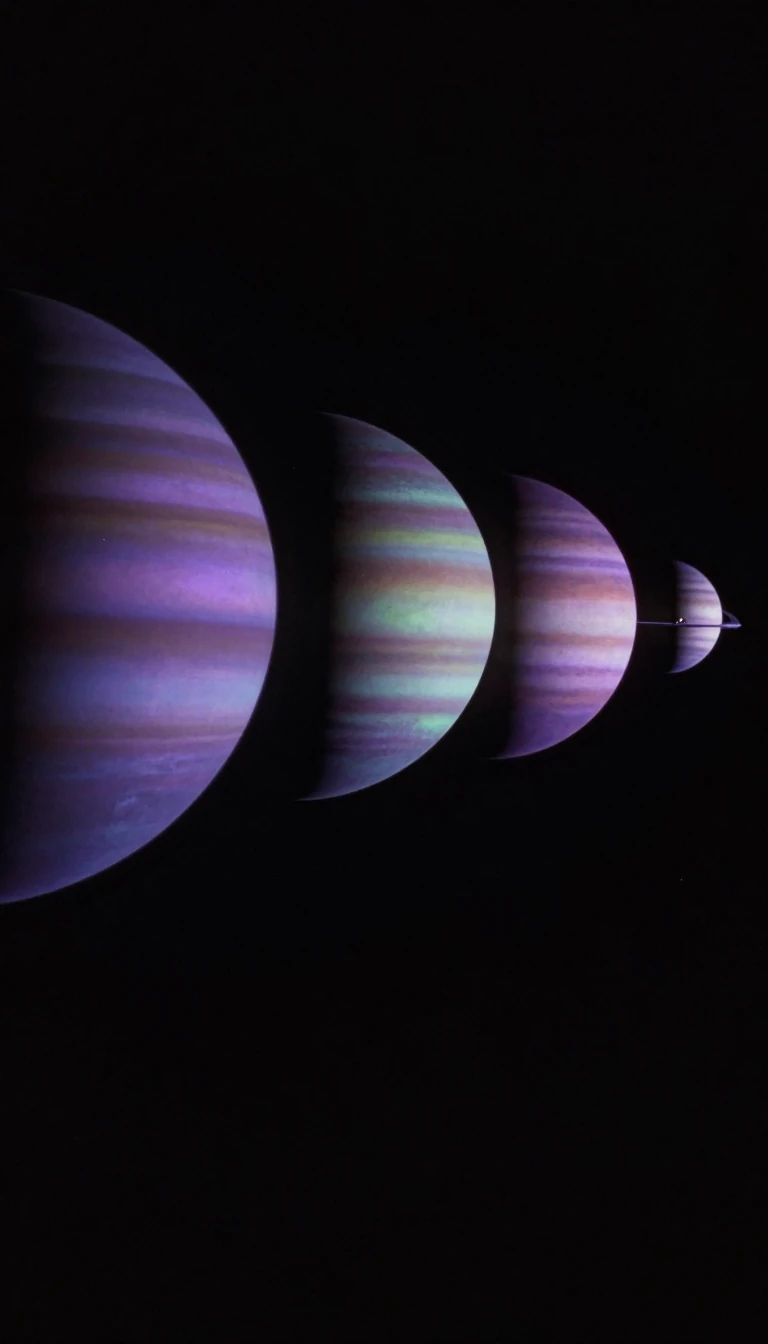 When a tiny planet crossed the Sun, it changed our understanding of gravity forever.For centuries, astronomers were baffled by the strange, shifting orbit of Mercury. They even invented a phantom planet, Vulcan, to explain the discrepancy. It took Albert Einstein…
- Why the rare transit of Venus is a masterclass in celestial timing and measurementA transit of Venus occurs when the planet passes directly between Earth and the Sun, appearing as a small silhouette against the solar disk. These events are exceptionally rare, f…
- Why the sky never truly goes dark in many parts of the worldTwilight is not just a fleeting moment before nightfall; it is a complex atmospheric phenomenon defined by the Sun's position below the horizon. Depending on your latitude and the…
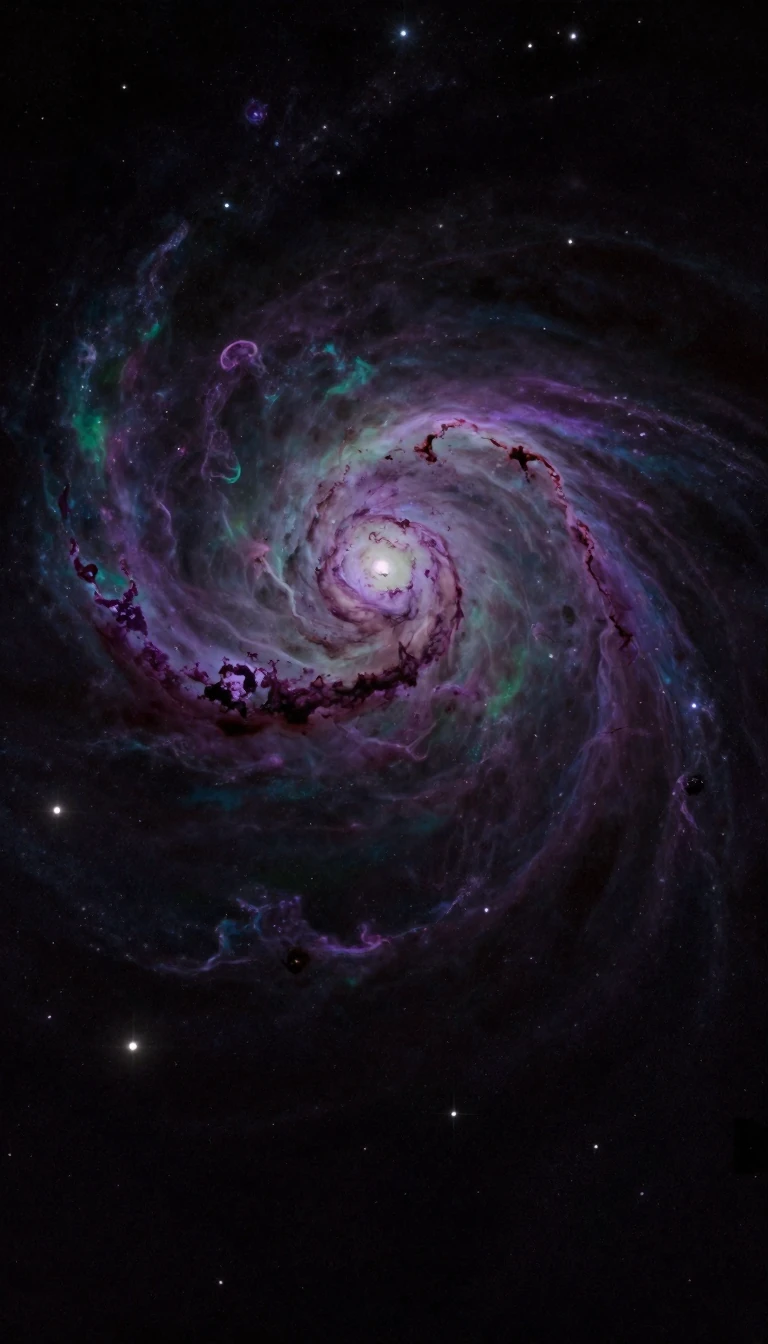 How astronomers weigh the invisible by measuring the chaotic motion of stars and galaxiesVelocity dispersion is the statistical spread of speeds within a group of celestial objects. By measuring how fast stars or galaxies move relative to their average, astronomers ca…