Why the morning sky is the best place to hunt for hidden celestial objects
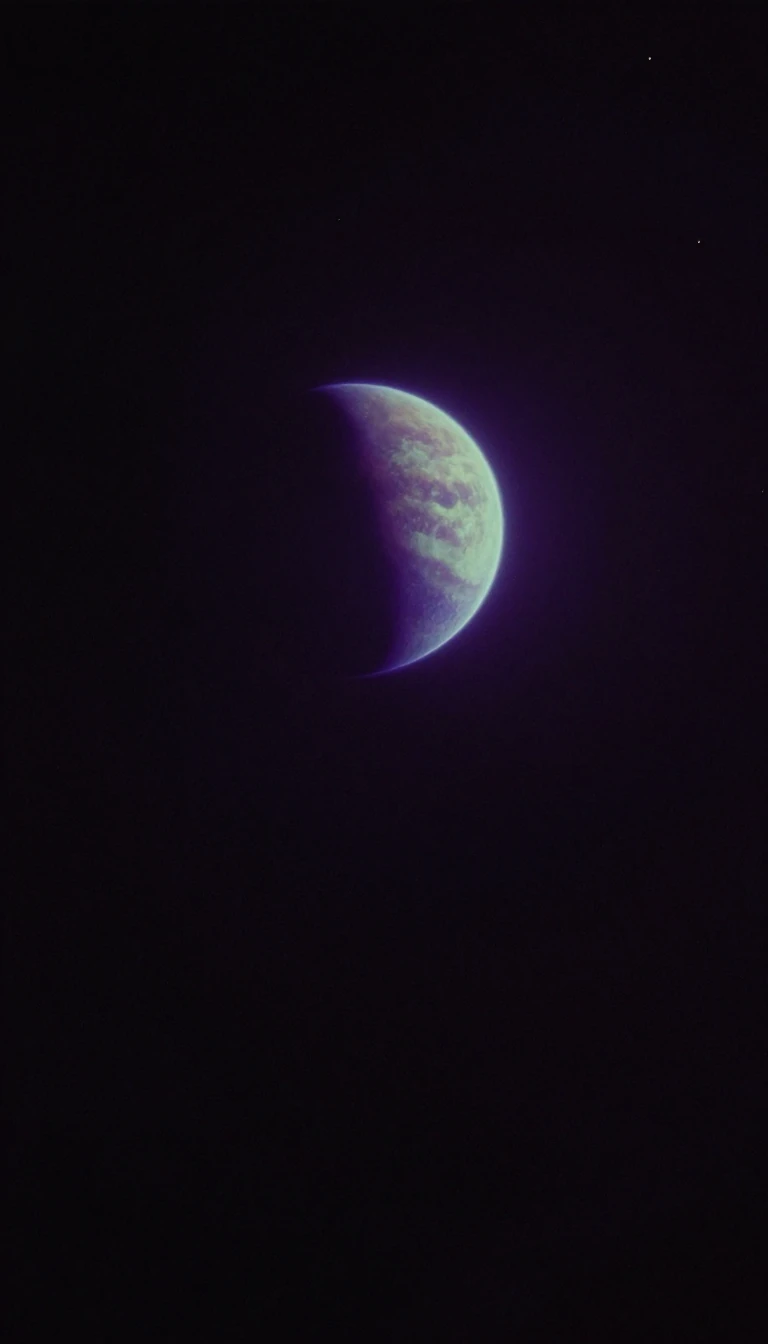
In short: While most stargazers wait for the deep darkness of night, astronomers know the morning twilight holds unique secrets. From elusive inferior planets to near-Earth asteroids, the period just before sunrise offers a rare window to observe objects that remain hidden during the rest of the day.
The morning period, defined as the time between sunrise and noon or midnight and noon, is more than just the start of the human day. For astronomers, it is a strategic window for observing celestial bodies that orbit close to the Sun. Because these objects are often obscured by the Sun's glare, the twilight hours provide the necessary contrast to spot them. Specifically, the inferior planets Venus and Mercury are best viewed during this time, often appearing as a morning star when they rise in the east just before the Sun.
Beyond planets, the morning sky is a prime hunting ground for comets. As these icy wanderers draw closer to the Sun, their tails become increasingly prominent, making them easier to detect against the brightening horizon. Furthermore, the morning twilight is used by researchers to search for near-Earth asteroids that share orbits inside the Earth's path. In mid-latitudes, the period surrounding the autumnal equinox also provides favorable conditions for observing the zodiacal light, a faint glow caused by sunlight reflecting off interplanetary dust.
This celestial utility is mirrored in the natural world, where crepuscular animals have evolved to be primarily active during the early morning and evening. Even human biology seems tuned to these rhythms; research suggests that a gene known as 'Period 3' influences whether an individual is naturally inclined toward mornings or evenings. Those carrying the 'long' variant of this gene are statistically more likely to be morning people, while those with the 'short' variant tend to prefer the evening. Whether you are a comet hunter or simply an early riser, the morning is a distinct, scientifically significant phase of the daily cycle.
Opens the Intellect+ feed with this card first. Swipe up for the next one.
Sources
- Summary by Intellect · source: Morning
To cite this card, link to https://intellectplus.co.uk/app/space-morning.
How we source, check and correct cards: Editorial standards.
General information, not professional advice. Spotted an error? Flag the card or see corrections and complaints.
Intellect Plus is a visual educational discovery platform for exploring fascinating facts and ideas. Brain Food, Not Brain Rot. What is Intellect Plus?
Related
More in Celestial mechanics · More in Space · Latest · A–Z · All topics
