Why the sky shifts from orange to black as the sun descends below the horizon
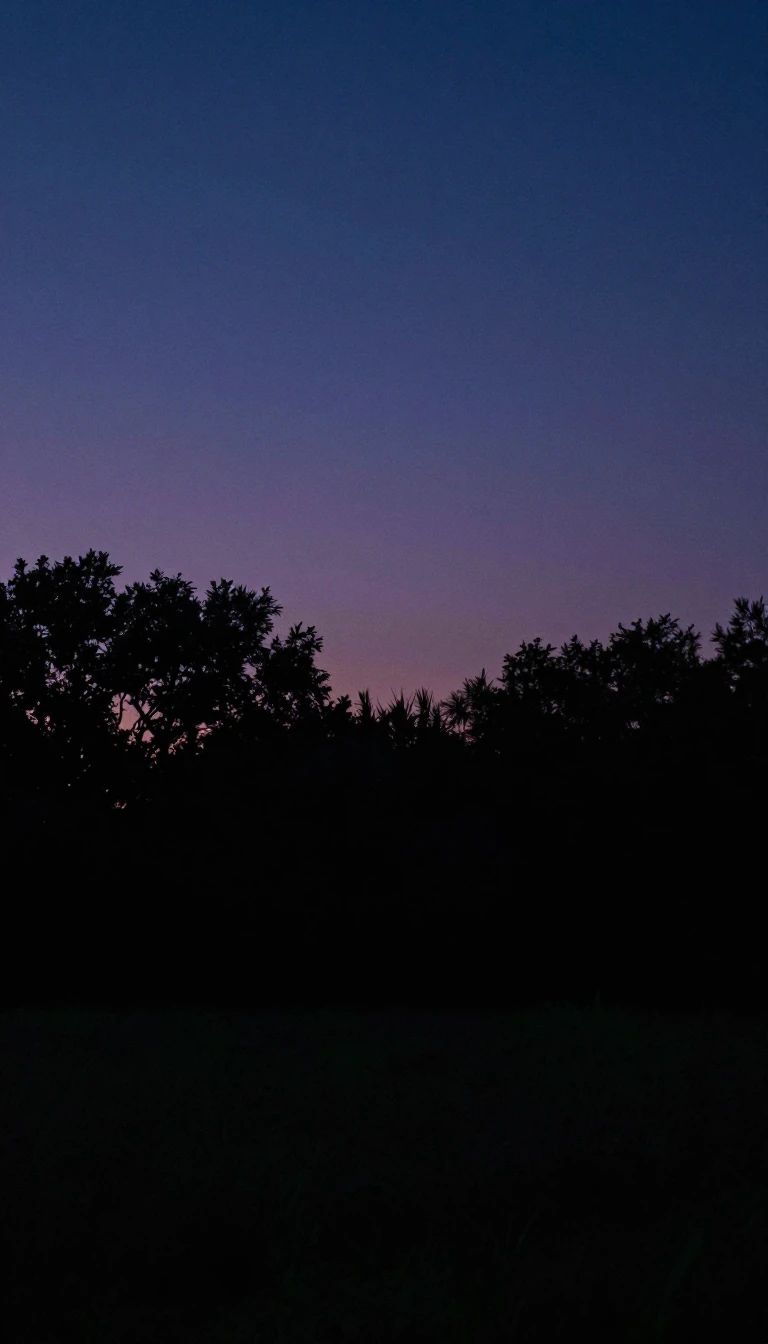
In short: Dusk is not merely the arrival of night, but a precise sequence of celestial geometry. As the sun sinks below the horizon, the atmosphere undergoes three distinct stages of twilight. Understanding these transitions reveals why the sky changes color and how our ability to perceive the world shifts with the light.
Dusk is defined by the sun's position relative to the local horizon. The process begins at civil dusk, when the center of the sun's disk reaches 6 degrees below the horizon. At this stage, the sky often displays vibrant oranges and reds, and while outdoor activities remain possible, artificial illumination may soon become necessary. This transition marks the end of civil twilight, the period where objects remain clearly distinguishable to the human eye.
As the sun continues its descent, the sky enters nautical dusk, occurring when the sun reaches 12 degrees below the horizon. During this phase, the visibility of terrestrial objects diminishes significantly, while celestial bodies like stars and planets begin to brighten in the darkening sky. This stage serves as the bridge between the fading remnants of daylight and the onset of true night, marking the conclusion of nautical twilight.
The final stage, astronomical dusk, is reached when the sun is 18 degrees below the horizon. This moment signifies the absolute end of astronomical twilight. At this point, the sun no longer provides any illumination to the sky, effectively removing solar interference from the atmosphere. This is the critical threshold for astronomers, as it allows for optimal observation of the night sky without the lingering glow of the sun.
The duration and intensity of these stages are highly variable. Geography plays a major role; higher latitudes experience prolonged dusk because the sun follows a shallow path below the horizon, whereas tropical regions like the Philippines see rapid transitions due to the sun's steep vertical descent. Furthermore, atmospheric conditions such as dust, humidity, and pollution can dramatically alter the color palette of the sky, while urban light pollution can obscure the natural progression of twilight compared to the clearer, darker skies found in rural or coastal environments.
Opens the Intellect+ feed with this card first. Swipe up for the next one.
Sources
- Summary by Intellect · source: Dusk
To cite this card, link to https://intellectplus.co.uk/app/space-dusk.
How we source, check and correct cards: Editorial standards.
General information, not professional advice. Spotted an error? Flag the card or see corrections and complaints.
Intellect Plus is a visual educational discovery platform for exploring fascinating facts and ideas. Brain Food, Not Brain Rot. What is Intellect Plus?
Related
More in Celestial mechanics · More in Space · Latest · A–Z · All topics
