Oberon, the outermost major moon of Uranus, remains a scarred relic of ancient impacts.
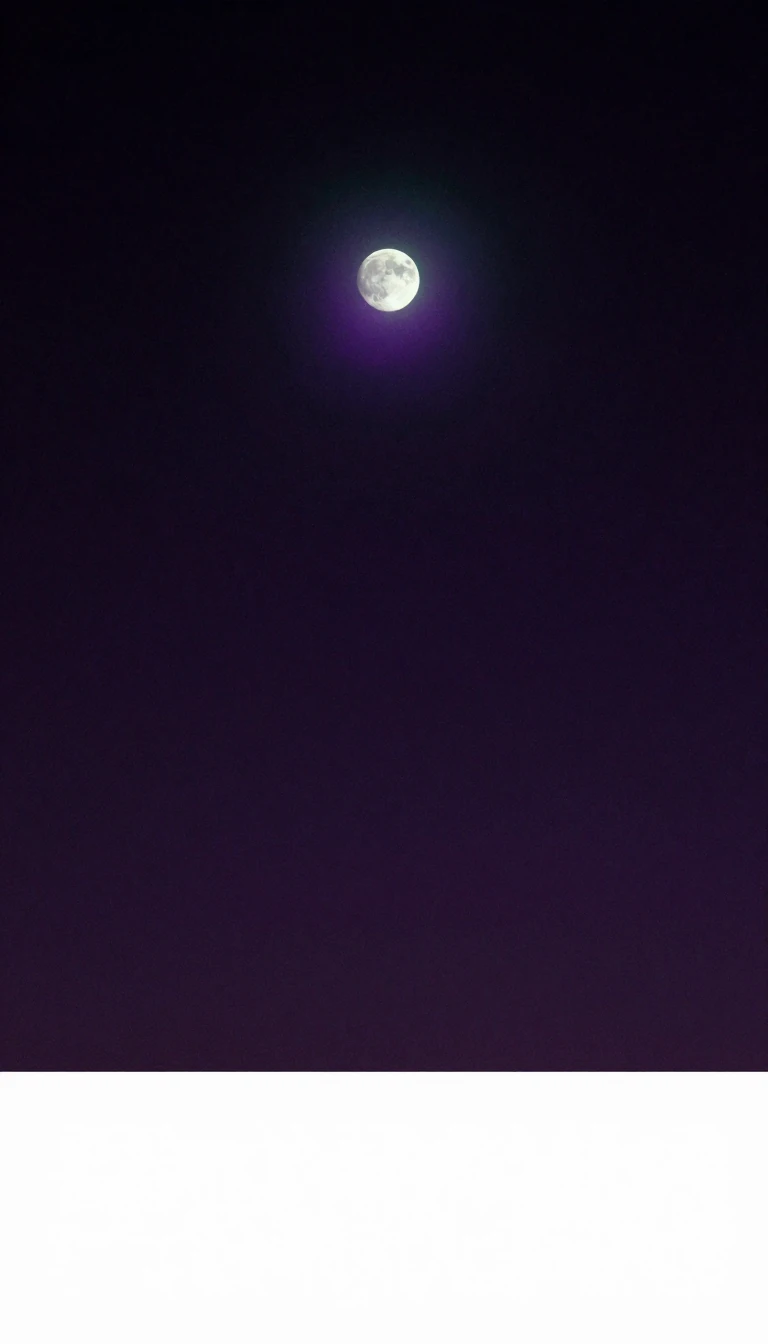
In short: Discovered in 1787, Oberon is the second-largest moon of Uranus and its most heavily cratered satellite. This distant world, named after the king of the fairies in Shakespeare's A Midsummer Night's Dream, offers a frozen, silent record of the early solar system, shaped by eons of cosmic collisions and internal evolution.
Oberon was discovered by the English astronomer William Herschel on January 11, 1787, the same day he identified Titania. Despite its size—a diameter of approximately 1,523 kilometers—it remained largely mysterious until the Voyager 2 spacecraft flew past the Uranian system in January 1986. This single encounter allowed scientists to map about 40 percent of the moon's surface, revealing a landscape dominated by ancient impact craters and evidence of past geological activity.
The moon is thought to be composed of roughly equal parts water ice and rocky material, potentially differentiated into a dense core and an icy mantle. Some researchers suggest a layer of liquid water might exist at the boundary between these layers. Its surface is notably dark and slightly reddish, marked by craters named after Shakespearean characters, such as Hamlet and Macbeth. Unlike its siblings, Oberon orbits partially outside Uranus’s magnetosphere, exposing it directly to the solar wind rather than the planet's co-rotating plasma.
Because Uranus orbits the Sun on its side, Oberon experiences extreme seasonal shifts. Its poles endure 42 years of continuous sunlight followed by 42 years of total darkness. This unique orientation, combined with its synchronous rotation—where one hemisphere always faces the planet—makes Oberon a fascinating case study in planetary dynamics. While it is the outermost of the five major moons, its heavily cratered terrain suggests it is one of the oldest satellites in the Uranian system, preserving a history of the early solar system that is still being deciphered.
Opens the Intellect+ feed with this card first. Swipe up for the next one.
Sources
- Summary by Intellect · source: Oberon | Moon, Uranus, Size, Surface, Craters, & Facts | Britannica
- Also: Oberon (moon)
To cite this card, link to https://intellectplus.co.uk/app/space-oberon-moon.
How we source, check and correct cards: Editorial standards.
General information, not professional advice. Spotted an error? Flag the card or see corrections and complaints.
Intellect Plus is a visual educational discovery platform for exploring fascinating facts and ideas. Brain Food, Not Brain Rot. What is Intellect Plus?
Related
More in Astronomical objects · More in Space · Latest · A–Z · All topics
