Why some galaxies defy the standard shape and turn into cosmic anomalies
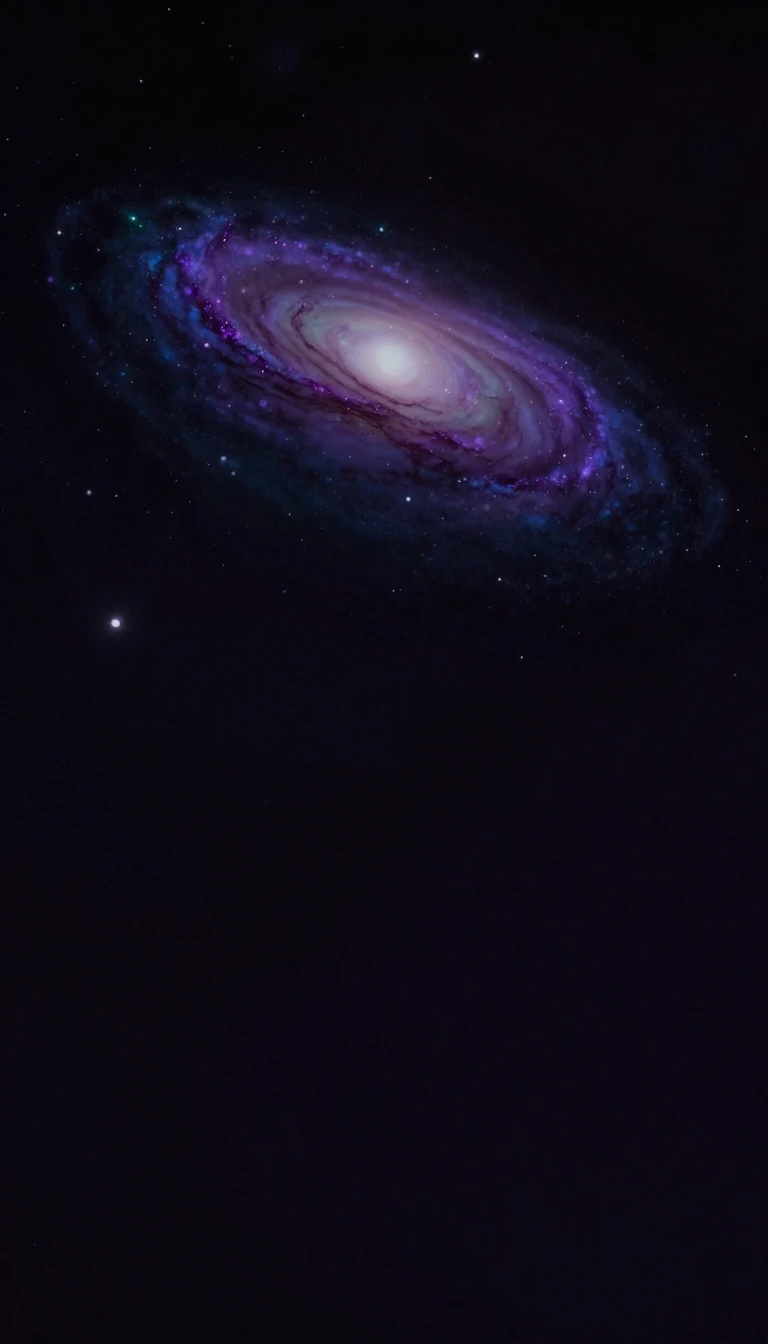
In short: Most galaxies follow predictable patterns, but five to ten percent are classified as peculiar. These cosmic outliers possess irregular shapes and unusual compositions, often resulting from violent gravitational encounters. By studying these deformed structures, astronomers gain a rare window into the chaotic processes that drive galactic evolution and star formation.
A peculiar galaxy is defined by its unusual size, shape, or composition, distinguishing it from the more orderly structures typically observed in the universe. Astronomers generally categorize these anomalies into two primary types: interacting galaxies and those featuring active galactic nuclei. While these categories were once distinct, they have become largely synonymous in modern research because the vast majority of peculiar galaxies owe their irregular forms to the intense gravitational forces exerted during close encounters between two or more galaxies.
The collision of galaxies is a primary driver of these transformations. When galaxies merge, the resulting gravitational turbulence often triggers starbursts—intense, rapid episodes of star formation. Furthermore, these merging systems are more likely to host active galactic nuclei, which are powered by supermassive black holes. The combination of this heightened luminosity and the rapid birth of new stars gives peculiar galaxies a distinctively bluer hue compared to their more stable counterparts. These features serve as markers of the violent history embedded within their structures.
The systematic study of these objects began in earnest with the 1966 publication of the Atlas of Peculiar Galaxies by Arp. He argued that the deformations and perturbations captured in his atlas were not merely random oddities but essential data points. By analyzing these visible distortions, researchers can infer the nature of distant, remote galaxies that are otherwise impossible to study through direct experimentation. Today, these galaxies are identified in catalogs by the addition of a 'p' or 'pec' suffix to their standard Hubble classification, marking them as objects that have been fundamentally altered by their environment.
Understanding these interactions is critical for building a broader model of galactic formation and evolution. Because peculiar galaxies represent a snapshot of galaxies in a state of flux, they provide a unique laboratory for observing the life cycle of stellar systems. By mapping how gravity reshapes these massive structures, scientists can better interpret the history of the cosmos and the mechanisms that dictate the long-term development of galaxies across the observable universe.
Opens the Intellect+ feed with this card first. Swipe up for the next one.
Sources
- Summary by Intellect · source: Peculiar galaxy
To cite this card, link to https://intellectplus.co.uk/app/space-peculiar-galaxy.
How we source, check and correct cards: Editorial standards.
General information, not professional advice. Spotted an error? Flag the card or see corrections and complaints.
Intellect Plus is a visual educational discovery platform for exploring fascinating facts and ideas. Brain Food, Not Brain Rot. What is Intellect Plus?
Related
More in Galactic and extragalactic astronomy · More in Space · Latest · A–Z · All topics
