Regulus is a spinning, gravity-darkened king that defies simple stellar physics
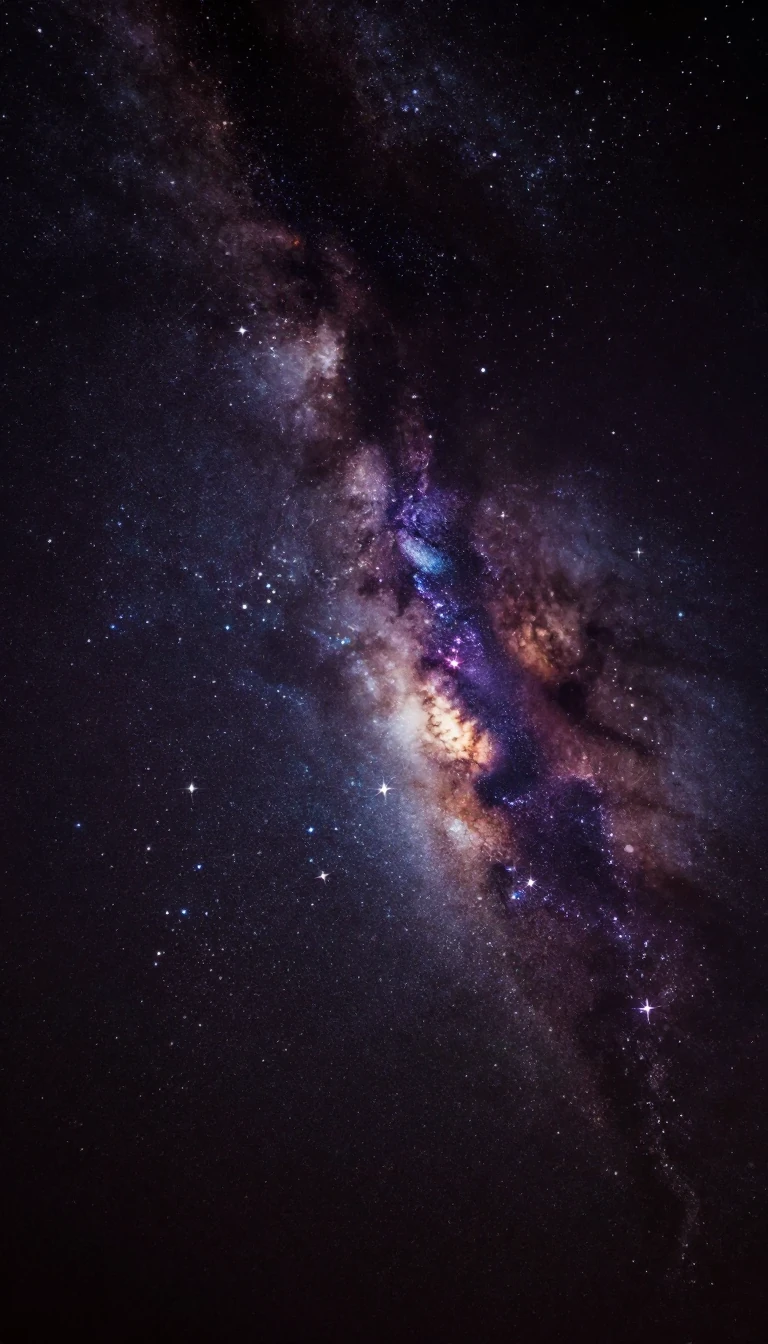
In short: Regulus, the heart of the constellation Leo, appears as a single bright point but hides a complex quadruple system. This star rotates so violently that it is nearly tearing itself apart, creating a distorted shape and extreme temperature differences between its poles and equator that challenge standard orbital models.
Regulus, or Alpha Leonis, sits about 79 light years away. While it looks like a solitary beacon, it is a quadruple system. The primary, Regulus A, is a spectroscopic binary featuring a blue-white subgiant and a companion—likely a white dwarf—that orbit every 40 days. This white dwarf suggests the system is at least 1 billion years old, a timeline that contradicts the younger age previously estimated for the primary star. Researchers believe this discrepancy stems from a history of mass transfer, where the primary star grew by consuming material from its partner.
The primary star is a marvel of extreme physics. With 4.15 times the mass of the Sun, it completes a full rotation in just 15.9 hours. This speed is 96.5% of the critical velocity required for the star to break apart. The resulting centrifugal force makes the star highly oblate, causing gravity darkening: the poles are significantly hotter and five times brighter than the equatorial regions. Because of this extreme distortion, the system does not follow simple two-body Keplerian orbits, as long-term perturbations affect its motion.
Beyond the main pair, the system includes Regulus BC, a distant binary located 5,000 astronomical units away. There is also a potential, loosely bound brown dwarf, SDSS J1007+1930, orbiting at a vast distance of roughly 12.6 light years. Regulus has long held cultural significance, appearing in ancient records as a royal figure. Babylonians knew it as Sharru, or 'the King,' and it was later identified as one of the four celestial pillars of the Persian monarchy. Today, it remains a critical reference point, sitting just 0.465 degrees from the ecliptic, which makes it a frequent target for lunar and planetary occultations.
Opens the Intellect+ feed with this card first. Swipe up for the next one.
Sources
- Summary by Intellect · source: Regulus
To cite this card, link to https://intellectplus.co.uk/app/space-regulus.
How we source, check and correct cards: Editorial standards.
General information, not professional advice. Spotted an error? Flag the card or see corrections and complaints.
Intellect Plus is a visual educational discovery platform for exploring fascinating facts and ideas. Brain Food, Not Brain Rot. What is Intellect Plus?
Related
More in Astronomical objects · More in Space · Latest · A–Z · All topics
