Deep within the Tarantula Nebula lies a nursery of the universe's most massive stars.
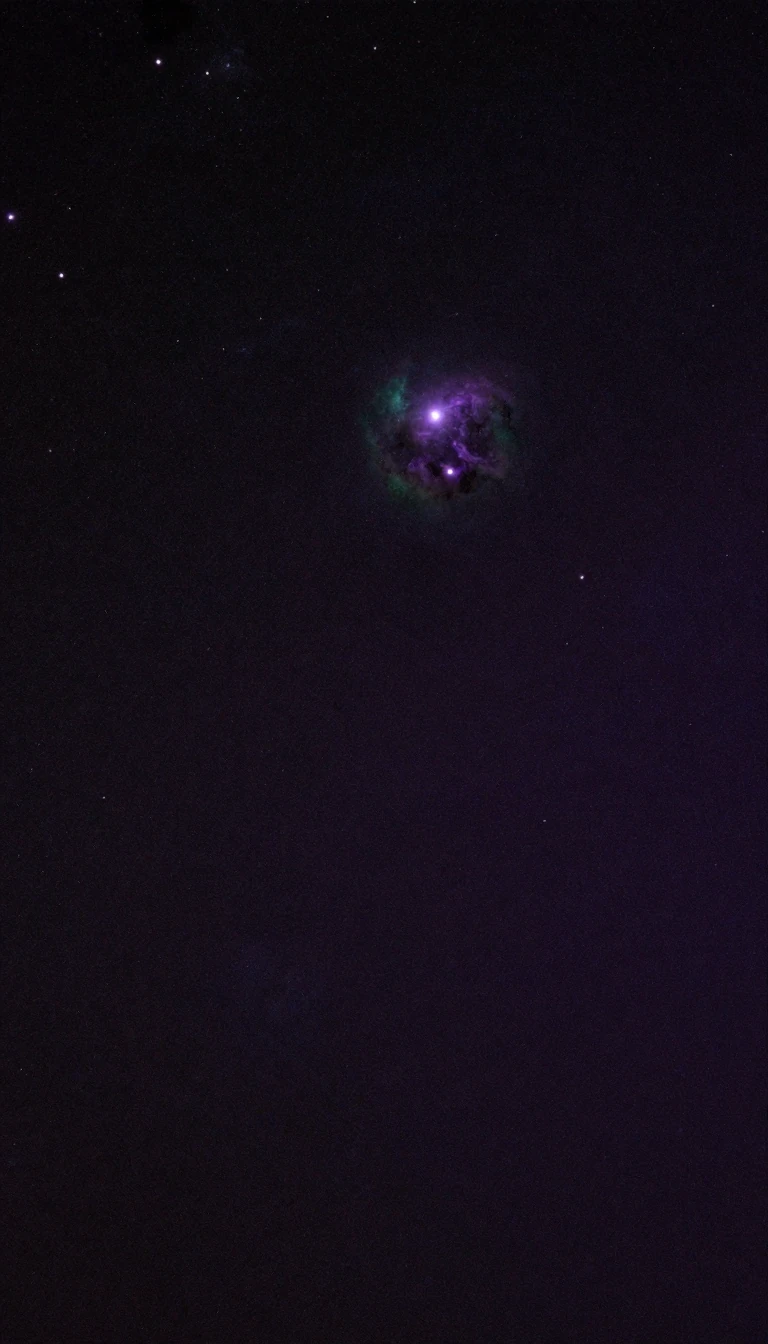
In short: Located 170,000 light-years away, the R136 star cluster is a powerhouse of cosmic activity. This dense, young region contains hundreds of brilliant blue stars, including some of the most massive ever detected. Astronomers using the Hubble Space Telescope have peered into its heart to uncover secrets of stellar evolution.
R136 serves as the central concentration of the NGC 2070 star cluster, nestled within the Tarantula Nebula in the Large Magellanic Cloud. This region is classified as a starburst area, characterized by an extreme density of young, luminous stars. While the entire cluster is vast, the central core is a tightly packed environment that produces the majority of the energy responsible for making the surrounding nebula visible to observers on Earth.
Using the Hubble Space Telescope, researchers conducted detailed spectroscopic and imaging studies of the cluster's most dense region. They identified nine distinct stars, each possessing a mass exceeding 100 times that of our sun. These findings highlight the unique nature of R136, which contains hundreds of young, blue stars that are among the most massive objects identified in the universe to date. The cluster is estimated to be less than 2 million years old, meaning its members are in the early stages of their life cycles.
The physical scale of this cluster is immense, with the central concentration spanning approximately 2 parsecs. Because of the extreme distance of 170,000 light-years, resolving individual stars in the core remains a significant challenge for modern technology. While astronomers have successfully cataloged numerous O-type and Wolf-Rayet stars within the central 5 parsecs, less massive stars in the core remain obscured. The total estimated mass of the cluster reaches 450,000 solar masses, leading some scientists to suggest that R136 may eventually evolve into a globular cluster. This ongoing research continues to refine our understanding of how massive stars form and influence their galactic neighborhoods.
Opens the Intellect+ feed with this card first. Swipe up for the next one.
Sources
- Summary by Intellect · source: Star Cluster R136 - NASA Science
- Also: R136
To cite this card, link to https://intellectplus.co.uk/app/space-r136.
How we source, check and correct cards: Editorial standards.
General information, not professional advice. Spotted an error? Flag the card or see corrections and complaints.
Intellect Plus is a visual educational discovery platform for exploring fascinating facts and ideas. Brain Food, Not Brain Rot. What is Intellect Plus?
Related
More in Astronomical objects · More in Space · Latest · A–Z · All topics
