Why astronomers are baffled by the erratic dimming of a distant, mysterious star
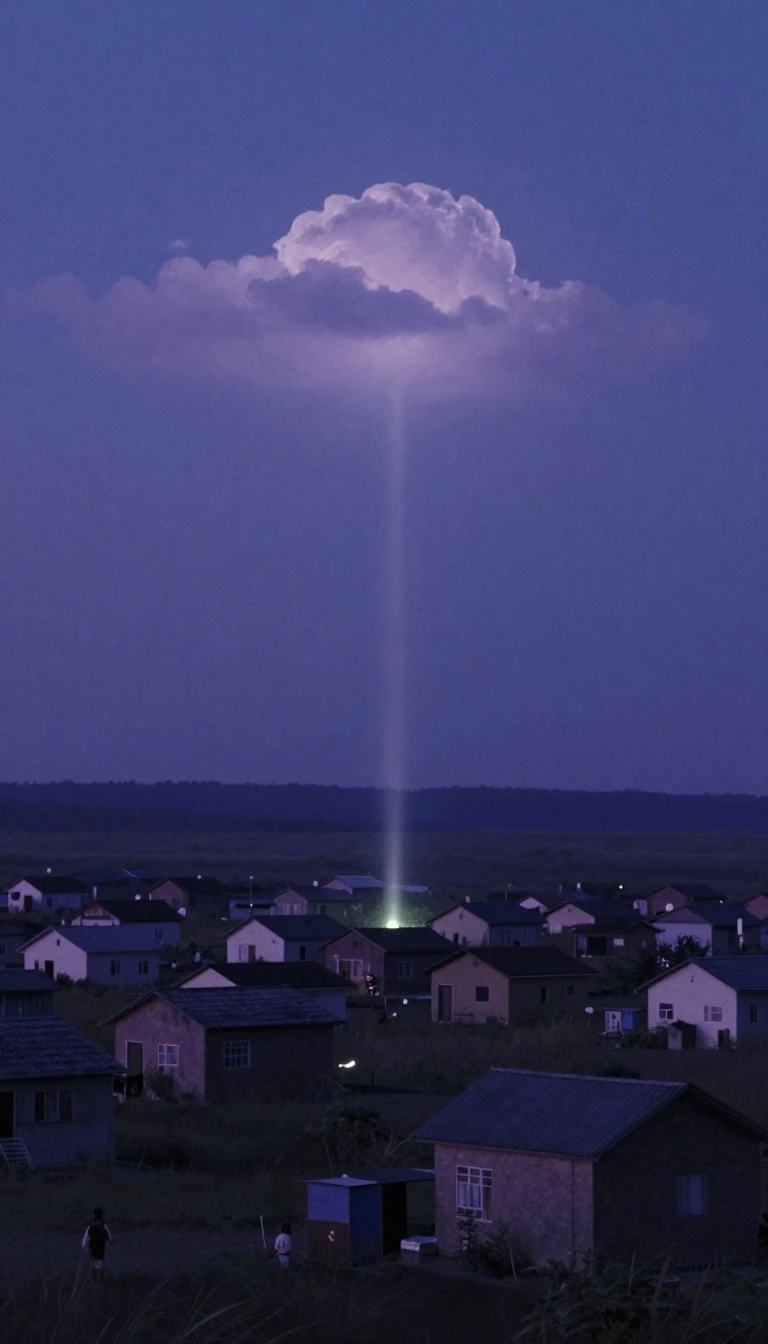
In short: Tabby's Star, located 1,470 light-years away, exhibits bizarre, irregular light fluctuations that defy standard astronomical models. While some once speculated about alien megastructures, researchers are now focused on more grounded, yet equally complex, explanations involving dust, disintegrating exomoons, and swarms of orbiting debris that periodically obscure the star's light.
Discovered by citizen scientists in the Planet Hunters project, Tabby's Star (KIC 8462852) first gained notoriety for massive, non-periodic dips in brightness, with some events obscuring up to 22% of its light. Unlike typical exoplanet transits, which produce predictable, shallow dips, these events are aperiodic and complex. The star, an F-type main-sequence object in the constellation Cygnus, has been the subject of intense global monitoring since its 2015 discovery, with astronomers even coordinating urgent, real-time observations during active dimming periods.
The search for a cause has spanned a wide range of hypotheses. Early speculation regarding an artificial megastructure—a concept popularized by astronomer Jason Wright—has been largely discounted by the scientific community. More recent research points toward natural phenomena. One prominent theory suggests the dimming is caused by fragments from a disrupted exomoon. Others propose that the star is surrounded by an uneven ring of microscopic dust or a cloud of disintegrating comets, potentially scattered into the inner system by the gravity of a confirmed red dwarf companion located 880 AU away.
The mystery is further complicated by conflicting data regarding the star's long-term behavior. Some studies of century-old photographic plates suggested a 20% decline in brightness over 100 years, a phenomenon that would be unprecedented for a star of this type. However, other researchers argue these findings are likely data artifacts resulting from equipment changes. As of 2024, no single hypothesis fully accounts for all observed light curves, leaving Tabby's Star as one of the most enigmatic objects in the night sky.
Opens the Intellect+ feed with this card first. Swipe up for the next one.
Sources
- Summary by Intellect · source: Tabby's Star
- Also: spark.iop.org — Tabby’s star
To cite this card, link to https://intellectplus.co.uk/app/space-tabby-s-star.
How we source, check and correct cards: Editorial standards.
General information, not professional advice. Spotted an error? Flag the card or see corrections and complaints.
Intellect Plus is a visual educational discovery platform for exploring fascinating facts and ideas. Brain Food, Not Brain Rot. What is Intellect Plus?
Related
More in Astronomical objects · More in Space · Latest · A–Z · All topics
