Why Earth's own atmosphere acts as a persistent filter for deep space observations
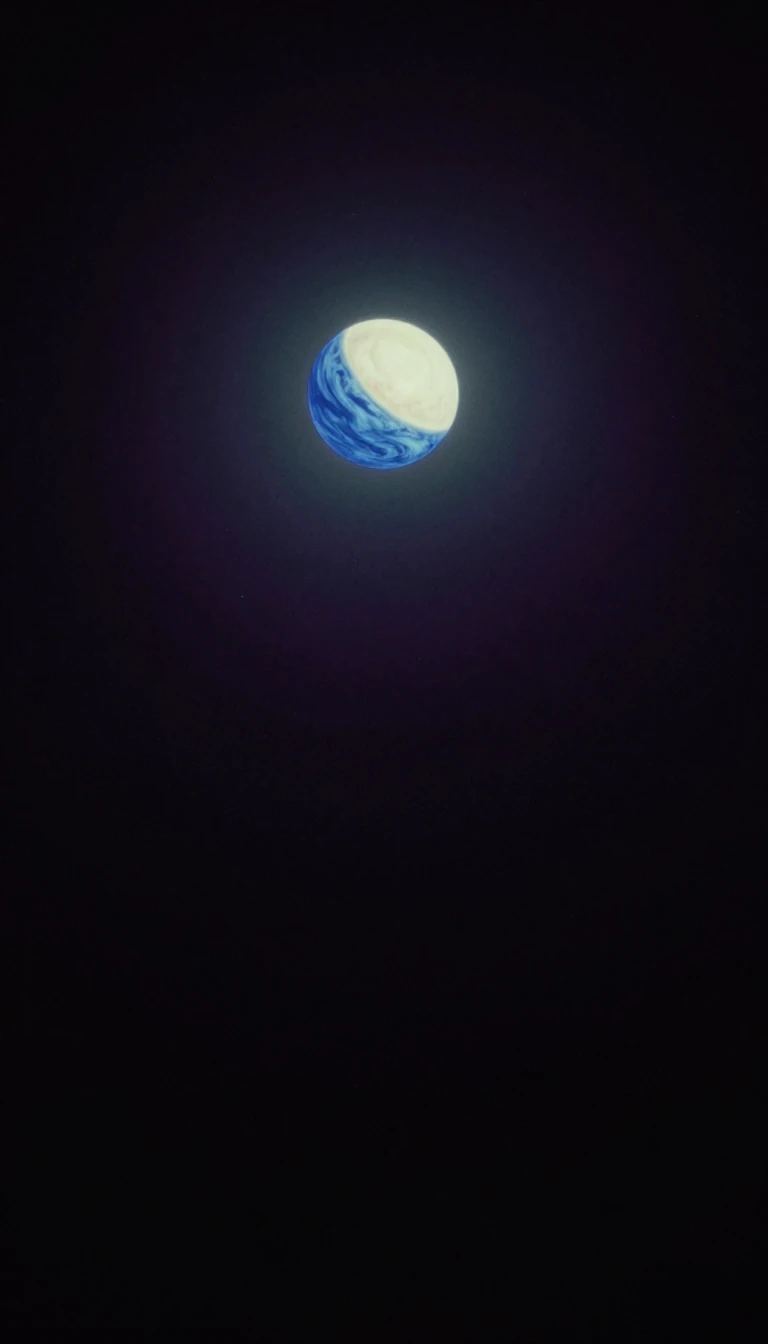
In short: When astronomers peer into the cosmos, they are not just looking through a window; they are looking through a veil. Earth's atmosphere constantly absorbs and emits its own light, creating telluric contamination. This interference obscures the data we collect from distant stars, forcing scientists to develop complex methods to see clearly.
At the heart of ground-based astronomy lies a fundamental challenge: the very air that sustains life on Earth acts as a significant obstacle to observing the universe. When telescopes capture photons from beyond our sky, those light particles must first traverse our atmosphere. Molecules within this layer, particularly water vapor and oxygen, absorb and emit their own electromagnetic radiation. This phenomenon, known as telluric contamination, is especially disruptive in the visible and near-infrared portions of the spectrum, where it can distort the light signals scientists rely on to understand distant celestial objects.
The consequences of this interference are far-reaching for precision science. Spectrographs, which analyze light by wavelength or frequency, are essential for determining the chemical composition, physical properties, and velocities of astronomical objects. Without accounting for telluric effects, the data gathered can contain significant errors. A notable historical example of this occurred with the Mount Wilson solar Doppler measurements, where water vapor contamination proved particularly problematic, as documented by Christopher S. Carter, Herschel B. Snodgrass, and Claia Bryja in their 1992 study published in Solar Physics.
To mitigate these issues, astronomers employ a correction process involving telluric correction functions. By comparing a model spectrum of a star against observations of a standard photometric star, researchers can create a mathematical function to adjust their primary data. While this technique effectively restores the intended spectral shape, it is not a perfect solution. Regions of the spectrum heavily impacted by atmospheric absorption often suffer from low photon counts, leaving the corrected data susceptible to high levels of noise. Consequently, while we can filter out the interference of our own planet, the process remains a delicate balance between clarity and the inherent limitations of our terrestrial vantage point.
Opens the Intellect+ feed with this card first. Swipe up for the next one.
Sources
- Summary by Intellect · source: Telluric contamination
To cite this card, link to https://intellectplus.co.uk/app/space-telluric-contamination.
How we source, check and correct cards: Editorial standards.
General information, not professional advice. Spotted an error? Flag the card or see corrections and complaints.
Intellect Plus is a visual educational discovery platform for exploring fascinating facts and ideas. Brain Food, Not Brain Rot. What is Intellect Plus?
Related
More in Observational astronomy · More in Space · Latest · A–Z · All topics
