From a wooden Norman fort to a luxury residence, Warwick Castle’s shifting identity.
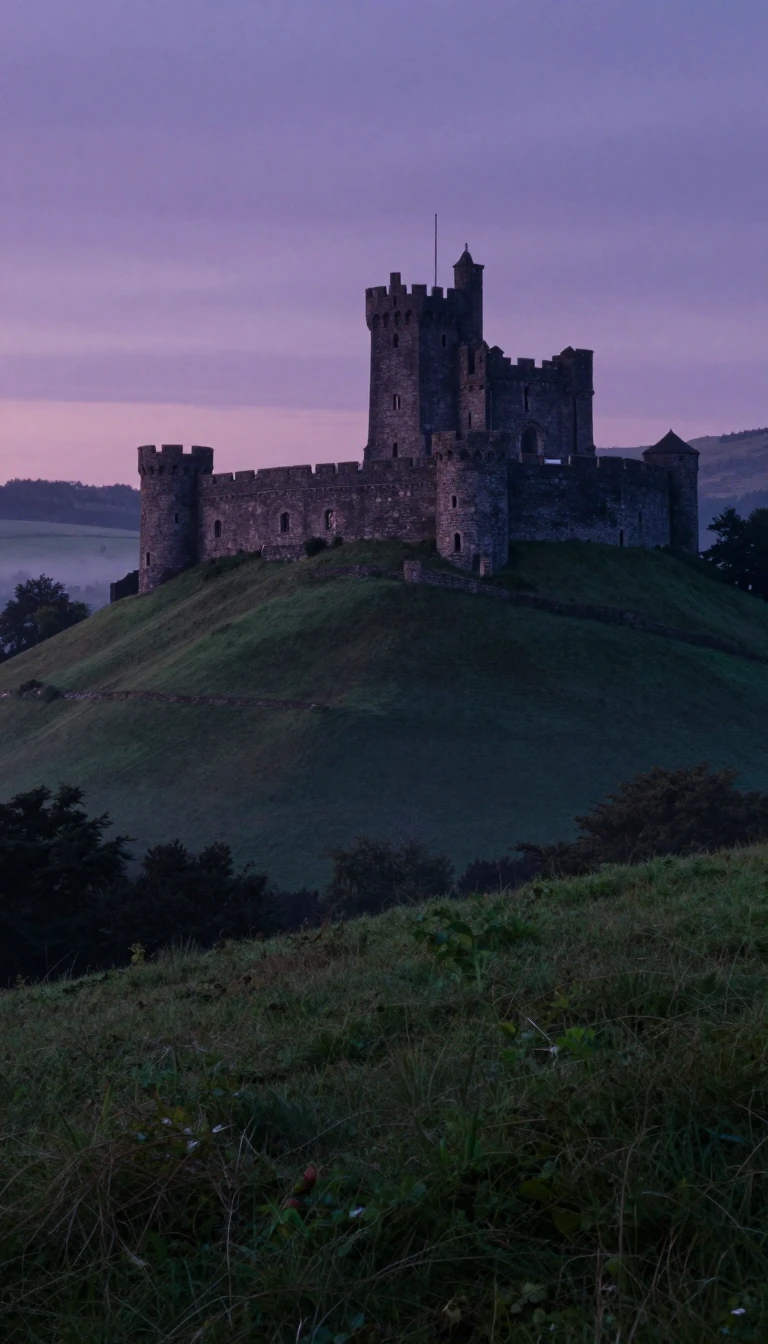
In short: Warwick Castle began as a strategic wooden motte-and-bailey fort built by William the Conqueror in 1068. Over centuries, it evolved from a military stronghold into a grand country house. Its history is a complex tapestry of royal intrigue, civil war sieges, and the changing architectural tastes of the English aristocracy.
Established in 1068 to secure the Midlands, Warwick Castle was initially a wooden structure that required the demolition of four houses belonging to the Abbot of Coventry. By the 12th century, the site was rebuilt in stone, featuring a shell keep. Its strategic value was immense; it dominated the River Avon and the Fosse Way, serving as a vital defensive point. During the 14th century, the Beauchamp earls significantly enhanced the castle's military architecture, adding the iconic Caesar’s and Guy’s Towers. These structures were not merely defensive; they were bold statements of power, with the river-facing facade designed more for prestige than for military utility.
The castle’s role shifted dramatically during the 17th century. After being granted to Sir Fulke Greville in 1604, the ruinous fortress was converted into a comfortable country house. Despite this transformation, the castle remained a focal point of conflict during the First English Civil War. In 1642, a Royalist force besieged the castle, but the garrison, commanded by Sir Edward Peyto, successfully held the site. Following the conflict, the castle transitioned into a period of domestic refinement. By the mid-18th century, Francis Greville, 8th Baron Brooke, commissioned Lancelot 'Capability' Brown to landscape the grounds, creating a 'natural' connection to the river that enchanted visitors like Horace Walpole.
The site’s evolution was not without criticism. When Francis Greville modernized the interiors, the poet Thomas Gray mocked the attempt to blend Gothic history with Georgian urban aesthetics, comparing the renovations to contemporary developments in London. By the late 20th century, the castle’s long association with the Greville family ended when it was sold to the Tussauds Group in 1978. Today, the site continues to operate as a major attraction, managed by Merlin Entertainments under a long-term lease, preserving a legacy that spans nearly a millennium of English history.
Opens the Intellect+ feed with this card first. Swipe up for the next one.
Sources
- Summary by Intellect · source: Warwick Castle
To cite this card, link to https://intellectplus.co.uk/app/wars-warwick-castle.
How we source, check and correct cards: Editorial standards.
General information, not professional advice. Spotted an error? Flag the card or see corrections and complaints.
Intellect Plus is a visual educational discovery platform for exploring fascinating facts and ideas. Brain Food, Not Brain Rot. What is Intellect Plus?
Related
More in Medieval wars · More in Wars & Conflicts · Latest · A–Z · All topics
