 Intellect Plus
Peoples & civilisations
1,467 cards. Each one is a 40-second story with a five-minute read behind it. Page 19 of 25.
 Why Canada’s provinces and territories are not just different names for the same thing.Canada is a federation of ten provinces and three territories, but they are fundamentally different legal creatures. While provinces derive their co-sovereign authority directly f…
 Is the United Kingdom still a Christian nation or a post-Christian society?Once a bastion of Christian identity, the United Kingdom has undergone a profound shift. With Christianity losing its majority status between 2010 and 2020, the nation now grapple…
 Is patriarchy a biological destiny or a social construct built over millennia?Patriarchy, the system where men hold primary authority, is often mistaken for a natural order. Yet, evidence suggests prehistoric societies were largely egalitarian. From the ris…
 New Zealand’s Prime Minister leads through unwritten custom rather than codified lawThe office of New Zealand’s prime minister is defined not by statute, but by centuries-old British constitutional conventions. From the Beehive in Wellington, the head of governme…
 How Marvel Studios Built a Shared Cinematic Universe from Comic Book RootsMarvel Studios transformed the superhero genre by weaving individual films into a single, interconnected narrative. By treating its cinematic output like a comic book series, the …
 The Mekong Delta is a biological treasure trove now facing an existential climate crisisSpanning over 40,500 square kilometers, the Mekong Delta is Vietnam's agricultural heartland. Yet, this low-lying region is rapidly shifting from a land-building powerhouse to an …
 The Moro people: A centuries-long struggle for identity in the southern PhilippinesThe Moro are the 13 Muslim-majority ethnolinguistic groups native to Mindanao, Sulu, and Palawan. Once independent under powerful sultanates, they have spent centuries resisting c…
 A remote Pacific island transformed from a brutal penal colony into a unique cultural enclave.Norfolk Island, a tiny volcanic territory in the Pacific, has endured a turbulent history. Once a 13th-century Polynesian settlement, it later served as a notorious British prison…
 Defining Northern Europe: A Region Shaped by Glaciers, Language, and Shifting BordersNorthern Europe defies a single definition. Depending on whether you consult the United Nations, the CIA, or botanical databases, the region’s borders expand and contract. From th…
- The French aristocrat who became the indispensable bridge between two revolutionary nationsLafayette was a teenage orphan and wealthy French noble who defied his king to fight for American independence. He became a surrogate son to George Washington, a key architect of …
 Toowoomba: A city defined by its mysterious name and a violent colonial past.Perched on the Great Dividing Range, Toowoomba is Australia’s second-largest inland city. While today it is celebrated as a garden capital, its origins are rooted in a brutal fron…
- The vast, volcanic archipelago that pioneered the world’s first long-distance maritime trade networks.Spanning over 25,000 islands, Maritime Southeast Asia is a biodiversity hotspot and the ancestral home of the Austronesian peoples. Long before European explorers arrived, these m…
 The Arctic berry that grows on clouds and appears on national currencyKnown as the gold of the north, the cloudberry is a resilient, circumpolar plant that thrives in harsh tundra and bogs. While it remains stubbornly wild and uncultivated, this amb…
 How Australia's Seven Network evolved from independent local stations into a national media powerhouse.Born in the 1950s as a fragmented collection of local VHF stations, the Seven Network navigated decades of corporate takeovers, media magnate rivalries, and technological shifts. …
 Why this Australian regional hub once vied to become the nation's capital cityStraddling the Murrumbidgee River, Wagga Wagga is a major agricultural and military centre in New South Wales. Once a contender for the national capital due to its strategic locat…
- How a rejected satellite contract birthed India's first private television networkIn 1991, Subhash Chandra was the last man willing to pay for a satellite transponder that no one else wanted. By gathering funds from friends, he launched Zee TV, transforming Ind…
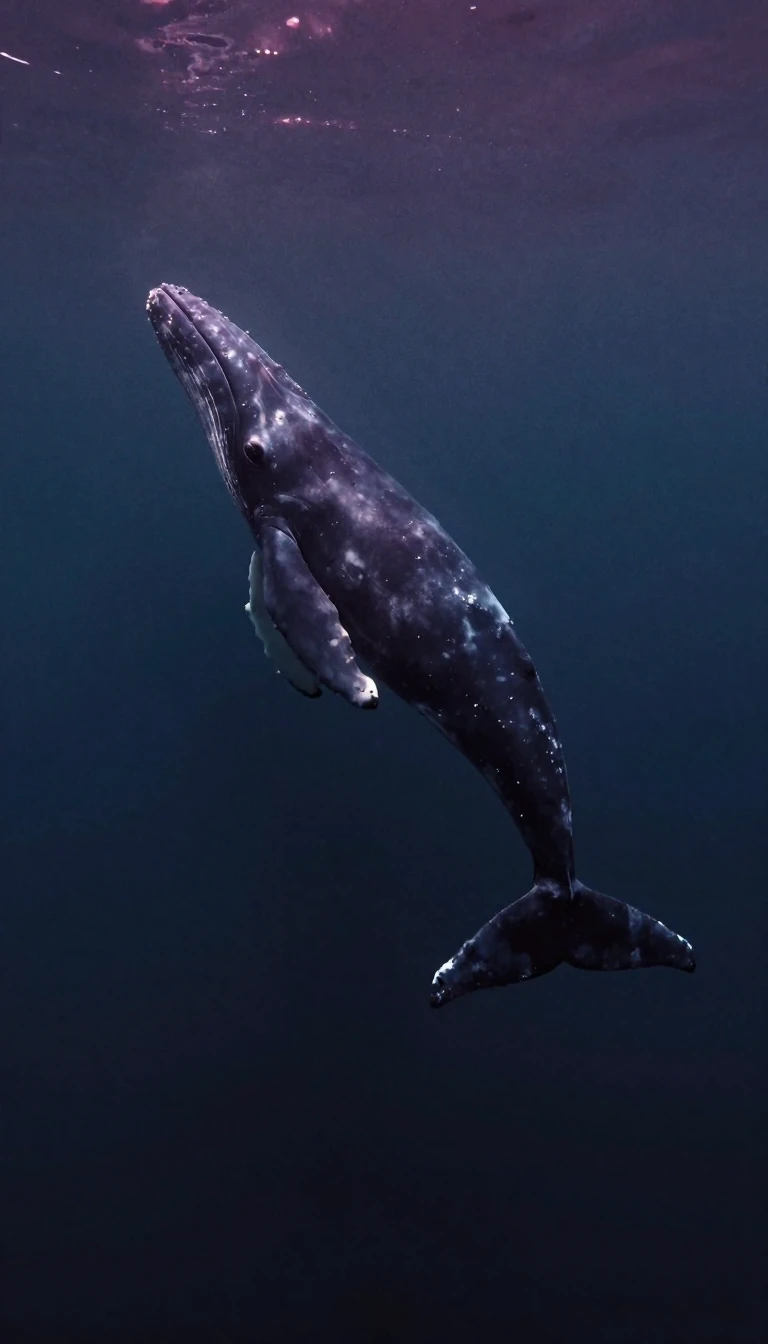 Marine mammals are a diverse, informal group unified only by their reliance on the ocean.From the massive blue whale to the tool-using sea otter, marine mammals are not a single biological family. Instead, they are an eclectic collection of 129 species that evolved in…
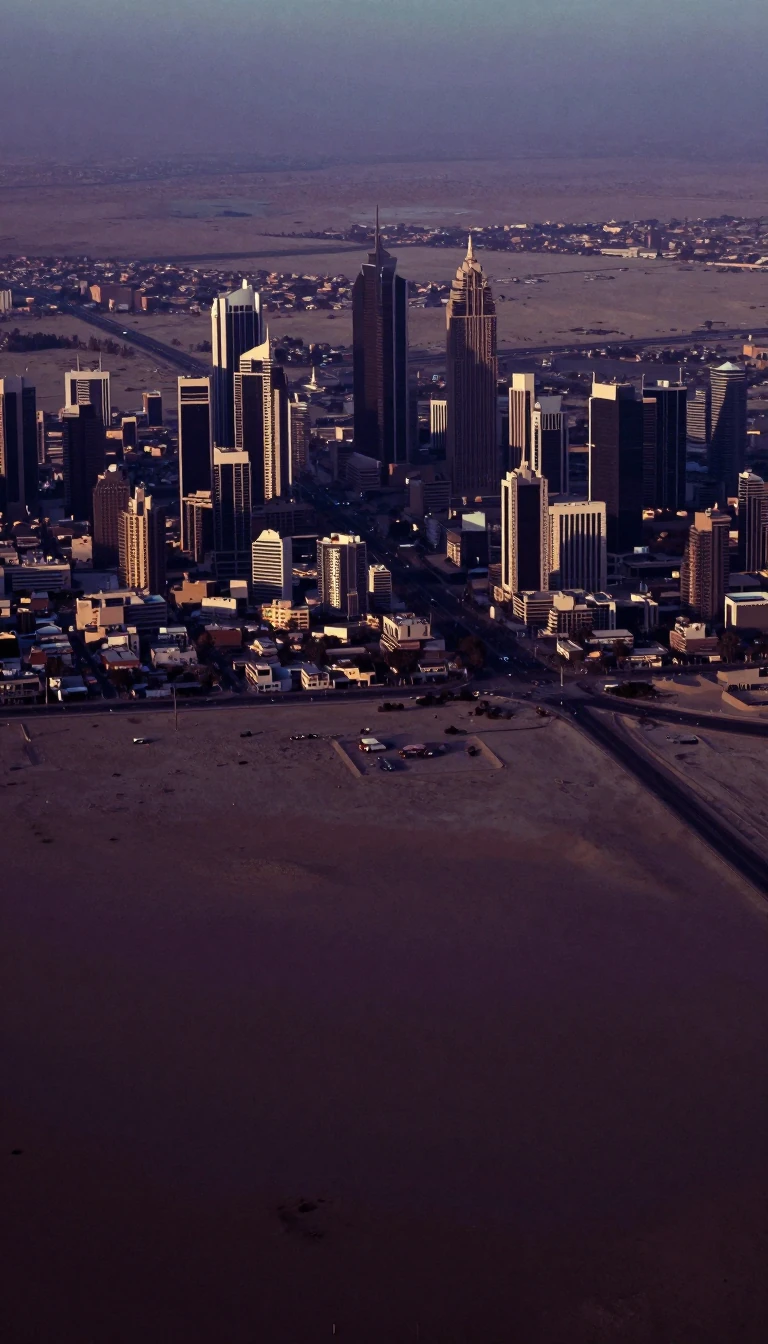 Australia's longest-lived mining city was founded on a hill that no longer existsBroken Hill, a remote outback city, owes its existence to a massive silver, lead, and zinc deposit discovered in 1883. The jagged ridge that gave the town its name was entirely ex…
 Was Denmark's King Frederick II a drunken brute or a misunderstood, intelligent Renaissance monarch?History often paints Frederick II of Denmark as an unlettered, inebriated sot, overshadowed by his famous son. Yet, this portrait is fundamentally flawed. Far from a brutish figur…
 The Indian diaspora is the world's largest, with 35.4 million people living abroad today.Spanning from ancient merchant networks in Central Asia to the massive waves of indentured laborers under British colonial rule, the Indian diaspora is a global force. Today, 2.5 …
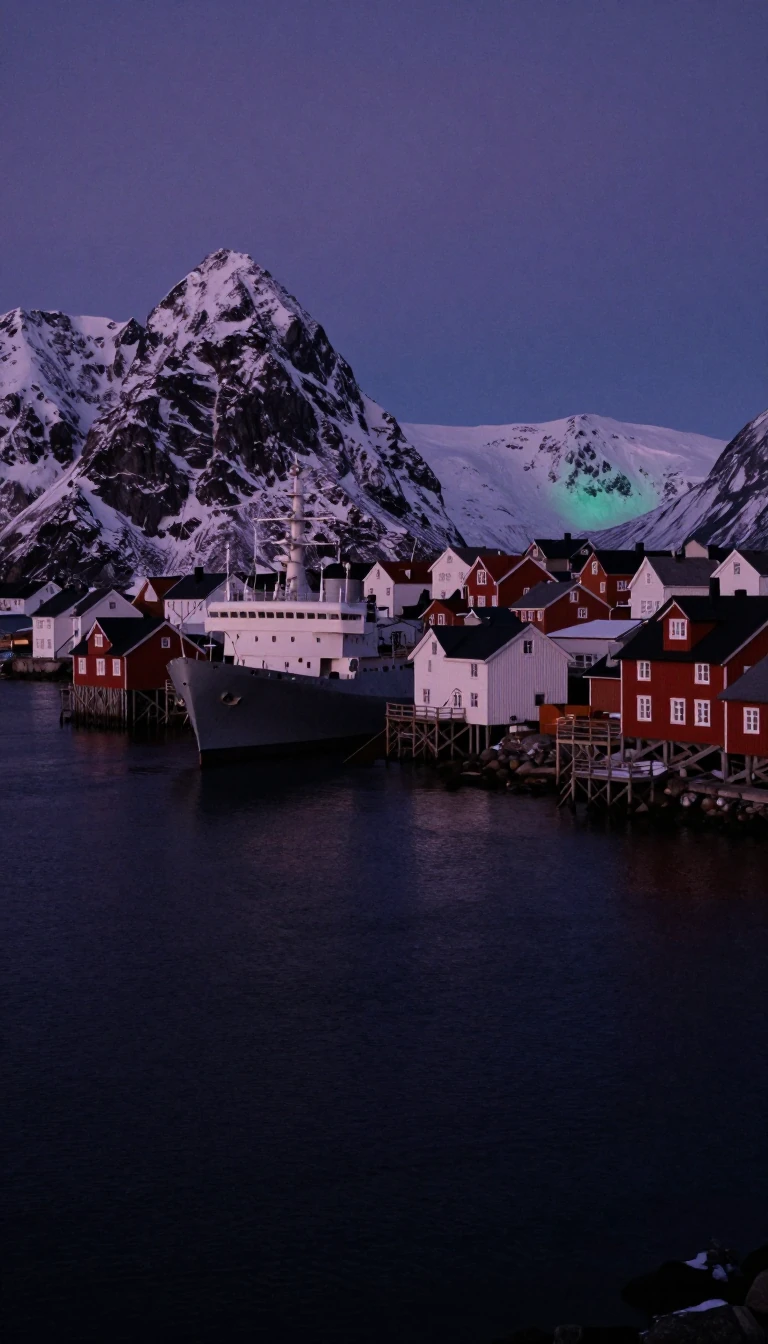 From a 1733 squadron to a nuclear-powered Arctic powerhouse, the Northern Fleet's evolution.The Russian Northern Fleet is not merely a naval unit; it is a strategic entity that has defined Russia's Arctic presence for centuries. From its humble 18th-century origins prote…
 Desi: How a Sanskrit word for 'country' became a global identity for millionsTracing its roots to ancient Sanskrit, the term Desi has evolved from a regional descriptor into a powerful, contested identity for the South Asian diaspora. Whether used to recla…
- The borderlands of Karelia: a landscape reshaped by centuries of conflictOnce a unified cultural region, Karelia is now a fractured territory split between Finland and Russia. From the 1323 Treaty of Nöteborg to the brutal Winter War of 1939, shifting …
 The Low Countries: A shifting coastal region that redefined European trade and political identitySpanning the Rhine-Meuse-Scheldt delta, the Low Countries evolved from a collection of medieval trading hubs into the modern Benelux union. This region, defined by its struggle ag…
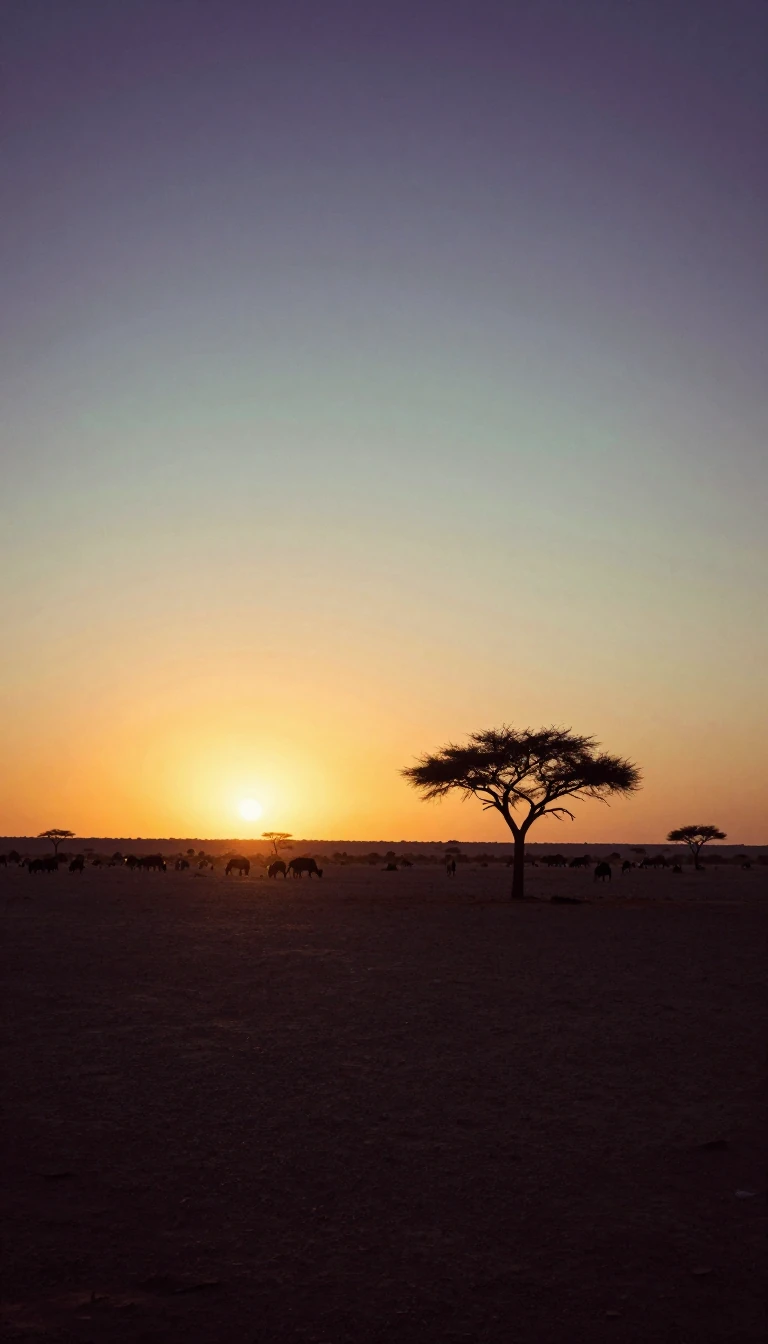 How a Nilotic migration transformed the social and political landscape of East AfricaThe Luo people, East Africa's fourth-largest ethnic group, emerged from a centuries-long migration from South Sudan. By blending Nilotic traditions with local Bantu cultures, they…
- The name Lusitania refers to both an ancient Roman province and a tragic ocean liner.The term Lusitania carries two distinct historical weights. It identifies a vast Roman province that once spanned modern Portugal and western Spain, and it marks the infamous Brit…
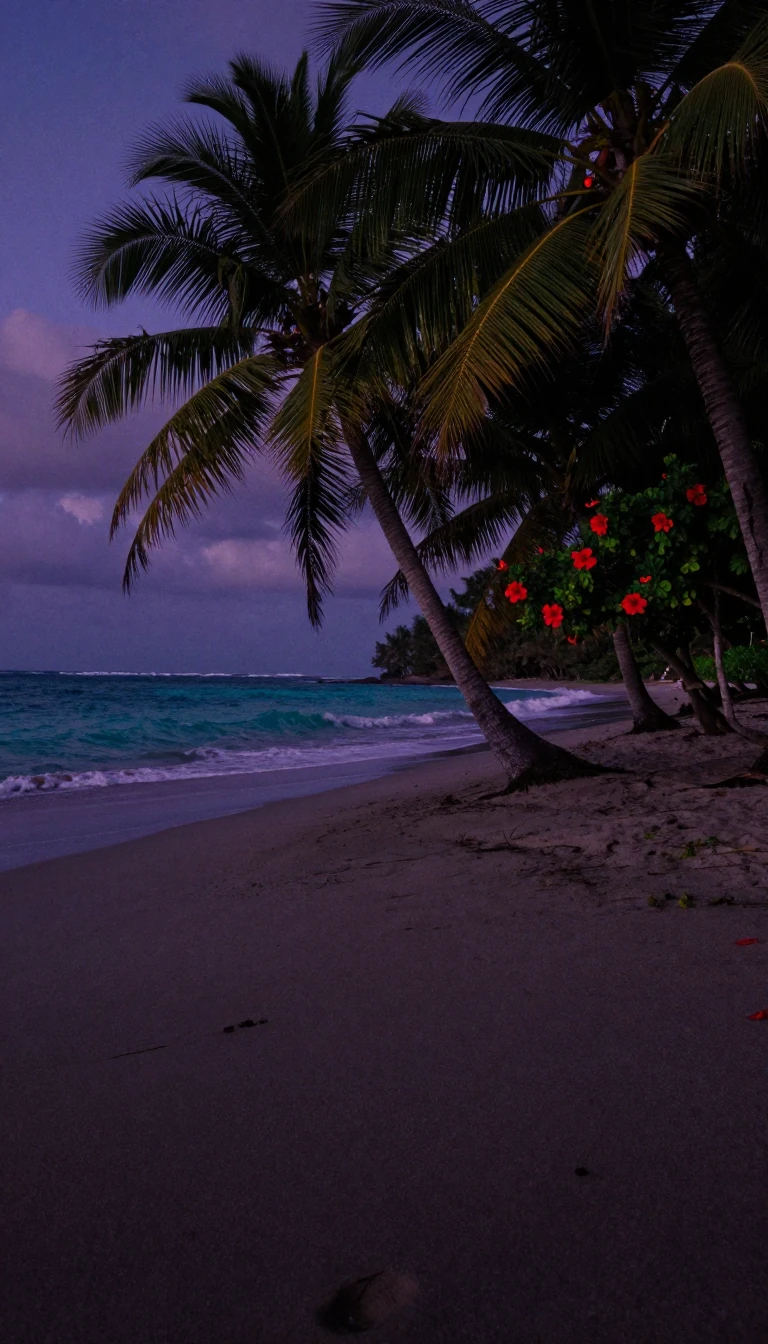 What defines a Pacific Island? The answer depends on who you askThe term Pacific Islands is a shifting label, not a fixed geography. Depending on whether you consult a biologist, a politician, or a historian, the region can include everything …
- The Philippines is an archipelago of over 7,600 islands, yet most remain unnamed.With more than 7,600 islands, the Philippines is a vast, complex archipelago. While Luzon, the Visayas, and Mindanao form the primary clusters, thousands of smaller landmasses rem…
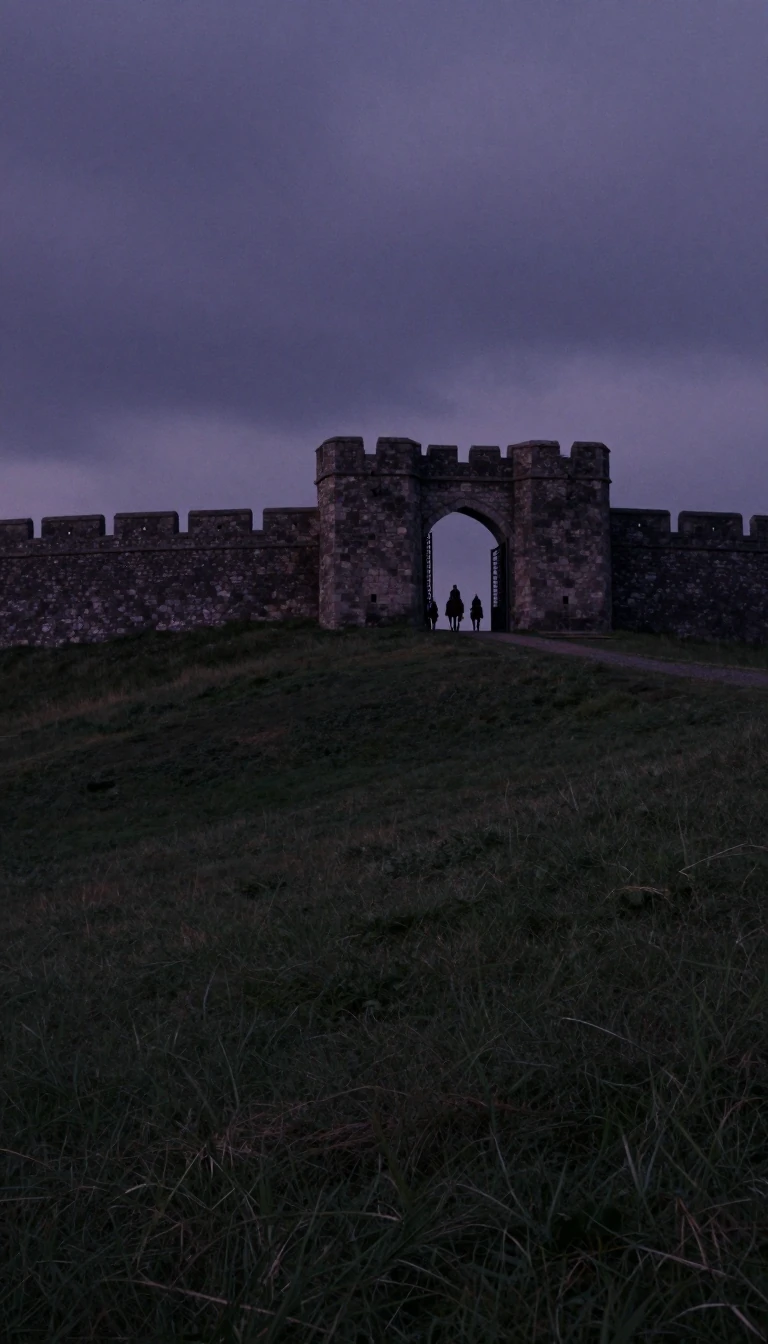 The Lost Brittonic Kingdom That Shaped the Borders of Medieval Scotland and EnglandBefore Scotland was a unified nation, the Kingdom of Strathclyde stood as a resilient Brittonic power in the north. From its stronghold at Dumbarton Rock to its eventual absorptio…
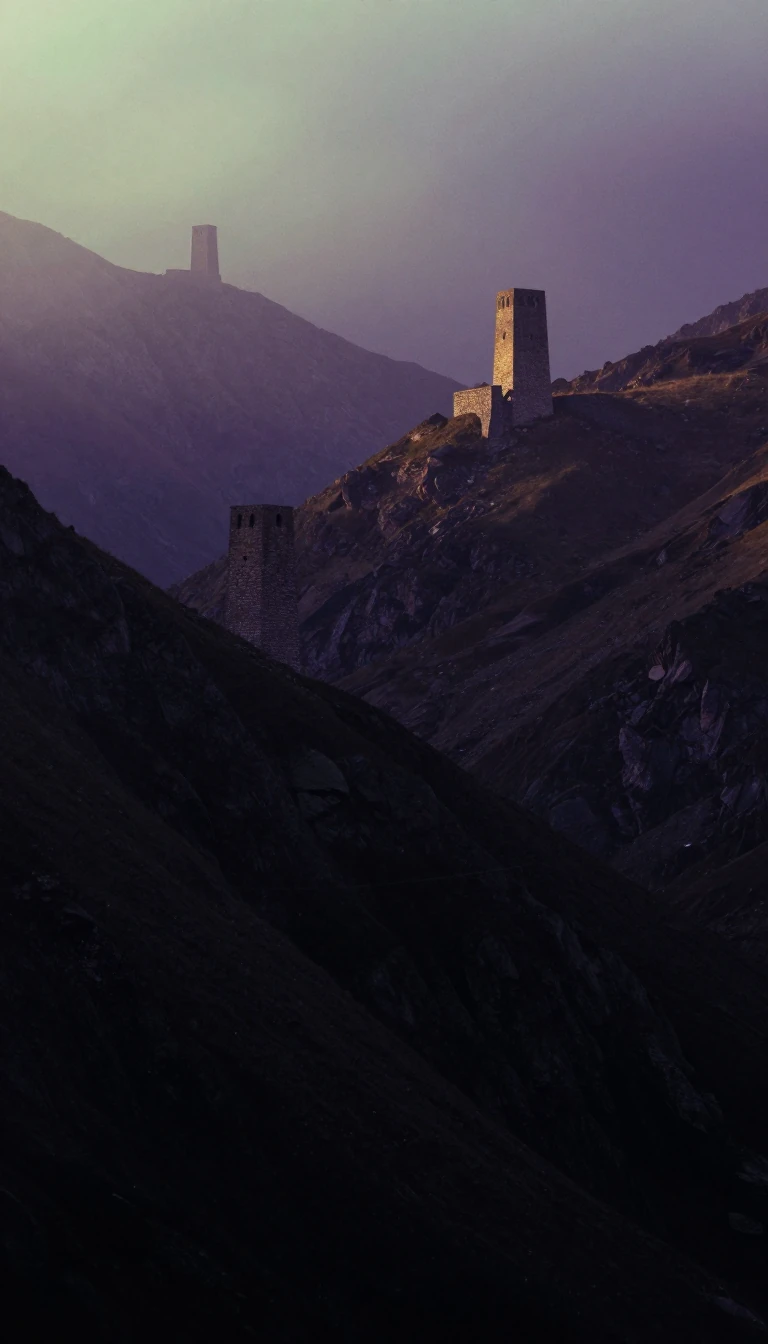 The Lezgins: An Ancient Caucasian People Defined by Their Eagle Totem and IndependenceStraddling the border of Russia and Azerbaijan, the Lezgins are a Northeast Caucasian ethnic group with a history of fierce autonomy. Their culture, centered on the eagle as a nat…
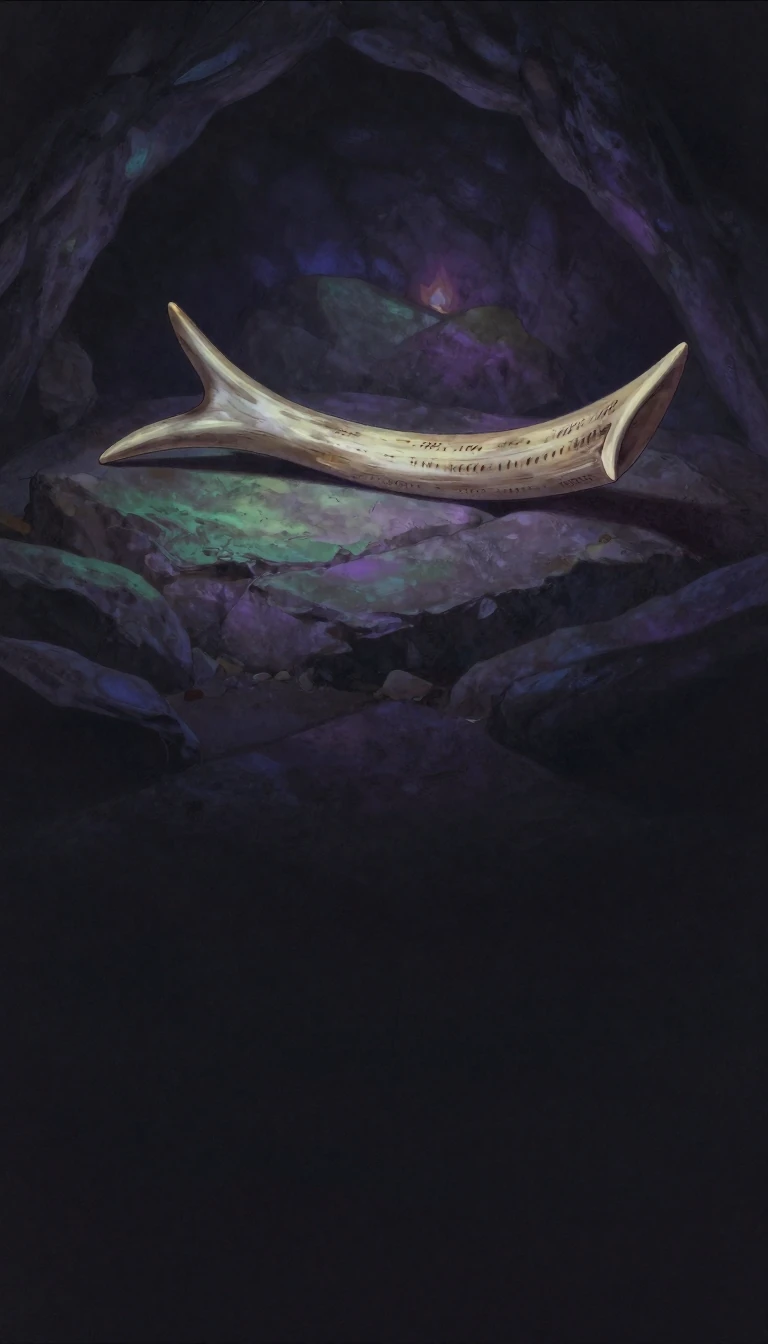 Is Khoisan a unified culture, or a convenient label for diverse, ancient human lineages?The term Khoisan is a modern anthropological convention, not an ancient ethnic identity. It groups together distinct populations—the pastoralist Khoekhoe and the foraging Sān—who …
 The Kingdom of Alba was a medieval powerhouse that redefined the Scottish identitySpanning from 900 to 1286, the Kingdom of Alba was far more than a precursor to modern Scotland. It was a complex, evolving state that navigated Viking raids, internal dynastic bl…
- How a rejected animation project became a modern Christmas classic through traditional hand-drawn craft.Director Sergio Pablos spent years shopping his Santa Claus origin story to studios that deemed it too risky. By returning to traditional animation techniques and leveraging propr…
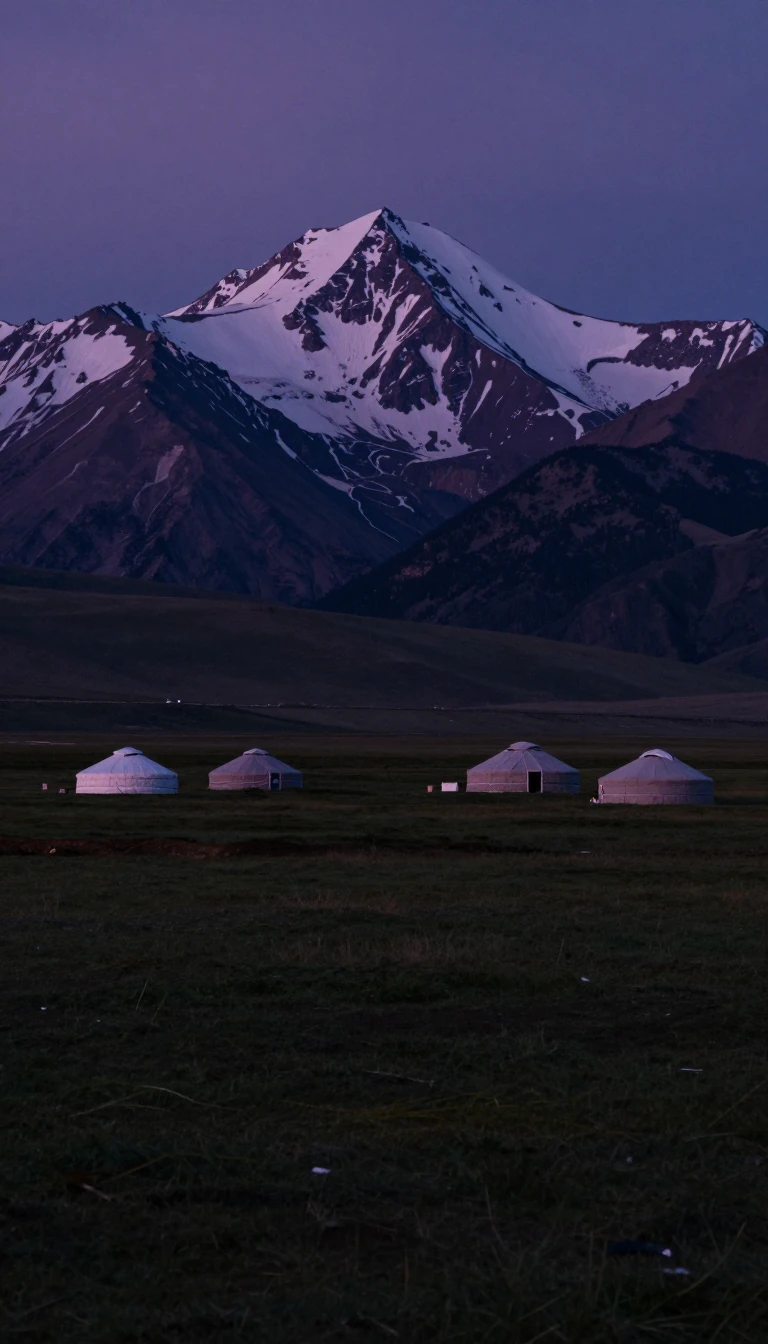 The Kyrgyz people are a complex mosaic of ancient tribes and shifting genetic legacies.Tracing their origins back to 201 BC, the Kyrgyz are a Turkic people whose identity has been shaped by centuries of migration, imperial dominance, and syncretic belief. From the Y…
 What happens when a language has no known relatives in the entire world?A language isolate is a linguistic orphan, a tongue with no demonstrable genealogical connection to any other. While some are ancient relics like Sumerian, others are modern pheno…
 The myth of the suicidal lemming was manufactured by a film crew in 1958.Lemmings do not commit mass suicide. This persistent cultural trope, which suggests these Arctic rodents blindly follow one another to their deaths, is a fabrication. The infamous…
 From elite diplomat to prime minister: the complex ascent of Jonas Gahr StøreJonas Gahr Støre rose from a privileged background to lead Norway as prime minister. A former foreign minister and protégé of Gro Harlem Brundtland, he navigated high-stakes inter…
 The deep genetic roots connecting Siberian indigenous peoples to the AmericasSiberia is far more than a vast Russian expanse. It is home to diverse indigenous groups whose ancient lineages hold the key to understanding the peopling of the Americas. From th…
- The Magyars: A nomadic confederation that transformed from European raiders into a settled nation.Hungarians, or Magyars, emerged from the Eurasian steppe as a tribal alliance before settling in the Carpathian Basin. Once feared across the continent for their swift, devastatin…
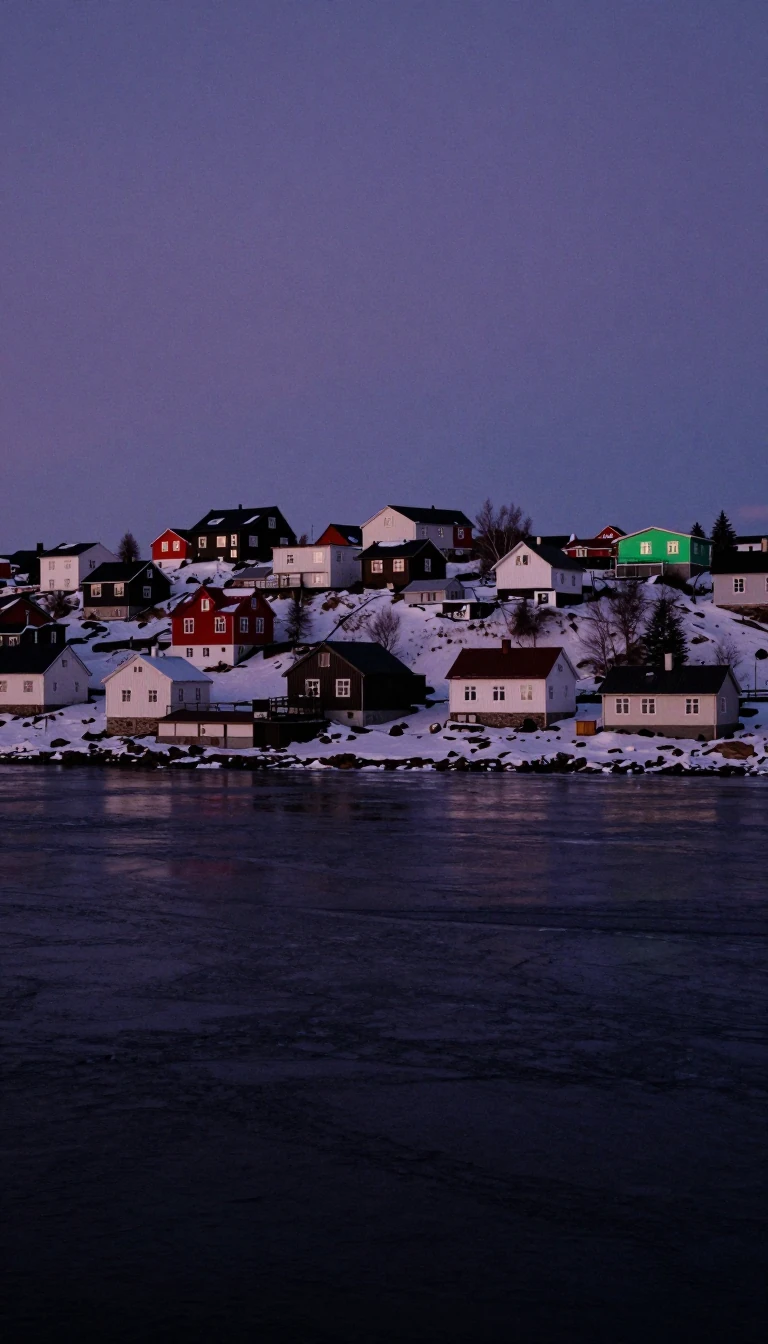 The Iñupiat: Real People Navigating the Arctic's Changing Landscape and Ancient TraditionsThe Iñupiat are the real people of Alaska's northernmost regions, with a heritage rooted in the Thule culture. Today, they balance deep-seated traditions like subsistence whaling …
 Why Islam reveres Jesus as a prophet while rejecting his divinity and crucifixionIn Islamic tradition, Jesus is not the Son of God, but a revered prophet and the Messiah. While the Quran affirms his virgin birth and miraculous powers, it explicitly denies his …
 How a satirical comedy about a Hitler Youth member became a critical darlingTaika Waititi’s Jojo Rabbit uses a child’s perspective to navigate the horrors of Nazi Germany. By blending slapstick humor with the gravity of war, the film challenges traditiona…
 Irish republicanism: A centuries-old quest for sovereignty, from secret societies to modern governanceIrish republicanism is a complex political movement seeking an independent Irish state free from British rule. Its history spans centuries, evolving from early exile-led conspirac…
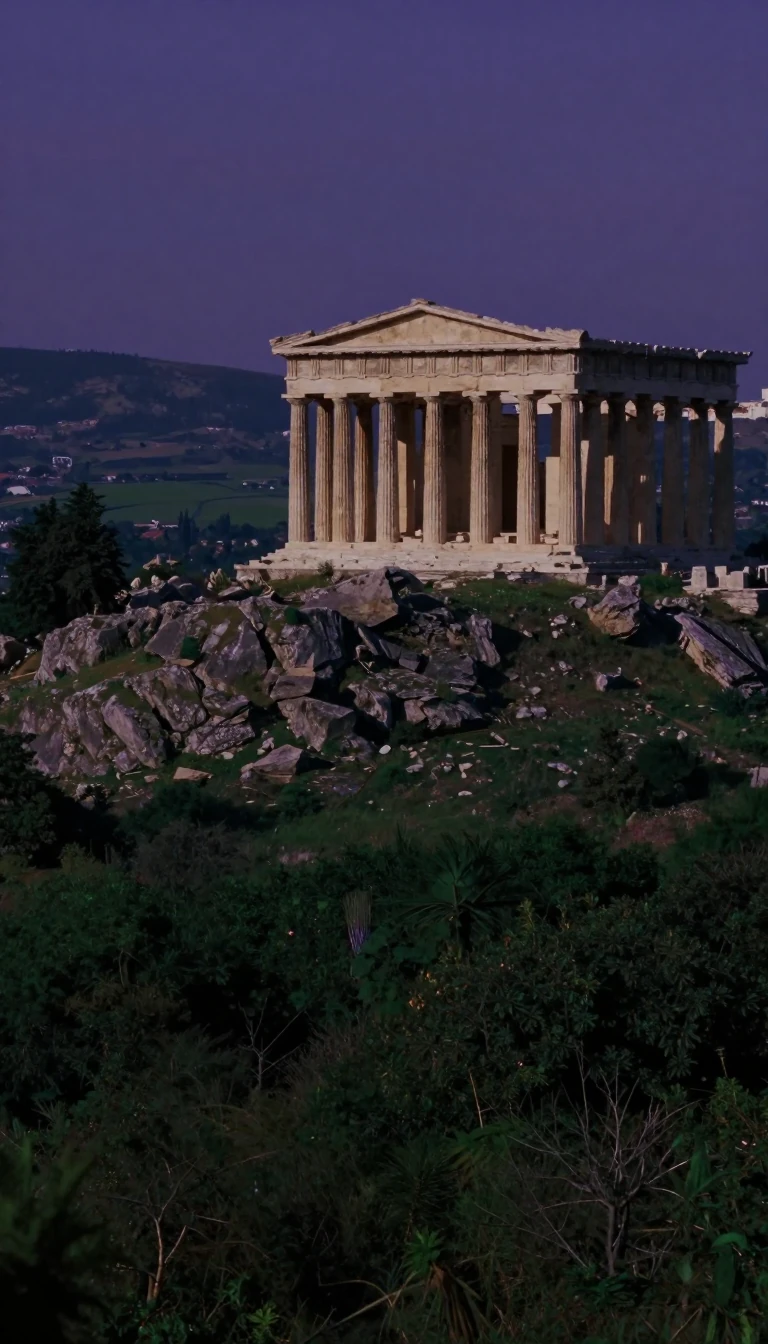 How a single silver vein helped forge the foundations of Western civilizationIn 483 BC, a discovery in the Laurion mountains changed history. The sudden wealth from silver ore funded the warships that would later defend Greek independence, fueling a golden…
- How a Young Republican Became the First Woman to Lead a Major Party TicketHillary Clinton’s path to political prominence began in a conservative Chicago suburb, far from the Democratic platform she would eventually define. From her early days as a Goldw…
- The harbor seal is a master of underwater survival with a surprising vocal talent.Found across the Northern Hemisphere, the harbor seal is a resilient marine mammal that thrives in coastal waters. Beyond its iconic appearance, this creature possesses remarkable…
 The harp seal is an ice-dependent nomad that survives on a high-fat dietThese earless seals are masters of the Arctic, relying on seasonal pack ice to breed and raise their young. With a unique ability to delay pregnancy and a rapid nursing cycle, the…
 How a small riverside town became the architect of the Western worldRome began as a modest settlement on the Tiber, yet it grew to dominate the Mediterranean through a unique capacity for assimilation. Unlike other ancient powers that excluded out…
- The Gagauz are a Turkic-speaking, Eastern Orthodox Christian people with an identity mystery.Living primarily in southern Moldova, the Gagauz are an ethnic group whose origins remain deeply contested. While they speak an Oghuz Turkic language, their genetic profile is dis…
 Greenlandic is a polysynthetic language where a single word can function as a sentence.Greenlandic, or Kalaallisut, is the largest Eskaleut language, spoken by about 57,000 people. As a polysynthetic language, it builds meaning by stringing together roots and hundre…
 Was Hispania the Land of Rabbits or a Farthest Western Frontier?The Roman name for the Iberian Peninsula remains an etymological mystery. While ancient writers and later scholars proposed everything from a land of rabbits to a Basque word for …
 Was the Holy Roman Empire truly holy, Roman, or even an empire at all?For over a millennium, the title of Holy Roman Emperor stood as the pinnacle of European prestige. Yet, this office was neither a continuous state nor a simple monarchy. It was a …
 How a Scottish dream in the South Pacific became a gold-fueled Victorian powerhouse.Dunedin was born from a 19th-century vision to recreate Edinburgh in New Zealand. While its steep streets and grand architecture recall its Scottish roots, the city’s rapid rise t…
- Fens are the hidden, mineral-rich engines of global biodiversity and carbon storageOften confused with bogs, fens are distinct, peat-accumulating wetlands powered by mineral-rich groundwater. These complex ecosystems act as vital nutrient sinks and biodiversity …
 Is the film director a creative visionary or a manager of industrial chaos?The film director is the central architect of a movie, balancing artistic vision against the rigid constraints of budgets, studio demands, and clashing egos. Often described as so…
 How a pink newspaper became the world's most influential guide to global businessThe Financial Times is instantly recognizable by its salmon-colored pages, but its history is defined by more than just aesthetics. Born from a 1945 merger of two rival publicatio…
 How a failed villain and a sisterly bond saved Disney's Frozen from development hellFrozen was nearly a traditional fairy tale where Elsa was a villain and the plot felt disconnected. It only became a global phenomenon after a last-minute pivot to focus on the em…
 How Linguists Reconstruct the Lost Ancestor of Almost Every Language You SpeakHistorical linguists use the comparative method to trace modern languages back to Proto-Indo-European, a common ancestor spoken about 6,000 years ago. By identifying exceptionless…
 The full breakfast is a Victorian invention that evolved from aristocratic excess to working-class staple.Far from an ancient tradition, the fry-up emerged in the 19th century as a scaled-down version of lavish country estate breakfasts. Once a quick, affordable meal for the rising mi…
- What defines a feature film? The answer changes depending on who you ask.We think of a feature film as the main attraction at the cinema, but the definition is surprisingly fluid. From the 1910s to today, standards for length and format have shifted ac…