 Intellect Plus
UK & Ireland: food
100 cards. Each one is a 40-second story with a five-minute read behind it. Page 2 of 2.
 How a small fishing outpost became a global financial powerhouse in two centuriesHong Kong Island began as a collection of quiet fishing villages, only to be ceded to Britain in 1842. Today, it stands as a dense, high-stakes urban core. From its prehistoric ro…
 Is hummus a national dish or a culinary battleground for the Middle East?Hummus is a simple blend of chickpeas, tahini, lemon, and garlic, yet it sits at the center of intense geopolitical debates. From Guinness World Record competitions to claims of c…
 Before the potato, Ireland's ancient culinary landscape was defined by communal feasts and stone-boiled meat.Long before the potato became a national staple, Ireland's food culture was shaped by hunter-gatherer roots and sophisticated communal cooking. From Mesolithic shell middens to Br…
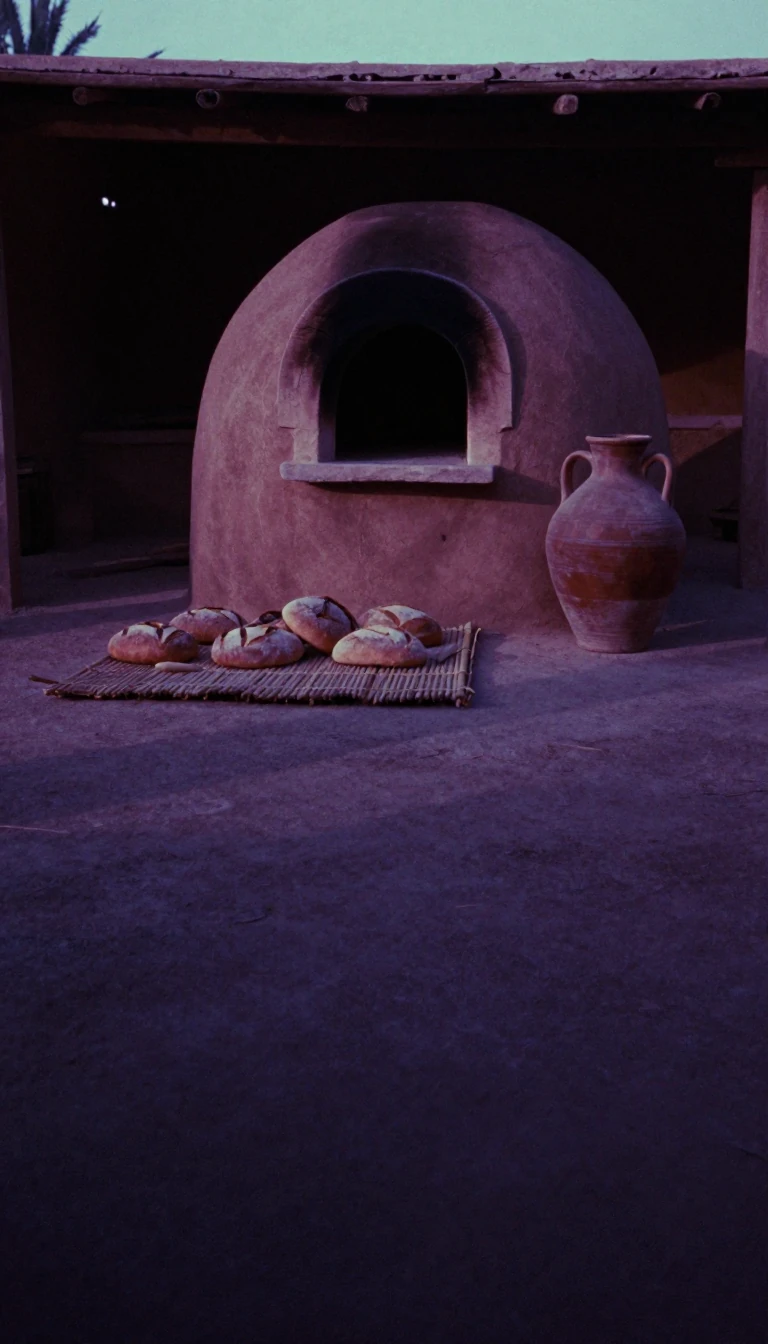
 The world's most enduring staple is a simple, high-heat marvel of culinary engineeringFlatbreads represent the earliest form of processed food, with archaeological evidence stretching back 14,000 years. Unlike standard loaf breads, these versatile staples rely on h…
 Filipino cuisine balances sweet, salty, and sour flavors through centuries of cultural exchange.Filipino food is a vibrant tapestry woven from indigenous traditions and centuries of global trade. From the ancient practice of kamayan to the Spanish-influenced spoon-and-fork e…
 Why the world's most famous 'lost bread' is rarely actually FrenchKnown as pain perdu in France, this global breakfast staple is a masterclass in culinary adaptation. From medieval knight-themed desserts to savory street food in Mumbai, the dish…
 Why the Royal Navy’s daily rum ration was diluted into a drink called grogIn 1740, British Vice-Admiral Edward Vernon ordered his sailors' potent rum ration to be diluted with water to curb drunkenness and disciplinary issues. Named after the admiral's …
 Fried rice was born as a practical solution to avoid wasting leftover cooked rice.Emerging during China's Sui dynasty, fried rice transformed from an economical way to repurpose day-old grains into a global culinary staple. By stir-frying cooled, hardened rice …
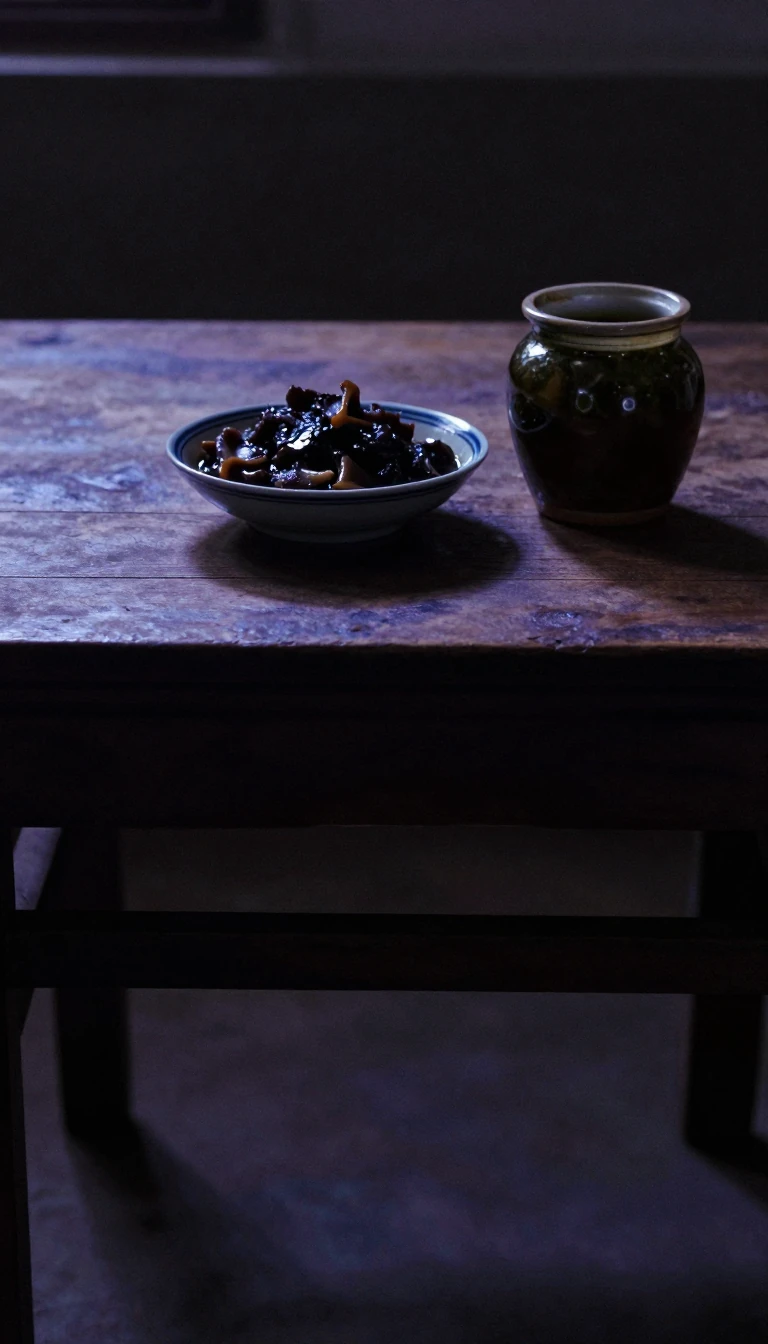 The ancient Roman obsession with fermented fish sauce was a global culinary phenomenonLong before modern chefs rediscovered umami, the Roman Empire thrived on garum. This pungent, fermented fish sauce was a staple across social classes, from the elite tables of Rom…
 Modern dairy cows are biological machines engineered for maximum milk output and efficiencyThe days of the multi-purpose farm cow are long gone. Today, dairy cattle are specialized athletes, bred for extreme productivity. Through artificial insemination, precise hormona…
 How a failed newspaper for women became Britain’s most iconic working-class tabloidLaunched in 1903 as a publication for women, the Daily Mirror initially struggled to find its footing. After a radical pivot to a pictorial, working-class focus, it transformed in…
 The damson is a mysterious, astringent plum that shaped the British landscape for centuries.Often confused with common plums, the damson is a distinct, ovoid fruit prized for its rich, tart flavour. Once a staple of British orchards and hedging, this hardy tree has a his…
 The shovel-antlered deer that has roamed the earth for millions of yearsFallow deer are defined by their distinctive, flattened antlers, a trait they share only with the moose. These animals, ranging from the smaller European variety to the larger Per…
 Is your feta actually Greek, or just a salty imposter in a brine bath?True feta is a protected Greek treasure, defined by strict rules on milk source and geography. Yet, across the globe, the name is often applied to any white, crumbly cheese aged i…
 Why being a city in the United Kingdom is a matter of royal decreeCity status in the United Kingdom is not a reward for population size or urban sprawl. It is a purely honorary title granted by the monarch through letters patent. While once tied…
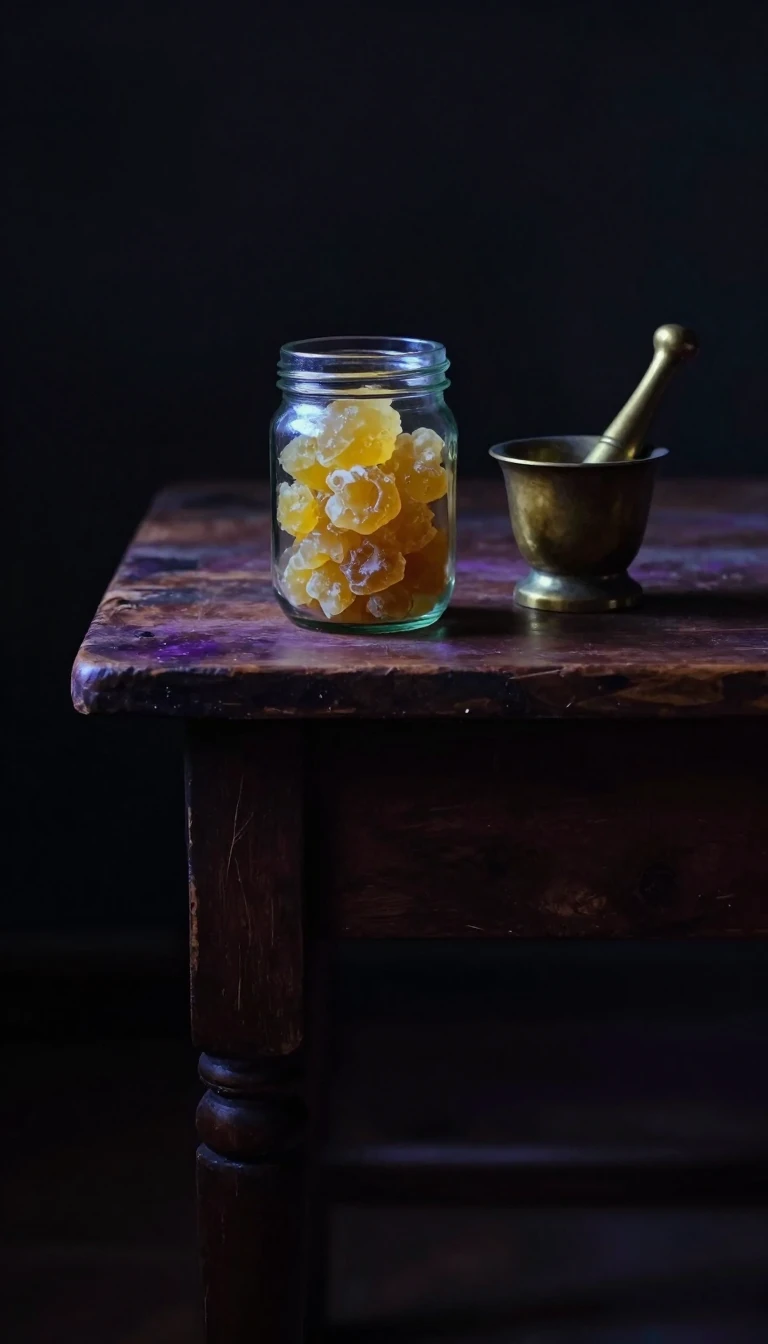 Why the world calls a simple battered sausage by so many different namesA hot dog on a stick, dipped in batter and deep-fried, is a global phenomenon. From the American corn dog to the Australian Pluto pup and the French sausage donut, this humble str…
 The White Monks who transformed medieval Europe through agriculture, engineering, and architectural innovation.Known as the White Monks for their undyed wool habits, the Cistercians were a powerhouse of medieval expansion. Beyond their reputation for austerity and silence, they were master…
 Why the humble clam is a global culinary powerhouse and a sacred artifactClams are more than just beach-dwelling bivalves. From the sacred wampum of North America to the diverse curries of India and the pasta dishes of Italy, these filter-feeding mollu…
 From military deception to global snack: the surprising history of the steamed baozi bunBaozi, the beloved yeast-leavened bun, has traveled from ancient Chinese banquets to global street food stalls. While legend credits a military leader with inventing them as a sub…
- From street snack to culinary staple, the global reach of crispy fried pork skin.Chicharrón is far more than a simple snack. While often recognized as deep-fried pork skin, this versatile dish spans continents, appearing as everything from a breakfast staple i…
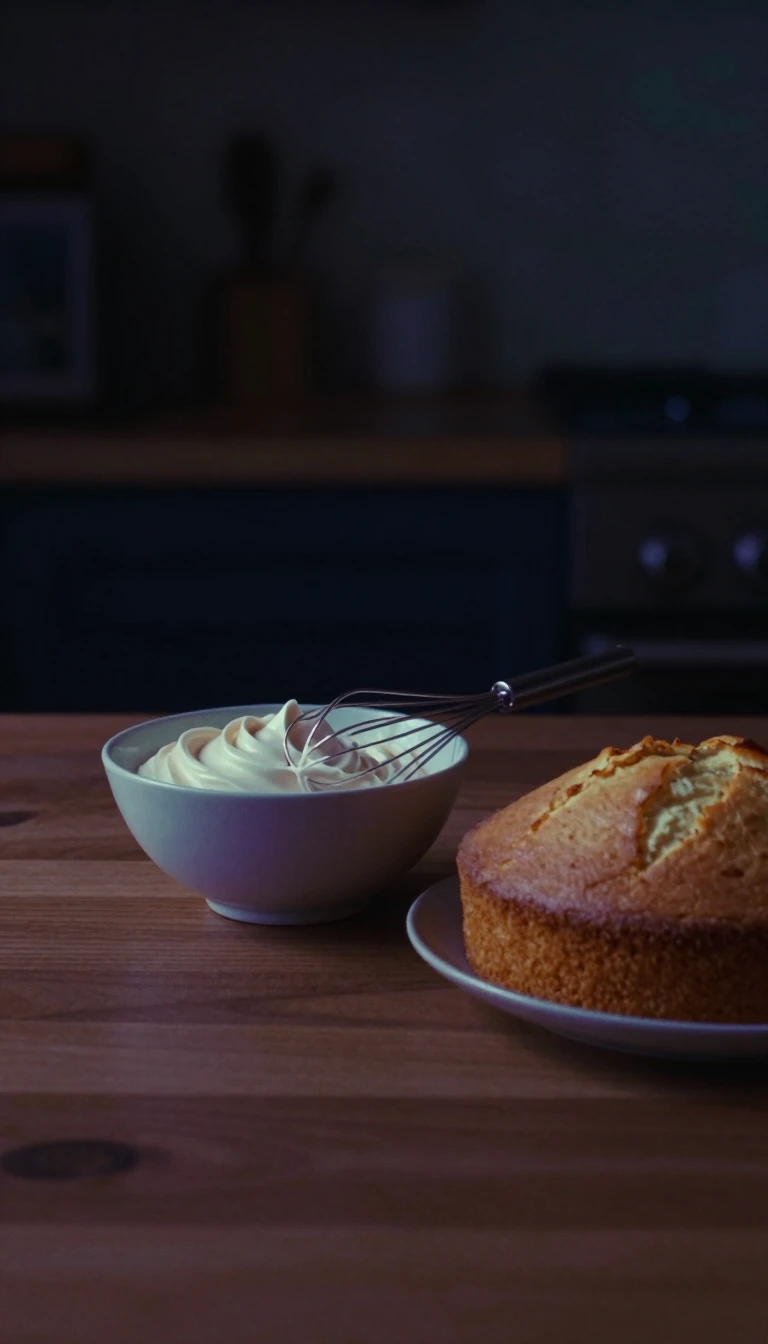 Why your kitchen relies on a precise chemical reaction to make cakes riseBaking powder is more than a pantry staple; it is a sophisticated chemical leavening agent. By combining a base with one or more acids, it releases carbon dioxide to lift dough. U…
 The fish that changes its sex and dominates menus from Australia to IndiaBarramundi is a culinary chameleon, prized for its mild, flaky, and bone-free flesh. Beyond the plate, this remarkable species is a sequential hermaphrodite, typically maturing as…
 Why you should remove bay leaves from your soup before servingCommon kitchen wisdom suggests bay leaves are poisonous, which is why recipes insist on removing them. In reality, they are non-toxic, but their rigid structure makes them a genui…
 Is the world's most successful weed actually a forgotten superfood hiding in your garden?Often dismissed as a persistent garden pest, Chenopodium album—known as lamb's quarters—is a nutrient-dense powerhouse. While farmers battle its rapid growth, cultures from the Hi…
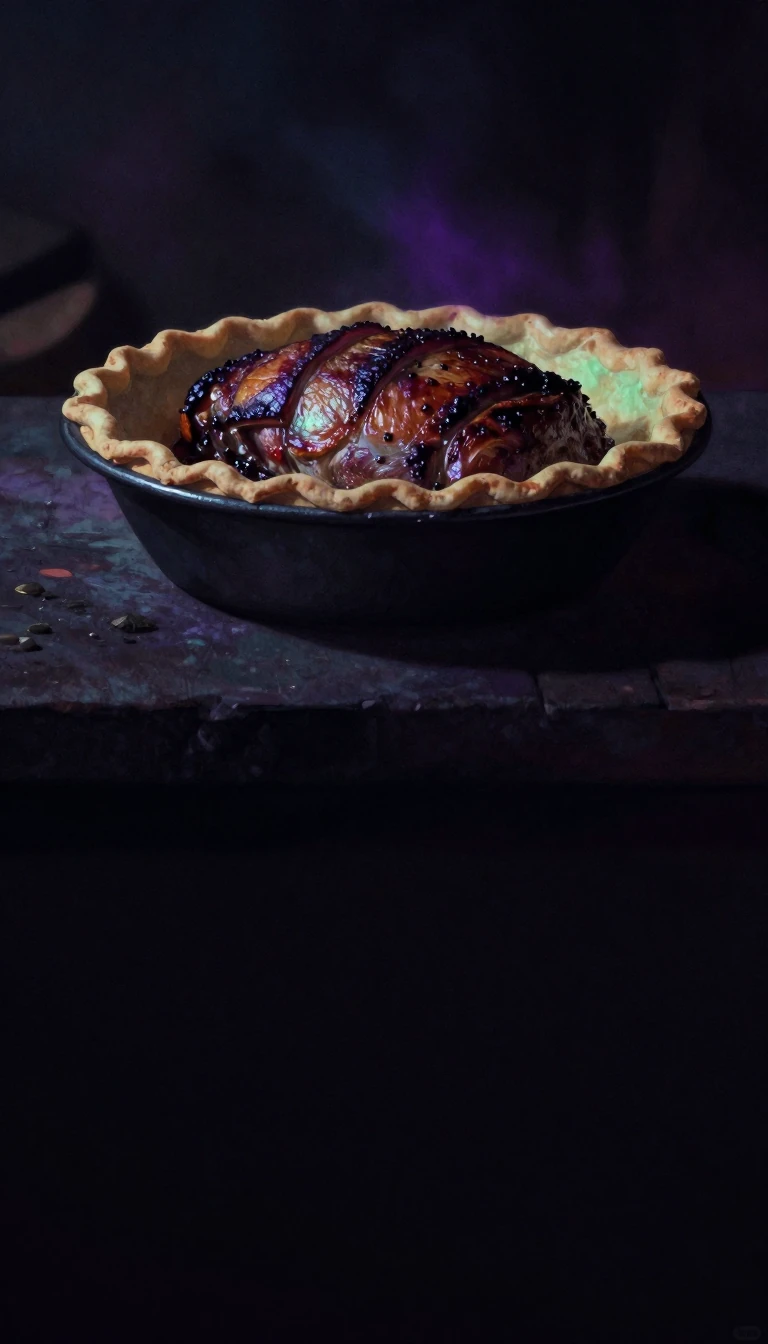 Why this humble fruit dessert became a global symbol of national identity and comfortFrom 14th-century English kitchens to the American Civil War, apple pie has evolved from a simple pastry-encased fruit dish into a powerful cultural icon. Whether served with shar…
- Is the iconic French baguette actually a product of modern industrial regulation?The baguette is a global symbol of France, yet its history is shrouded in myth. From Napoleon to metro workers, legends abound, but the truth is tied to 20th-century labor laws an…
 The accidental invention of a global icon born from surplus cream and NesquikBaileys Irish Cream was not the result of a long-standing tradition, but a 45-minute experiment in 1971. Conceived by advertising executives to solve a surplus of dairy and alcoho…
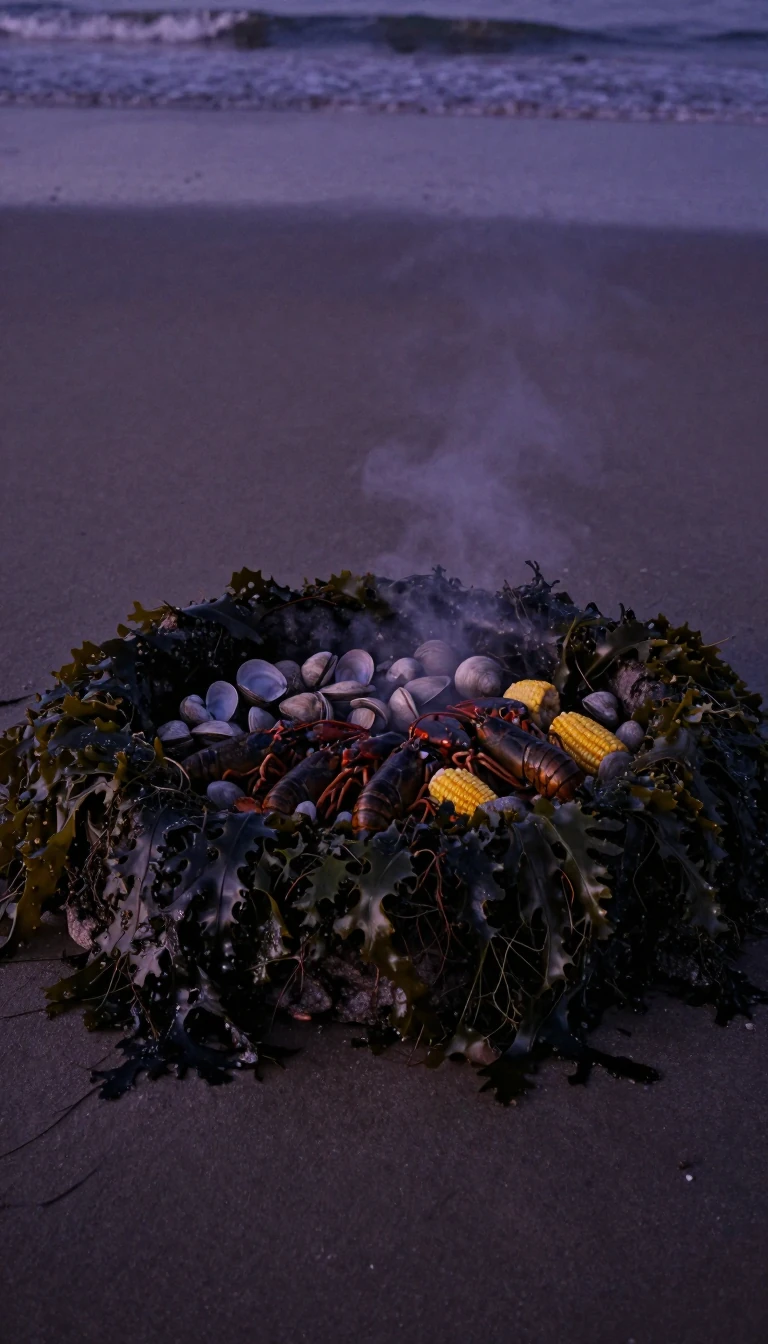 The surprising history of baked beans, from ancient pits to the modern breakfast tableBaked beans are a global convenience staple, yet they are rarely actually baked. While their roots trace back to ancient indigenous American cooking methods, the canned version fo…
 Beyond the kitchen: How a television chef became a multifaceted British cultural iconAinsley Harriott is far more than a familiar face on cooking shows. From his early days as a musician and comedy performer to his unexpected roles in science fiction and reality t…
- General Tso’s chicken and fortune cookies were never actually served in traditional China.American Chinese cuisine is a distinct culinary evolution, born from necessity during the California Gold Rush. Far from being authentic imports, iconic dishes like crab rangoon a…
 Ale was once a daily nutritional staple, consumed by everyone from children to monks.Before it was a recreational drink, ale was a vital source of calories in the medieval world. Brewed primarily by women in the home, this warm-fermented beverage provided essentia…
 Why the 1951 UK Election remains a paradox of British political historyIn 1951, the Labour Party secured the highest number of votes in its history, yet lost the election to the Conservatives. This counterintuitive result, driven by the first-past-th…
- Britain's national dish owes its fried fish to Sephardic Jewish refugeesThe fried fish in Britain's favourite takeaway came with Spanish and Portuguese Jews who had lived in the Netherlands, frying in oil so Friday's fish could be eaten cold on the Sa…
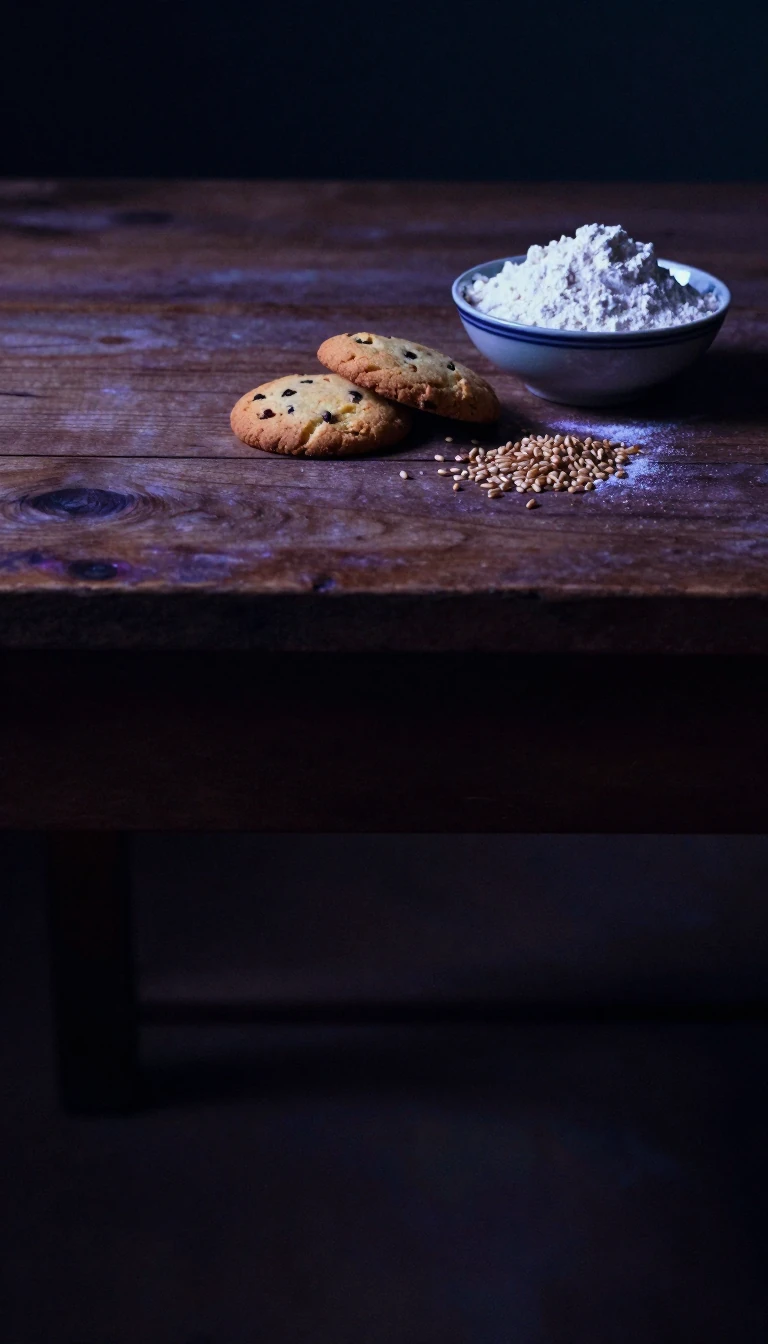 The digestive biscuit was invented by doctors who thought it settled stomachsTwo Scottish doctors created the digestive in 1839 on the theory that its baking soda worked as an antacid, and chemists once sold it beside indigestion powder. Today McVitie's sh…
 The oldest known stew was simmered in Japan some 7,000 years agoAround 5000 BC, Jomon cooks in Japan set pointed clay pots into the embers of their fires and simmered seafood that changed with the seasons. It is the earliest stew anyone has fo…
- A Duke of Burgundy's guests ate 320 litres of mustard in one sittingAt a gala thrown by the Duke of Burgundy in 1336, guests reportedly got through 320 litres of mustard cream at a single feast. Dijon was already famous for the stuff, but the stor…
- Flour and flower were once the same word, meaning the finest partPeople were grinding cereals into flour more than 32,000 years ago, long before farming. The word itself comes from Old French for blossom, used figuratively for the best of somet…
 Wild junglefowl lay about a dozen eggs a year; modern hens manage over 300The wild Asian fowl behind today's chickens lay roughly a dozen eggs a year, and only in breeding season. Thousands of years of selective breeding produced hens that lay more than…
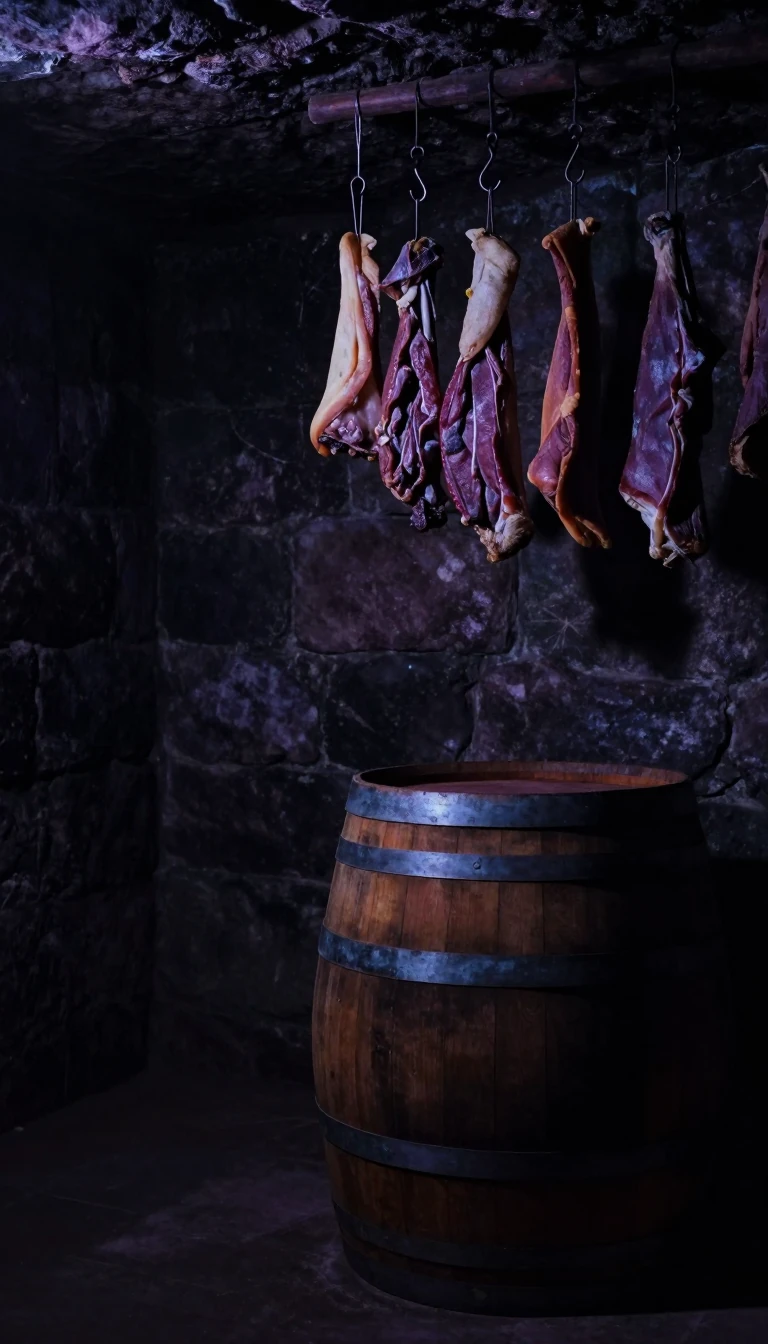 Chicken was a rich man's dish in 1800s America before it conquered the worldIn nineteenth-century America chicken cost more than other meats and was prized by the wealthy precisely because it was rare. A post-war breeding drive changed that. By 2021 chick…
 Medieval elites once skipped breakfast on purposeIn the European Middle Ages, morning eating marked laborers, children, the sick, or the poor who needed fuel before noon dinner. Nobles kept to two formal meals—midday and evening…