 Intellect Plus
Food & Drink
4,606 cards. Each one is a 40-second story with a five-minute read behind it. Page 75 of 77.
Subtopics: African cuisine · American cuisine · Baking · Beer & brewing · Biscuits & cookies · Bread · Breakfast · Cakes & pastries · Caribbean cuisine · Cheese · Chinese cuisine · Chocolate & sweets · Coffee · Cooking techniques · Cooking, food and drink · Desserts & puddings · Dumplings & pies · Eggs & dairy · Fast food · Fermented foods · Festive food · Food brands · Food preservation · Food science · French cuisine · Fruit · German & Central European cuisine · Greek & Turkish cuisine · History of food and drink · Indian cuisine · Italian cuisine · Japanese cuisine · Kitchen tools · Korean cuisine · Meat dishes · Mexican cuisine · Middle Eastern cuisine · Mushrooms & truffles · Nordic cuisine · Nutrition & diets · Nuts, seeds & beans · Pasta & noodles · Pizza · Restaurants & dining · Rice dishes · Sandwiches · Sauces & condiments · Seafood · Soft drinks & juices · Soups & stews · Spices & herbs · Spirits & cocktails · Staple foods & grains · Street food · Sugar & sweeteners · Tea · Thai & Southeast Asian cuisine · UK & Ireland: food · Vegetables · Vegetarian & vegan · Wine
 The miner's thick pasty crust as a handle for dirty hands is doubtfulA popular story says Cornish tin miners held their pasties by the thick crimped edge and threw it away, keeping arsenic-stained fingers off their food. Old photographs tell a diff…
 The man who invented the digestive biscuit also bankrolled Scotland's national libraryMcVitie's grew from a Dumfries baker's Edinburgh provision shop into Britain's top-selling biscuit maker. Its first big hit, the digestive, came from a young employee named Alexan…
 Three in four Japanese people drink miso soup at least dailyMost of the miso Japan makes each year, more than 80 percent, ends up dissolved in soup, and about three quarters of the population has a bowl at least once a day. The recipe is s…
 Korean food was shaped by invaders, rice taxes and cheap army SpamRice is not native to Korea, and for centuries it was so costly that cooks stretched it with barley or beans. Yet in the kingdom of Silla it paid taxes, and the Sino-Korean charac…
 Mac and cheese began as a posh English dish, not American diner foodLong before the blue box, macaroni baked with cheese was refined fare in English cookbooks, traceable to medieval pasta and cheese casseroles. It crossed to North America with Bri…
 The same browning chemistry flavours your toast and reddens ancient bog bodiesBrowned crusts, seared steak, roasted coffee and golden fries all owe their colour and much of their flavour to a single reaction between amino acids and certain sugars. French ch…
 Nobody agrees where marzipan came from, or even what its name meansOne theory traces the word marzipan to a Venetian coin showing an enthroned Christ. The coins were kept in ornate boxes, and once they stopped circulating the boxes held luxury sw…
 A tornado and a handshake deal with nuns built the Mayo ClinicIn August 1883 a tornado flattened a third of Rochester, Minnesota. The local doctor who organised care for the injured, William Worrall Mayo, borrowed nurses from a teaching orde…
 Japan's navy spent decades calling its aircraft carriers destroyersJapan's post-war constitution renounces war, yet the country runs a navy of 160 ships and 50,800 personnel. It has managed the tension partly through careful labels: flat-decked s…
 Japan's grandest dinner is named after a warm stone against the stomachThe characters for kaiseki, Japan's elaborate multi-course meal, literally mean breast-pocket stone. The name recalls Zen monks who tucked warm stones into their robes to quiet hu…
 Gold in the Indus Valley city of Harappa came from Karnataka's minesLong before Bengaluru became India's Silicon Valley, the land now called Karnataka was exporting gold: metal found at Harappa has been traced to its mines, hinting at contact with…
 Roman ships once sailed to Kerala loaded with gold to buy pepperSumerian records suggest Kerala was shipping spices around 3000 BCE, and by the last centuries BCE Roman vessels were arriving at the port of Muziris laden with gold to swap for b…
- For most of its history, kimchi contained no chilli at allKimchi's fiery red colour is a relatively recent addition. Chillies are a New World crop that Portuguese traders brought to East Asia, and Korea's first written mention of them da…
 Cheese-filled knafeh is much younger than its thousand-year legend suggestsA popular tale says knafeh was invented to fill the stomachs of fasting caliphs during Ramadan, a story written down as early as the 10th century. Yet the melting-cheese version n…
 Hugh Grant meant to act for a year, then study art historyHugh Grant only agreed to act so he could save money for postgraduate study in art history. At 32 he was ready to walk away, until the script of Four Weddings and a Funeral made h…
 The Indian subcontinent was once a separate landmass that crashed into AsiaThe land south of the Himalayas began as a fragment of Gondwana that drifted north and slammed into Eurasia, closing an entire ocean and pushing up the world's greatest mountains.…
 One marriage in 1272 founded a dynasty that still reigns in SpainWhen Robert, youngest son of Saint Louis IX, married the heiress of Bourbon in 1272, his line spent three centuries as minor royals. Then the Valois kings died out, a Protestant f…
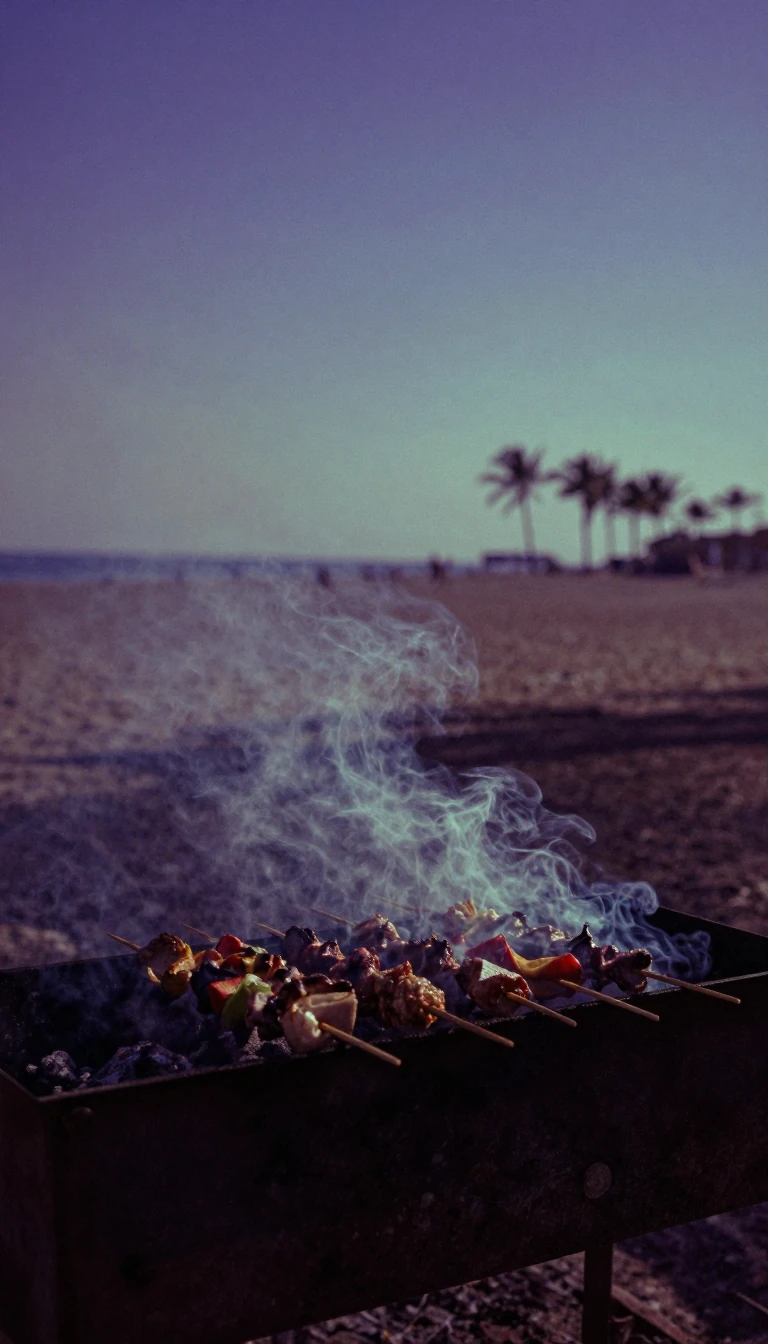 French fries may be French after all, whatever Belgium insistsBelgium and France still argue over who invented fries, and the oldest written fried potato is neither: a Spanish soldier held captive by Mapuche warriors in Chile ate them in 162…
 Southern fried chicken has Scottish and West African grandparentsBefore chickens were bred for fast growth, only young spring birds could take the heat of a frying pan, so fried chicken was a seasonal luxury. Its American form blends a Scottish…
 Scorsese wanted Goodfellas to feel like a two-and-a-half-hour trailerWhen Martin Scorsese cold-called Nicholas Pileggi to say he had waited his whole life for the reporter's mob book, Pileggi answered that he had waited his whole life for that call…
 Bourbon carries 37 times the congeners of vodka, and hangovers noticeNobody fully understands why a night of drinking produces the next morning's misery. Symptoms peak as blood alcohol falls back to almost zero, and suspects range from a toxic brea…
- People were baking flatbread thousands of years before anyone farmed wheatIn Jordan's Black Desert, archaeologists found charred crumbs of flatbread baked by hunter-gatherers between 14,600 and 11,600 years ago, from wild grains and tubers. Bread went o…
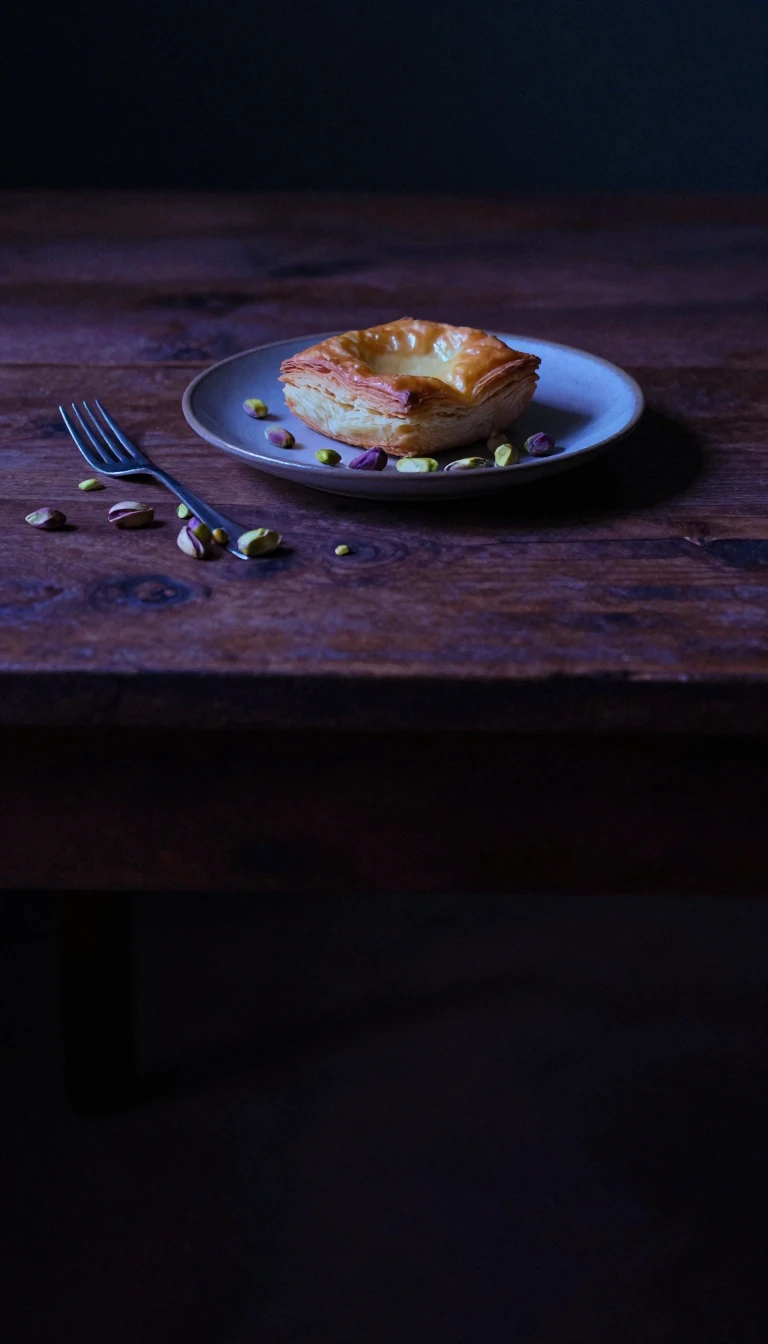 The pizza Margherita probably wasn't invented for a queen at allThe famous tale says a Naples baker created the Margherita in 1889 to honour Queen Margherita with tomato, mozzarella and basil in the colours of the flag. Yet a writer described …
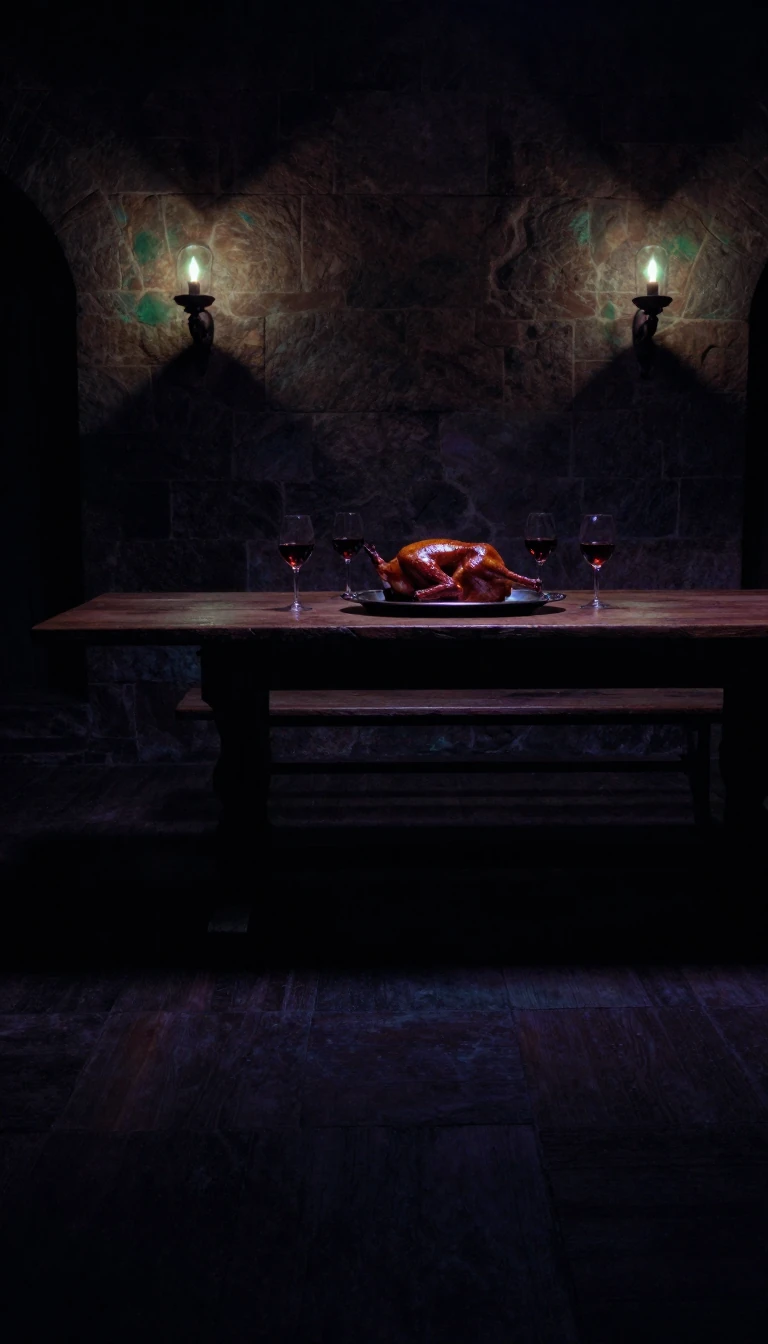 Hors d'oeuvre literally means a dish that sits outside the workIn seventeenth-century France, dinner arrived all at once in rigid symmetry, and the little extra plates set beyond that formal arrangement earned the name hors d'oeuvre. Romans n…
- A Maine teenager's visions helped found a church and a vegetarian traditionEllen G. White said she experienced her first vision at a small prayer meeting in Portland, Maine, in December 1844. She went on to co-found the Seventh-day Adventist Church, wrot…
 The first espresso machines made coffee that tasted burnt and had no cremaMilan's first commercial espresso machines, sold from 1905, could turn out 1,000 cups an hour, but their steam pushed at only about 1.5 bars and scorched the coffee. Crema, the ta…
- Falafel's name probably means peppercorns, and its chickpeas go in rawFalafel most likely began in Egypt, where it is still usually made from fava beans and called taamiya, a small tasty morsel. The Arabic word itself traces back to pepper. The chic…
 Fenugreek's maple syrup smell comes from one molecule, and the Romans called it Greek hayA single compound, sotolon, gives fenugreek its odd dual scent: curry when concentrated, maple syrup or caramel when faint, which is why it flavours imitation maple syrup. People …
 Britain's national dish owes its fried fish to Sephardic Jewish refugeesThe fried fish in Britain's favourite takeaway came with Spanish and Portuguese Jews who had lived in the Netherlands, frying in oil so Friday's fish could be eaten cold on the Sa…
- The digestive biscuit was invented by doctors who thought it settled stomachsTwo Scottish doctors created the digestive in 1839 on the theory that its baking soda worked as an antacid, and chemists once sold it beside indigestion powder. Today McVitie's sh…
 The dosa is at least a thousand years old and still argued overThe dosa, a fermented pancake of rice and black gram, turns up in Tamil writing of the eighth century and in a 12th-century Sanskrit encyclopedia from a Karnataka king. Tamil Nadu…
- Cheesecake is reputed to have fed athletes at the first OlympicsCakes made with cheese were reportedly served at the first Olympic Games in 776 BC, and ancient Greek writers produced whole treatises, now lost, on the art of making them. The de…
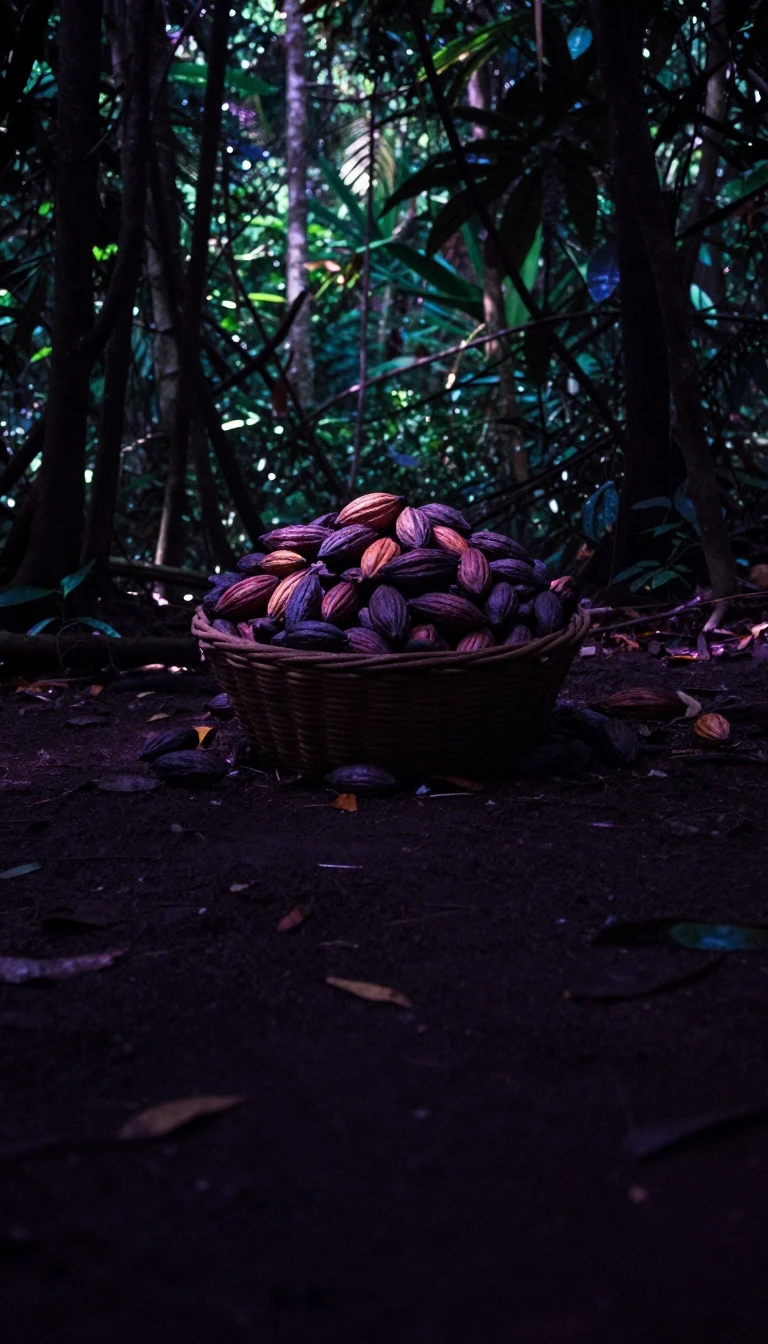 The Marquis de Sade offers an early hint that people ate chocolate in barsFor centuries Europeans mostly drank chocolate. The bar crept in slowly, and one of its earliest clues comes from a 1779 prison letter in which the Marquis de Sade demanded biscui…
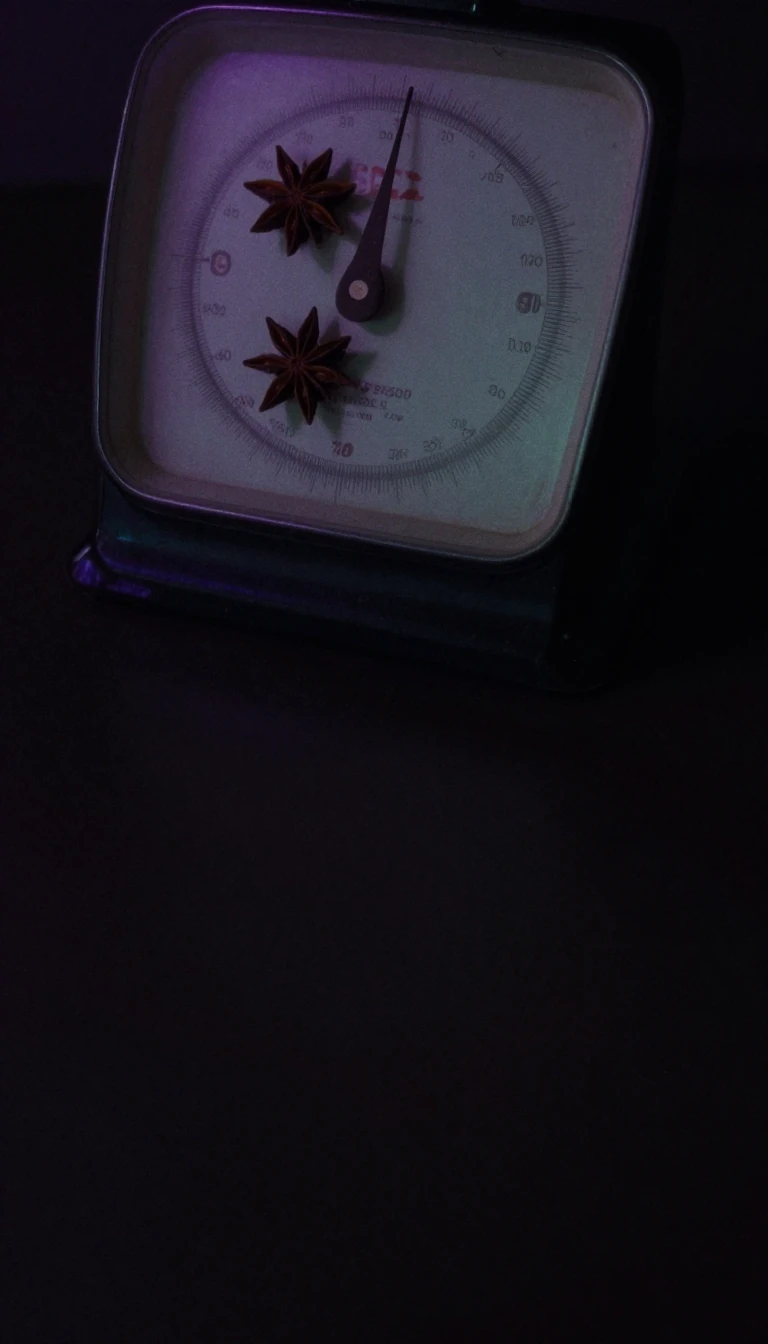 Why coriander tastes like lime to some people and soap to othersMost people find coriander leaves fresh and citrusy, but a sizeable minority taste soap. Twin studies and a genetic survey of nearly 30,000 people point to variants including OR6A…
- Dark chocolate's gourmet status was built by French tastemakers, not ancient traditionDark chocolate's image as the connoisseur's choice is surprisingly recent. In the late 1970s French chocolatiers led by Robert Linxe turned their country's palate against milk cho…
 Brunch was invented in 1895 as a mercy for Saturday-night revellersA British writer named Guy Beringer coined brunch in an 1895 magazine essay, pitching a relaxed noon meal to replace the heavy post-church Sunday dinner and spare anyone who had b…
 Oscans, Etruscans, Greeks and Romans all fought over Campania's fertile plainNaples began as a small Greek trading port named after a Siren, Parthenope. The region around it, Campania, drew Etruscan colonists, Samnite raiders and Roman legions because its …
 America's biggest private company started as an Iowa grain shed in 1865Cargill trades grain, raises livestock, makes starch and syrups, and supplies about 22 percent of the US domestic meat market, yet it keeps a low profile. Founded in Iowa in 1865 …
 Our early ancestors may have scavenged before they huntedDead animals feed a vast crew of vultures, hyenas, beetles, octopuses and even tadpoles, recycling nitrogen and carbon back into ecosystems. Early humans probably joined in: stone…
 The voice of Shaggy also counted down America's hits for decadesCasey Kasem, a Detroit grocer's son named after Atatürk, launched American Top 40 on July 4, 1970, when Top 40 radio looked finished. A year earlier he had started voicing Shaggy …
- Before boxed gelatin, a proper aspic began with boiling calf's feet for hoursMeat jelly sounds like a relic of 1950s dinner parties, but a 9th-century poet compared a jellied carp to rubies on a silver plate. From Song dynasty Kaifeng to Russian New Year t…
- The world's bestselling spirit outsells whisky, vodka, gin, rum and tequila togetherMost Western drinkers have never tasted it, yet baijiu sold 10.8 billion litres in 2018, beating the combined totals of the big Western spirits. This clear Chinese grain spirit us…
- Greek baklava traditionally has 33 layers of filo, one for each year of Jesus's lifeNobody can say for certain who invented baklava. Candidates range from an Ancient Greek honey cake to Byzantine koptoplakous, a medieval Arabic almond confection and Central Asian…
- A Korean king ate from 12 side dishes, and kimchi didn't count toward the totalThe little bowls crowding a Korean table are a map of history. Banchan grew out of a Buddhist-era ban on meat that lasted roughly six centuries, and the number of dishes once sign…
- Barbecue doesn't come from French for beard to tail; it's a Caribbean wordA popular story claims barbecue means whole animal on a spit, from the French for beard to tail. Etymologists reject it. The word traces to the Taíno of the Caribbean, whose woode…
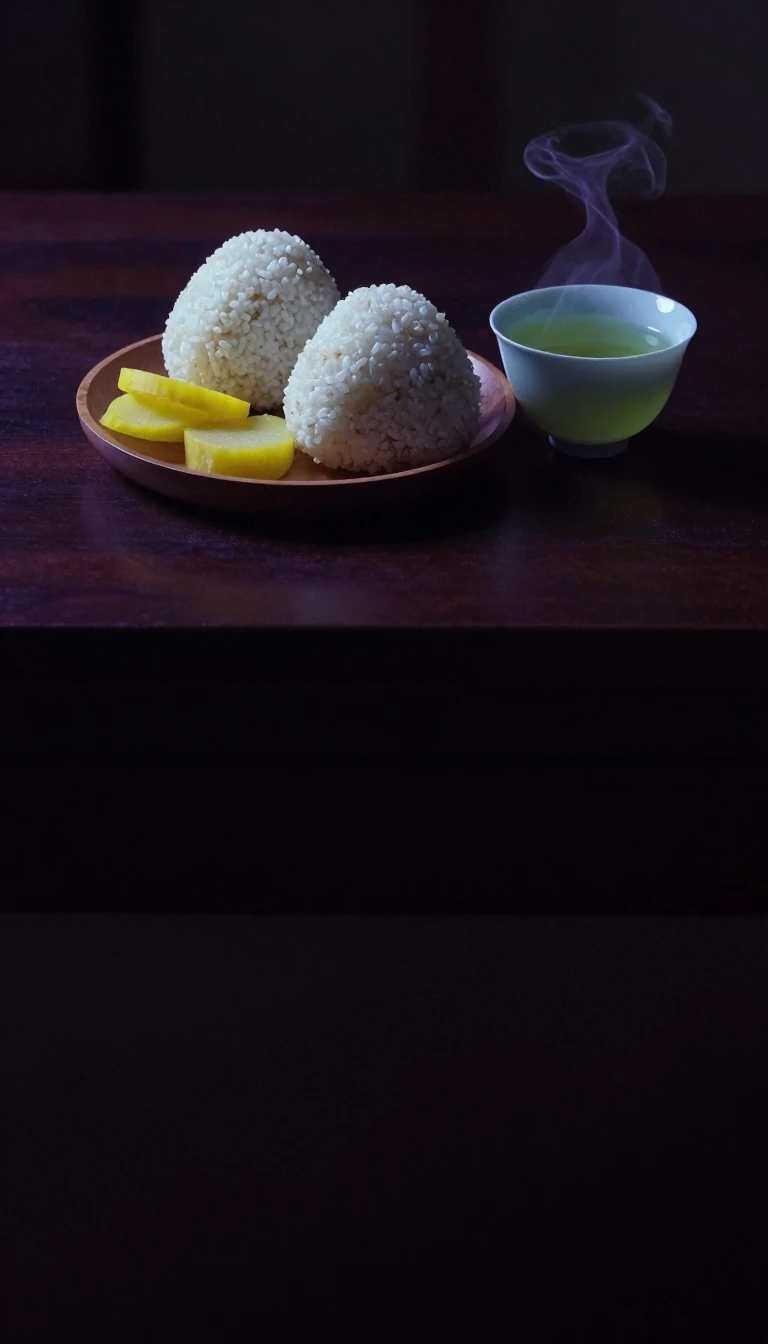 Japan's first station bento, sold in 1885, held two rice balls and pickled radishThe humble lunchbox carries a surprising amount of Japanese history. It began as dried rice carried by travellers, got its name in Oda Nobunaga's era, fed kabuki audiences between…
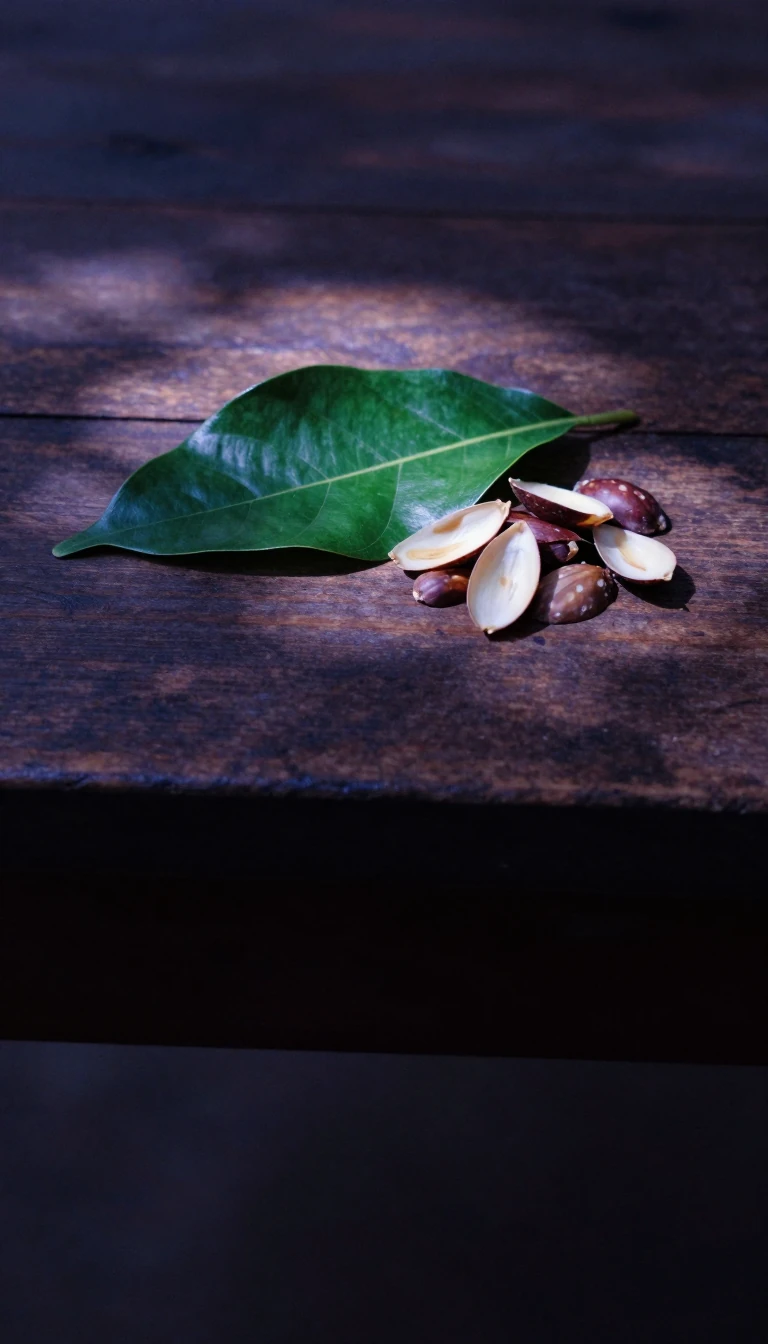 The so-called betel nut isn't betel at all; betel is the leaf around itBetel is a peppery vine leaf, not a nut. For roughly 5,000 years people across Asia have wrapped it around areca nut and lime to chew, a habit traced to a cave in the Philippines.…
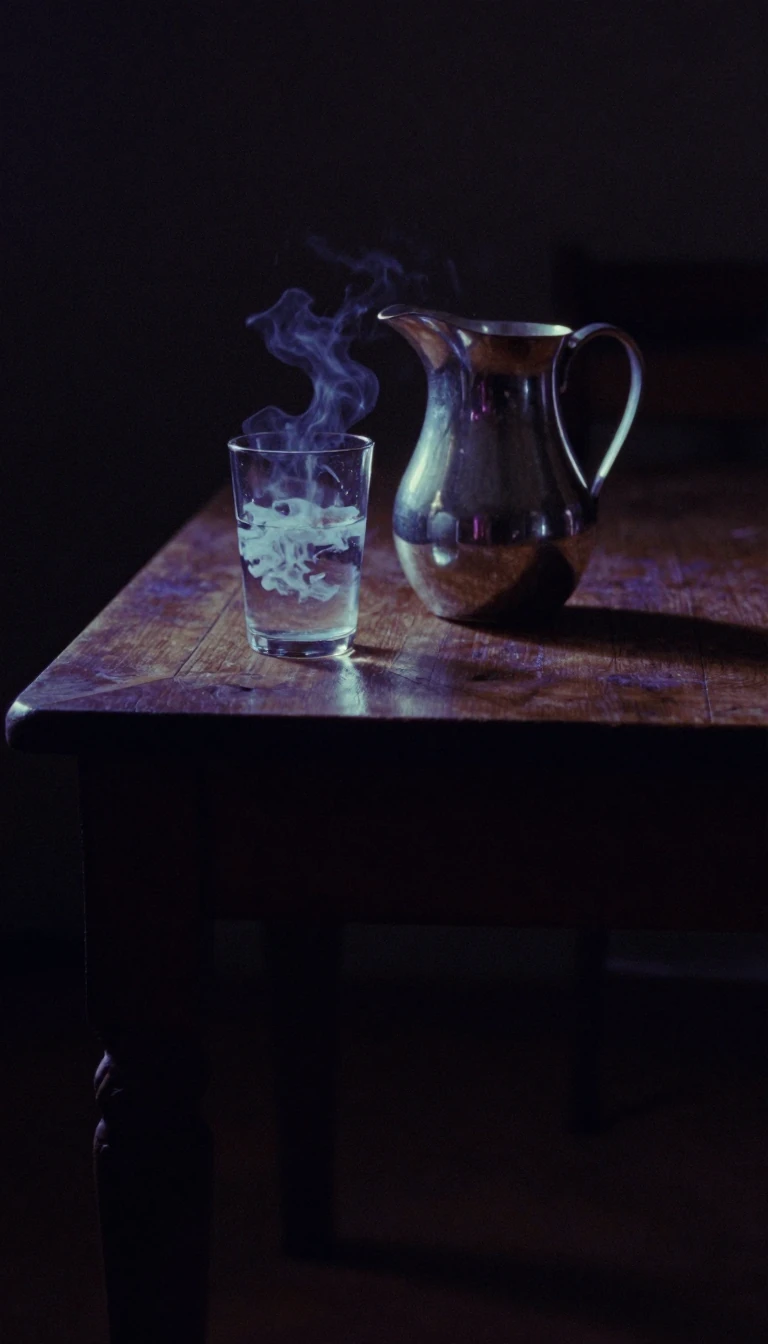 Why clear arak turns cloudy white the moment water hits itPour water into arak and the transparent spirit instantly clouds over. The cause is anethole, the oil in aniseed, which dissolves in alcohol but not in water. Diluted, it forms ti…
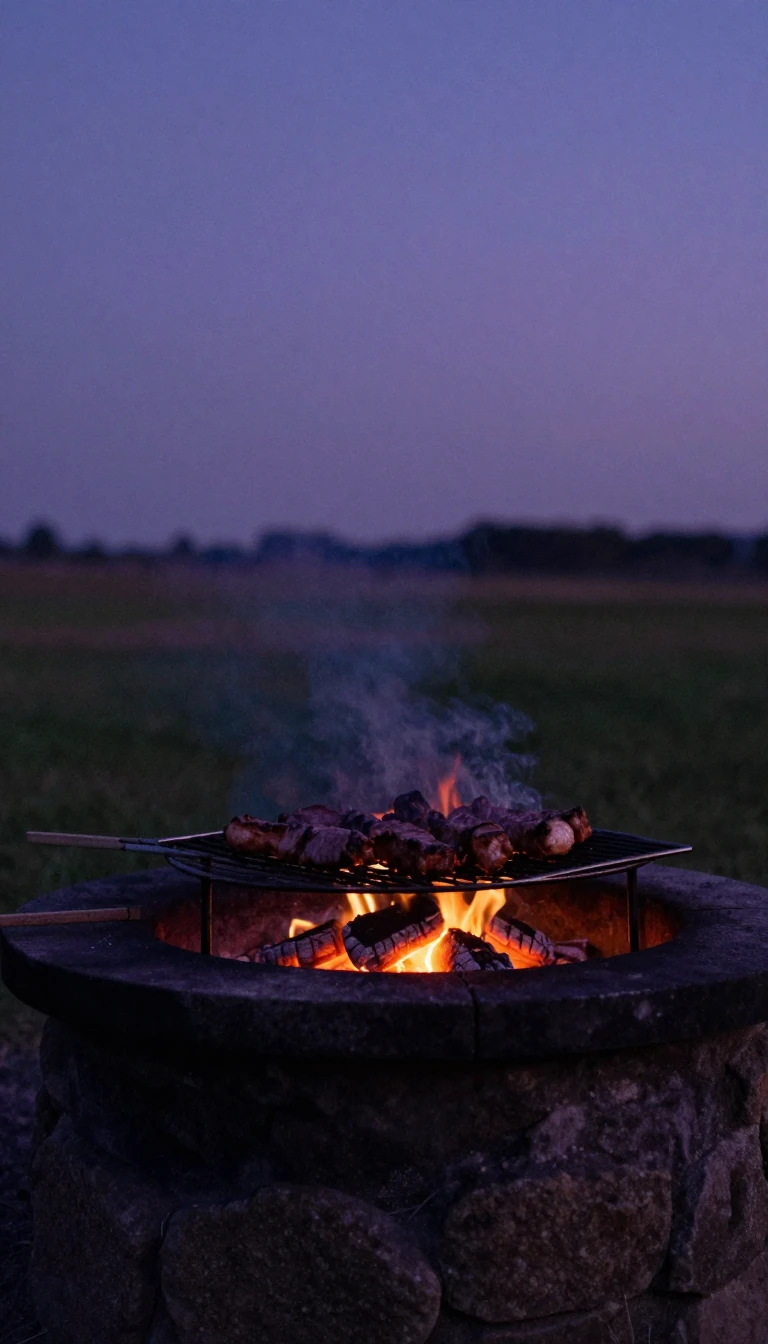 An Argentine asado uses no marinade at all, just salt, fire and patienceAt a proper asado the meat gets salt and nothing else. The skill lies in the fire: the asador picks the right wood, keeps the meat at a careful distance from the coals, and stops …
 A spice nicknamed devil's dung hides inside every bottle of Worcestershire sauceAsafoetida smells so pungent that popular speech called it devil's dung, and the Latin fetid in its name means stinking. Yet Indian and Middle Eastern cooks prize it as a stand-in…
 The açaí berry is mostly seed, and its miracle claims were mostly scamsA seed fills 60 to 80 per cent of each açaí fruit, leaving a pulp layer about a millimetre thick. That thin purple coat became a global superfood craze, then topped America's list…
 Absinthe was banned as a madness drug that was mostly just strong alcoholBy 1915 the green fairy was outlawed across much of Europe and in the United States, blamed for crime, madness and epilepsy. Modern studies find its supposed psychoactive powers, …
 Some of the earliest Afrikaans writing used Arabic script, not Latin lettersFrom about 1815, Muslim schools at the Cape began teaching in Afrikaans instead of Malay, writing it in Arabic letters. Those lessons are among the oldest known Afrikaans texts, p…
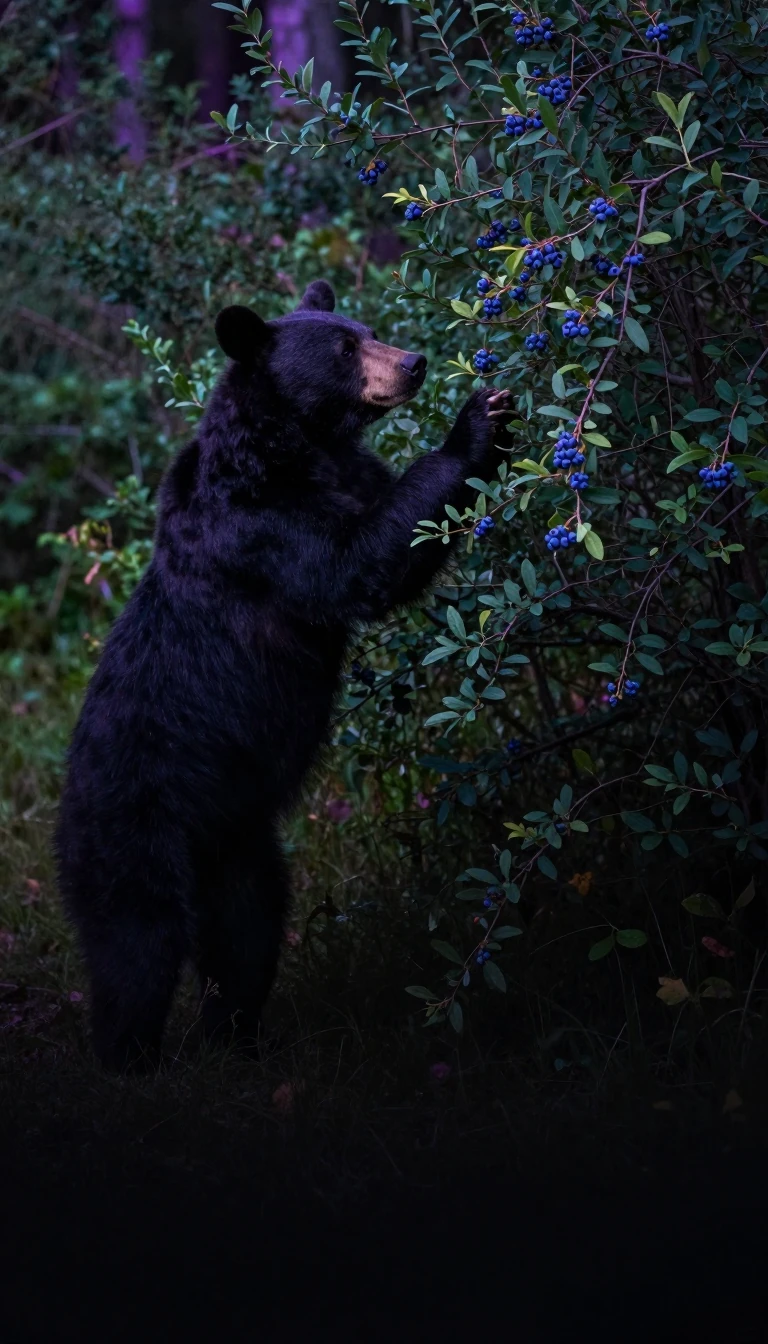 There are twice as many black bears as every other bear combinedNorth America's smallest bear is also its great survivor. American black bears outnumber all other bear species put together, and while specialised giants like the short-faced bea…
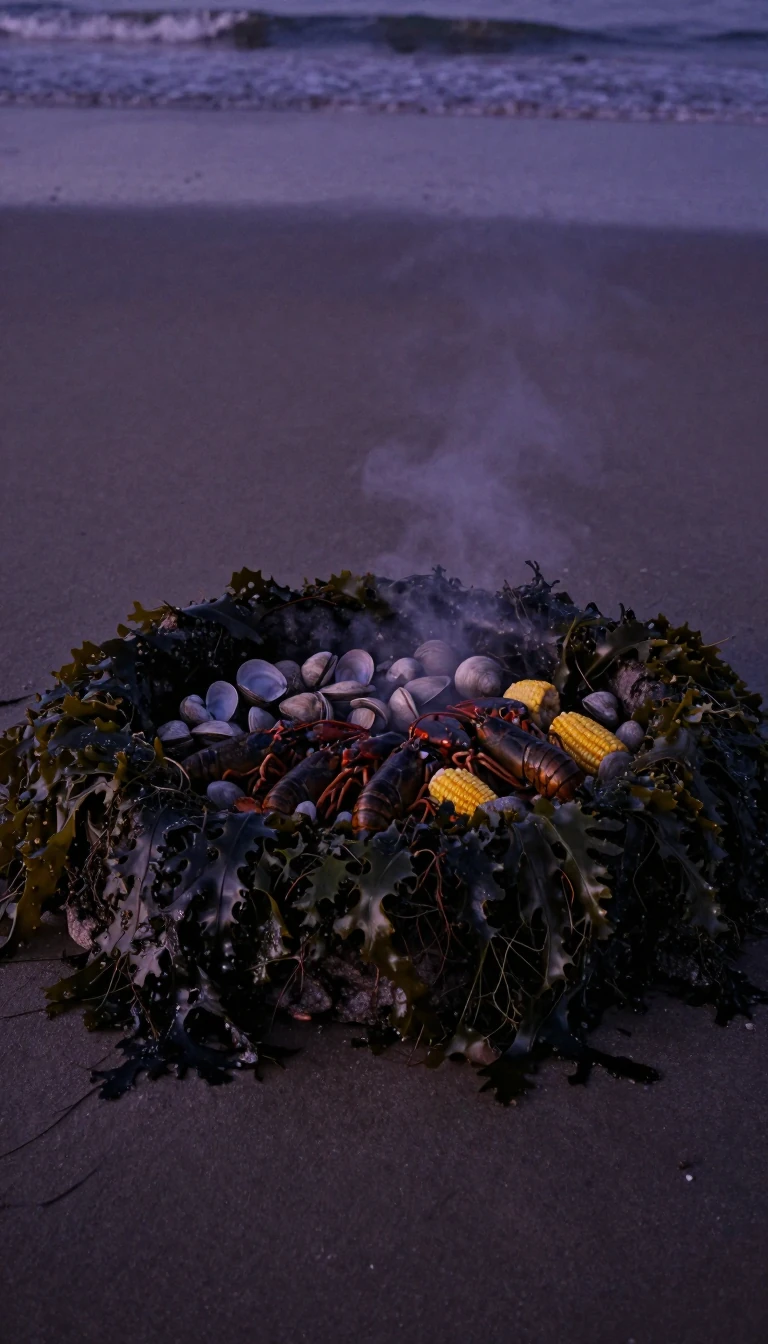
- The New England clambake started as a Native American steaming techniqueLong before colonists named it, New England tribes steamed fish, shellfish and vegetables in pits of hot stones layered with seaweed or corn husks. Potatoes joined the pile by the…
- The ancient, linguistic fire behind the world's most famous grilled meatLong before it became a global fast-food staple, the kebab was a linguistic and culinary phenomenon. From the charred offerings of the Babylonian Talmud to the royal courts of the…
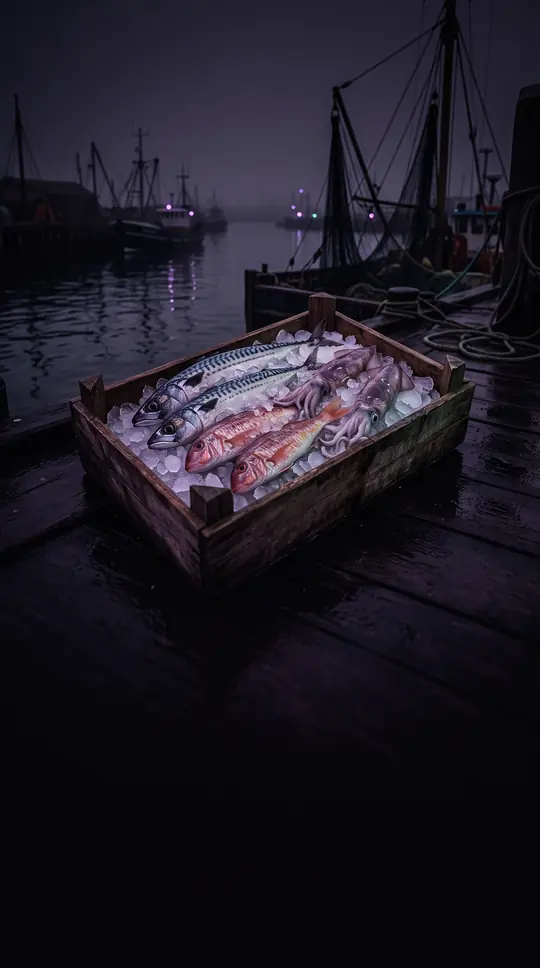 Was the world's most popular rice dish born in a Mughal kitchen?From the royal courts of the Mughal Empire to modern delivery apps, biryani is a culinary titan. But its origins are a delicious mystery, caught in a debate between Persian influe…
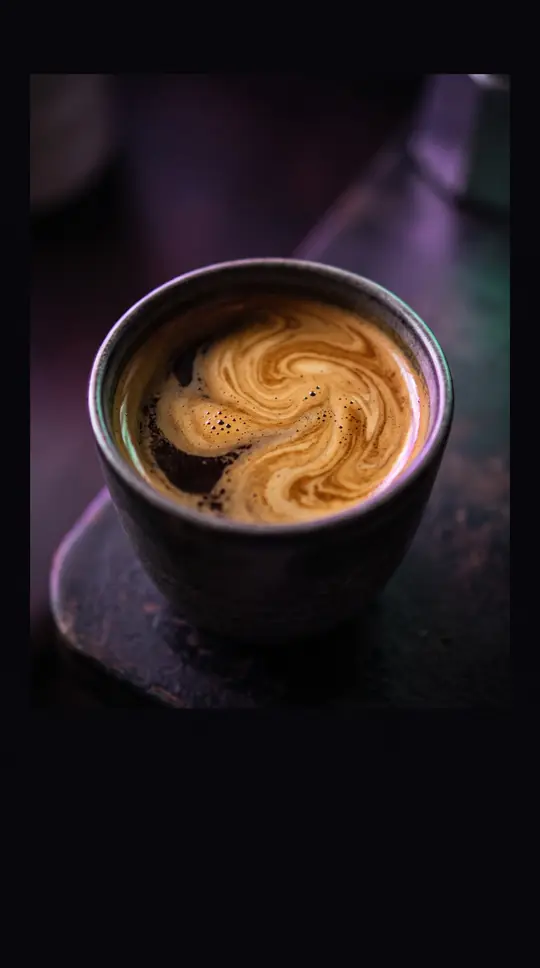 The luxury sea snail that defines the centerpiece of Chinese banquetsOften reserved for the most prestigious celebrations, abalone is more than just a delicacy. From 100,000-year-old archaeological sites to modern high-end cuisine, this iridescent …
- Sushi means sour, and it began as fish preserved in rotting riceMany English speakers assume sushi means raw fish. It actually means sour-tasting, from an archaic form of a Japanese verb for being sour. The name recalls sushi's ancestor, narez…
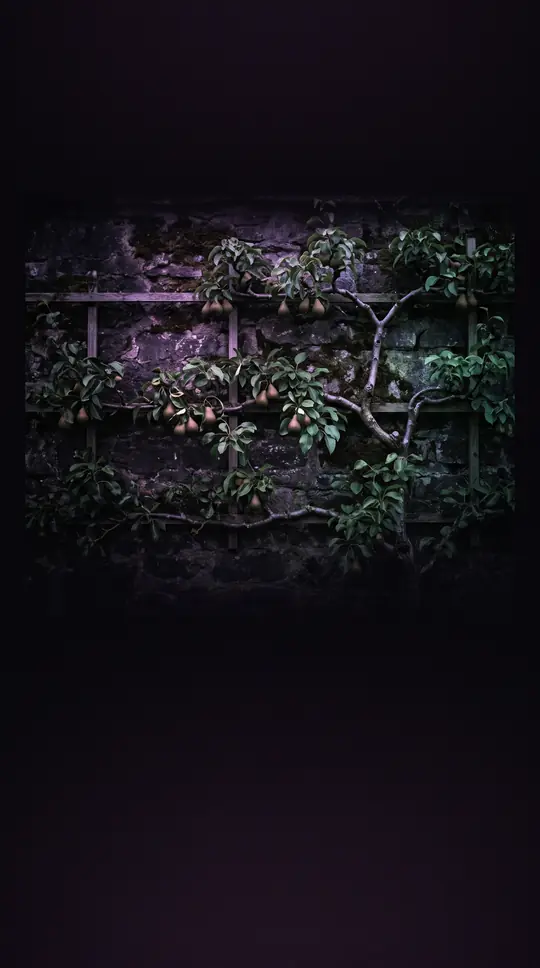 Filipino sailors helped bring the stills that made tequila possiblePeople in Mexico brewed pulque from agave sap for thousands of years, but it was fermented, never distilled. Distilling agave heart juice arrived with Filipino sailors and migrant…