 Intellect Plus
Food & Drink
4,606 cards. Each one is a 40-second story with a five-minute read behind it. Page 76 of 77.
Subtopics: African cuisine · American cuisine · Baking · Beer & brewing · Biscuits & cookies · Bread · Breakfast · Cakes & pastries · Caribbean cuisine · Cheese · Chinese cuisine · Chocolate & sweets · Coffee · Cooking techniques · Cooking, food and drink · Desserts & puddings · Dumplings & pies · Eggs & dairy · Fast food · Fermented foods · Festive food · Food brands · Food preservation · Food science · French cuisine · Fruit · German & Central European cuisine · Greek & Turkish cuisine · History of food and drink · Indian cuisine · Italian cuisine · Japanese cuisine · Kitchen tools · Korean cuisine · Meat dishes · Mexican cuisine · Middle Eastern cuisine · Mushrooms & truffles · Nordic cuisine · Nutrition & diets · Nuts, seeds & beans · Pasta & noodles · Pizza · Restaurants & dining · Rice dishes · Sandwiches · Sauces & condiments · Seafood · Soft drinks & juices · Soups & stews · Spices & herbs · Spirits & cocktails · Staple foods & grains · Street food · Sugar & sweeteners · Tea · Thai & Southeast Asian cuisine · UK & Ireland: food · Vegetables · Vegetarian & vegan · Wine
 Chinese families left tofu at graves because ghosts had no jawsIn Chinese tradition, relatives brought tofu to the graves of the dead. Ghosts, it was said, had long ago lost their chins and jaws, so only something this soft was fit for them t…
 Beechwood shavings once cut vinegar making from months to weeksFor most of history vinegar took months to sour. In 1823 Karl Sebastian Schüzenbach, working in the Kingdom of Baden, trickled alcohol over beechwood shavings and cut the wait to …
 Vodka began life as medicine, and even cosmetic cleanser, in PolandThe word wódka first shows up in 1405, in court records from Sandomierz in Poland, and it meant chemical preparations such as medicines and cleansers for cosmetics. A 1534 herbal …
 Almost every European vine now grows on American rootsIn the late 19th century a tiny American aphid, phylloxera, devoured the roots of Europe's vineyards. The cure was to replant nearly every vine onto resistant American rootstock, …
- Americans found plain yogurt too sour until fruit went on the bottomIn 1929 an Armenian couple in Massachusetts began delivering yogurt around New England by horse-drawn wagon, the cart first labelled madzoon. Plain yogurt stayed a hard sell to Am…
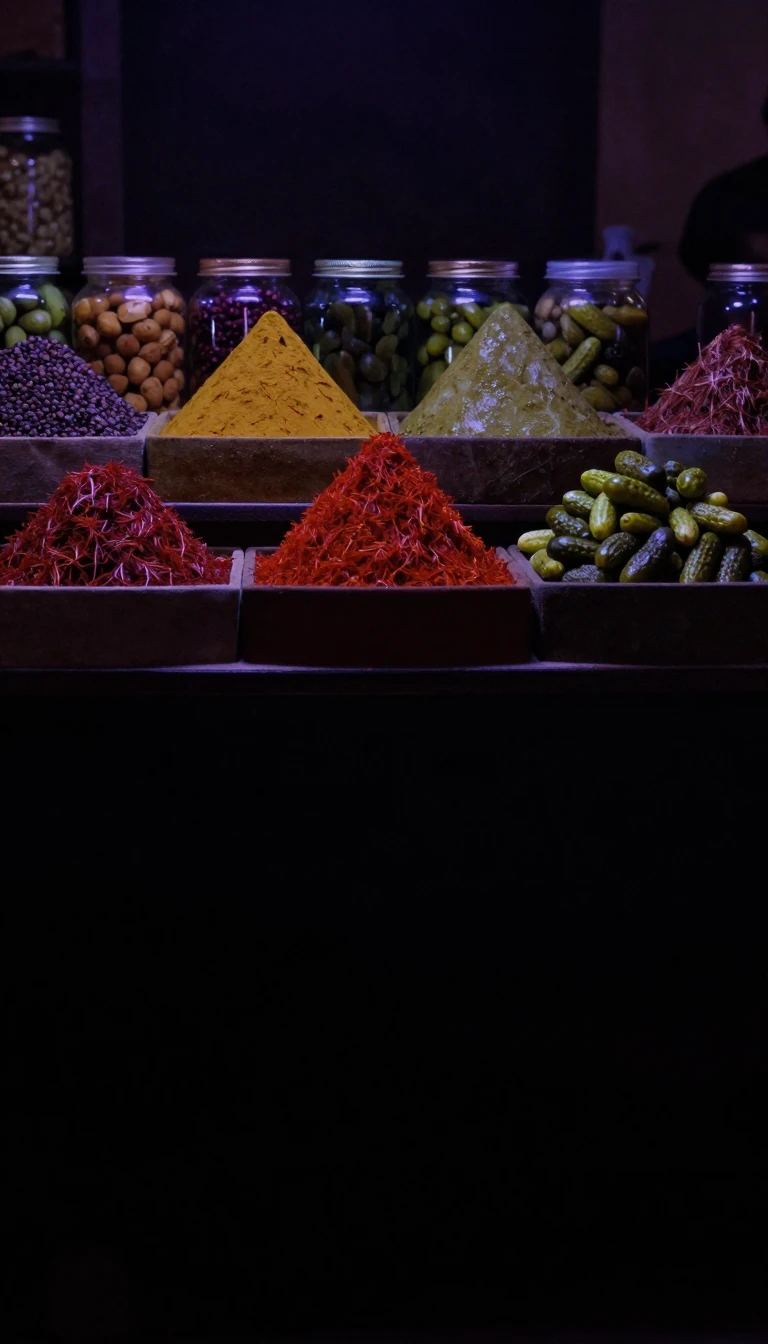 Garlic is not a spice, yet ambergris from whales sometimes counts as oneWhat counts as a spice depends on history more than botany. The word once meant exotic goods from the East, which is why European staples like garlic and horseradish are left out,…
- The oldest known stew was simmered in Japan some 7,000 years agoAround 5000 BC, Jomon cooks in Japan set pointed clay pots into the embers of their fires and simmered seafood that changed with the seasons. It is the earliest stew anyone has fo…
 British sugar consumption rose from 2 pounds a head to 90 in three centuriesIn 1650 the average Briton ate about 2 pounds of sugar a year. By the early twentieth century it was 90. That appetite helped drive colonisation and was bound up with slavery, and…
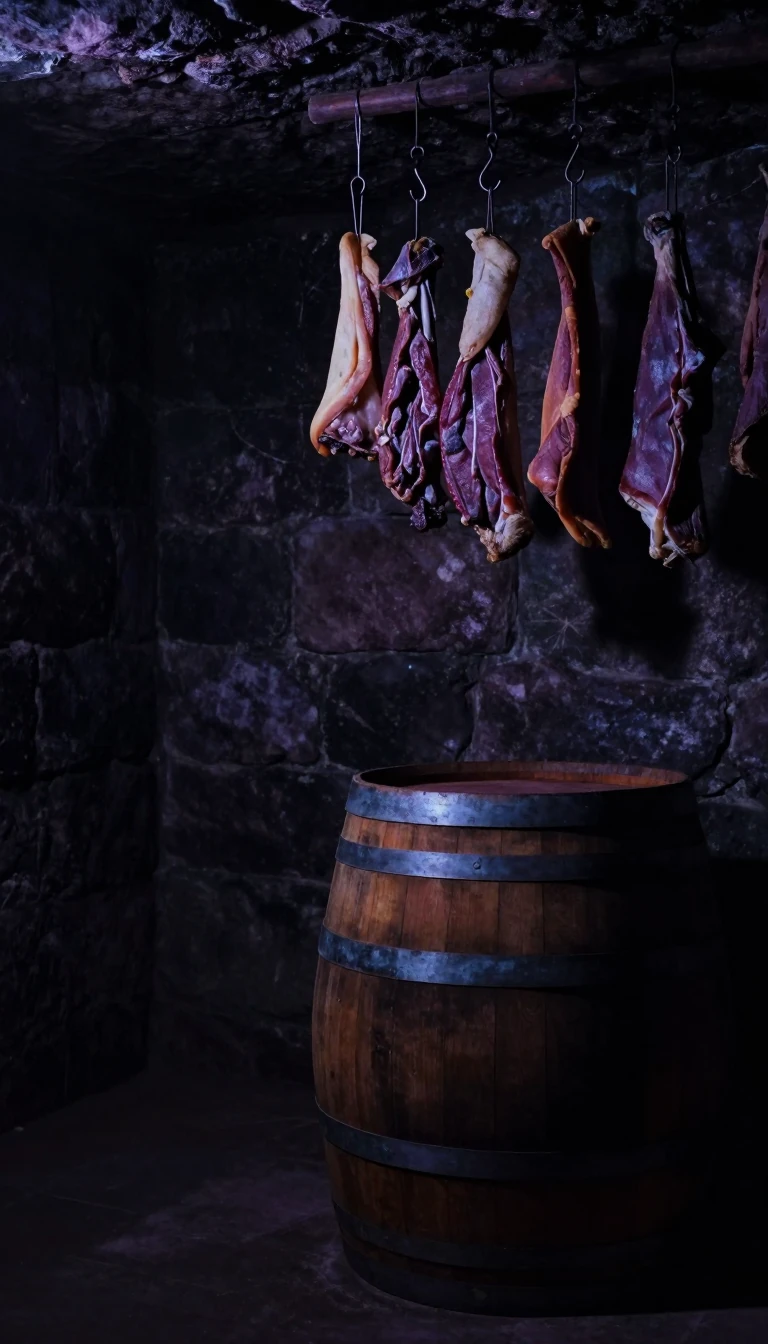 A sausage can legally contain more than 100 percent meatSausage makers can print meat contents above 100 percent on a label, and it is not a trick. If drying removes enough water, the meat that went in outweighs the finished sausage. T…
 Humans were eating shellfish from a South African cave 165,000 years agoLong before farming, people at Pinnacle Point on South Africa's coast were gathering marine food some 165,000 years ago, and Neanderthals on Mediterranean shores seem to have done…
 Soda, pop or coke: Americans still split three ways over fizzy drinksA 2003 Harvard survey found over half of Americans say soda, a quarter say pop, and about one in eight call every fizzy drink a coke. The drinks behind the argument trace back to …
 Soup began as the bread, not the broth poured over itThe word soup once named a slice of bread soaked in liquid, not the liquid itself. That old pairing survives in croutons and in the cheesy baguette floating on French onion soup. …
 In the European Union, soy milk legally cannot be called milkA German consumer group took a tofu company to Europe's top court, and in 2017 the judges agreed: purely plant-based drinks may not be sold as milk, even with soy stuck in front. …
 Soy sauce was invented to make expensive salt go furtherSoy sauce took its modern form in Han dynasty China about 2,200 years ago, and its purpose was thrift: salt was costly, and fermenting it with beans stretched it. The earlier vers…
 Europe's oldest known town was a salt mine feeding the BalkansSolnitsata in Bulgaria, now thought to be Europe's earliest town, was supplying the Balkans with salt around 5400 BC. For thousands of years this humble crystal preserved meat, se…
 Courts in two US states disagree on whether a burrito counts as a sandwichIn 2006 a Massachusetts judge ruled that a sandwich needs two slices of bread, so burritos were out. In 2024 an Indiana court called tacos and burritos Mexican-style sandwiches. T…
- The first sauce may have been chilli mashed into water 9,000 years agoChilli peppers mashed into water may count as one of humanity's first sauces, credited to the Aztecs around 7000 BCE. Rome had fermented fish garum, China had jiang pastes, and Fr…
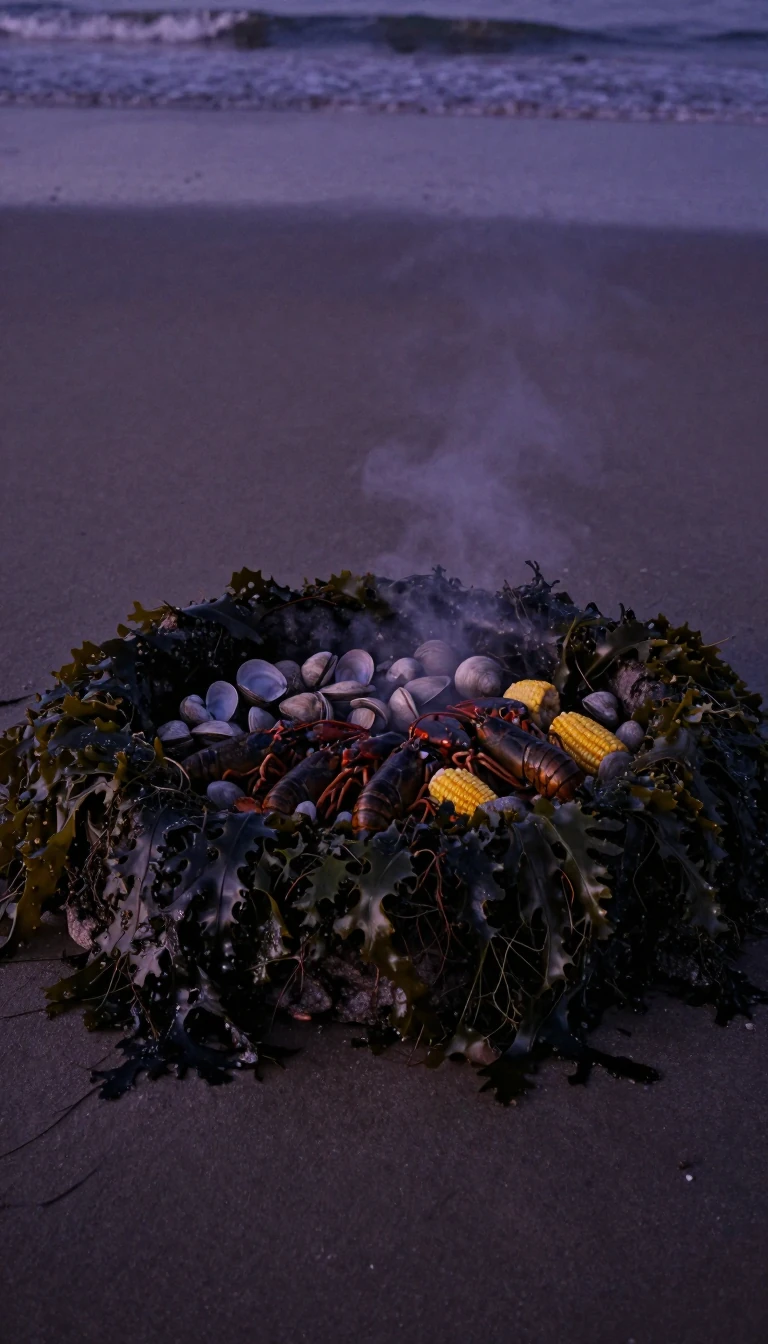 Every popcorn kernel is a tiny pressure cooker that explodes at 180 degreesInside a popcorn kernel, a waterproof hull traps a little moisture. Heat it and the water turns to steam until the shell bursts at roughly 135 psi, blowing the starch into foam up…
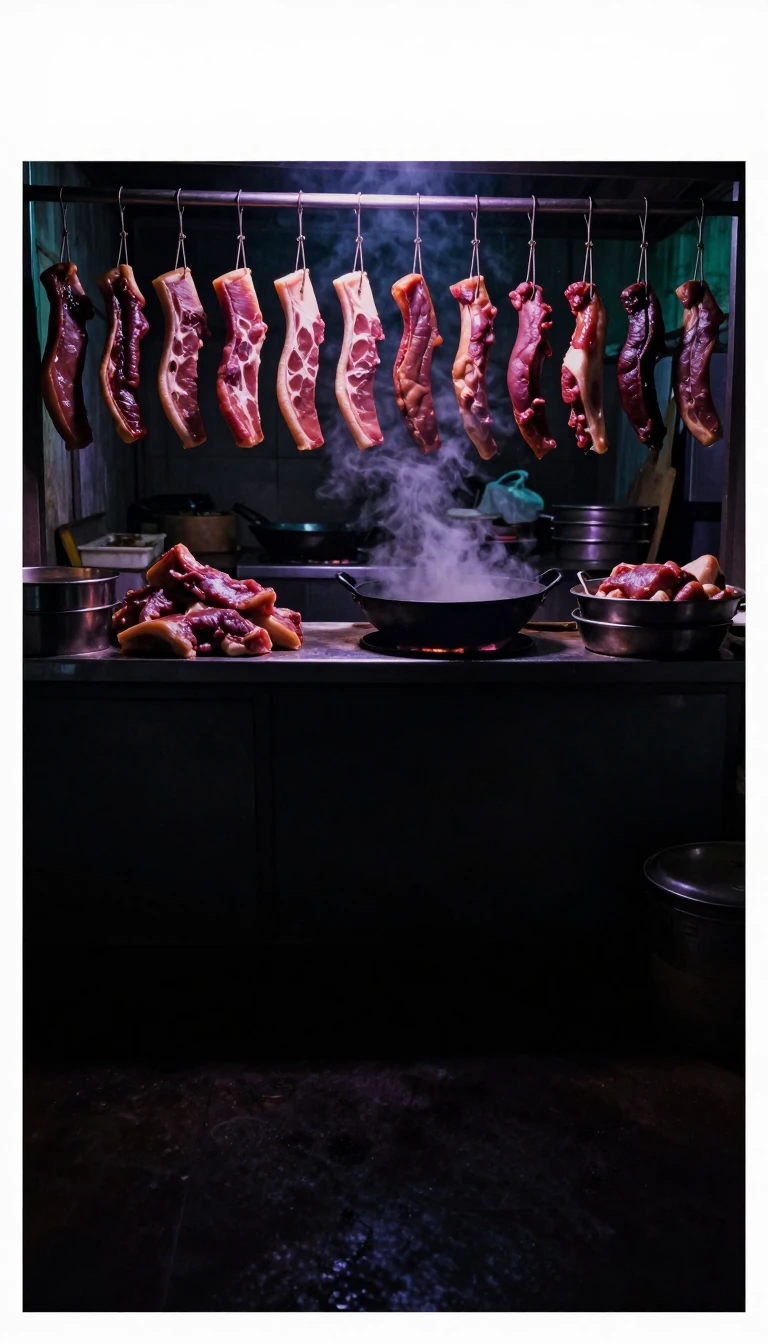 China eats half the world's pork and even keeps a strategic reservePigs supply about a third of the planet's meat, second only to poultry, and by 2017 half of all pork was eaten in one country. China prizes the meat so highly that the state keeps…
 Porridge is so old it has turned up inside 5,000-year-old bog bodiesNeolithic people preserved in the bogs of Central Europe and Scandinavia died with oat porridge in their stomachs. Boiling crushed grain in water or milk is one of humanity's most…
 Chickens may have been tamed for cockfighting before anyone thought to eat themThe world's most numerous farm bird descends mainly from the red junglefowl of Southeast Asia, domesticated roughly 8,000 years ago. Early keepers may have prized chickens for fig…
 Rum was once so valuable that Rhode Island's version circulated like goldA 1651 Barbados account called it hot, hellish and terrible. Within decades rum had displaced French brandy as the currency of the Atlantic slave trade, become New England's bigge…
- The word salad literally means salted, thanks to Roman brine dressingsRomans seasoned raw vegetables with brine or salty oil and vinegar, and Vulgar Latin called the result herba salata, salted herb. That phrase became the French salade and, by the …
- Ketchup began as fish brine and mushrooms long before tomatoesFor its first century in English, ketchup rarely involved tomatoes. British cooks made it from mushrooms, and other recipes used oysters, walnuts or grapes. The word itself may tr…
- Lard carries less saturated fat than butter, despite its reputationLard was branded a poverty food and written off as unhealthier than vegetable oil, yet gram for gram it holds less saturated fat and cholesterol than butter, and unhydrogenated la…
- Beer and wine stall near 15 percent because yeast cannot survive moreFermentation has a built-in ceiling: most yeasts stop working once alcohol reaches about 15 percent, which caps beer and wine. To go further you need distillation, which concentra…
- Wisconsin banned yellow margarine until 1967, so buyers dyed it themselvesMargarine is naturally white, and American dairy interests fought hard to keep it that way. States banned colouring it, so manufacturers shipped packets of yellow dye for customer…
 Is mayonnaise French, or did it start on a Spanish island?The French have claimed mayonnaise since the Napoleonic era, but most theories point to Mahón, a harbour town on Menorca captured by the Duke of Richelieu in 1756. A Valencian fri…
 British beef, pork and lamb lost most of their fat in decadesAfter saturated fat became a health worry in the 1980s, British farmers and butchers reshaped their meat. Through breeding for leanness and new cutting methods, fat in UK beef, po…
- Most adults once could not digest milk until a mutation changed thatOriginally, only children could digest milk. Adults stopped making lactase, the enzyme that breaks down milk sugar, so early herders turned milk into cheese and curd to lower the …
- A Duke of Burgundy's guests ate 320 litres of mustard in one sittingAt a gala thrown by the Duke of Burgundy in 1336, guests reportedly got through 320 litres of mustard cream at a single feast. Dijon was already famous for the stuff, but the stor…
- Gin began as monks' medicine in Salerno, not as a Dutch inventionHolland usually gets the credit, but a juniper-laced tonic wine appears in a Salerno medical compendium from around 1055, brewed by Benedictine monks as a remedy. Six centuries la…
- The word ham originally meant the crook of the kneeIn Old English, ham was the hollow behind the knee, from a Germanic root meaning crooked. Only around the fifteenth century did it come to mean a pig's cured hind leg. The food is…
 To a botanist, rosemary and sage are not herbs at allIn the kitchen a herb is any leafy plant used for flavour. In botany the word means something stricter: a soft-stemmed plant whose parts above ground die back each season. By that…
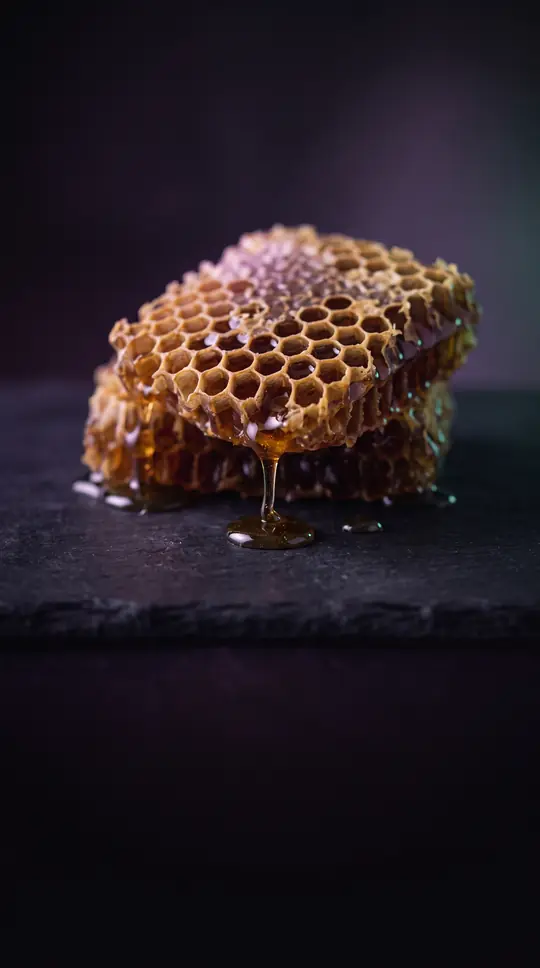 Bees turn watery nectar into honey by blowing bubbles and fanning wingsFlower nectar is about three-quarters water. Honey is less than a fifth. Bees close that gap with teamwork: relays of workers regurgitate nectar into bubbles to evaporate it, then…
- Marco Polo probably did not bring ice cream to EuropePopular legend credits Marco Polo, or Catherine de' Medici, or a secretive royal cook of Charles I. None of those stories holds up. Frozen desserts needed a trick of chemistry, sa…
- Welch's grape juice began as a dentist's unfermented wineFor most of history, pressed fruit juice did not stay juice for long; yeasts turned it into alcohol. In 1869 a dentist named Thomas Welch bottled grape juice, sealed it with cork …
 A Roman emperor once summoned the Senate to discuss cooking a turbotEnglish has pork for pig and beef for cow, but no special kitchen word for fish. That gap hides a giant: the average person now eats more than twice as much fish as in 1961, and A…
 Flour and flower were once the same word, meaning the finest partPeople were grinding cereals into flour more than 32,000 years ago, long before farming. The word itself comes from Old French for blossom, used figuratively for the best of somet…
- Nobody is sure why a mixed drink is named after a horse's tailThe word cocktail almost certainly began with horses, but which horses is disputed. One theory points to dealers ginger-dosing tired old nags so they would lift their tails and lo…
 The dancing-goat story of coffee's discovery surfaced only in 1671The popular tale of Kaldi, a goatherd who noticed his flock buzzing after nibbling coffee, does not appear in writing before 1671 and is probably invented. The firmer evidence is …
- Spices never masked rotten meat, and condiments once meant picklesA favourite food myth says people piled on pungent spices and sauces to hide spoiled meat before refrigeration. No historical record backs it up. The word condiment itself tells a…
 Why pasture-fed cream is faintly yellow while buffalo cream stays whiteCows grazing on grass, Jerseys especially, take in carotenoid pigments from plants, and separation concentrates them in the fat. That tint gives cream a slight yellow cast and eve…
 The eight-glasses rule has no scientific basis, and most tap water flushes toiletsThe familiar advice to drink eight glasses of water daily is not grounded in science; thirst tracks need better than any fixed number. Meanwhile an American home uses roughly 262 …
- Wild junglefowl lay about a dozen eggs a year; modern hens manage over 300The wild Asian fowl behind today's chickens lay roughly a dozen eggs a year, and only in breeding season. Thousands of years of selective breeding produced hens that lay more than…
- Chicken was a rich man's dish in 1800s America before it conquered the worldIn nineteenth-century America chicken cost more than other meats and was prized by the wealthy precisely because it was rare. A post-war breeding drive changed that. By 2021 chick…
- The word cider travelled from Hebrew through Greek, Latin and French to EnglandOld English speakers called fermented apple juice simply apple wine. The word cider arrived later by a winding road: from a Hebrew term for intoxicating liquor, through Greek, Chu…
- People were baking bread thousands of years before anyone farmed grainThe oldest evidence of bread-making comes from a 14,500-year-old Natufian site in Jordan's north-eastern desert, millennia before agriculture took hold. Physically, a loaf is a fo…
- The word butter may literally mean cow cheeseButter's name runs back through Latin to a Greek word that likely joins ox or cow with cheese. Making it means smashing microscopic fat droplets until their protective skins burst…
 World grain output tripled in sixty years while farmland barely grewBetween 1964 and 2023 cereal production rose by 213 percent, yet the area harvested grew only about 10 percent. Nearly all the gain came from squeezing more grain from each field.…
- The oldest preserved cheese ever found was buried with mummies in ChinaCheese probably began as an accident: milk stored in a bag made from an animal's stomach, where natural rennet split it into curds and whey. The oldest surviving lumps turned up o…
 Pyramid builders at Giza drew a daily ration of nearly four litres of beerEgyptian records show the workers who built the Giza pyramids received close to four litres of beer a day, and a modern recreation of the recipe came out at about 5 percent alcoho…
- Ham and bacon were once cured in the very same barrelLong before fridges, curing pork with salt was the only way to keep it safe for months. Ham and bacon were simply different cuts treated identically, sometimes packed together. Re…
- English calls the living animal cow but its meat beef, thanks to LatinCow comes from Middle English; beef descends from Latin bōs, though both share one ancient root. The same split gives English pig and pork, sheep and mutton, deer and venison. Beh…
- Brandy was probably invented to dodge a tax, then tasted better than plannedMerchants boiled water out of wine to make it cheaper to ship and, it is thought, to cut duties charged by volume, planning to add the water back later. Stored in wooden casks, th…
 The disputed origin of the world's most famous sandwichWas the hamburger born in a German city, a Texas lunch counter, or a Wisconsin fair? While global icons like the Big Mac dominate the market, the true inventor of the hamburger re…
- Why Does 'Mutton' Taste Stronger Than 'Lamb'?The distinction between lamb, hogget, and mutton is far more complex than simple age brackets. Different cultures employ intricate rules—some based on tooth wear, others on diet—t…
 Pastry began as edible armour for roasting meatRomans wrapped birds and joints in flour-oil-water dough to seal juices—then threw the crust away. Only richer little cakes were meant to be eaten. Northern medieval cooks later s…
 The Supreme Court taxed the tomato as a vegetable in 1893Botanists know a tomato as a fruit—the ovary of a flowering plant. U.S. customs officers, armed with the Tariff of 1883, called it a vegetable. In Nix v. Hedden the justices unani…
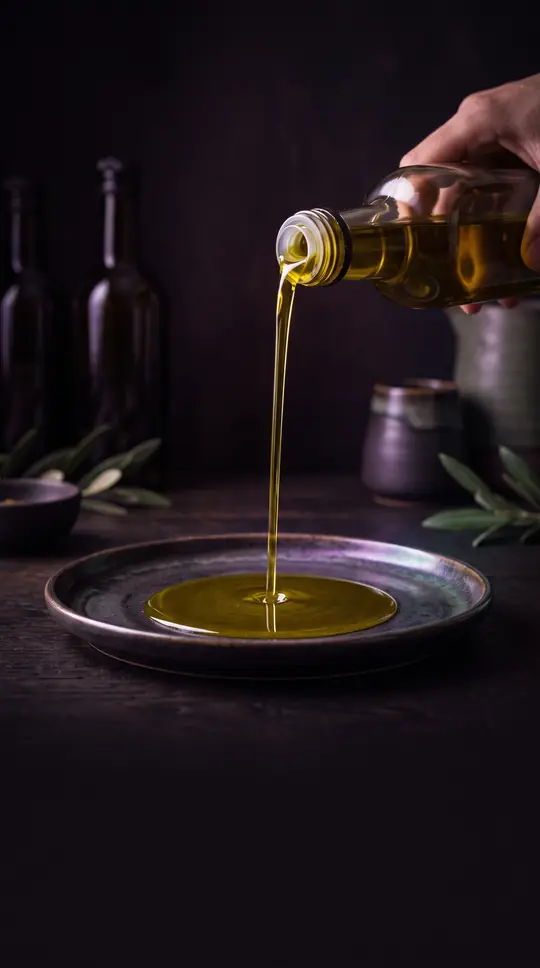 Olive presses ran by 6000 BC; margarine waited for 1901 chemistryArchaeology puts olive oil near present-day Israel by the sixth millennium BCE. Palm oil later greased Britain's industrial machines. Then Wilhelm Normann's 1901 hydrogenation tur…