 Intellect Plus
Food & Drink
4,606 cards. Each one is a 40-second story with a five-minute read behind it. Page 77 of 77.
Subtopics: African cuisine · American cuisine · Baking · Beer & brewing · Biscuits & cookies · Bread · Breakfast · Cakes & pastries · Caribbean cuisine · Cheese · Chinese cuisine · Chocolate & sweets · Coffee · Cooking techniques · Cooking, food and drink · Desserts & puddings · Dumplings & pies · Eggs & dairy · Fast food · Fermented foods · Festive food · Food brands · Food preservation · Food science · French cuisine · Fruit · German & Central European cuisine · Greek & Turkish cuisine · History of food and drink · Indian cuisine · Italian cuisine · Japanese cuisine · Kitchen tools · Korean cuisine · Meat dishes · Mexican cuisine · Middle Eastern cuisine · Mushrooms & truffles · Nordic cuisine · Nutrition & diets · Nuts, seeds & beans · Pasta & noodles · Pizza · Restaurants & dining · Rice dishes · Sandwiches · Sauces & condiments · Seafood · Soft drinks & juices · Soups & stews · Spices & herbs · Spirits & cocktails · Staple foods & grains · Street food · Sugar & sweeteners · Tea · Thai & Southeast Asian cuisine · UK & Ireland: food · Vegetables · Vegetarian & vegan · Wine
 Jain law made vegetarianism an empire-wide ban under KumarapalaLong before Manchester founded a Vegetarian Society in 1847, Jain teachers treated refusing meat as non-negotiable for monks and laypeople alike. In the twelfth century, scholar H…
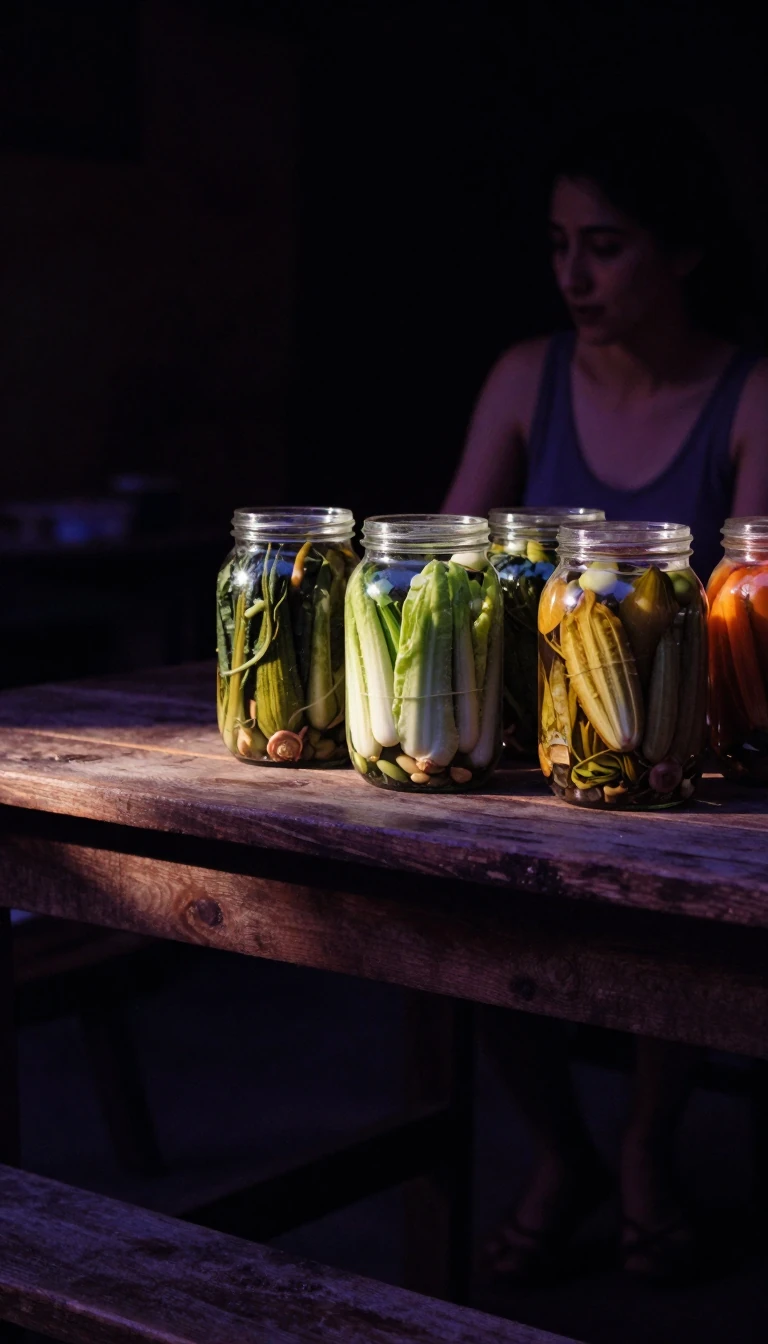 Pickling began as survival and became a worldwide cravingLong before refrigeration, people kept food edible by drowning it in brine or vinegar. Acid and salt stop microbes; bacteria can even add B vitamins. From Tigris Valley cucumbers …
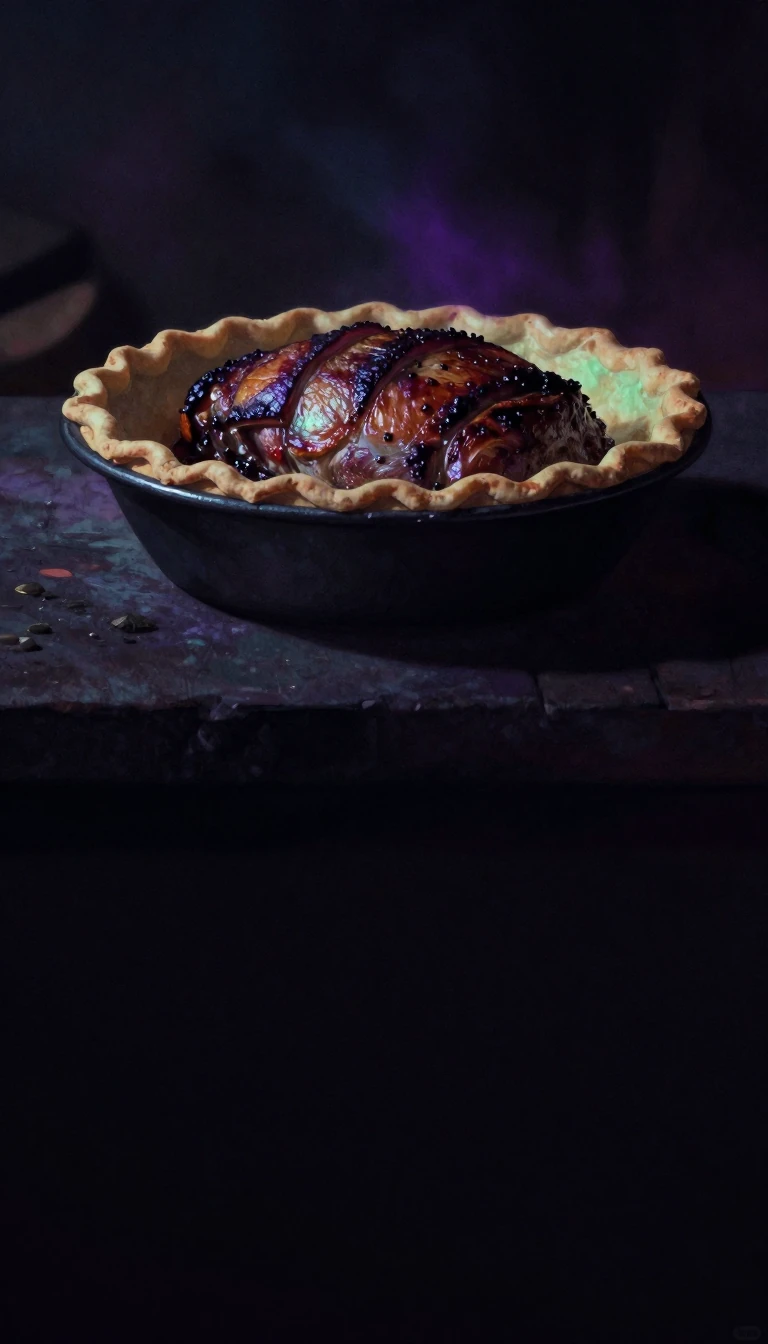 Medieval pies were edible treasure chests of mixed meatsA pie wraps sweet or savory filling in pastry—sometimes top and bottom, sometimes only one crust. The English word shows up in 1303 Yorkshire accounts, possibly linked to the magp…
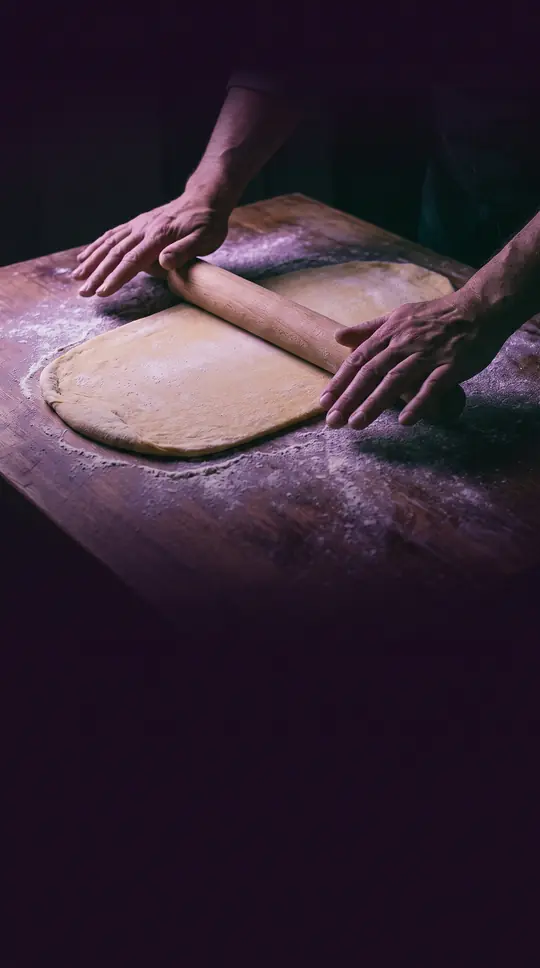 The word pizza is older than tomato sauce by centuriesA Latin note from Gaeta in 997 AD already mentions pizza, long before New World tomatoes. Today's dish—leavened flatbread with tomato, cheese, and toppings baked hot—is tied to Na…
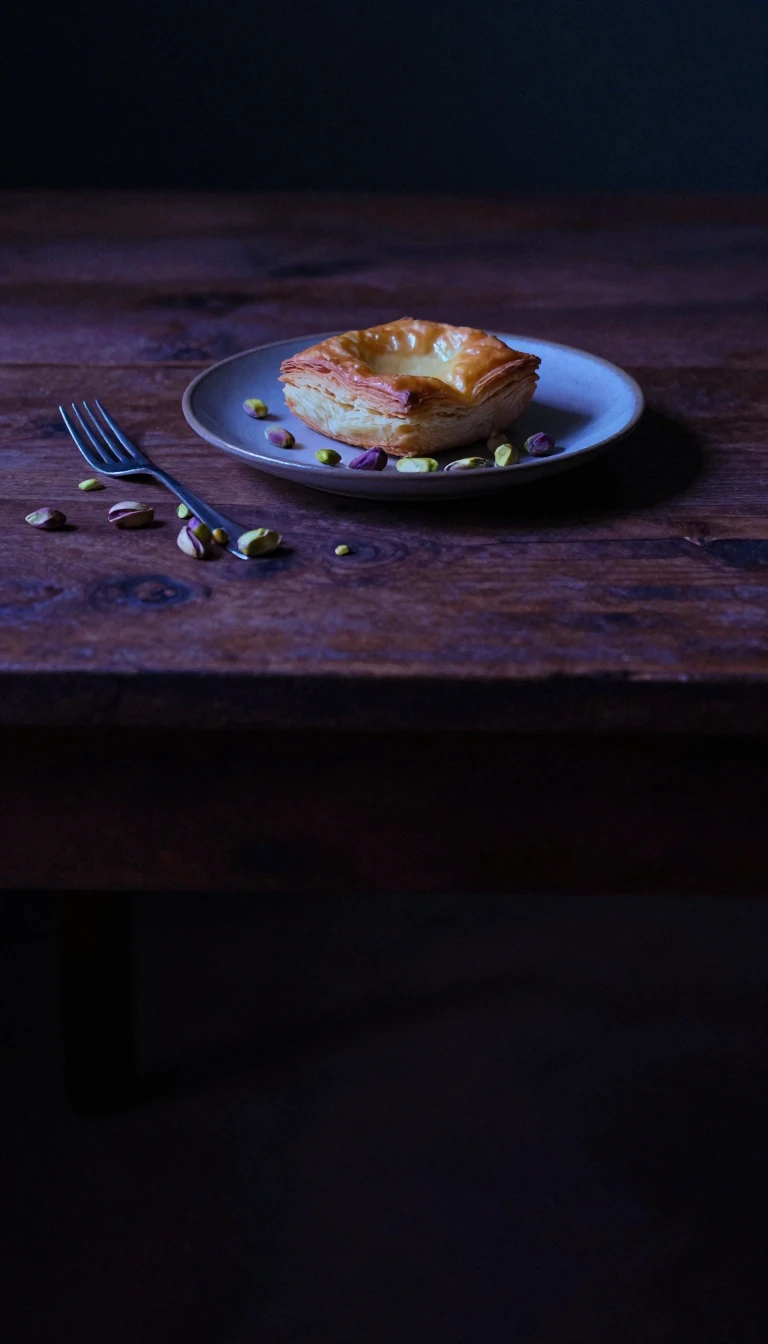 Pompeii had one hundred fifty-eight ready-food countersA restaurant prepares meals for customers to eat on site, take away, or receive by delivery. The French root means to restore. Long before Parisian dining rooms, Sumerian Lagash, …
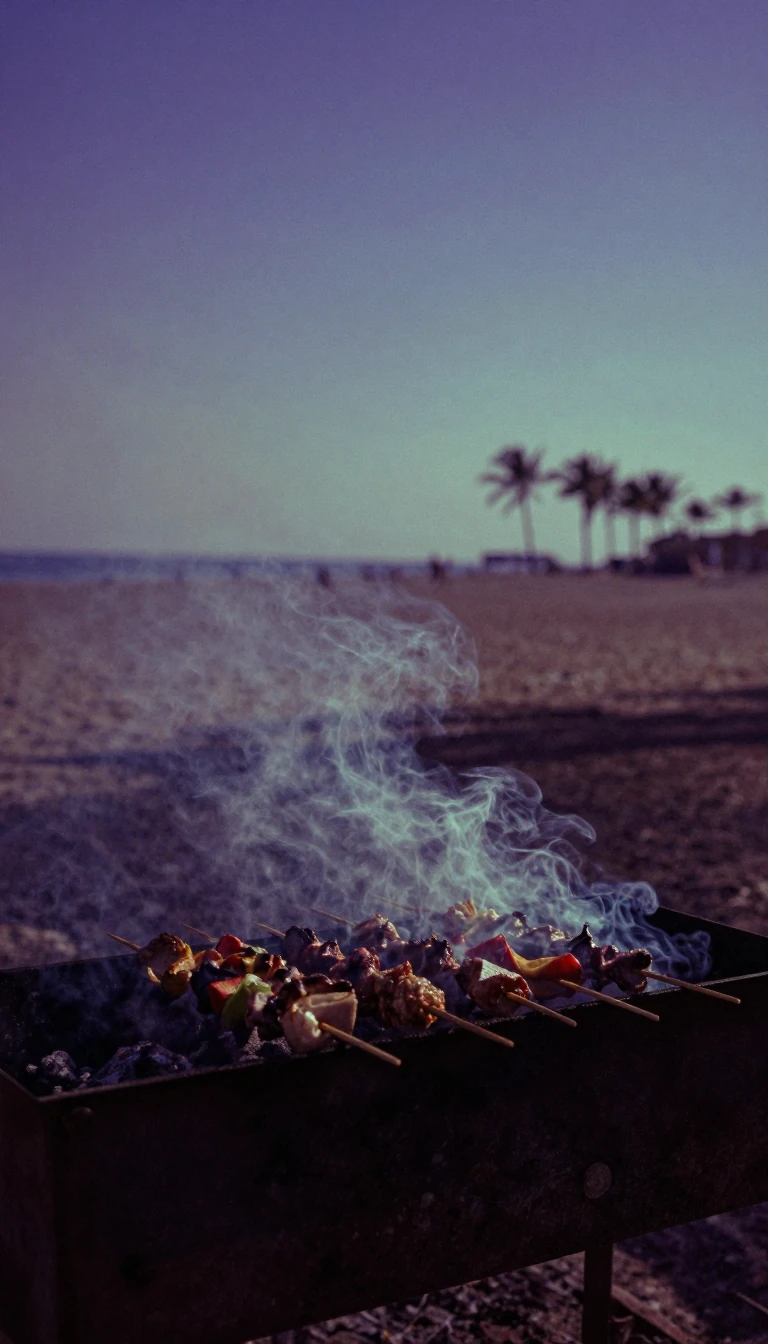 Food smoking began as Paleolithic preservation technologyExposing meat, fish, or tea to wood smoke flavors, browns, cooks, or helps preserve it. Europe favored alder and later oak; North America reaches for hickory and mesquite. Smoke a…
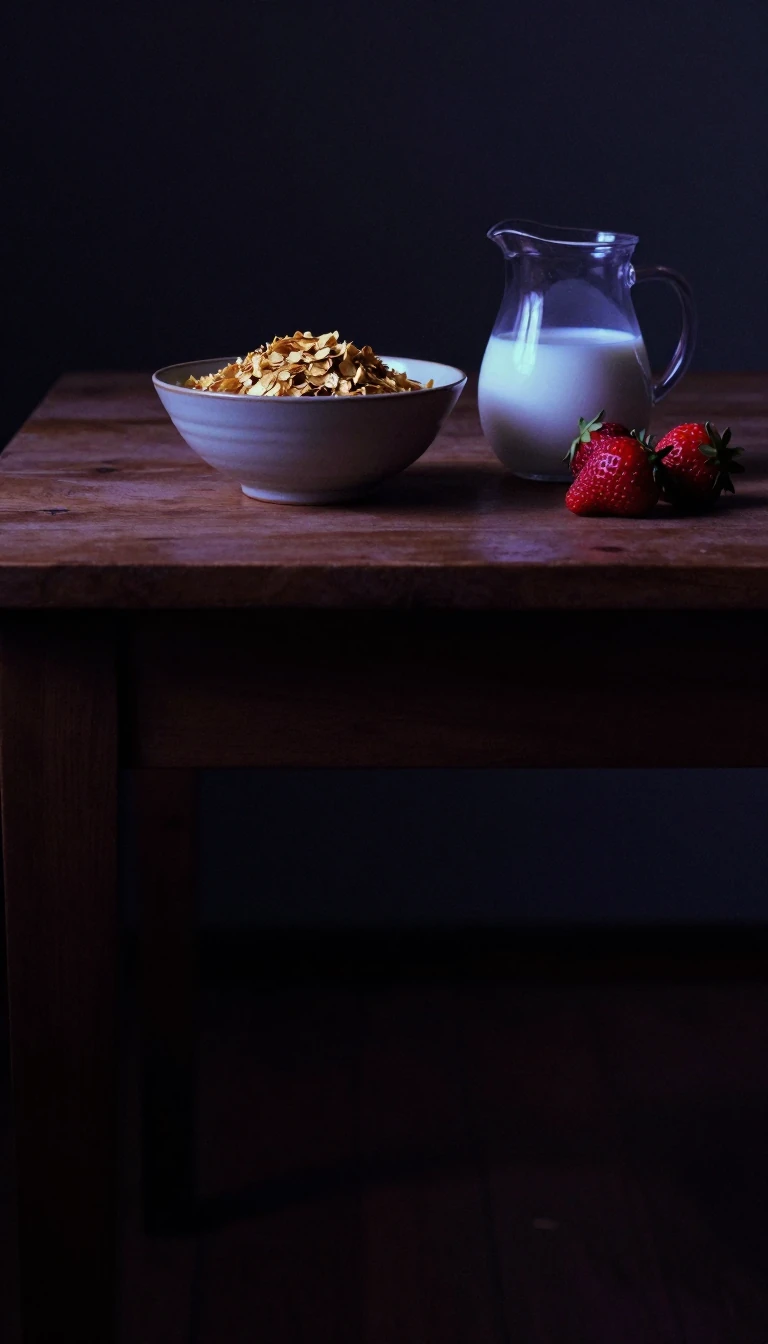 Victorian etiquette once frowned on eating without utensilsA snack is a small bite between meals—fruit, leftovers, nuts, or engineered chips built to travel. In Victorian North America, street pretzels and peanuts carried a stigma of uncl…
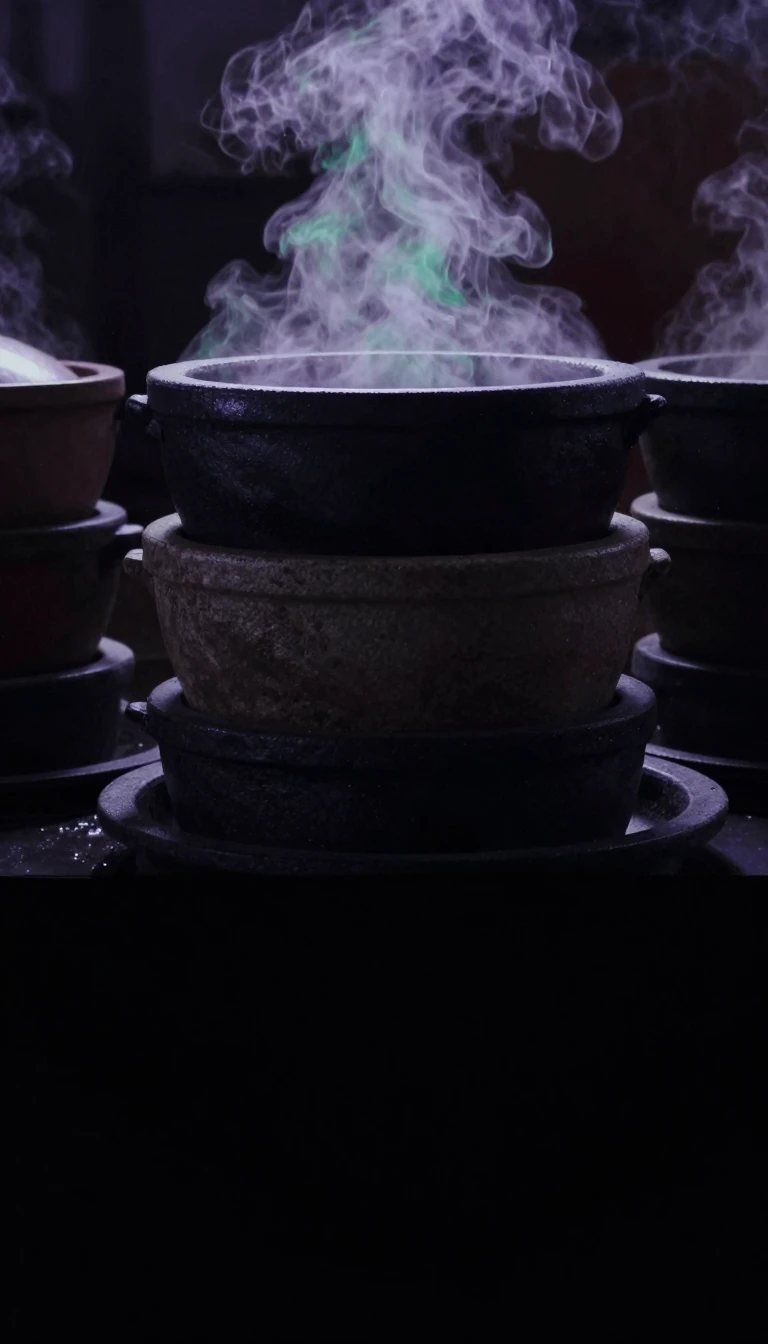 Stoneware steamers in China date back five thousand yearsSteaming cooks food in pure vapor—no air pocket—so condensate forms on the surface and runs off. It can beat boiling for speed and energy because less water must heat. Yellow Rive…
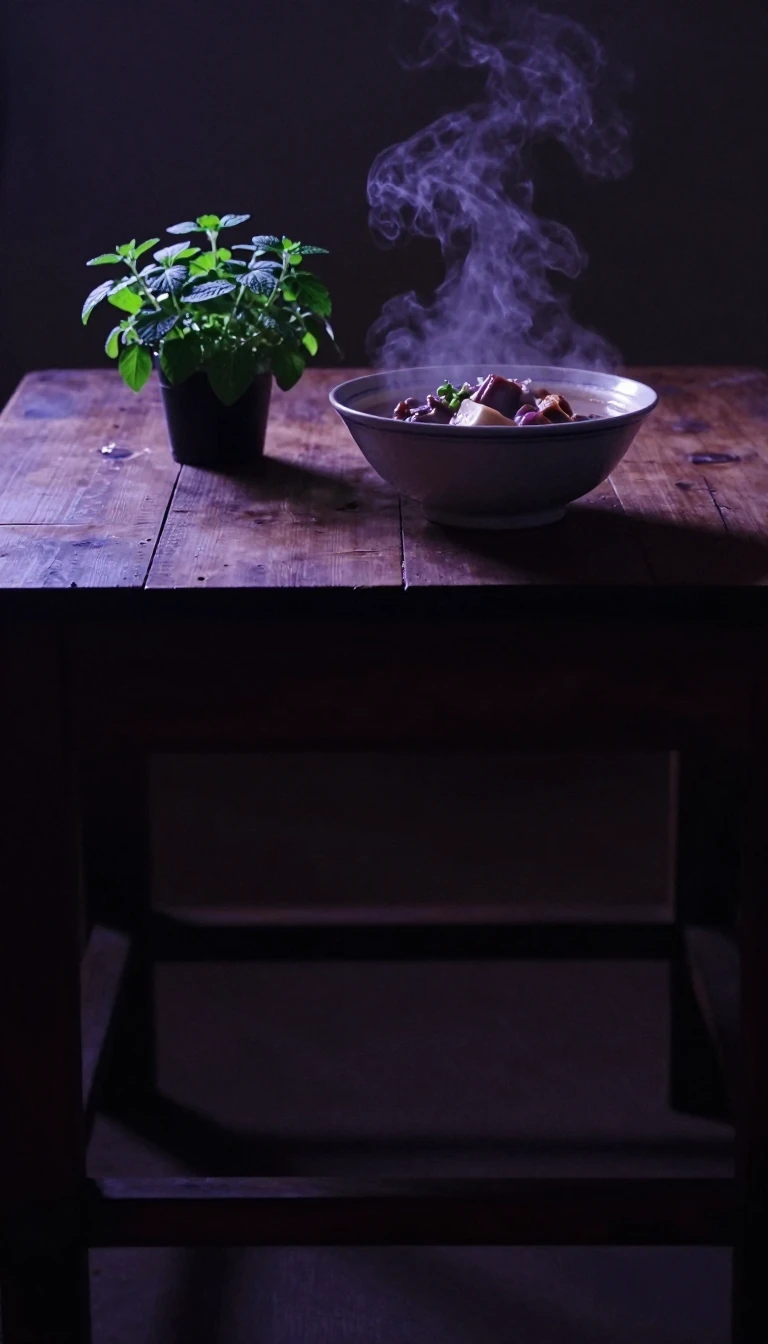 The word vegan was coined in 1944 to split from vegetarianVeganism refuses animal products in diet and, for many, in clothing and other uses, rejecting animals as commodities. People avoided animal foods long before the label. Donald and…
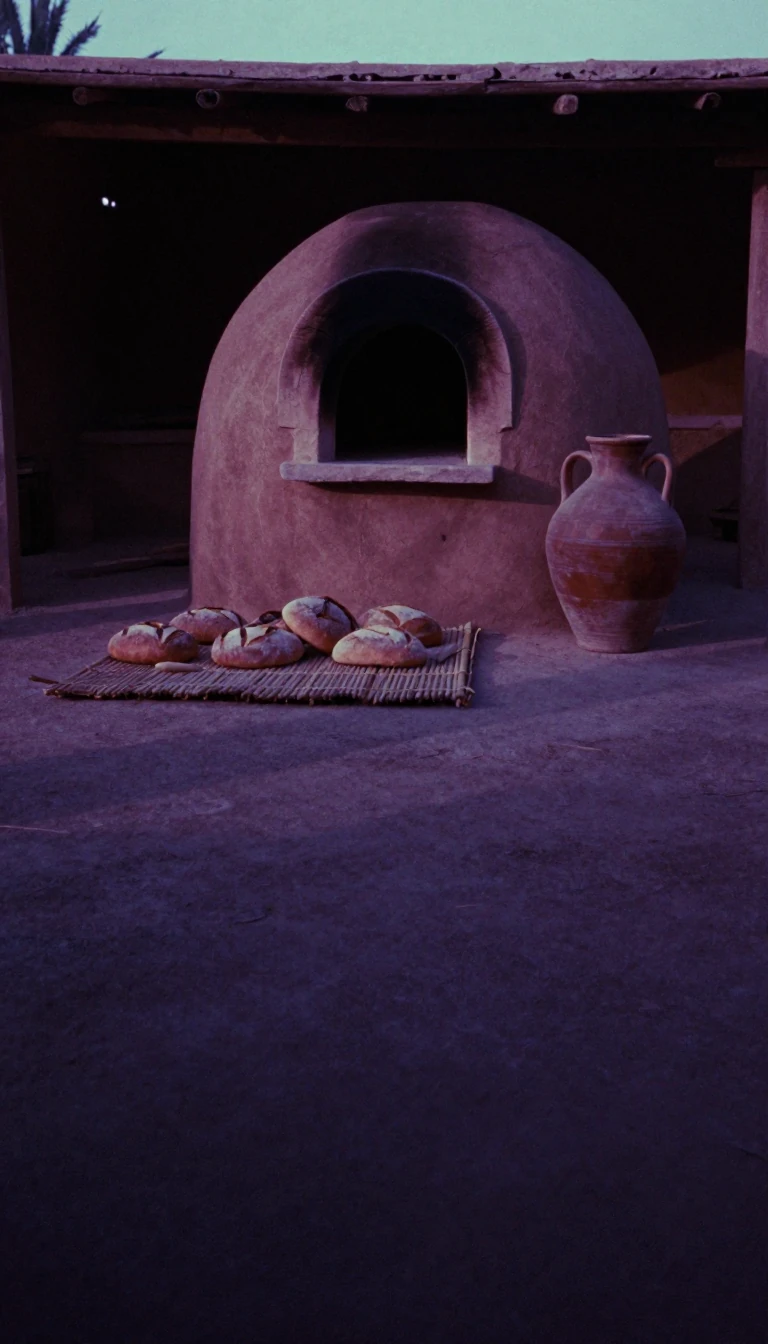 Egyptians were baking with yeast by 2600 BCEAfter mash-on-hot-rock flatbreads, Egyptians built early ovens and applied beer yeast to dough. By 2600 BCE their bread methods already resembled today’s principles. Baking is dry…
 The "bar" is named for a physical barrierBefore it meant a whole nightlife venue, bar named the counter—and the metal or wooden rail that separated staff from drinkers. Tavern, saloon, pub, and club still fold into the s…
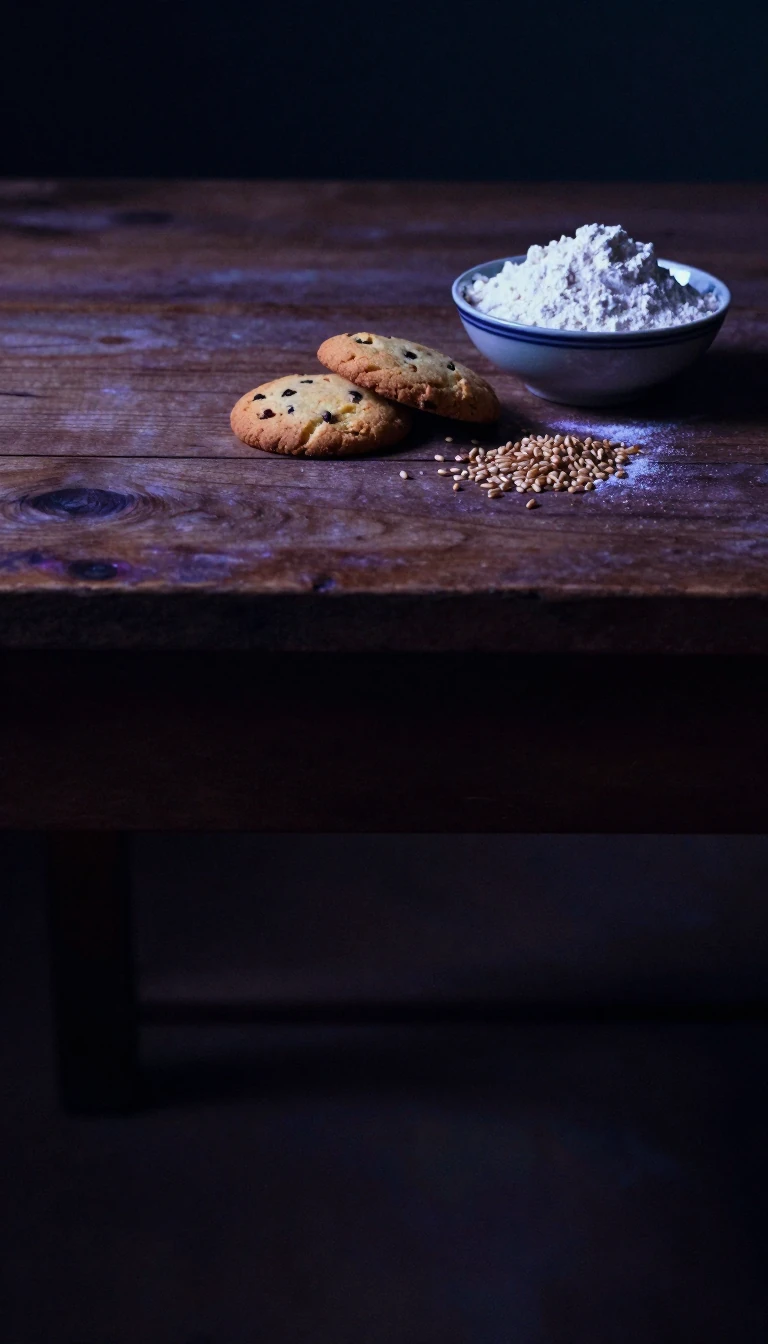 "Biscuit" means twice-cooked—and two foodsFrom Latin bis + coctus, biscuit meant baked then dried hard for keeping. In Britain that still names sweet cookies; in the United States the same word means a fluffy quick bread,…
- Cold cereal began as Victorian health foodJames Caleb Jackson’s 1863 Granula had to soak overnight—hardly "ready to eat." Battle Creek’s Adventist sanitariums then turned anti-meat reform into flakes. John Harvey Kellogg …
 Beer was brewed before cereals were farmedStone mortars at Israel’s Raqefet Cave show Natufian foragers brewing wheat- or barley-based beer about 13,000 years ago—several millennia before domesticated cereals appear in th…
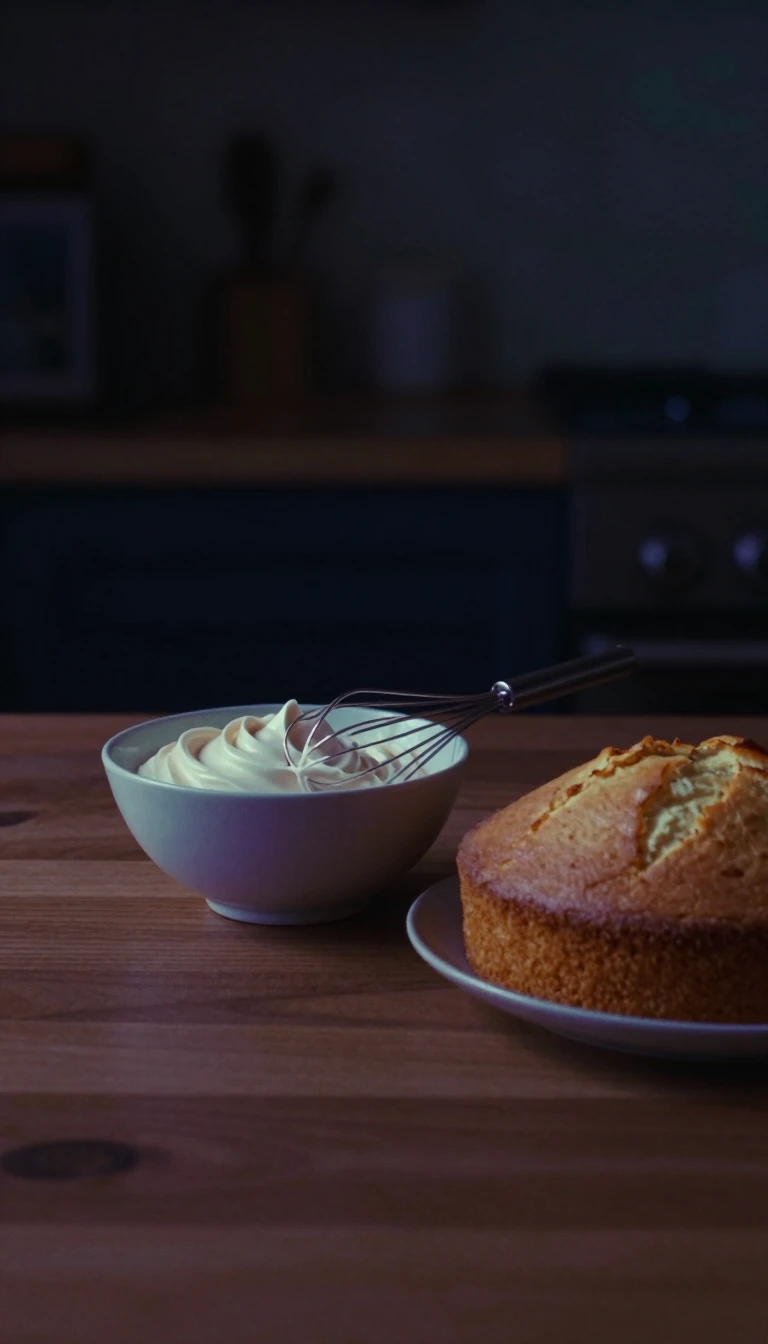 Box cake mixes were saved by frostingAfter World War II, cake mixes sold convenience—then sales slumped in the 1950s. Marketers learned the problem was emotional: baking had become too effortless. Psychologist Ernest…
 Penny candy once coated real medicineBefore factories, sweets often doubled as digestive aids—spice-and-sugar "chamber spice" at medieval banquets, or bitter drugs hidden in hard sugar shells. Nineteenth-century penn…
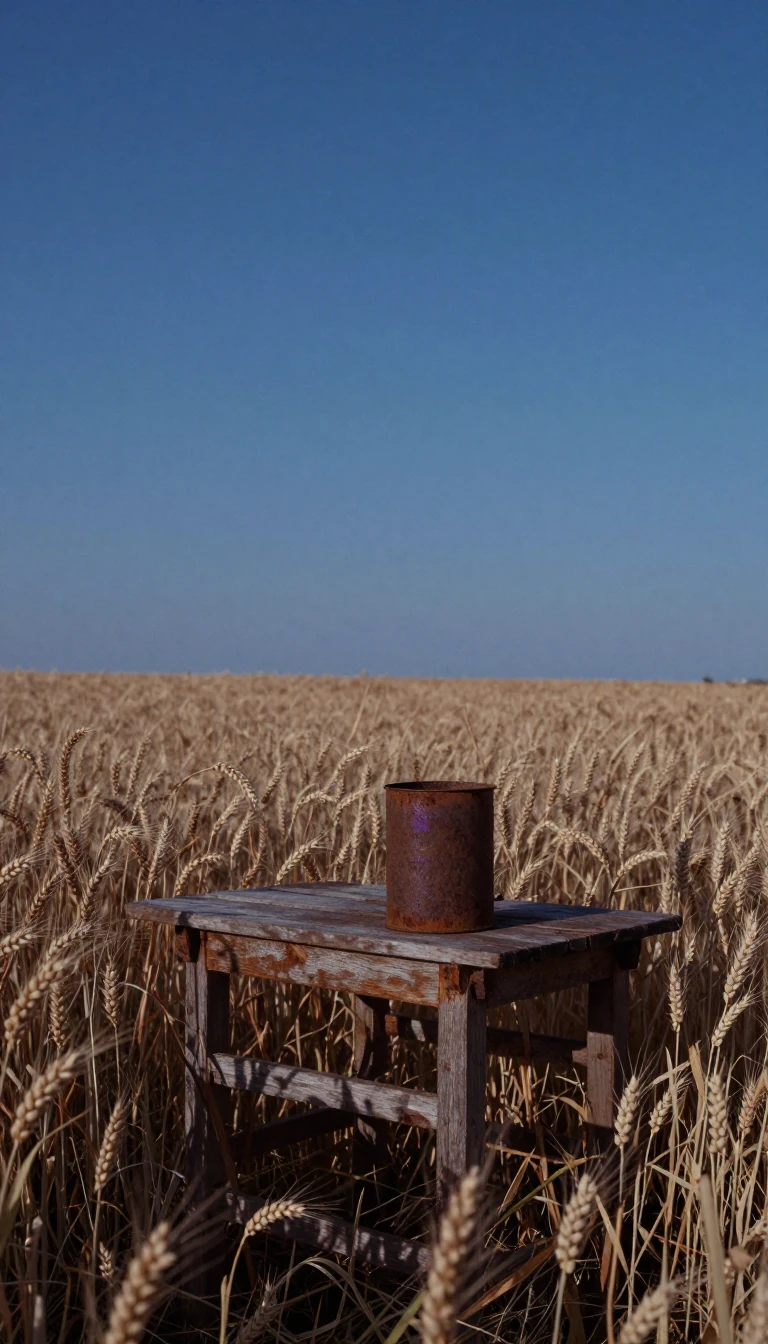 Cans arrived decades before the can openerPeter Durand’s 1810 patent led to Bryan Donkin’s airtight tinned iron cans for the British military. Openers came roughly thirty years later—so early soldiers bayoneted or smashed…
- Song China invented the modern restaurantThe first eating places that look like today’s restaurants appeared in Song dynasty China in the eleventh and twelfth centuries. Tang street food culture was already thriving by t…
 Solid chocolate is a nineteenth-century inventionFor Europeans, chocolate was long an elite drink. In 1828 Coenraad van Houten patented a press that squeezed cocoa butter from liquor, enabling cocoa powder and modern bars. Conch…
- Cooking fires may be nearly 800,000 years oldHeated fish teeth from a deep cave date controlled cooking to about 780,000 years ago, and hearths may reach 790,000 years. Unequivocal fire control is clearer after 400,000 BCE, …
 Healthy oil can turn harmful when overheatedAn oil praised at room temperature may oxidize into trouble once pushed past its heat limit—especially if reused. Polyunsaturated fats spoil fastest in hot air. Matching smoke poi…
 Tomatoes are Italian only after the AmericasCuisine feels timeless, yet many "signature" ingredients are migrants. American tomatoes, chilies, and potatoes remade Italian, Indian, and Irish cooking after the Columbian excha…
 Cooking schools are newer than fire by farHumans may have roasted meat nearly two million years ago, yet the first U.S. cooking school—the Boston Cooking School—opened only in 1879. For most of history, culinary skill pas…
 Curry is a British lumping of Indian dishesIndians named stews by their spices and methods—dopiaza, rogan josh—not by one catch-all. British colonial kitchens bundled them as "curry," a word likely from Dravidian kaṟi via …
- Dessert once meant clearing the table, not cakeFrench desservir means to clear the table; dessert named the last course after plates were removed. Storeroom fruits, nuts, cheese, and ices filled that slot, while hot pastries l…
- Low-fat and low-carb diets tie when calories matchWeight change tracks energy intake more than which macronutrient you cut. Trials comparing low-fat, low-carb, and similar calorie-reduced plans find no clear winner—long-term stic…
 Dinner’s clock was a status symbolLouis XIV ate his main meal at noon. By 1765 George III dined at 4 p.m.; fashionable Paris shocked English visitors by waiting until 7. A mid-Victorian satire sneered that dining …
 Alcoholic drinks are older than written historyWine residues from roughly 6000 BCE in Georgia and 5000 BCE in Iran push fermentation deep into prehistory. Beer may reach Neolithic Europe by 3000 BCE. Humans were brewing social…
 Cats drink by pulling a water column with their tongueDogs scoop like ladles; cats barely tip the tongue, then snatch it back so a thin column of liquid follows into the mouth before the jaws close. Ruminants plunge their muzzles. Sa…
- China has dumplings but no single word for themEnglish groups jiaozi, wontons, and steamed buns under one label; Chinese cooks treat those as separate dishes without a unifying category. The English word itself only settled by…
- Your gut hormones decide when a meal endsHunger is not only an empty stomach. Ghrelin signals the brain to seek food; cholecystokinin, peptide YY, insulin, and fat-derived leptin push satiety. Eat too fast and those stop…
 White Castle sold five-cent burgers before McDonald’sBilly Ingram and Walter Anderson’s White Castle, opened in Wichita in 1921 after Anderson’s 1916 prototype, is widely credited as the first hamburger chain—limited menu, visible c…
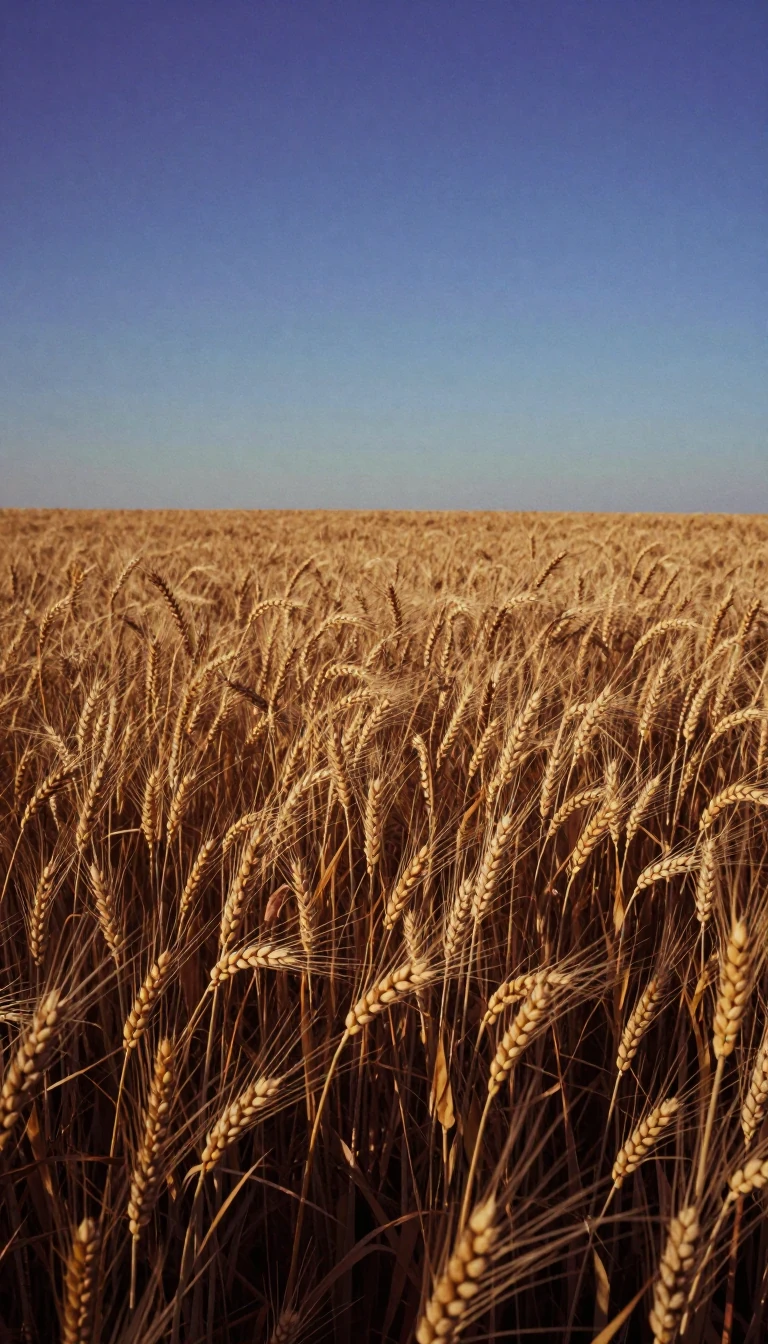 Three grains supply most of the world’s cereal energyCorn, wheat, and rice together make about 87% of all grain grown on Earth. Just over half of global crops feed people directly; the rest go mainly to livestock and biofuels. The p…
- Canning worked before anyone knew whyFrench confectioner Nicolas Appert sealed cooked food in jars and boiled them; by 1806 the French Navy was using his method on meat, fruit, vegetables, and milk. Only in 1864 did …
- French haute cuisine began by rejecting Italian excessIn the 1600s and 1700s, cooks such as La Varenne and later Carême steered French kitchens away from foreign—especially Italian—models toward a lighter native style. UNESCO later c…
 Jam sets when sugar, acid, and pectin meet heatEqual weights of fruit and sugar, boiled to about 104°C, let natural acid and pectin lock into a gel as the pot cools. Low-pectin strawberries need help from oranges, powder, or c…
- Fried food keeps absorbing oil after you lift itWhile food sits in 150–200°C oil, water boils out and a crust forms that slows further fat uptake. Once the piece cools below 100°C, steam inside collapses and a vacuum pulls more…
- Grill flavor starts only above 155°CThat roasted crust on a steak is not smoke alone. The Maillard reaction—the chemistry behind grilled aroma—needs surface temperatures above 155°C (310°F). Direct grilling often pu…
- India’s chilli heat arrived from MexicoBy three thousand years before the Common Era, Indian growers already raised turmeric, cardamom, black pepper, and mustard. The chilli that now defines many curries, though, is a …
- Italy’s "traditional" tomatoes arrived from the AmericasPizza, pasta sauce, and much of what the world calls Italian food lean on New World crops. Potatoes, tomatoes, peppers, and maize entered after contact with the Americas; sugar be…
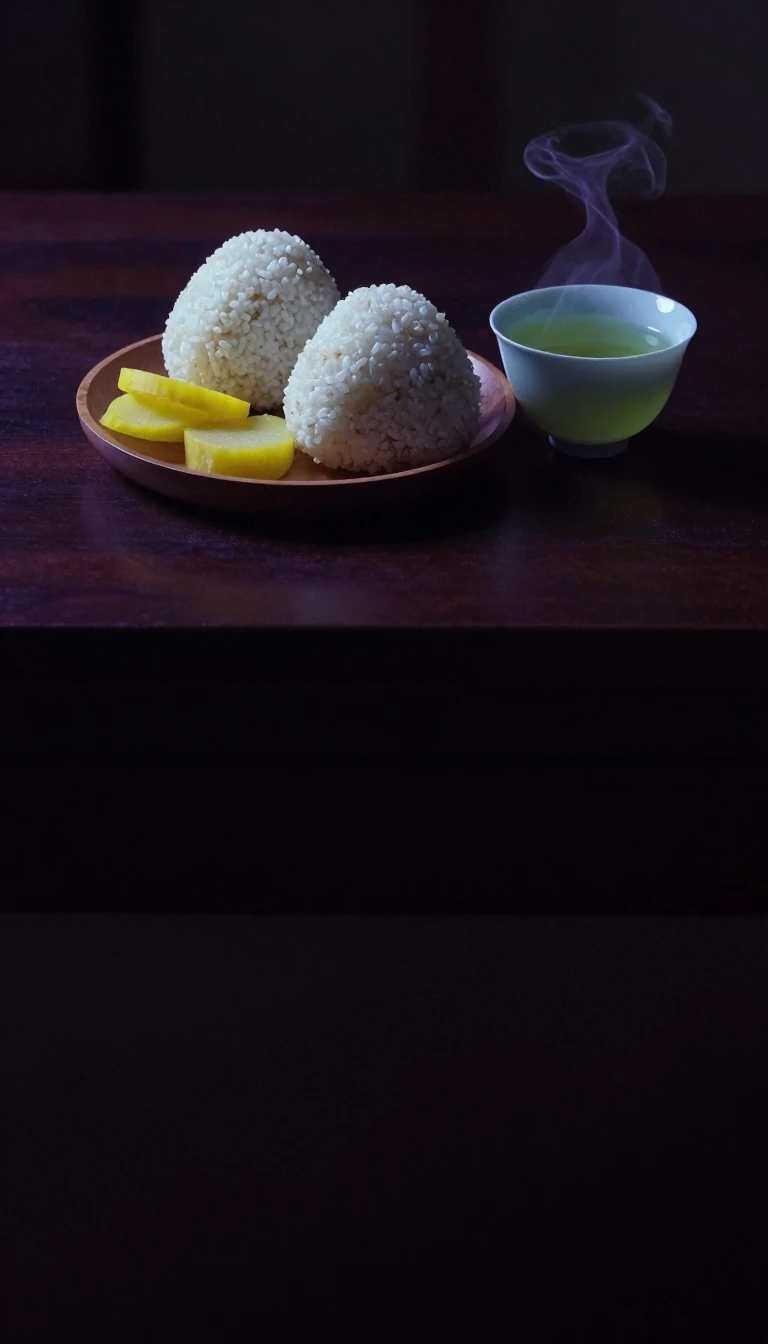 Sushi began as a way to keep fish from rottingLong before nigiri counters, Japanese cooks packed salted fish in boiled rice so lactic fermentation would slow spoilage. Centuries later the rice became the point of the dish, fe…
- Lunch filled the gap when dinner slid laterIn medieval Europe the main meal, then called dinner, landed late morning after hours of work. As English dinner crept into the evening through the late 1600s and 1700s, a lighter…
- Dinner moved to evening when work left homeBefore the 1800s, breakfast was often toast or porridge and the day’s main meal—dinner—came around noon after hours of labor. When workplaces drifted farther from home in the late…
- UNESCO listed Mexican cooking as living heritageIn 2010, traditional Mexican cuisine joined UNESCO’s Intangible Cultural Heritage list—not for a single dish, but for techniques rooted in Mesoamerican farming. Maize, chile, and …
 The oldest noodles found so far are four millennia oldIn 2005, diggers at China’s Lajia site lifted an earthenware bowl holding noodles about 4,000 years old, linked to the Qijia culture and said to resemble lamian. Later critics que…
- Marco Polo did not bring pasta to ItalyThe tale that a Venetian explorer carried noodles home from China is treated by many historians as advertising folklore. Sicily was already shipping dried string-dough called itri…