 Intellect Plus
Anatomy and morphology
570 cards. Each one is a 40-second story with a five-minute read behind it. Page 9 of 10.
 Skeletons can be armor outside or scaffolding withinA skeleton is the structural frame supporting most animals—exoskeleton shells, endoskeleton bones, or hydrostatic fluid bags. Vertebrates build endoskeletons around a vertebral co…
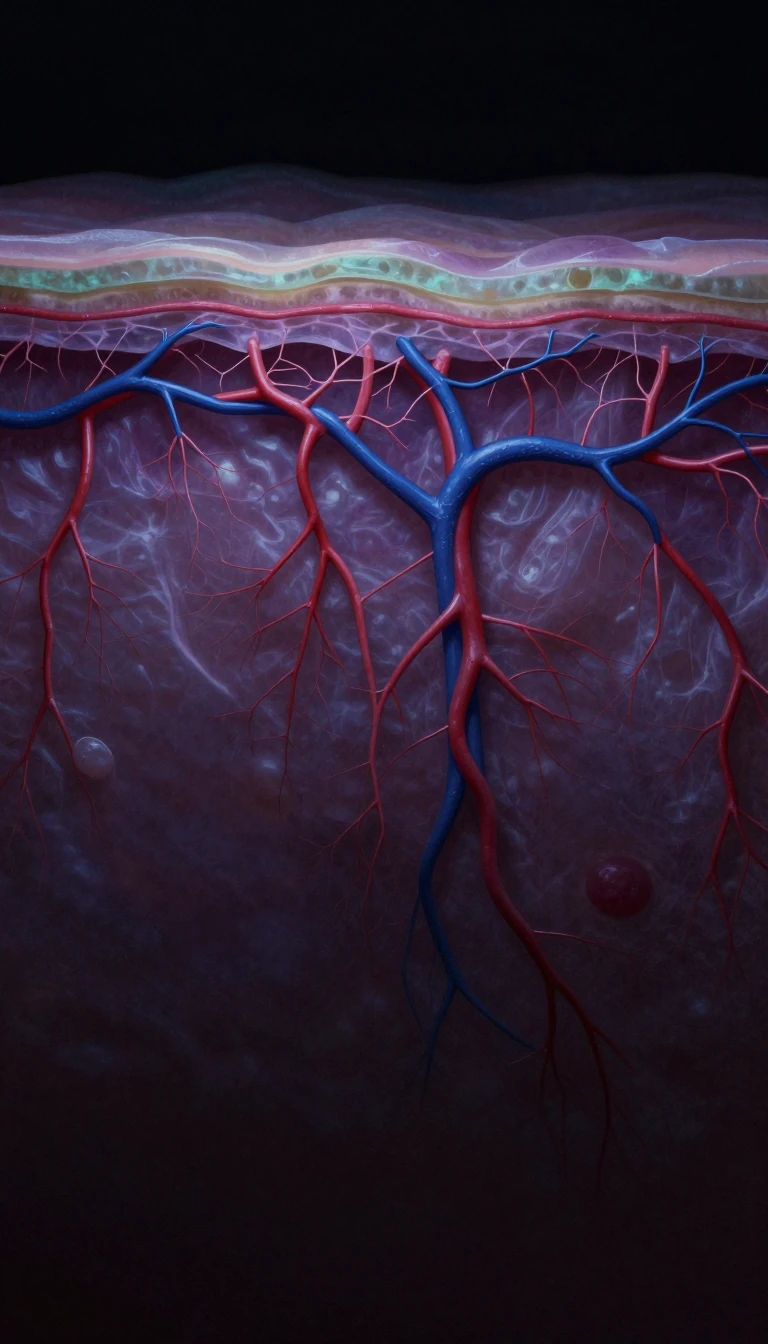 Skin is living armor that senses, seals, and sweatsVertebrate skin is soft outer tissue with three headline jobs: protection, regulation, and sensation. It blocks pathogens and water loss, hosts hair even on 'hairless' whales, and…
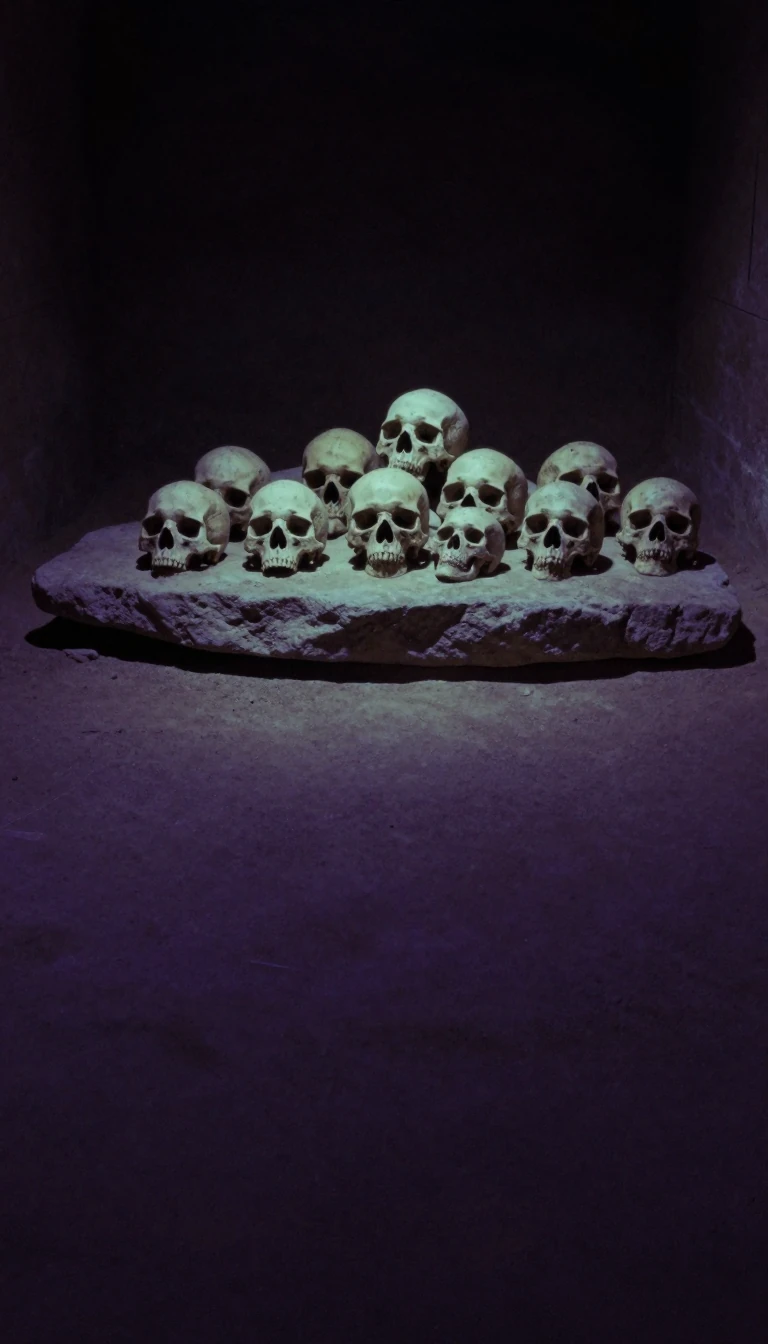 Your skull is a braincase welded to a faceA skull or cranium is usually bony armor around a vertebrate brain; some fish and amphibians keep it cartilaginous. In humans it joins neurocranium and facial skeleton from the fi…
 Most of your meal is absorbed in a three-part tubeThe small intestine sits between stomach and colon, taking bile and pancreatic juice while absorbing most nutrients. Duodenum, jejunum, and ileum divide the labor along a living l…
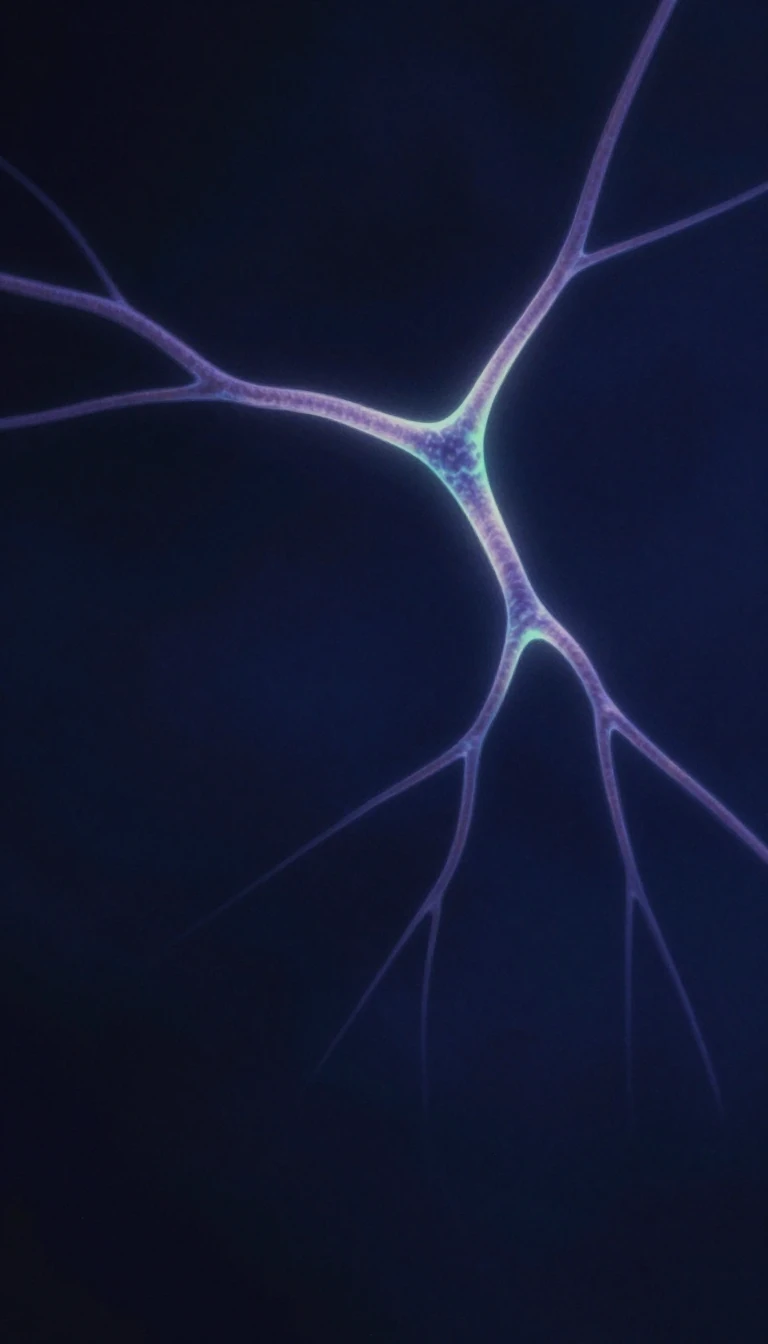 Touch, pain, and temperature share one body mapThe somatosensory system, part of sensory nerves, senses the outside world, the inside body, and helps regulate movement. One subdivision handles touch, vibration, pressure, and s…
 About fifty thousand species share a backbone planThe spinal column—vertebral column, spine, or backbone—is the axial skeleton's core and the trait that names vertebrates. Roughly fifty thousand animal species have one. Humans us…
 A thumb-thick cable that outsources reflexes from the brainThe spinal cord is a long thin tube of nerve tissue running from the medulla through the vertebral canal to the lumbar region. In people it averages about forty-five centimeters i…
 A fist-sized blood filter tucked under the left ribsThe spleen, or milt, sits near the liver in almost all vertebrates and works like a large lymph node that filters blood. It culls old red cells, stores reserve blood, recycles iro…
 Only therian mammals wear a nose fully separate from the mouthA nose is both air conditioner and smell detector: external nostrils feed a nasal cavity that filters, warms, and samples the world before lungs see it. Humans sit it mid-face; in…
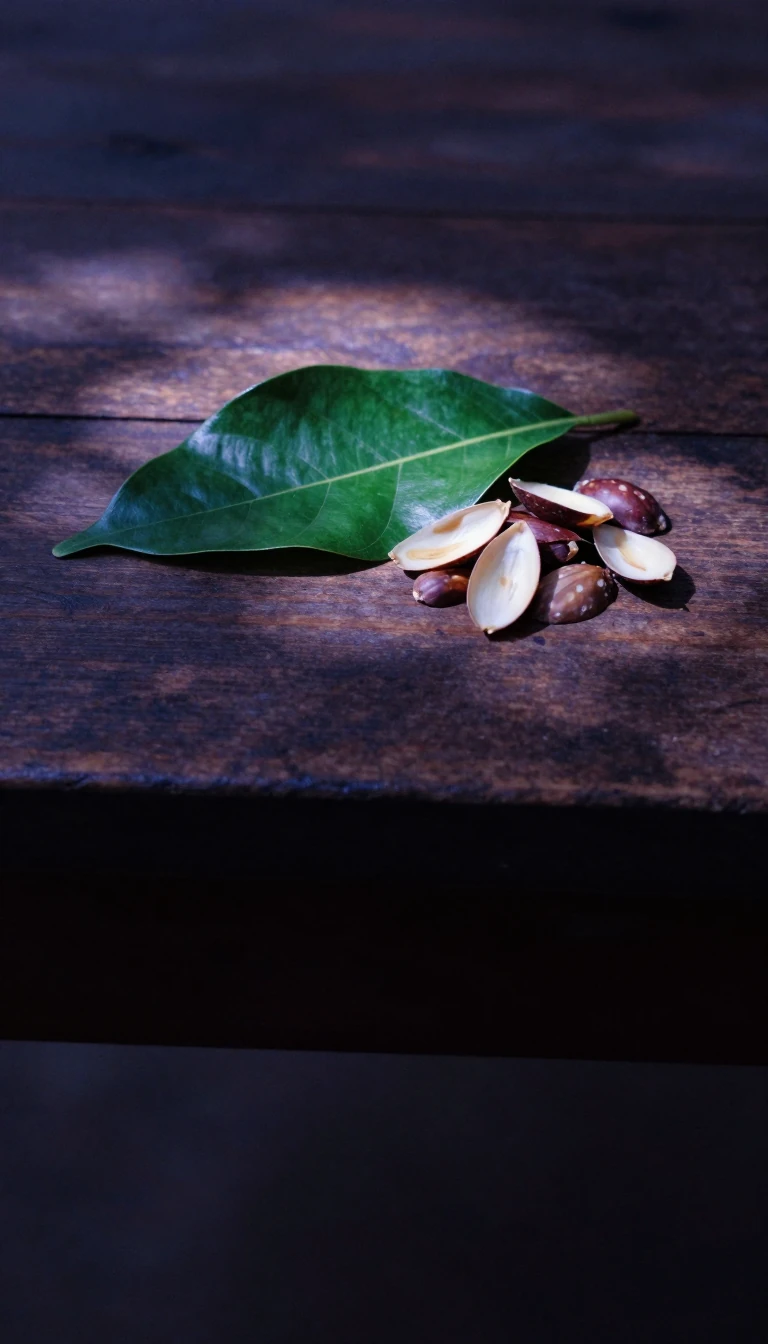 True botanical nuts refuse to open—and that changes dispersalBotanically, a nut is a tough-shelled fruit that stays shut—indehiscent—around a single seed. Hazelnuts, chestnuts, and acorns qualify; many grocery “nuts” do not. Because the arm…
 A smell is a sparse cloud of molecules read as a patternAn odor is one or more volatile chemicals, often at low concentration, that noses translate into scent. Millions of olfactory receptor neurons in a rear nasal patch bind odorants,…
- Smell has a main airway path and a fluid-sensing sidekickThe olfactory system is the sensory gear for smell. Most mammals and reptiles run a main system for airborne chemicals plus an accessory system for fluid-phase cues. Together with…
- Organs sit between tissues and systems—with fuzzy human countsAn organ is tissues united structurally to share a function—midway between tissue and organ system. Parenchyma does the specialty work; stroma supports with vessels, nerves, and c…
 Ovaries are gonads that release eggs and rewrite hormonesIn humans each ovary is a gonad: it ripens and releases egg cells while secreting sex hormones and inhibin that brakes pituitary FSH. Paired glands flank the uterus, linked by fal…
 Pain is the symptom that most often opens the clinic doorPain is a distressing feeling tied to actual or potential tissue harm—an IASP definition that includes sensory and emotional halves. It pushes animals to withdraw, guard, and lear…
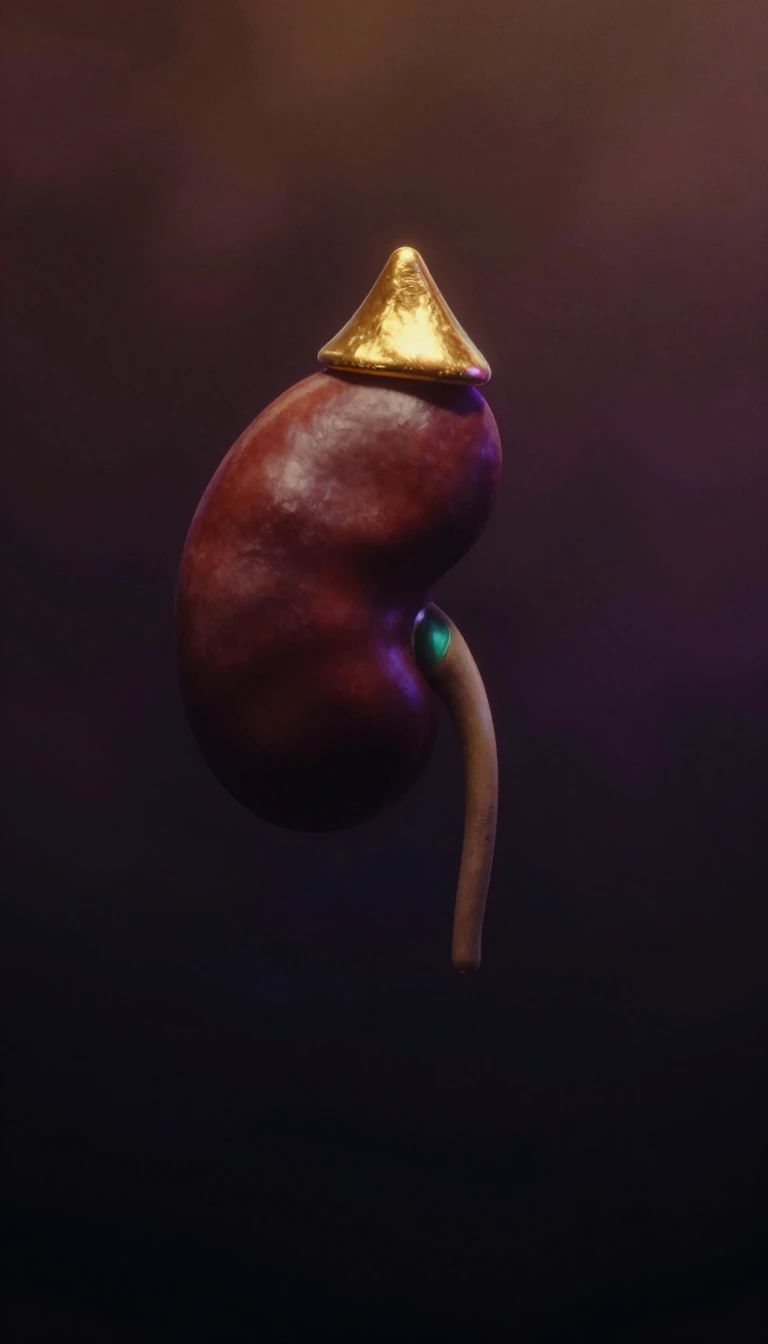 One gland is ninety-nine percent digestive, one percent hormonalThe pancreas is a mixed gland behind the stomach: about ninety-nine percent exocrine for digestion, one percent endocrine for blood sugar. Pancreatitis often tracks alcohol or gal…
- The pelvis is a basin bridging spine, legs, and birthThe pelvis is the trunk’s lower story between abdomen and thighs—bony ring, cavity, floor, and perineum together. Hip bones meet the sacrum and coccyx behind and each other in fro…
- Outside brain and cord, nerves and ganglia still run the bodyThe peripheral nervous system is everything neural beyond brain and spinal cord—nerves and ganglia linking center to edge in bilateral animals. It splits into somatic and autonomi…
 A temporary organ may carry an ancient viral gene signatureThe placenta is a transient organ mediating exchange between mother and offspring, evolved repeatedly—including multiple times in fish and in some reptiles—and crucial to placenta…
 Plant anatomy left the garden surface for the microscopePlant anatomy—phytotomy—now means internal structure, especially cells and tissues, split from morphology’s outer form since mid-twentieth-century habit. Theophrastus sketched mor…
 Plant shape is compared, scaled, and never finished growingPlant morphology studies outer form and development—distinct from anatomy’s inner microscopy—and underwrites visual identification. Investigators compare homologues, map vegetativ…
 Stems are the plant’s scaffold, pipes, and renewable tissue factoryA vascular plant’s stem shares axis duty with the root: holding leaves and flowers to the light, shipping water and sugars in xylem and phloem, storing reserves, sometimes photosy…
- Most vertebrates ride on red cells—except icefish in icy seasRed blood cells, or erythrocytes, are the commonest blood cells and vertebrates’ main oxygen delivery vans. Human adults make about 2.4 million per second; each mature disk holds …
 Sponges get by without nerves; almost nothing else doesA nervous system coordinates action and sensation by shuttling electrochemical signals through the body, usually in tandem with hormones. Sponges, placozoans, and mesozoans are th…
- Neural tissue is neurons plus a cast of support cellsNervous tissue builds both the central brain-and-cord axis and the branching peripheral web. Neurons fire the impulses, yet much of the bulk is neuroglia—astrocytes, microglia, ol…
- Nerve cells invented electricity hundreds of millions of years agoA neuron is an excitable cell that fires action potentials and talks across synapses. Plants and fungi lack them; sponges and placozoans skip neural tissue too. Molecular clues pu…
- Unlike blood, the body’s lymph flows through an open-ended networkAlongside the blood vessels runs a second network of vessels, nodes and organs that carries lymph, the fluid that seeps out of blood into the tissues. Described independently by O…
 Plants keep pockets of stem cells working at their tips for lifeA meristem is plant tissue made of stem cells that never stop dividing and can become any cell type. Every leaf, flower, root and ring of wood traces back to one. The Swiss botani…
 Crocodiles can replace each of their 80 teeth up to 50 timesThe mouth is where most animals take in food, and often where they make sounds. In many animals, including ours, it is the front door of a gut with a separate exit, but in sea ane…
 Named for a mouse: the tissue that flexes like oneMuscle is one of the four basic animal tissues, and vertebrates have three kinds: skeletal, cardiac and smooth. The word itself is a joke about mice. Latin musculus means little m…
- Three myocyte types, and a biceps with a quarter-million fibersVertebrates build muscle from three kinds of cell: skeletal, smooth and cardiac. Skeletal muscle cells are long threads formed when many precursor cells fuse, so each carries many…
- Over six hundred muscles, about forty percent of youThe muscular system combines skeletal, cardiac and smooth muscle to move the body, hold it upright, pump blood and keep it warm. An adult has more than 600 skeletal muscles, the e…
 Fungal threads may make up a quarter of soil’s living massMycelium is the hidden body of a fungus: a tangle of branching threads that digests food outside itself and then absorbs the pieces. These networks may account for 20 to 30 percen…
 Nails do not keep growing after death, and they soak up more than skinNails are plates of alpha-keratin, the same protein found in claws, hooves and horns, and almost every primate has them except marmosets. Fingernails grow about 3.5 millimetres a …
 Fungal threads a few microns wide may total 110 quadrillion kilometresA hypha is a long, branching thread built by fungi, oomycetes and some actinobacteria, and a mass of them makes a mycelium. Each is only about four to six micrometres wide, yet th…
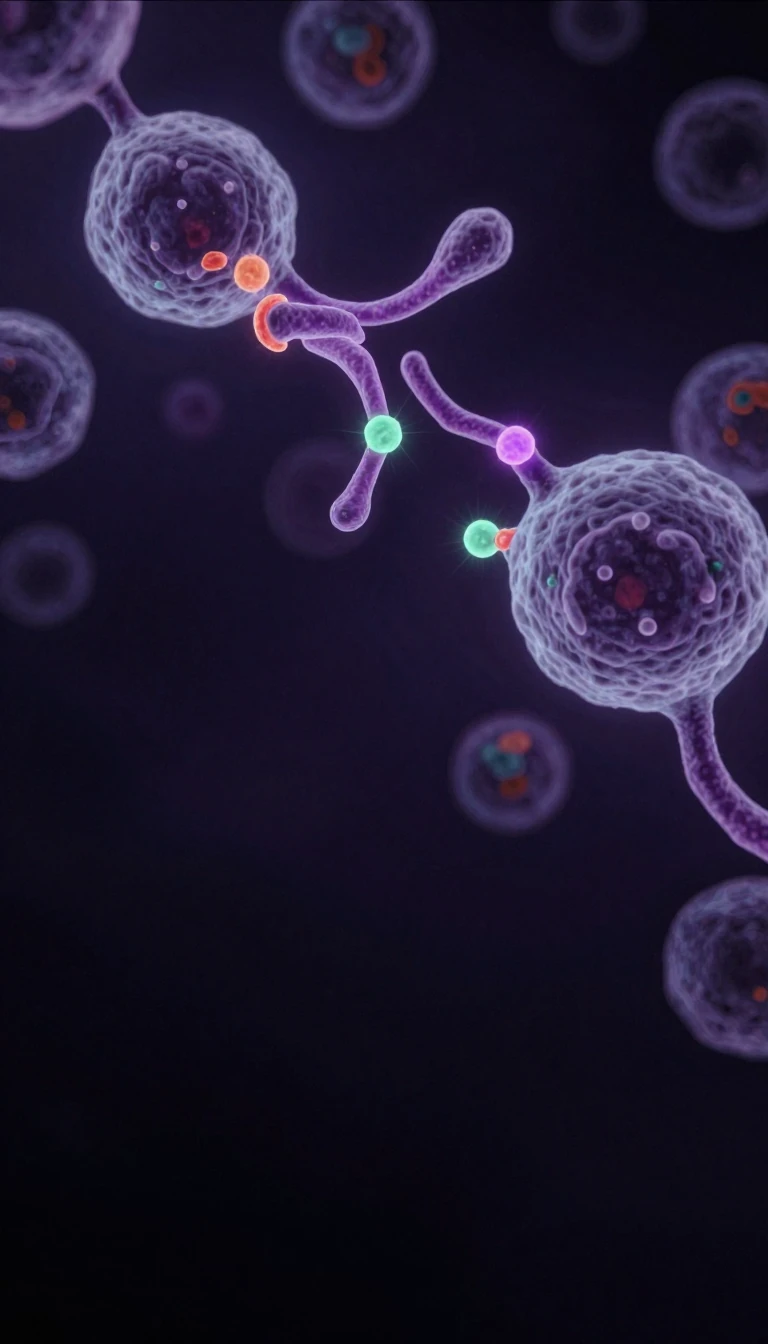 Layered defenses that must know self from strangerThe immune system is a network that finds and fights viruses, bacteria, parasites, cancer cells and even wood splinters, while sparing the body’s own healthy tissue. Almost every …
- Skin alone can be twelve percent of your body weightThe integumentary system is an animal’s outer shell of organs: skin, hair, scales, feathers, hooves, claws and nails. In people the skin alone covers about 1.5 to 2 square metres …
 Jaws may have begun as better gill pumps, not better bitesJaws are paired, hinged structures at the mouth for seizing and handling food. Arthropod jaws are made of chitin and close from the sides; vertebrate jaws are bone or cartilage an…
- From frictionless knees to fused skull sutures, joints come in many designsA joint is any place where bones or other hard parts meet to make a working skeleton. Some, like the knee and shoulder, lubricate themselves and glide almost without friction unde…
- Your kidneys filter 180 litres a day and keep almost all of itThe kidneys are two reddish-brown, bean-shaped organs tucked against the back wall of the abdomen, each about 12 centimetres long. They take a fifth to a quarter of the heart’s ou…
 A colon that can stretch from 80 centimetres to over three metresThe large intestine is the final stretch of the gut in four-limbed animals, where water and salts are pulled back from waste and faeces wait in the rectum. It is called large for …
- One plant keeps the same two leaves for over a thousand yearsA leaf is the main side-branch of a plant stem, built above all for photosynthesis. Most are thin, flat and broad to catch light, but leaves can also become pea tendrils, cactus s…
 About 900 ligaments hold an adult body together, and most cannot regrowLigaments are tough bands of fibrous tissue that join bone to bone, and in birds and dinosaurs they also anchor flight feathers to bone. All 30,000 or so species of amniotes have …
- The largest internal organ you cannot yet replace long-termThe liver is a vertebrate-only organ that clears toxins, builds proteins, stores nutrients and makes bile. In people it weighs about 1.5 kilograms, making it the heaviest internal…
 Two sponges that begin as a gut outpouchingLungs swap gases for many animals, pulling oxygen from the air into the blood and returning carbon dioxide. A human pair weighs about 1.3 kilograms, and they are not twins: the ri…
- Your skin’s outer sheet has no blood vessels of its ownEpithelium is a thin cellular blanket with almost no extracellular matrix—think epidermis on skin, or the linings of organs and vessels. It is one of four basic animal tissues, ye…
 A twenty-five centimetre tube hides four choke pointsThe esophagus—also called the gullet—is a fibromuscular pipe about 25 cm long in adults, ferrying food by peristalsis from pharynx to stomach behind trachea and heart. Four anatom…
 Vision reinvented itself in ten different optical layoutsEyes turn light into electrochemical neural signals. Resolving designs fall into about ten fundamental layouts, split between compound arrays and single-lens cameras. Proto-eyes a…
 Feathers can outweigh a bird’s hollow skeletonFeathers are the most complex vertebrate skin appendages—shared by birds and some extinct dinosaurs—and they grow only from defined skin tracts. For flight, insulation, and displa…
 Fertilization usually happens in a tube, not the uterusThe human female reproductive tract links ovaries, fallopian tubes, uterus, cervix, and vagina, maturing only at puberty. An ovary releases an ovum each cycle; fertilization typic…
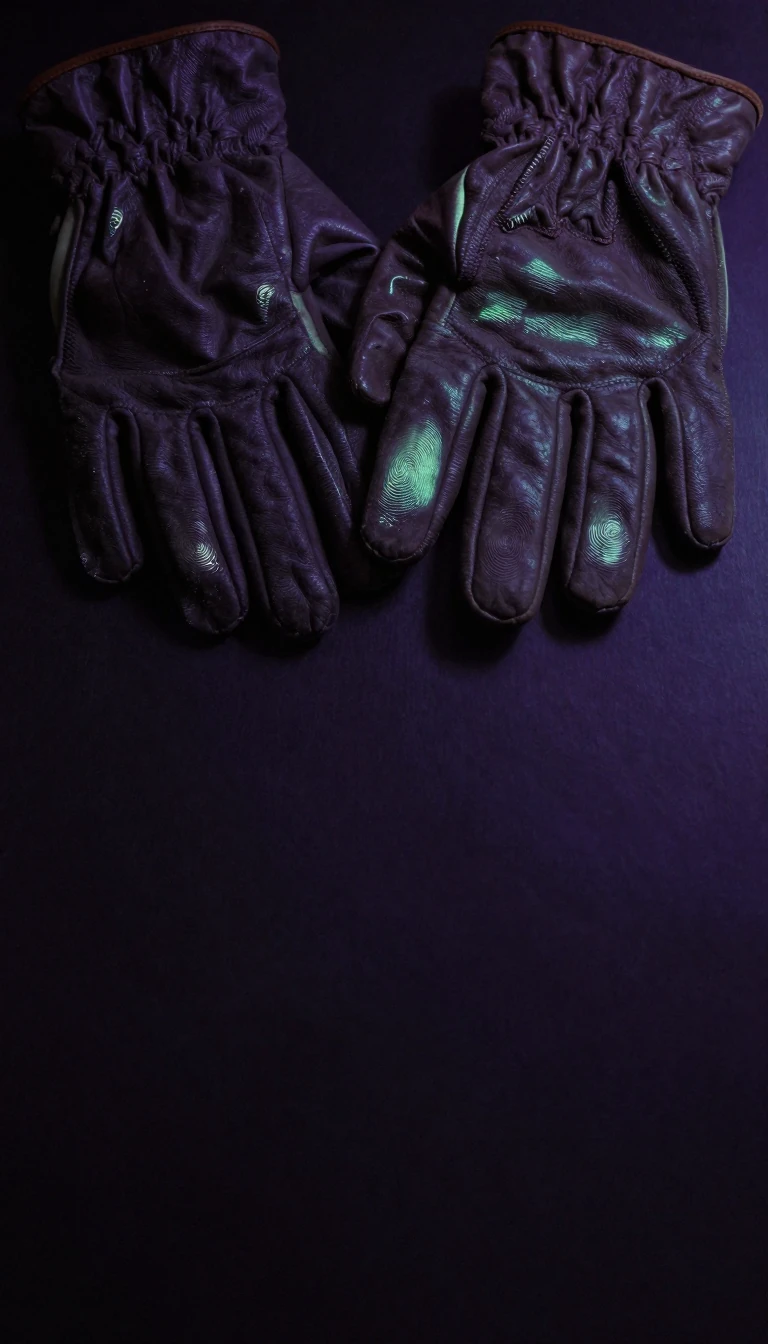 Twins share ridge types but never identical printsA fingerprint is the mark left by friction ridges on a fingertip. Those raised epidermal lines are detailed, durable, and usually unique across a lifetime, which is why police sti…
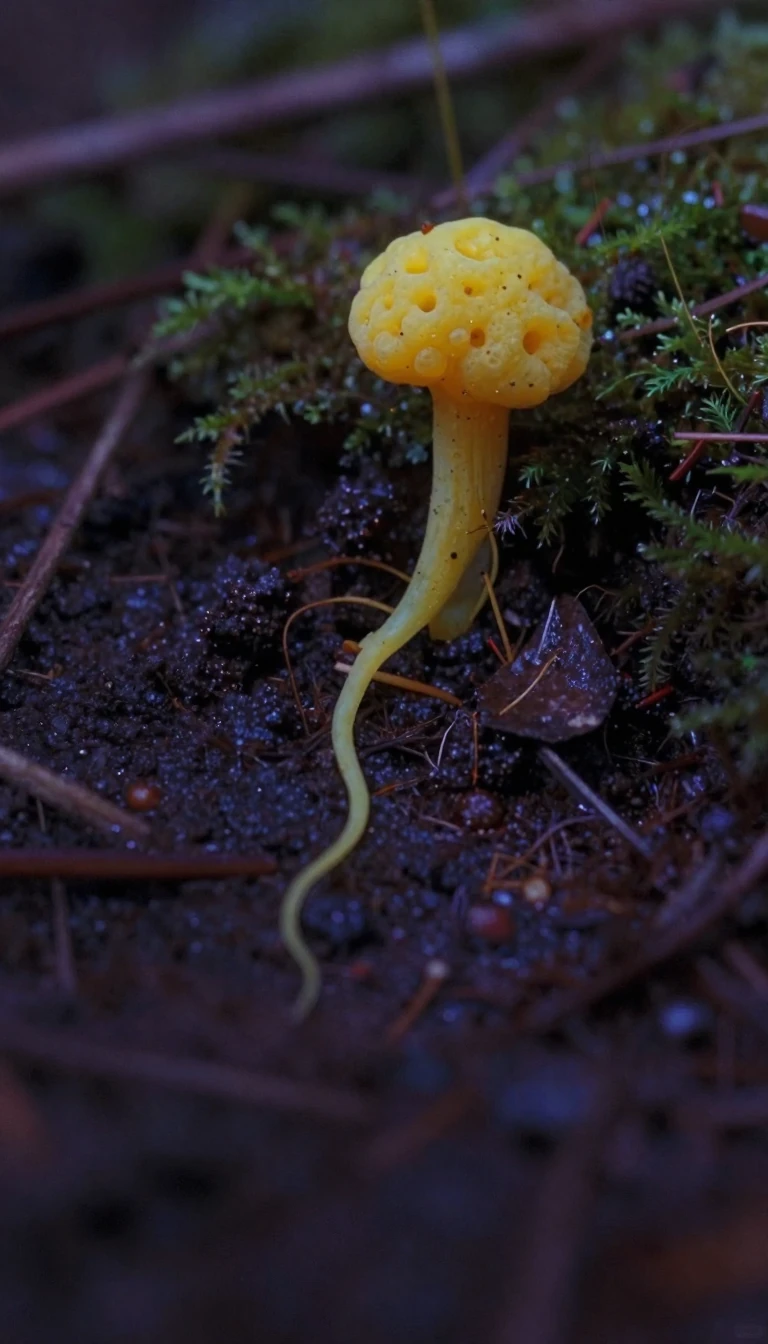 Flowers reinvented plant sex in the Jurassic eraFlowers are the reproductive organs of angiosperms, typically arranged in four concentric whorls around a tip. They first evolved in the Jurassic, roughly 150 to 190 million years…
 Botanically, a grain of rice is a fruit in disguiseIn botany, a fruit is the seed-bearing structure that forms from a flower’s ovary after fertilization. Culinary speech splits fruit from vegetable by sweetness and habit, but cucu…
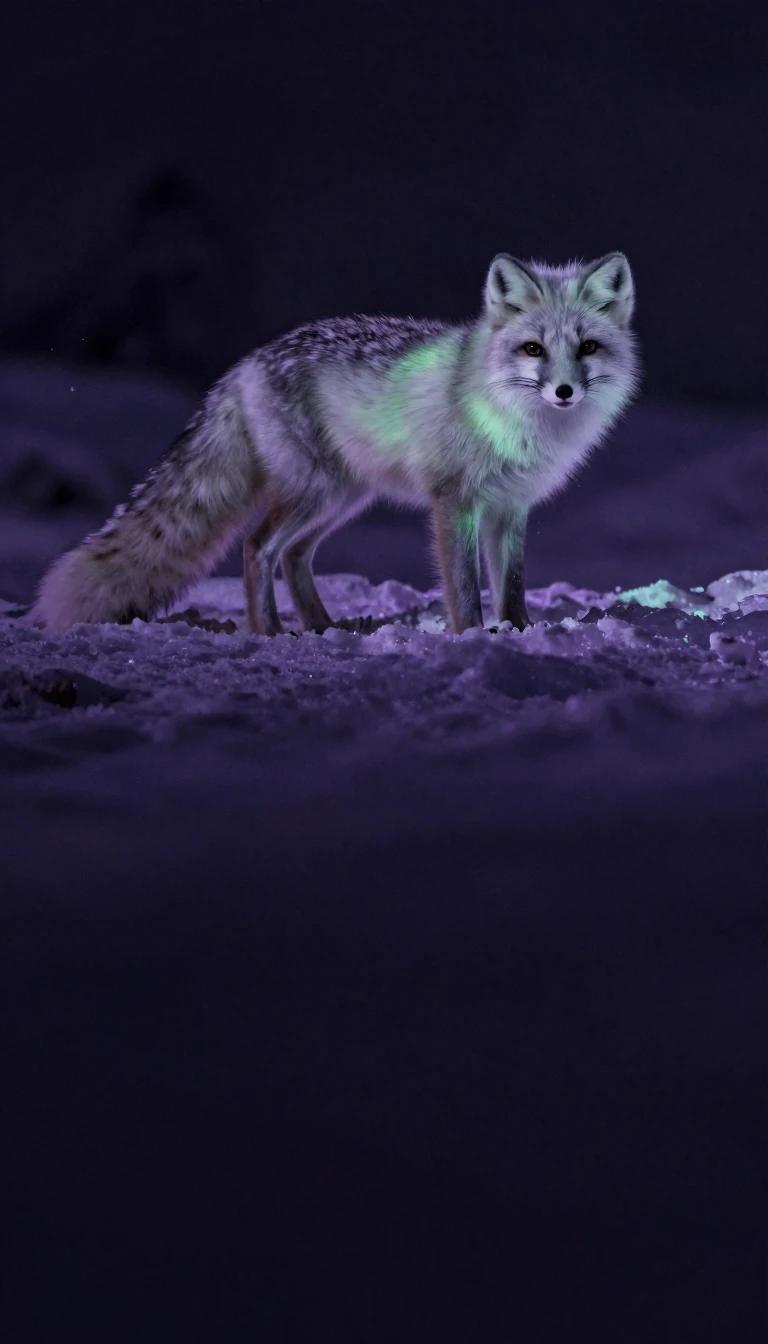 Fur length alone does not decide how warm a coat isFur is the soft, dense hair coat covering nearly all mammals—oily guard hairs over thick underfur. Its jobs include protection, sensation, waterproofing, and camouflage, but therm…
- Basal ganglia are not ganglia in the modern senseA ganglion is a cluster of neuron cell bodies in the peripheral nervous system—dorsal root, cranial-nerve, or autonomic stations that relay and process signals outside the brain a…
 Water holds little oxygen, so gills must be huge surfacesGills let aquatic animals pull dissolved oxygen from water and dump carbon dioxide. Except in some insects, they are the classic water-breathing organ—thin filaments or plates fol…
- Some glands destroy their own cells to release oilA gland is a cell or organ that makes and releases substances an animal needs—into blood or onto a surface. Built mostly of epithelium with connective scaffolding, glands begin as…
- Plant “filler” tissue also runs photosynthesis and storageGround tissue is everything in a plant that is neither dermal skin nor vascular plumbing—one of three main tissue systems. Its living parenchyma often looks like soft filler, yet …
- Only the follicle is alive; the shaft you see is dead keratinHair is a protein filament growing from dermal follicles and a hallmark of mammals. Humans wear thick terminal strands and fine vellus almost everywhere except glabrous skin. What…
 Cephalization put brains and sensors up front earlyA head gathers brain, eyes, ears, nose, and mouth into one anterior unit for sensing and feeding. Bilaterian animals concentrated nervous tissue forward in a trend called cephaliz…