 Intellect Plus
Anatomy and morphology
570 cards. Each one is a 40-second story with a five-minute read behind it. Page 7 of 10.
 In 2025 lasers let people see a colour nobody had seen beforeNo light in nature can stimulate just one kind of green-sensing cone in your eye. In April 2025 researchers did it anyway, steering a laser onto individual cells. Volunteers saw a…
 A stomach bug can trigger the immune system to attack its own nervesAbout 30% of Guillain–Barré cases follow infection with Campylobacter jejuni, a common cause of diarrhoea. Weeks later, the immune system turns on the insulation of the body's per…
 An El Niño year in 1993 unmasked a deadly virus carried by deer miceIn 1993 a cluster of sudden deaths in the Four Corners region of the American Southwest led to the discovery of hantavirus pulmonary syndrome. The culprit, Sin Nombre virus, lives…
 Left alone, your heart would beat about 100 times a minuteThe heart's built-in pacemaker, the sinoatrial node, would fire at roughly 100 beats per minute with no input from the brain. Resting rates are lower because the vagus nerve rides…
 When the female clownfish dies, her mate becomes the new femaleA sea anemone usually shelters one large female clownfish, a smaller breeding male and a few even smaller hangers-on. Remove the female and the male changes sex to replace her, wh…
 More than a quarter of men will develop a groin herniaRoughly 27% of men, and about 3% of women, get a groin hernia at some point. The idea is ancient: an Egyptian medical text, the Ebers Papyrus, described one by around 1550 BC. Yet…
 Asia's rubber empire grew from seeds smuggled out of the Amazon in 1875In 1875 Henry Wickham carried about 70,000 rubber tree seeds from Brazil to London's Kew Gardens. Only around four percent sprouted, but those seedlings went to Ceylon and Singapo…
 A tissue biopsy becomes a slide through formalin, wax and a bladeBefore a pathologist can spot cancer under a microscope, a lump of tissue must be preserved in formaldehyde, soaked in alcohol, packed in hot wax and shaved into slices a few thou…
 Some people can raise goose bumps at will, and most never realise it's rareA small, unmeasured share of people can summon goose bumps on command, with no cold, fear or music to trigger them. The knack seems to be inborn rather than learned, tends to go w…
 Glycine, the simplest amino acid, was first called sugar of gelatinIn 1820 a French chemist boiled gelatin with sulfuric acid and got sweet white crystals he named sugar of gelatin. It was glycine, the smallest amino acid, whose side chain is a l…
 Goji's superfruit fame rests partly on a man said to have lived 256 yearsOne marketing booklet claimed a Chinese man named Li Qing Yuen ate wolfberries daily and lived from 1677 to 1933. That tale, along with a false claim about cancer research, helped…
 The first recorded fire extinguisher put out flames by setting off gunpowderIn 1723 the English chemist Ambrose Godfrey patented a cask of extinguishing liquid with a pewter chamber of gunpowder inside. Lit fuses blew the charge and sprayed the liquid ove…
 The gut hormone behind today's weight-loss drugs survives about two minutesGLP-1, the natural hormone that modern diabetes and obesity drugs imitate, is released by your gut after a meal and then shredded almost at once. Enzymes cut it apart so quickly t…
 The molecule that makes food taste savoury also fires most of your neuronsGlutamate gives parmesan, soy sauce and seaweed broth their deep savoury taste, the flavour a Japanese chemist named umami in 1908. The very same molecule is the brain's main acce…
 Essential oils are not essential to anything, the word means essenceCalling clove or lavender oil essential says nothing about health. The term refers to essence: the volatile compounds that carry a plant's scent. The world makes an estimated 100,…
 A poinsettia's red petals are not petals, and its flowers have noneLook at a poinsettia and you are being fooled. Euphorbias, the spurge genus it belongs to, strip their flowers down to a single stamen or pistil, with no petals at all. The colour…
 There is no blue pigment in blue eyes, only scattered lightBlue eyes contain no blue pigment whatsoever, and neither do green ones. Their colour comes from light bouncing around in the front layer of the iris, the same kind of scattering …
 A hurricane's calm eye is warmer, and oddly full of ozoneAt the heart of the most violent storms on Earth sits a patch of light winds and sometimes clear sky. The eye of a hurricane holds the storm's lowest pressure, is warmer than its …
- The fallopian tube is not attached to the ovary; it sweeps eggs inSurprisingly, there is a gap between each ovary and its fallopian tube. Around ovulation, hormones make the fringed end of the tube swell with blood, stretch out and brush gently …
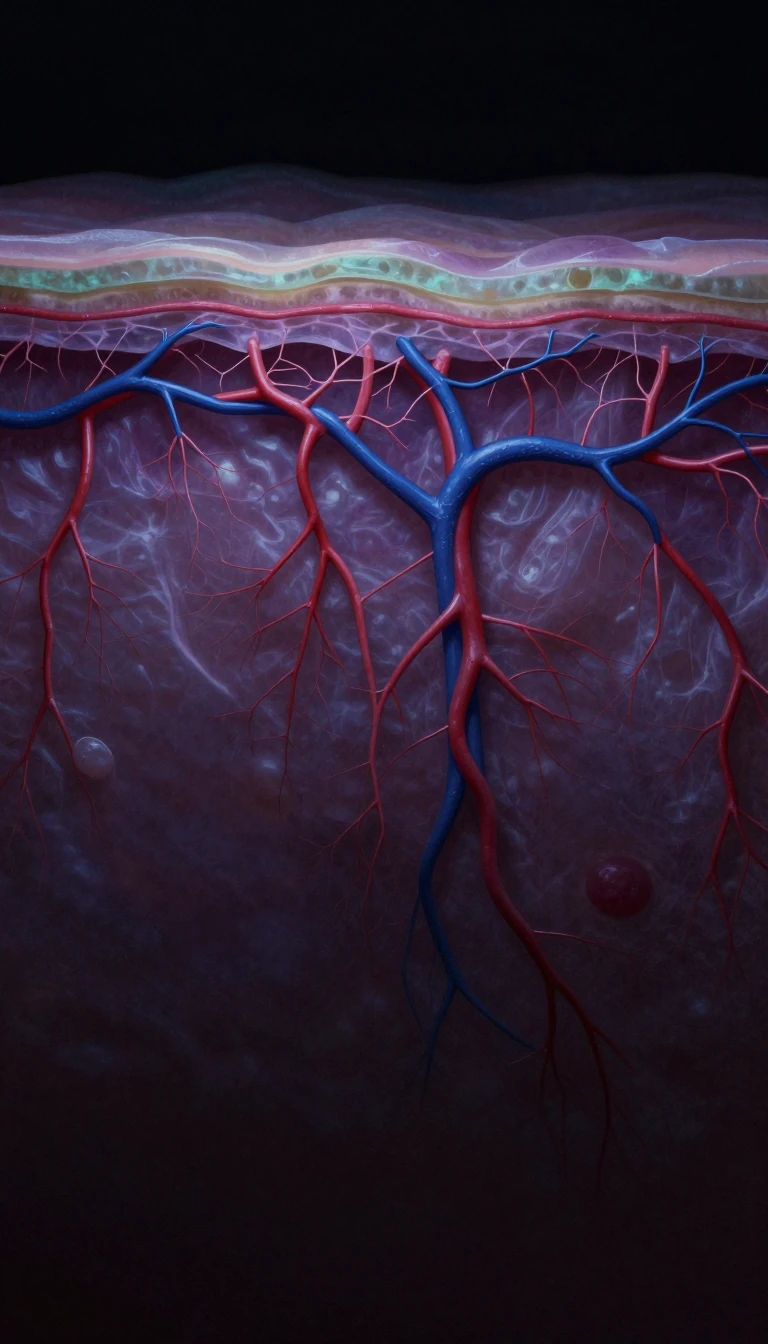 Anatomists spent centuries scraping away fascia, the tissue that ties us togetherFor generations, dissection meant cleaning muscles of the filmy tissue around them to see the real anatomy. That tissue, fascia, turns out to matter. Many muscle fibres anchor int…
 Bedwetting was once blamed on the mind; the bladder and hormones tell another storyFor a long time, children who wet the bed were treated as a psychiatric problem, and parents were quietly blamed. The evidence no longer supports that view. Smaller bladders, nigh…
 Short of oxygen, your kidneys can boost one hormone a thousandfoldYour kidneys constantly monitor how much oxygen reaches them. When supplies run low, they ramp up a hormone called erythropoietin, sometimes a thousandfold, ordering the bone marr…
 One missing sliver of chromosome 22 can affect the heart, immunity and speechDiGeorge syndrome comes from losing a tiny stretch of chromosome 22, taking 30 to 50 genes with it. That single gap can cause heart defects, a weak immune system, a cleft palate a…
 The old warning about nuts, seeds and popcorn in diverticulosis lacks evidencePeople with small pouches in the colon wall were long told to avoid nuts, popcorn and seeds. The US digestive diseases institute says no scientific data back that rule, and one st…
 The shortest stretch of your small intestine quietly talks to your brainThe duodenum is only 25 to 38 centimetres long, a C-shaped tube linking stomach to small intestine. Yet it senses what you have eaten and signals the liver, pancreas, fat tissue a…
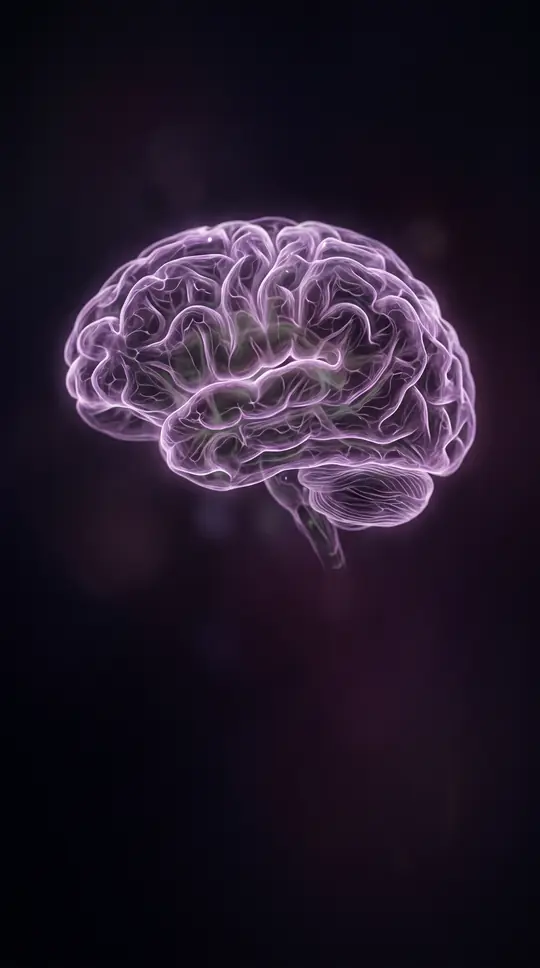 The brain's toughest wrapping is called tough mother, a name borrowed from ArabicDura mater is Latin for tough mother, a translation of an Arabic phrase meaning the thick mother of the brain. It is the outermost of three membranes around the brain and spinal c…
 Why smokers' emphysema starts at the top of the lungsIn emphysema the thin walls between the lungs' tiny air sacs break down, merging them into larger, useless spaces and shrinking the surface available to absorb oxygen. The kind li…
 Every poet laureate's title traces back to a nymph who became a treeFleeing Apollo, the nymph Daphne begged for rescue and turned into a laurel tree. The lovesick god adopted the laurel as his own, and wreaths of it crowned winners at his Pythian …
 A sacred Indian plant may have crossed from the Americas before ColumbusDatura metel is offered to Shiva in Hindu worship and fills ancient Ayurvedic texts. Yet botanists now think it is not a true species but a set of old cultivars bred from a Caribb…
 Genes explain about half the variation in who develops dangerous vein clotsDeep vein thrombosis is a clot in a deep vein, usually in the leg or pelvis. Its real danger is travel: a fragment can pass through the heart and lodge in a lung artery. Surgery a…
 New York once had about 1,500 Jewish delis; by 2015 only 15 remainedIn the 1930s New York City supported roughly 1,500 Jewish delicatessens. By 2015 just 15 were left, as supermarkets, convenience stores and fast-food chains borrowed the word deli…
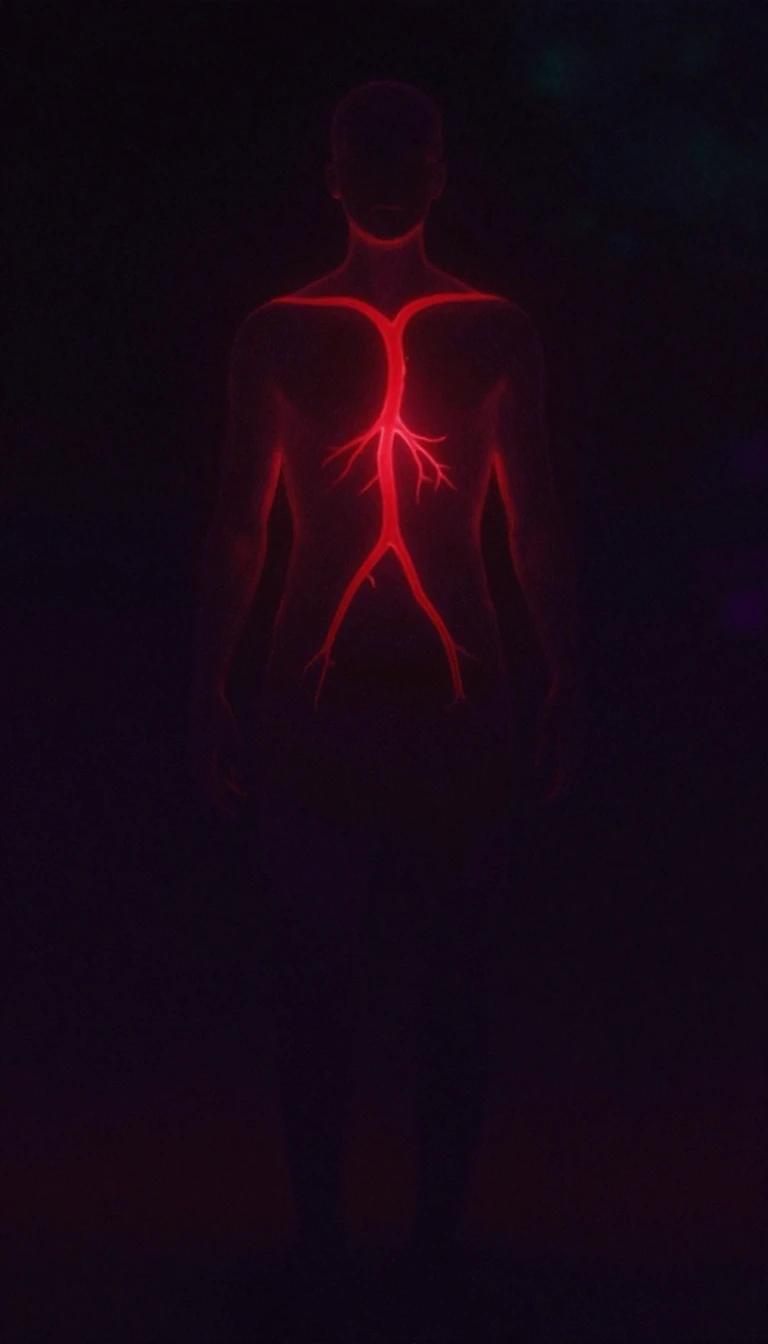 Your two carotid arteries start in different places but mirror each otherThe right common carotid artery branches off in the neck, while the left springs from the aortic arch inside the chest. Yet both climb the neck on matching paths and split in two …
- Two people with normal sight can have strikingly different colour sensorsYour sense of colour comes from three kinds of cone cell, tuned to long, medium and short wavelengths. Yet the mix varies wildly: one man's retina was measured at about 76 percent…
- The heart feeds itself mostly in the pauses between beatsWhen the heart muscle squeezes, the pressure inside it crushes the small vessels that run into its own walls, and blood flow in the innermost layer stops. So the heart does most o…
 Crocus roots can drag their own bulb deeper into the groundA crocus grows from a corm, and special contractile roots pull that corm downward to the right depth, sometimes as far as 20 centimetres. Its flower stalk stays underground too, o…
 An Amazonian hunting poison became a cornerstone of modern surgeryCurare paralyses muscles when it enters the blood, yet does nothing when swallowed, so hunters could safely eat the game they shot with poisoned darts. In 1942 the same substance …
- Parents sometimes spot cystic fibrosis by tasting salt when kissing their childChildren with cystic fibrosis lose so much salt in their sweat that parents may see crystals on the skin or notice a salty taste on a kiss. The standard diagnostic test measures e…
 Why the best shock absorber stops bouncing without ever overshootingPull a weight on a spring and let go: it overshoots, swings back and slowly settles. Add too much resistance and it creeps home sluggishly. Between those extremes lies critical da…
 The coconut crab is a giant hermit crab that drowns in waterThe biggest arthropod living on land starts life drifting in the ocean, yet as an adult it will drown if held underwater for more than an hour. And despite its name, the coconut c…
 Collagen holds your body together, but swallowing it won't smooth your skinCollagen is the most plentiful protein in mammals, a quarter to a third of all the protein you carry. Supplement makers promise that eating or rubbing it in will firm up skin. You…
- The first colour photograph showed red it should never have capturedIn 1861 Thomas Sutton photographed a striped ribbon three times through coloured filters for a James Clerk Maxwell lecture, and the projected result showed red. A century later hi…
 Some chromosome rearrangements are completely harmless, as long as nothing goes missingA chunk of one chromosome can snap off and swap places with a piece of another, and the person carrying it may never notice. What matters is balance: if every gene is still presen…
 Oranges, lemons and grapefruit are mostly remixes of just three wild fruitsBotanists once counted 870 citrus species. Genetic studies now suggest most fruits in the supermarket descend from crosses between only three ancestors: the citron, the pomelo and…
 Clover quietly nearly tripled European farm output before chemical fertiliser existedBetween 1750 and 1880, European farms came to produce about 275 percent of their earlier output, and one humble plant deserves much of the credit. Clover pulls nitrogen from the a…
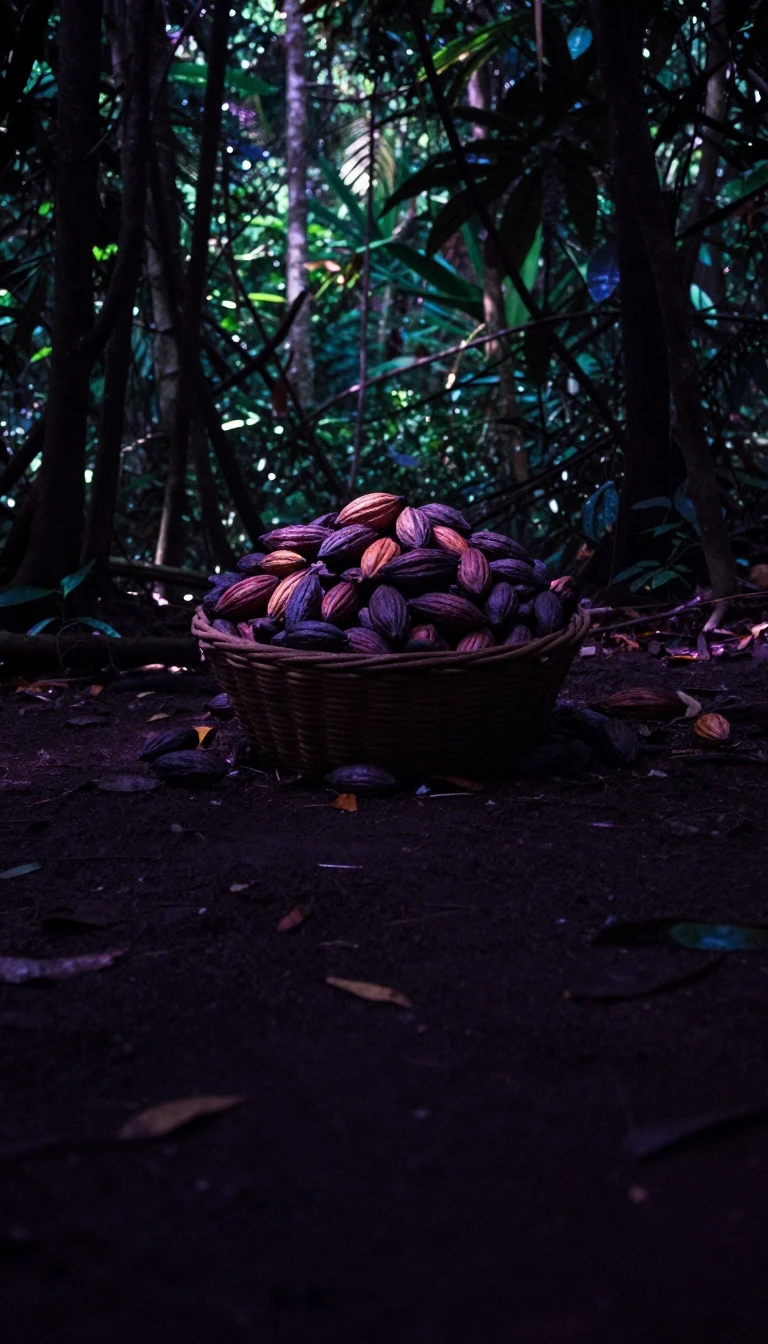 Chocolate snaps and shines only when its fat crystallises in form VCocoa butter melts just under body temperature, which is why a bar stays solid on the shelf and dissolves on the tongue. But the fat can crystallise in six different ways, each me…
- Sailors once paid fortunes for a newborn's caul to avoid drowningA caul is a scrap of birth membrane clinging to a newborn's head and face. For centuries it was treated as a lucky charm: medieval women sold them to sailors as protection against…
- Brain swelling is deadly because the skull has no room to spareMost swollen tissue can simply expand. The brain cannot, because the skull is a rigid box. When fluid builds up inside it, something else has to give, so blood vessels, spinal flu…
 Chest pain in adults is more often the gut than the heartChest pain sends about 8 million Americans to emergency departments every year, costing more than $8 billion. Heart disease is behind roughly 31% of adult cases, but digestive pro…
 Modern chewing gum began as a failed Mexican substitute for rubberIn the 1860s the exiled Mexican general Antonio López de Santa Anna brought chicle, a tree gum, to New York and handed it to Thomas Adams to try as a rubber substitute. As rubber …
 Chiropractic's founder said he learned it from a long-dead doctorD. D. Palmer, a spiritualist, founded chiropractic in the 1890s and claimed the method came to him from the other world, passed on by a physician who had died 50 years earlier. Th…
 The first antipsychotic drug is still on the WHO essential medicines listChlorpromazine, developed in 1950 and sold as Thorazine and Largactil, was the first antipsychotic to reach the market, and its arrival is counted among psychiatry's great advance…
 Carpal tunnel syndrome may be written into your wrists at birthCarpal tunnel syndrome is often blamed on typing or repetitive work, and those strains do count as risk factors. But genes appear to be the biggest factor: one large genetic study…
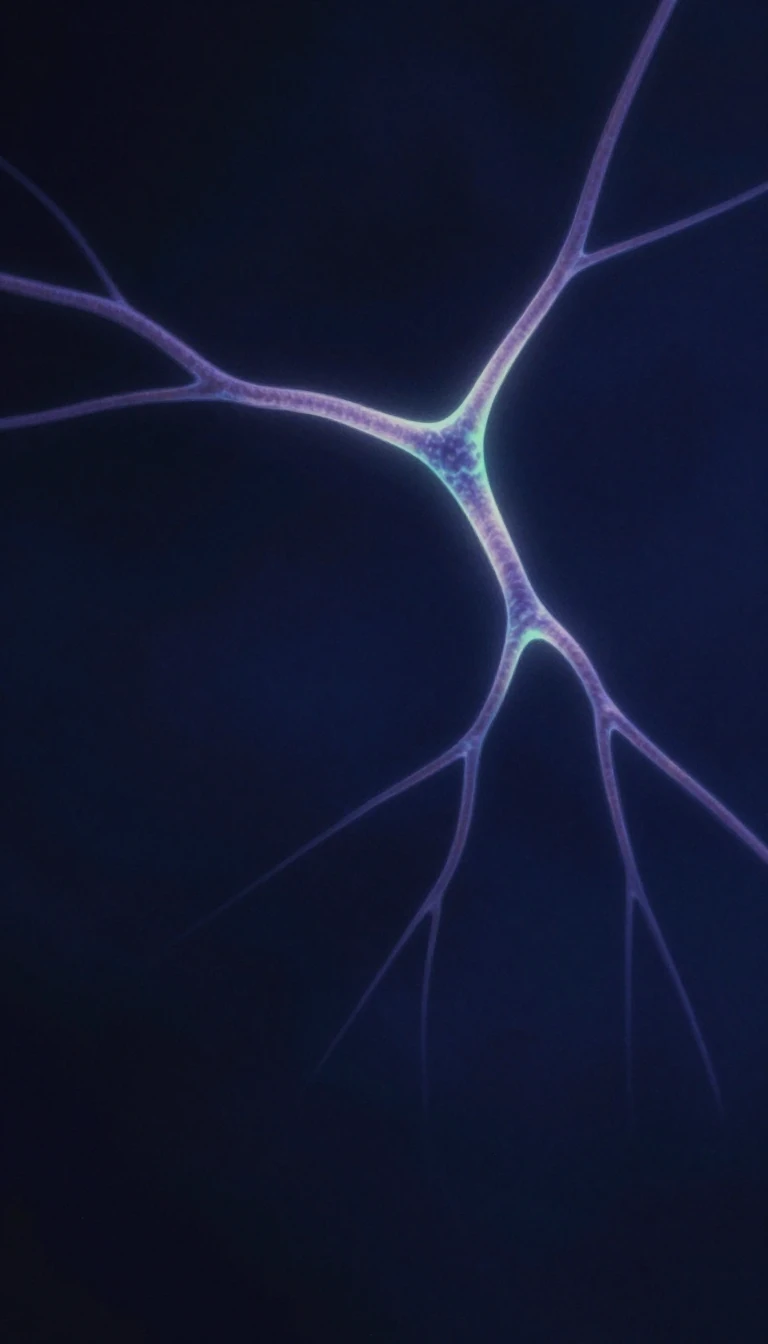 Adrenaline, noradrenaline and dopamine are built on one production lineYour fight-or-flight chemicals are siblings made in sequence. Cells turn the amino acid tyrosine into L-DOPA, then dopamine; add one enzyme and dopamine becomes noradrenaline, add…
 Textbooks once said carbonic acid couldn't exist on its own. They were wrongFor much of the twentieth century chemists believed carbonic acid lived only fleetingly in solution. Pure, it turns out to be surprisingly durable; it is water that tears it apart…
 Business Insider began as a blog about Manhattan's tech sceneBusiness Insider started in 2007 as Silicon Alley Insider, a single blog about New York's tech scene. Within eight years a German publisher paid $343 million for most of it. Along…
 A missing safety interlock on a North Sea rig rewrote diving rulesIn November 1983, a clamp on the Byford Dolphin drilling rig opened while its diving chambers were still pressurised at nine atmospheres. Five men died in an instant. Norway made …
 Camphor flavoured Tang ice cream, made early plastics and sparked a bombardmentA waxy crystal distilled from Asian laurel wood, camphor has perfumed Arab courts, flavoured one of the earliest recorded ice creams, embalmed Egyptian mummies and served as the k…
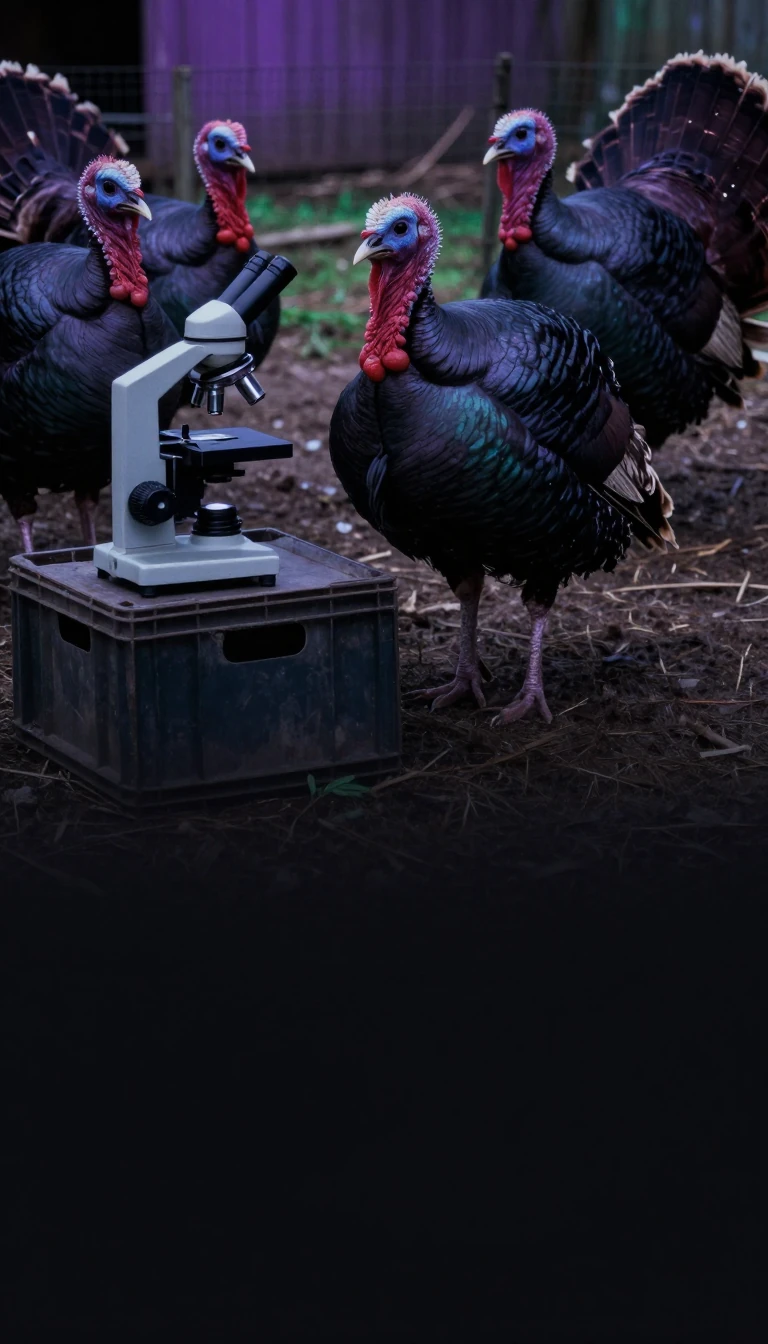 The curved bacterium hiding on nearly half of packaged Canadian chickenCampylobacter is one of the world's commonest bacterial causes of stomach upsets, and raw or undercooked poultry is a major route in. Canadian testing found it on nearly half of p…
- Better scans can make cancer survival statistics improve without anyone living longerDoctors grade how far a cancer has spread from stage I, a tumour confined to one spot, to stage IV, where it has reached distant organs. That number steers treatment. But when sca…
 Chilli heat is a weapon aimed at mammals that birds cannot feelCapsaicin, the molecule behind chilli burn, grips a pain receptor that mammals have and birds effectively lack. That suits the plant perfectly: birds swallow the seeds whole and s…