 Intellect Plus
Anatomy and morphology
570 cards. Each one is a 40-second story with a five-minute read behind it. Page 10 of 10.
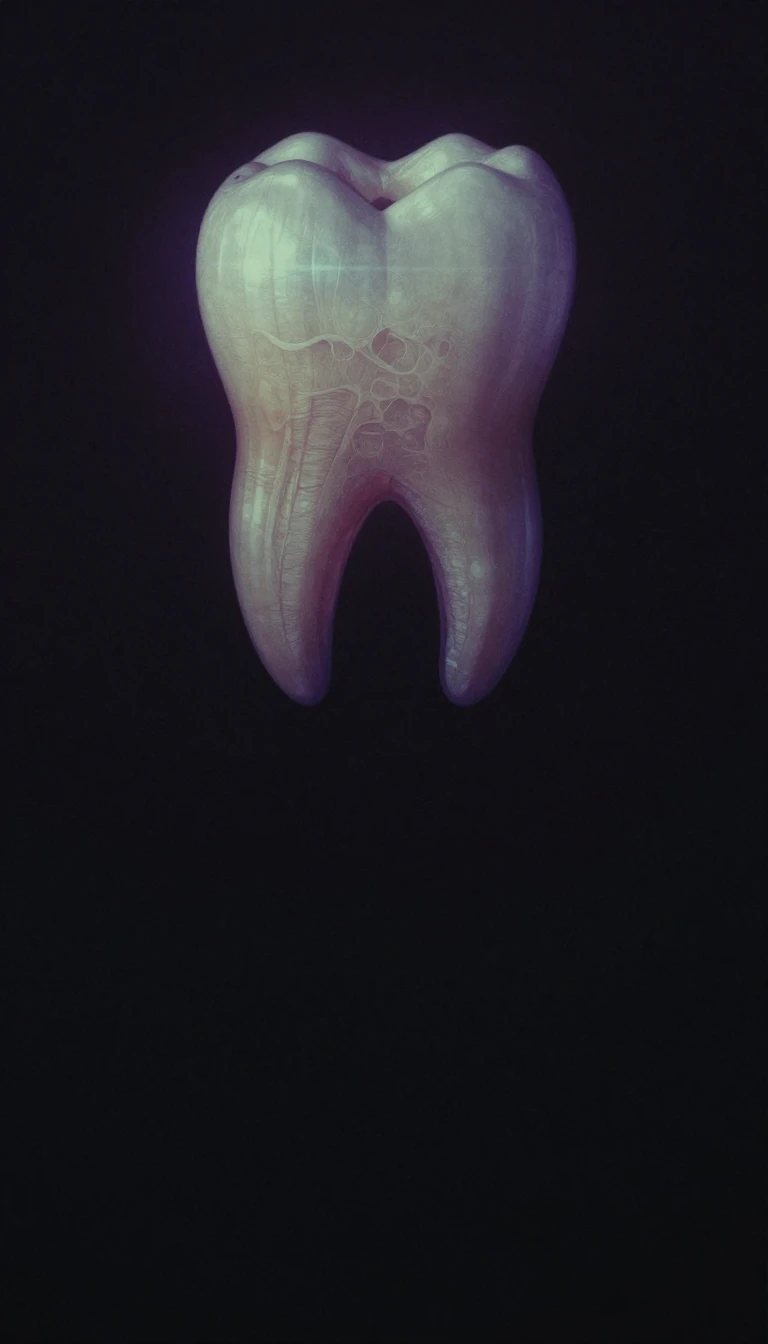 Three tiny middle-ear bones bridge air to cochlear fluidHearing detects pressure oscillations in air, water, or solids and ranks among the classic five senses. In vertebrates the outer ear gathers waves, the middle ear’s ossicles lever…
 A fist-sized pump still tops the global death tablesThe heart is a muscular pump driving blood through vessels that together make the circulatory system. In humans four chambers—two atria, two ventricles—beat to a sinoatrial pacema…
 Same embryonic tissue, different adult futuresHuman breasts sit on the upper front torso in both sexes, built from shared embryonic tissue, yet relative size and glandular development mark a major secondary sex difference. In…
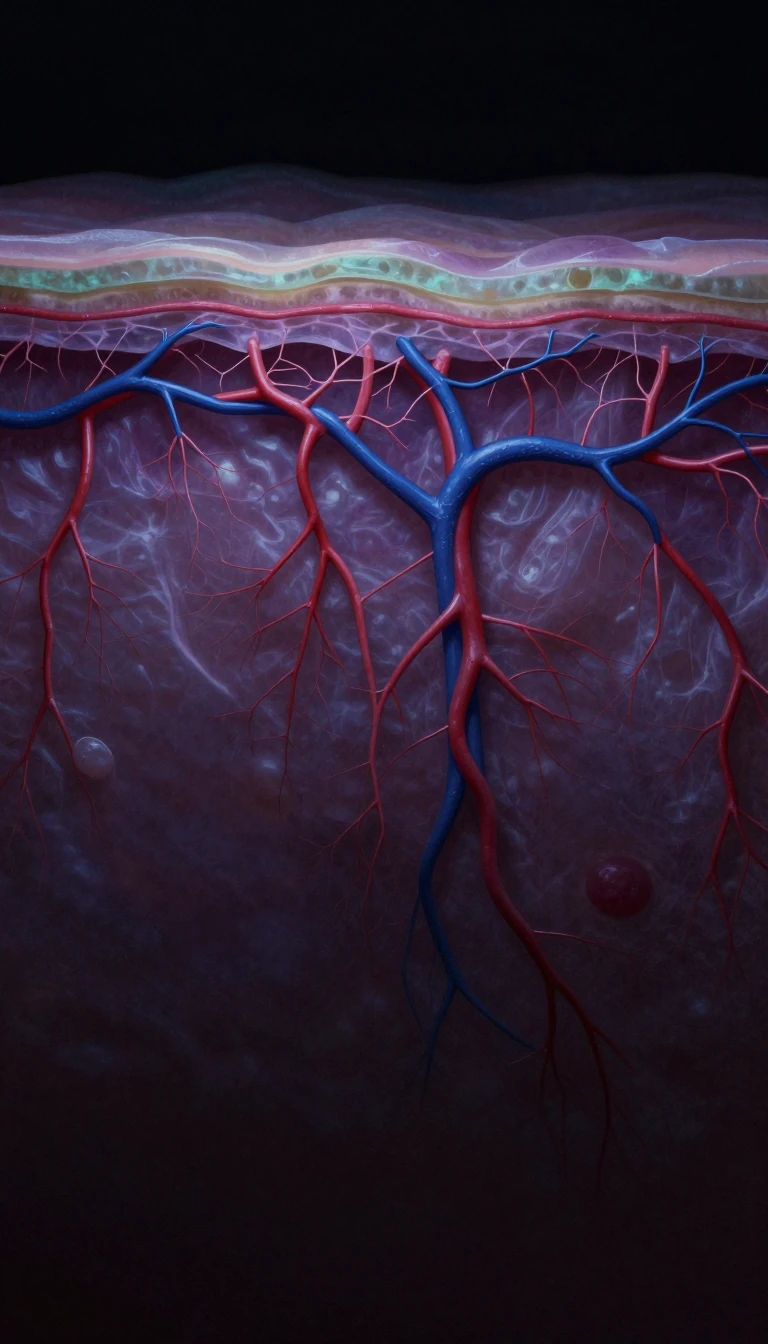 Hair-thin vessels where blood actually tradesCapillaries are the body’s smallest blood vessels—only five to ten micrometres across—built from a single-cell intima wall. Arteries narrow to arterioles, then to these hairlike t…
 Smooth, nerveless tissue that keeps joints quietCartilage is resilient, semi-transparent connective tissue, usually wrapped in fibrous perichondrium. It caps long-bone ends as articular padding, props open airways with tracheal…
 Brain and cord—plus retina—as one protected coreThe central nervous system is mainly brain and spinal cord, with the retina counting as CNS tissue too. Vertebrates seal both inside meninges and bathe them in cerebrospinal fluid…
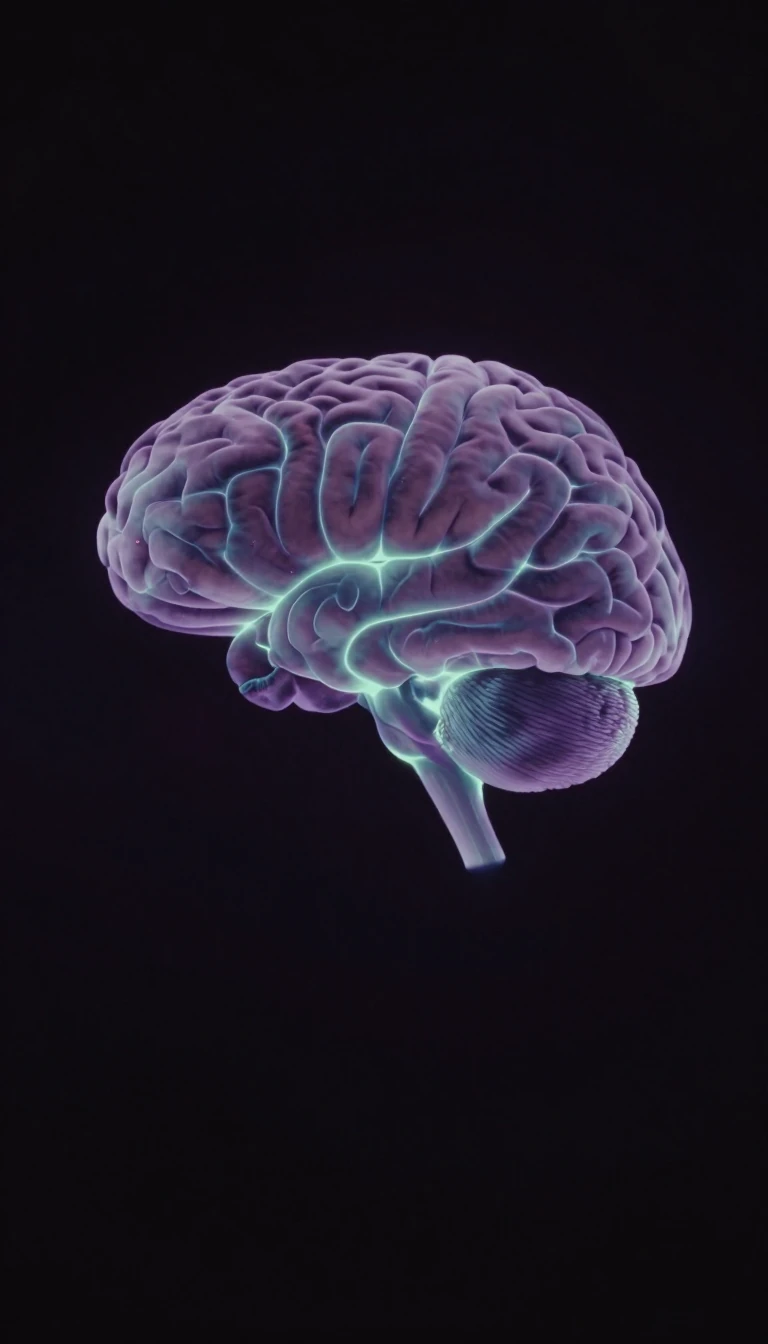 The little brain that tunes every skilled moveThe cerebellum—Latin for “little brain”—anchors the vertebrate hindbrain. Usually smaller than the cerebrum, it can rival or exceed it in some mormyrid fishes. In humans it refine…
- A few millimetres of folded grey run the mindThe cerebral cortex—also called the cerebral mantle—is the cerebrum’s outer neural sheet and the largest integration site in the mammalian CNS. Attention, perception, language, an…
- The endbrain that steers voluntary lifeThe cerebrum—also telencephalon or endbrain—is the brain’s largest division, wrapping cortex around hippocampus, basal ganglia, and olfactory bulb. In humans it crowns the CNS; wi…
- A closed loop of heart, vessels, and bloodIn vertebrates the circulatory system joins heart, vessels, and blood into one circuit—the cardiovascular half named from Greek kardia and Latin vascula. Blood never leaves the ve…
 Seeing hue means comparing light frequenciesColor vision is the knack of telling lights apart by frequency mix, not merely by brightness. Photoreceptor types fire differently, then layered neurons build a hue. Newton showed…
 Thousands of tiny eyes stitched into one viewArthropod compound eyes pack as many as thousands of ommatidia—each a cornea, lens, and photoreceptors sampling brightness and colour. Apposition designs form many inverted images…
- The body’s packing material has a 1830 nameConnective tissue fills the gaps between other tissues, usually mixing collagen and elastic fibers, ground substance, and cells. It is one of four animal primary tissues beside ep…
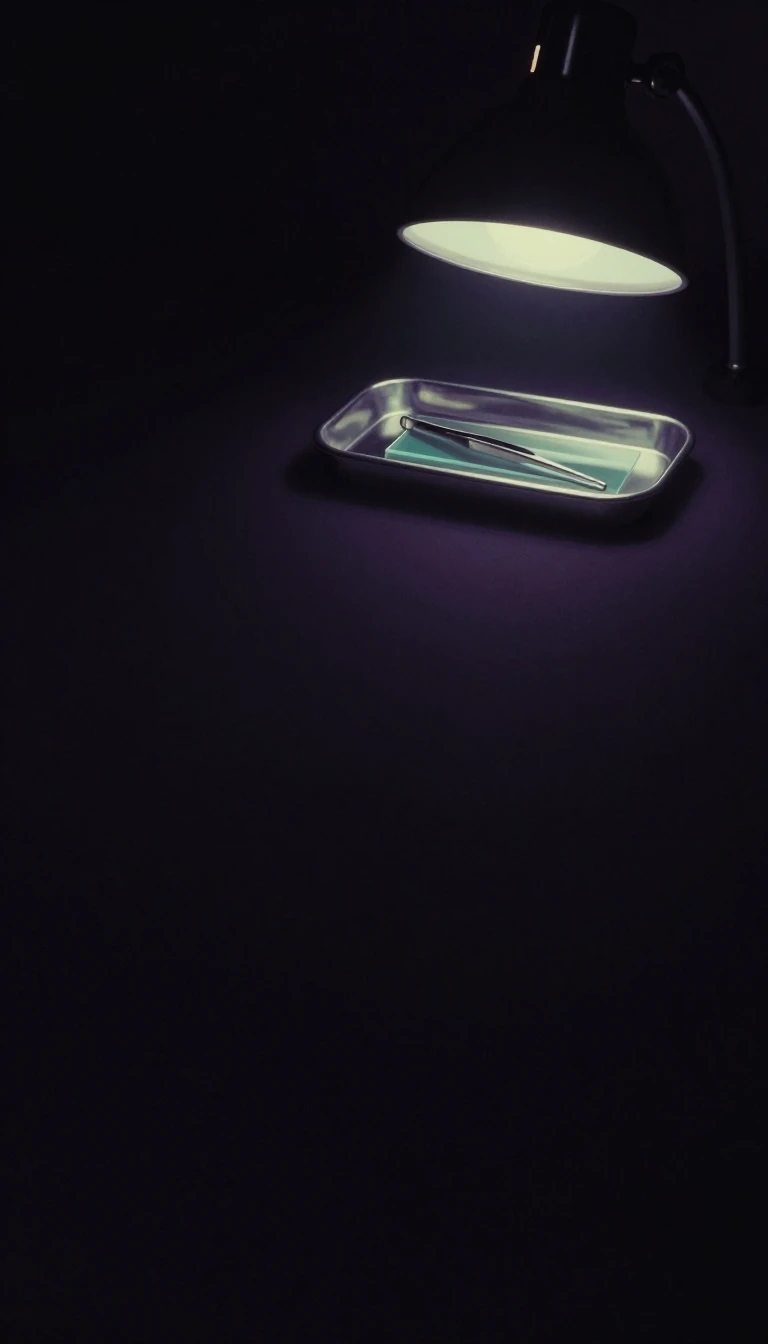 Cutting apart to learn what living structure hidesDissection—from Latin dissecare, to cut to pieces—opens deceased animals or plants so anatomy can be read in three dimensions. Autopsy asks why a human died; surgery uses finer “d…
- Three chambers turn air ripples into meaningVertebrate ears hear; mammalian ones also balance via the vestibular system. Humans split the organ into outer auricle and canal, air-filled middle ear with three ossicles behind …
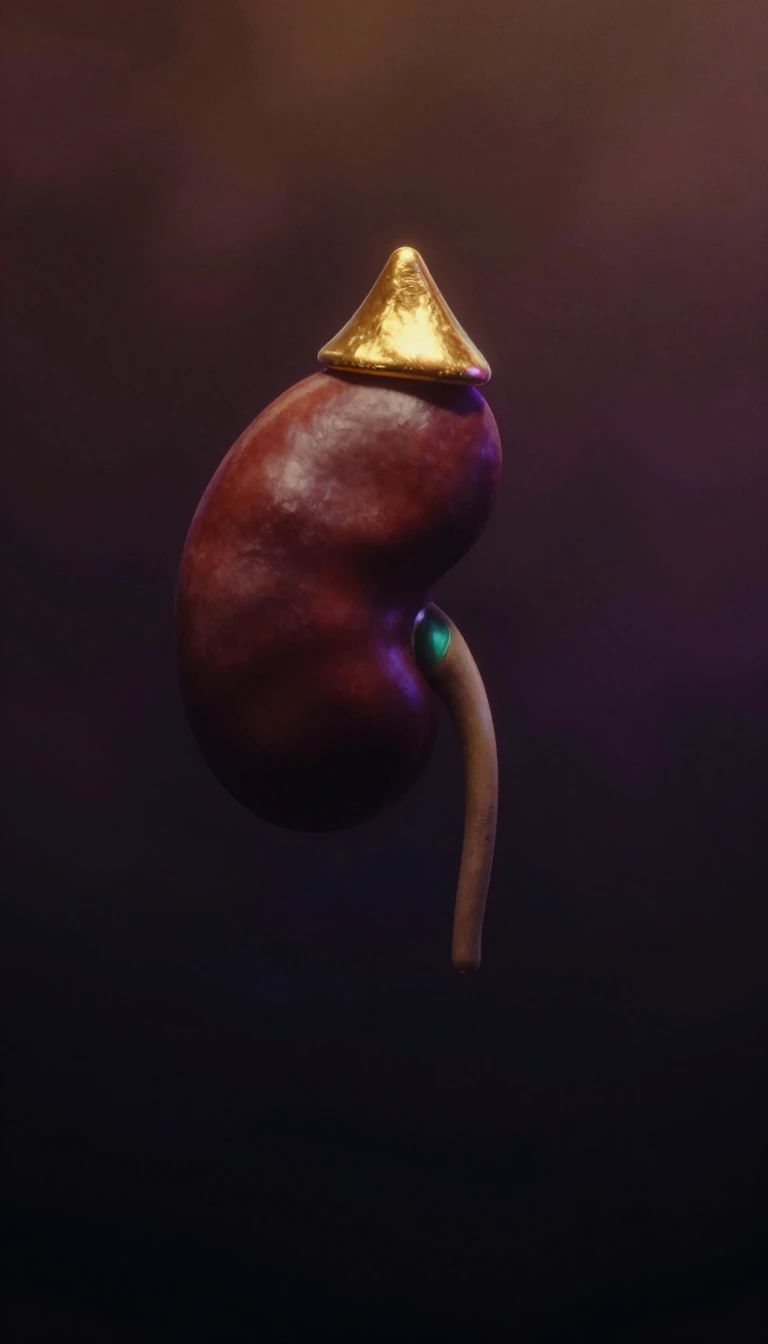 Ductless glands that text organs via bloodHormones leave ductless glands, ride the bloodstream, and retune far-off organs through feedback loops—the endocrine idea in one circuit. Vertebrates put a neural overseer in the …
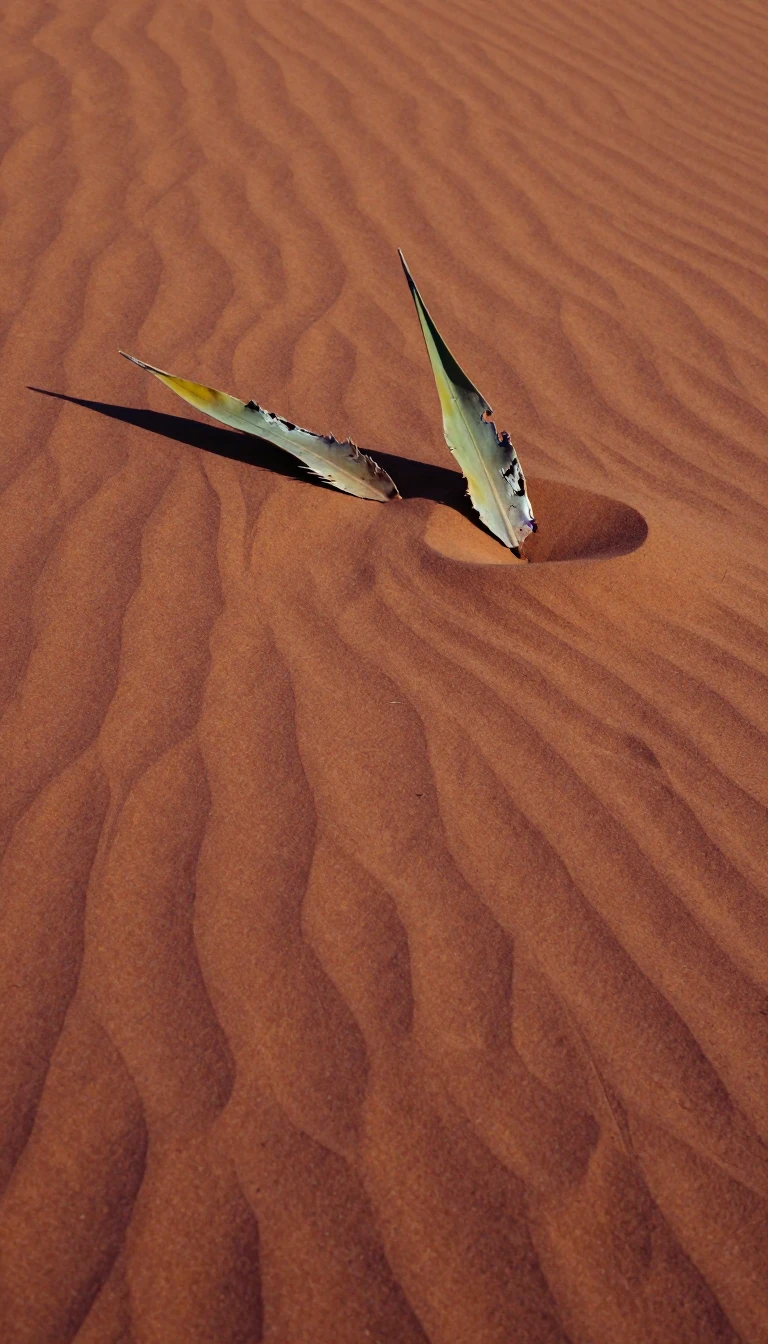 One cell layer that seals a plant from the worldA plant’s epidermis—Greek for “over-skin”—is usually a single cell layer coating leaves, flowers, roots, and stems. It blocks water loss, manages gas exchange, and hosts guard cel…
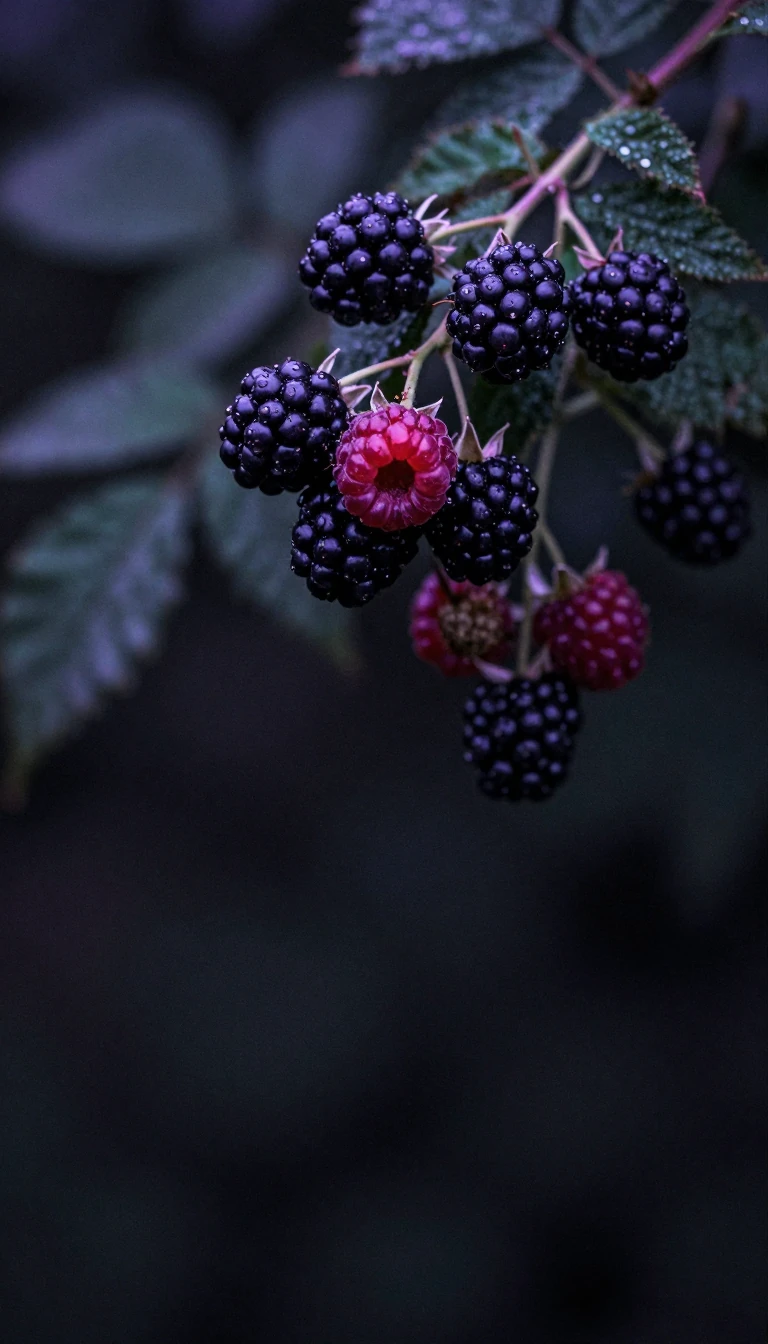 Botanical berries include tomatoes, not strawberriesIn botany, a berry is a fleshy fruit from one flower and one ovary: grapes, tomatoes, bananas, even cucumbers. Culinary berries such as strawberries and raspberries fail that test…
 Your bladder stores hundreds of milliliters quietlyUrine arrives from the kidneys through two ureters and waits in a muscular sac on the pelvic floor. Most adults feel the urge somewhere between three hundred and five hundred mill…
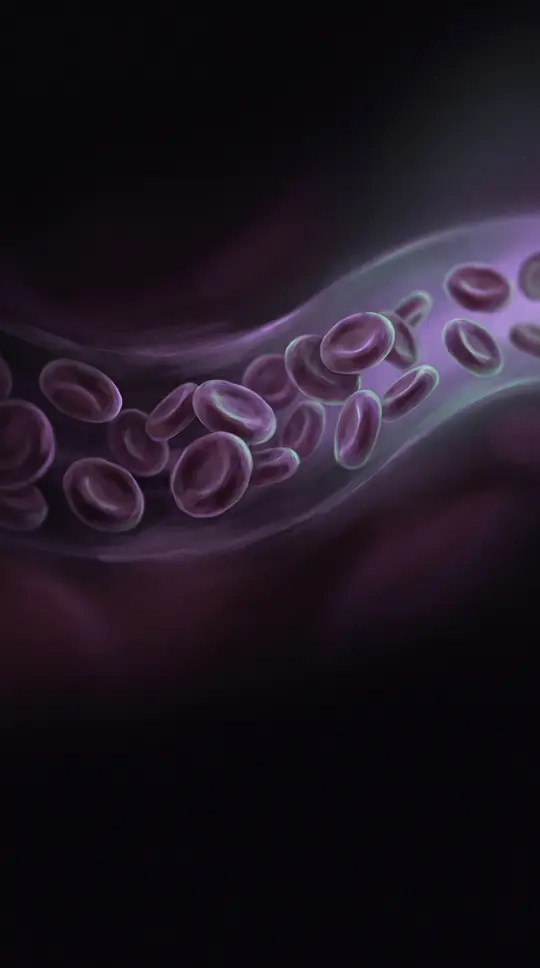 Blood is connective tissue that never stops movingRoughly seven percent of adult body weight is blood—about five liters on average. Plasma makes up most of the volume as straw-colored fluid; red cells pack hemoglobin that ferries…
 Adults keep 206 bones; newborns start near 300A newborn skeleton has about three hundred bones that fuse down to two hundred six in most adults, not counting tiny sesamoids. The femur is the largest; the stapes in the middle …
- Your cortex holds billions; the cerebellum holds moreThe human cerebral cortex packs roughly fourteen to sixteen billion neurons, while the cerebellum may hold fifty-five to seventy billion. Synapses may number near one hundred tril…
- A stalk weighing under three percent runs your breathThe human brainstem is only about two point six percent of brain weight, yet it sets heart rate and breathing, routes cranial nerves, and relays sensation and movement. Midbrain, …
 Your "six-pack" is five vertical sections, not sixThe rectus abdominis that fitness culture calls a six-pack is crossed by tendinous intersections into five vertical sections per side—the lowest pair usually hidden above the pubi…
- Each adrenal gland is a steroid factory stacked on a panic switchAbove every kidney sits a yellowish gland the size of a few centimeters yet dense with arteries—up to sixty may enter each one. Outer cortex layers drip aldosterone, cortisol, and…
- Anatomy literally means cutting up, not just labeling chartsThe Greek root anatomē means dissection—cutting open to see how living structure is arranged. Modern anatomy still pairs that invasive tradition with MRI, CT, and endoscopy, split…
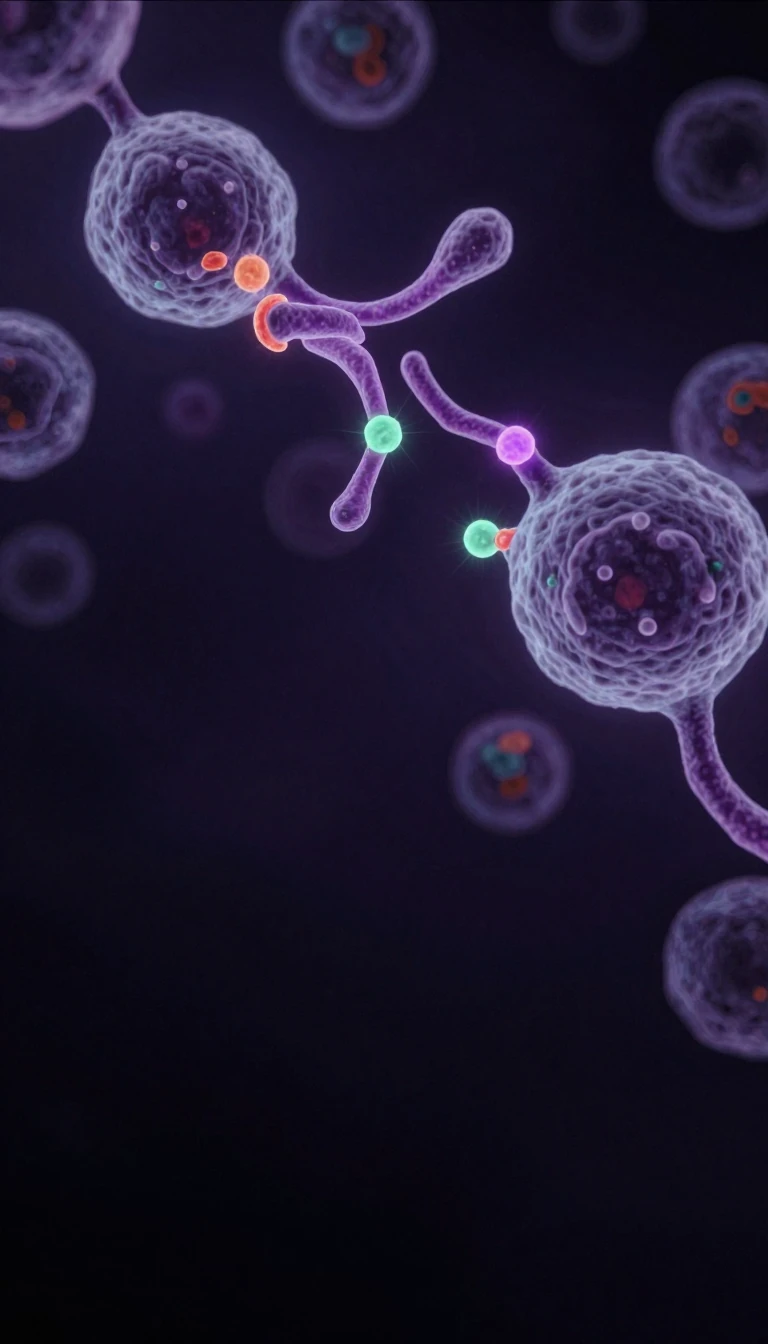 Antibodies are Y-shaped tags that memorize molecular enemiesEach free antibody is a roughly 150-kilodalton protein about ten nanometers across, built like a Y with two matching tips. Those tips—paratopes—fit specific antigen epitopes so th…
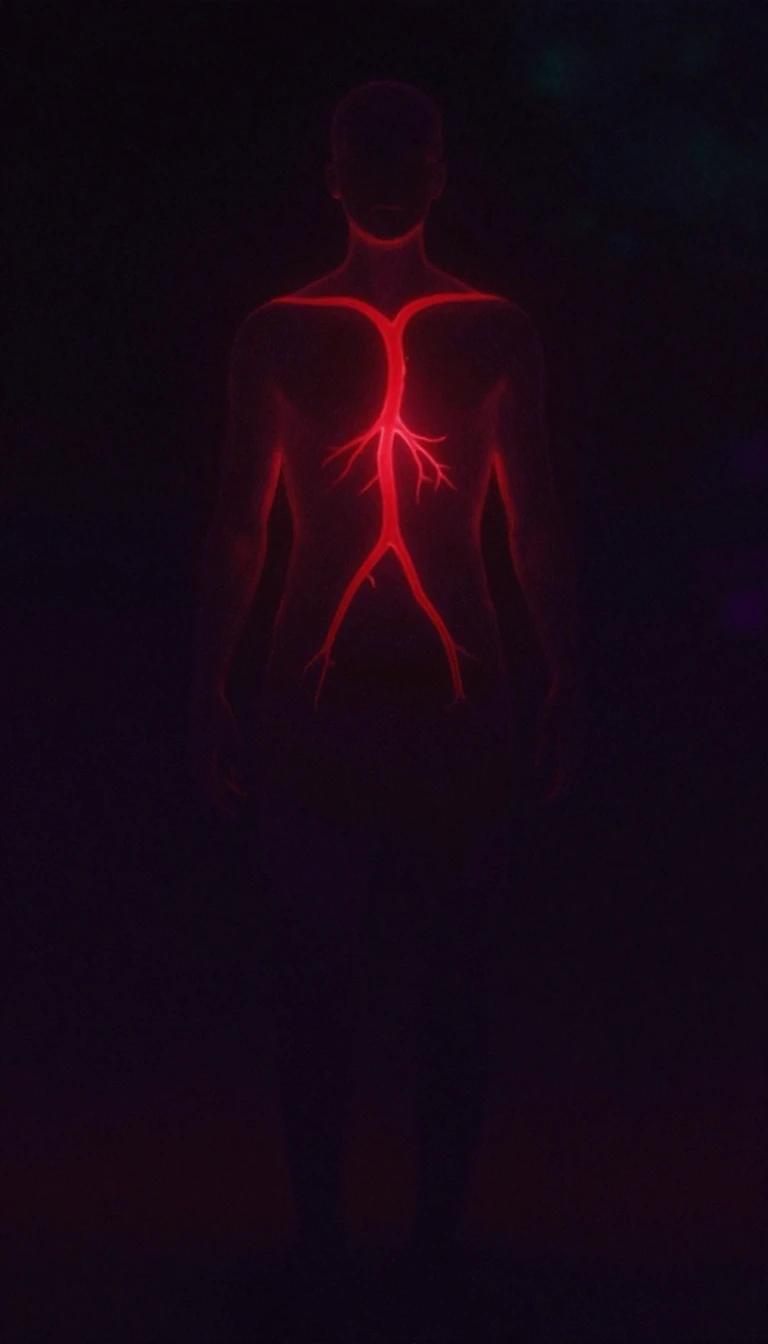 Arteries were once thought to carry air, not bloodAncient Greek writers found empty arteries in cadavers and linked them to the windpipe—artēría once named the airway. Herophilos separated vessel types; only William Harvey in the…
 Outer hair cells amplify sound waves more than fortyfoldHearing is not a passive microphone. After the outer ear and middle-ear bones raise pressure, cochlear outer hair cells lengthen and shorten, boosting traveling-wave amplitudes ov…
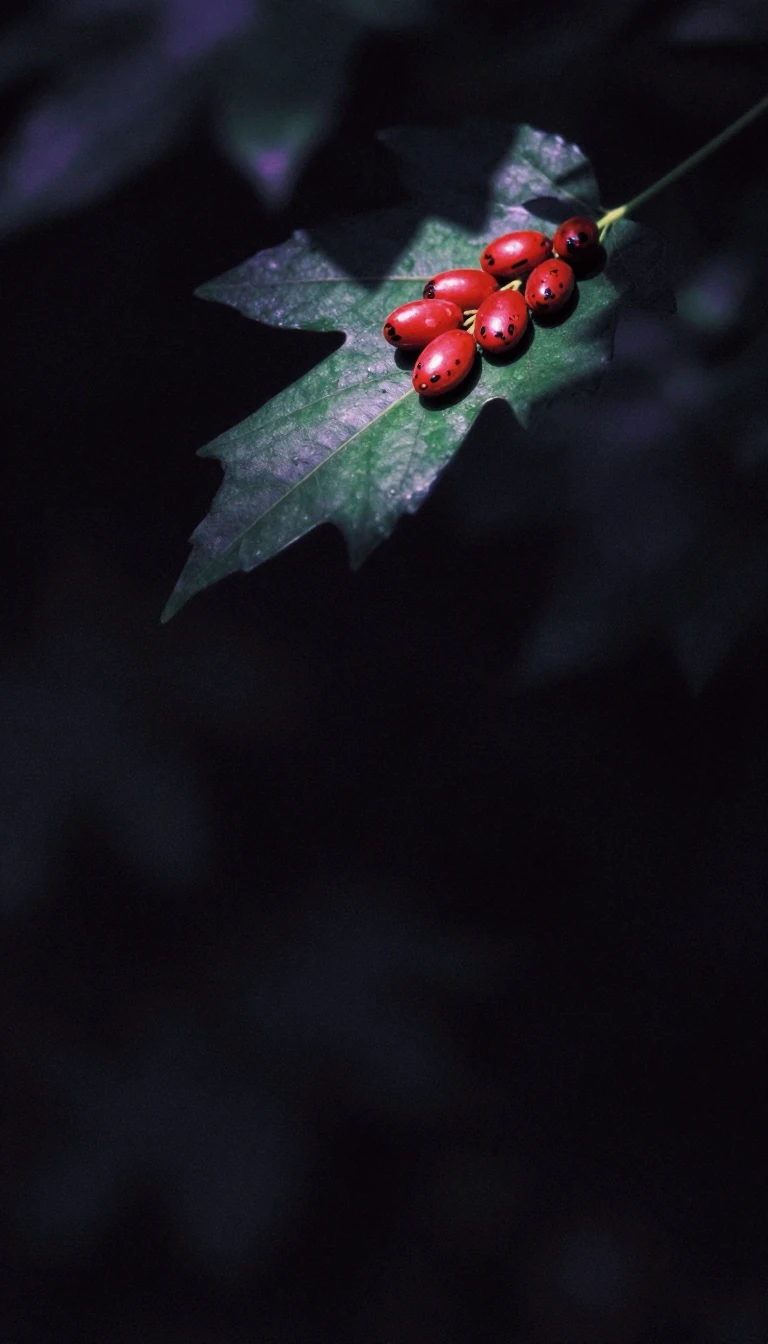 Bark is every tissue outside the cambiumOn woody plants, bark is not one skin but a stack of living and dead layers beyond the vascular cambium. The living inner bark moves sugars; the outer bark, or rhytidome, is mostl…