 Intellect Plus
Anatomy and morphology
570 cards. Each one is a 40-second story with a five-minute read behind it. Page 6 of 10.
 Sperm may follow a trail of progesterone released by the eggEggs release progesterone, and sperm carry calcium channels called CatSper that respond to it, so researchers suspect sperm use the hormone as a homing signal. That has prompted a…
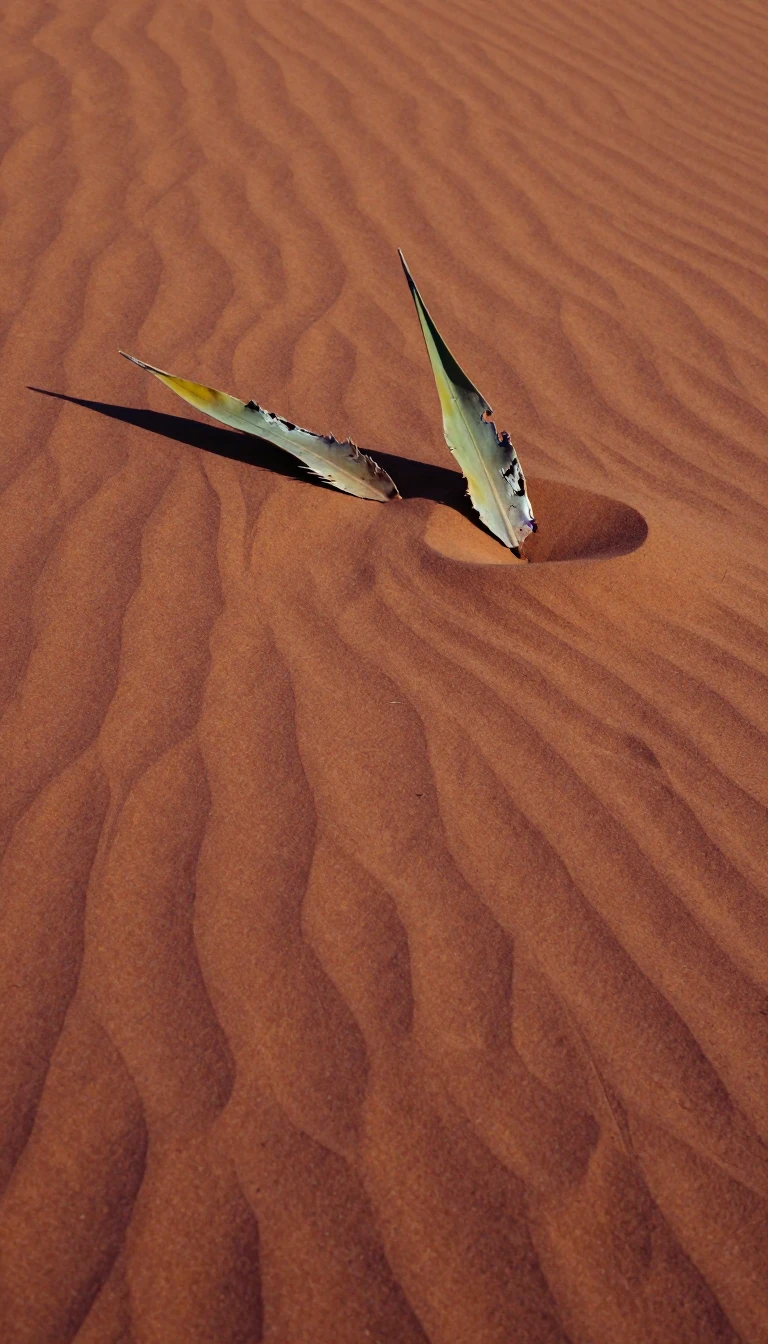 About 94 percent of plant species are perennials, not annualsGardeners think of annuals as the norm, but an estimated 94 percent of plant species live longer than two years. Some wait decades to bloom: a century plant can live 80 years and …
 Your sweat glands run on a different nerve signal from the rest of the systemAt full output an adult can sweat 2 to 4 litres an hour. The glands doing it are wired unusually: most sympathetic nerves release norepinephrine, but the ones driving sweat glands…
 Prize-winning giant fruit at fairs relies on cutting a plant's sugar pipelineStrip a ring of bark from a branch and you sever its phloem, the living tissue that ferries sugar from leaves to the rest of the plant. Growers exploit this: girdle a branch, leav…
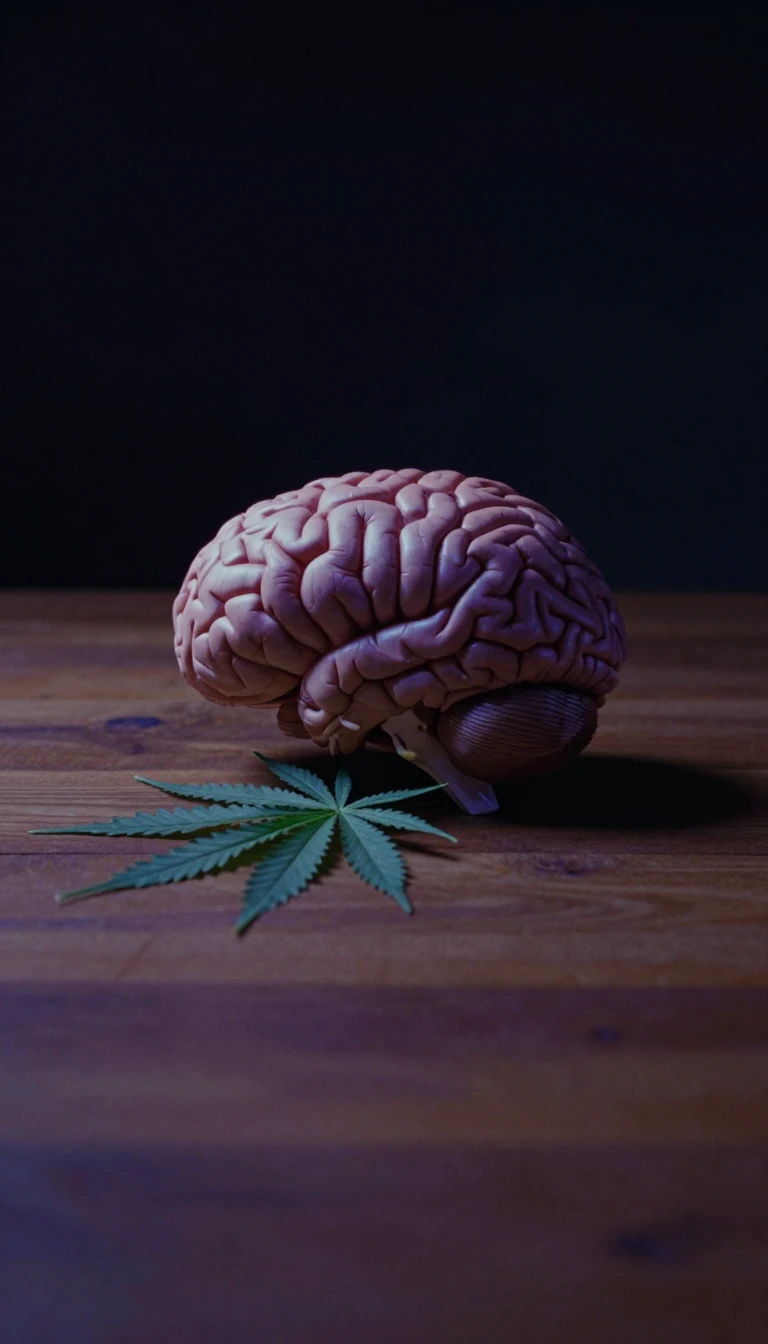 The rice-sized pineal gland is the leftover of an ancient eyeDescartes thought the pineal gland was where soul and body met. Evolution tells a stranger story. This rice-grain structure deep in the brain appears to descend from a light-sensi…
 Belgian coal miners trusted Scots pine because it cracked loudly before failingIn the coal mining regions of Flanders, tunnels were propped with Scots pine for a practical reason: the timber made a cracking noise when it needed replacing. The same species is…
 Plasma donors can give far more often than blood donors, and here is whyWhole blood donors wait 56 days between donations. Plasma donors can often return within a few days, giving up to a litre at a time. The trick is that the machine hands the red ce…
- A poplar was the first tree ever to have its whole genome readIn 2006 the western balsam poplar became the first tree to have its complete DNA sequenced. It belongs to Populus, a genus of 61 accepted species of poplars, aspens and cottonwood…
 The Times locked its website in 2010 and lost 60% of its trafficWhen The Times of London put every article behind a charge in 2010, Jimmy Wales said it had made itself irrelevant. Traffic fell by 60%, and 105,000 people paid. A year later The …
- The glue that holds plant cells together is what sets your jamPectin cements neighbouring plant cells together. When fruit ripens, enzymes dissolve it and the flesh goes soft; when autumn leaves drop, the same breakdown frees their stalks. E…
 Your chest muscle ends in a twisted tendon only five centimetres wideThe pectoralis major fans out across the chest from collarbone, breastbone and ribs, then funnels into a flat tendon about 5 cm wide that twists as it anchors to the upper arm. Ne…
 The mould that spoils your bread also gave us penicillin and RoquefortThe blue fuzz on stale bread belongs to the same genus that ripens Brie, veins Stilton and produced the first great antibiotic. Penicillium has over 300 species. One of them, long…
 Pepsin can lie dormant in your throat and wake up with the next refluxYour stomach's main protein-cutting enzyme only works in strong acid, yet it survives milder conditions without being destroyed. Carried up into the throat by reflux, pepsin sits …
 Why pancreatic cancer is usually found late, and why that matters so muchPancreatic cancer tends to stay silent until it has spread. Jaundice, often the first sign people notice, appears only when a tumour grows big enough to squeeze the bile duct. Glo…
 A part-time chemistry graduate bought his bosses out and invented PantoneIn 1956 a New Jersey printing firm hired a young Hofstra chemistry graduate part time. Lawrence Herbert tidied its chaotic pigment stock so well that by 1962 his ink division made…
 The raptor's famous sickle claw was probably a grappling hook, not a bladeFor decades the curved toe claw of Deinonychus and its kin was pictured slicing open giant prey. Close study of the claw's shape says otherwise: its underside was barely keeled an…
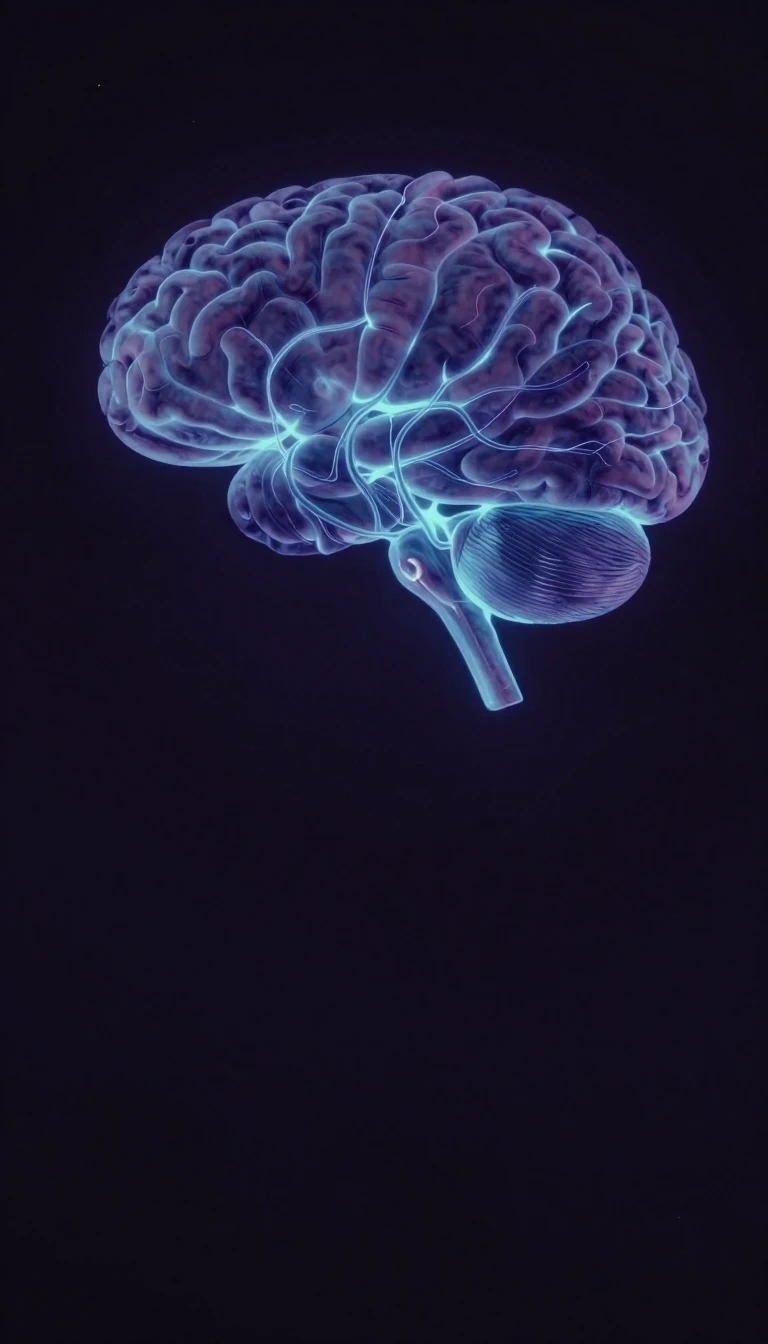 Many lizards carry a real third eye on top of their headsTuataras, most lizards, frogs, sharks and lampreys have a small light-sensing organ in a hole at the top of the skull. Skin always covers it in living animals, and it senses light…
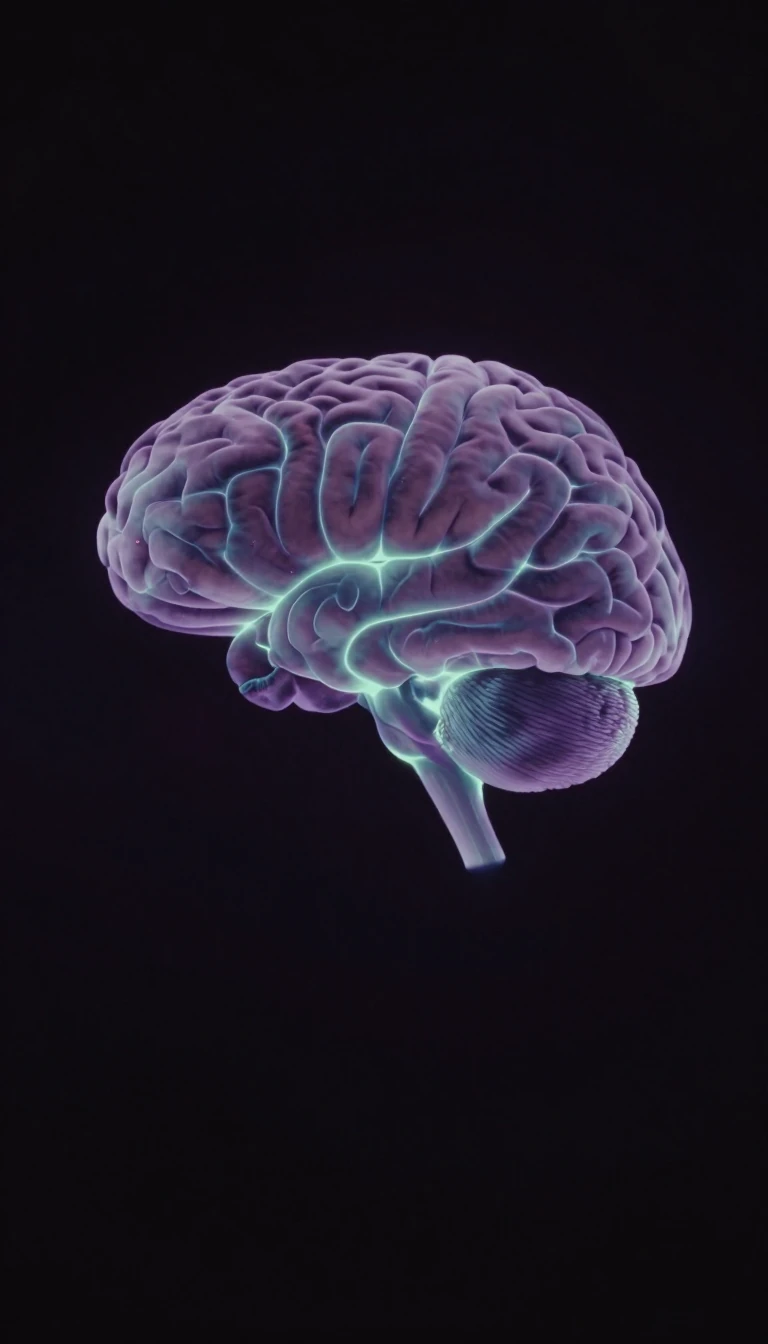 Damage one brain lobe and half the world can simply vanishAfter an injury to the right parietal lobe, some people stop noticing everything on their left: food on that side of the plate, the left half of a drawing, even their own left arm…
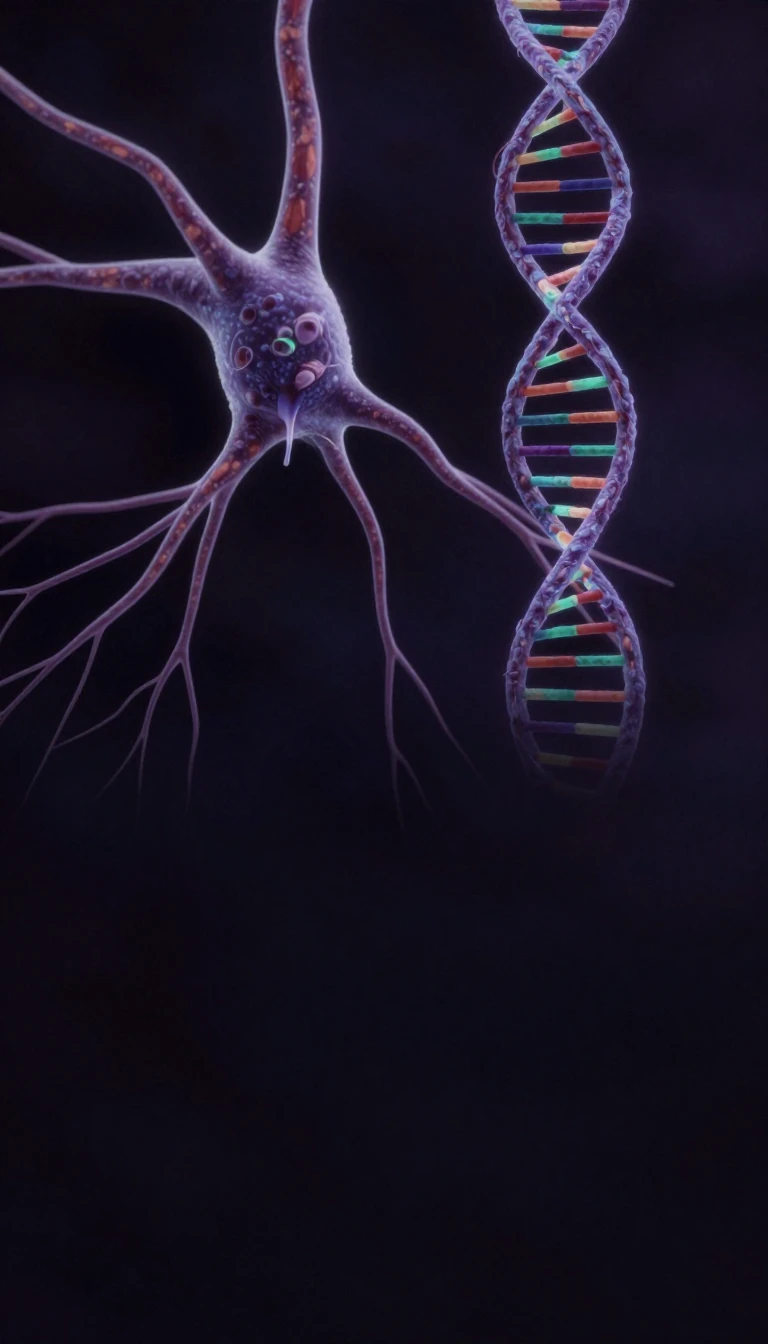 Your spinal discs hide the remains of a rod every chordate sharesLong before you had a backbone, you had a notochord: a springy rod running head to tail through the embryo. It is the defining feature of the whole chordate group. In humans it mo…
 The blind olm may breed only once every 12.5 yearsDeep in the flooded limestone caves of the Balkans lives a pale salamander locals call the human fish. The olm is nearly blind, keeps its baby gills for life, can survive long sta…
 The French omelette probably began as a Persian herb dishThe omelette feels quintessentially French, yet it is thought to have started in ancient Persia, where it was nearly identical to kookoo sabzi, a herb-packed cousin of the frittat…
 The pipe organ began as a water-powered machine in ancient AlexandriaMozart called it the king of instruments, and before the Industrial Revolution the pipe organ ranked with the clock among humanity's most complex machines. Its ancestor was the hy…
 Too much oxygen can poison the brain, lungs and eyesOxygen keeps us alive, yet breathed at high enough pressure it becomes a poison. Divers deep underwater risk sudden seizures, while premature babies on long oxygen treatment risk …
 Neurofibromatosis tumours grow from the nerves' support cells, not neuronsNeurofibromatosis is not one disease but three genetic conditions that seed tumours along the nervous system. Oddly, the growths come from the cells that wrap and support nerves r…
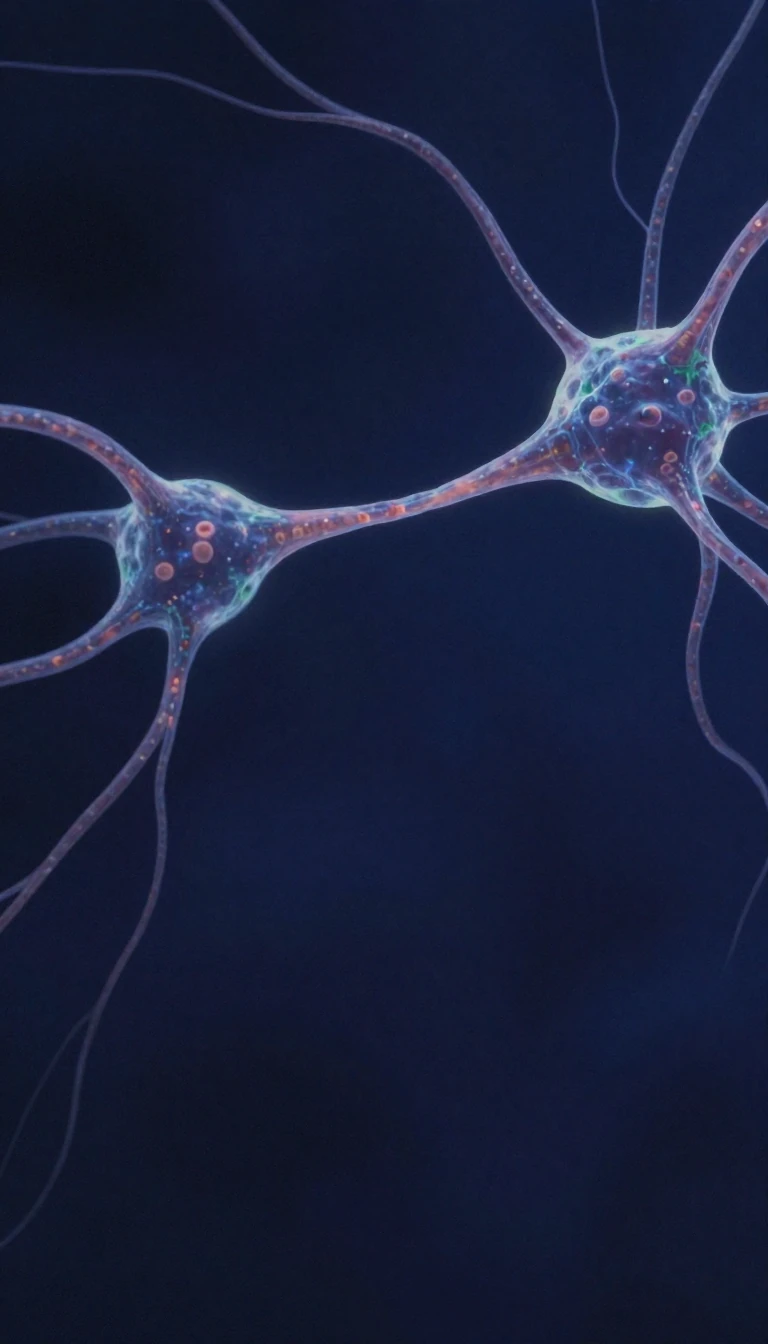 The brain's NMDA receptor only opens when two conditions coincideThe NMDA receptor is a molecular gate that refuses to open on one signal alone. Glutamate must bind to it, and the neuron must already be electrically excited enough to eject a ma…
 Nociception is not pain: the nerve alarm that fires before feelingCharles Scott Sherrington coined the word nociception to separate two things we usually blur together: the nerve activity triggered by harm, and the subjective feeling of pain. Th…
 Non-Hodgkin lymphoma is a catch-all label for more than 60 cancersNon-Hodgkin lymphoma is defined by what it is not. The name covers every lymphoma except the Hodgkin kind: over 60 distinct cancers of white blood cells, some slow enough to watch…
 A genetic stutter that grows longer, and harsher, with each generationIn myotonic dystrophy type 1, a three-letter DNA sequence repeats itself too many times, and the run tends to lengthen as it passes from parent to child. Longer runs mean earlier …
 Some plants spike their nectar with nicotine to keep visitors movingA wild tobacco from Utah lures birds and moths with a sweet scent, then laces its nectar with bitter nicotine. The likely payoff: a pollinator takes one sip, dislikes the aftertas…
- The most neocortical neurons belong to a dolphin, not to usThe neocortex, a folded sheet only 2 to 4 mm thick, handles perception, planning and language and makes up about three-quarters of the human brain. Yet among mammals studied so fa…
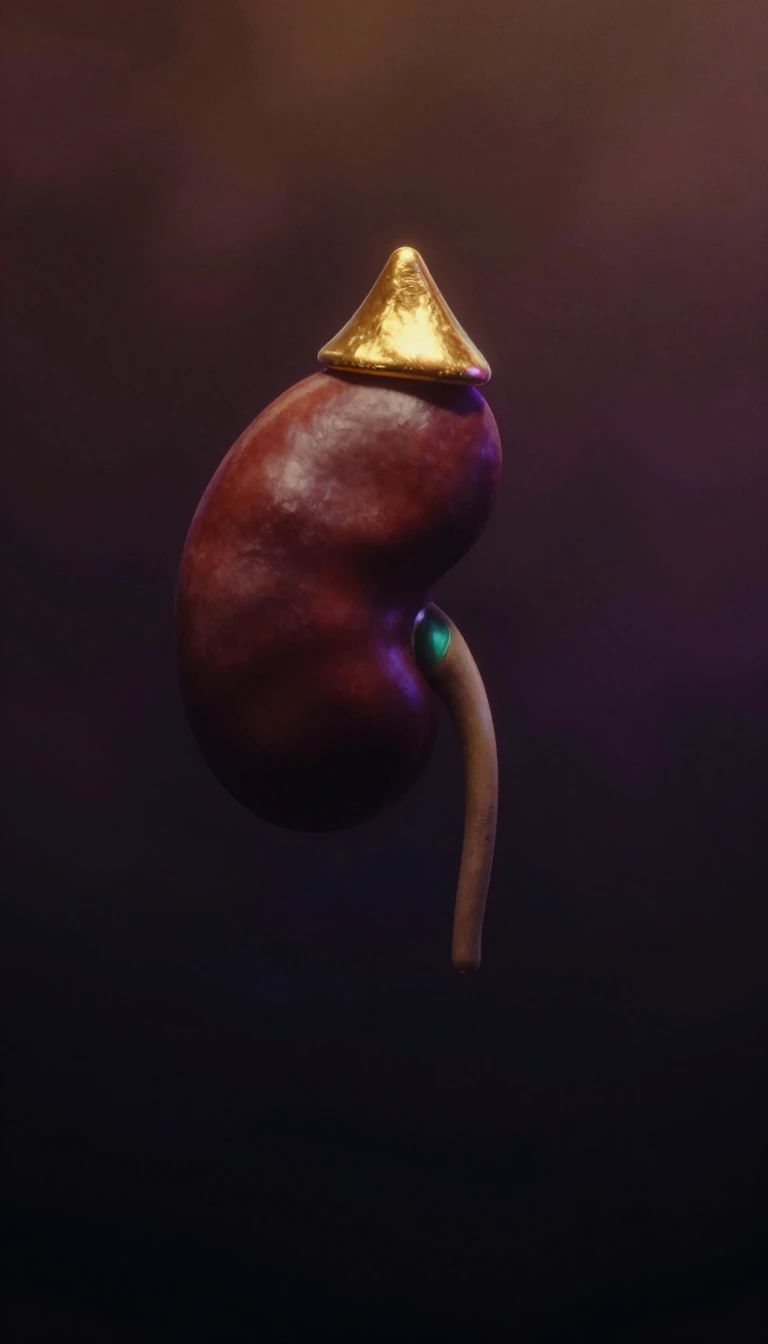 Your kidneys filter over 150 litres a day and hand back 99%Each day an adult pushes more than 150 litres of fluid through the kidneys' microscopic filters, then reclaims 99% of the water before it can leave. The work is done by one to one…
- One giant neuron lets a fish flee in millisecondsEvery fish carries two huge Mauthner cells in its brainstem, one per side. A single impulse from one is enough to bend the whole body into a C and fling the fish away from danger …
 Alzheimer's drug trials have failed 99.5% of the timeBillions of dollars have gone into Alzheimer's research, yet in clinical trials 99.5% of attempted treatment strategies have failed. Wrong doses, wrong targets and poorly chosen v…
 Monitor lizards can count to six and smell in stereoRock monitors fed different numbers of snails can tell quantities apart up to six. Nile monitors team up to raid crocodile nests, one acting as decoy. Their forked tongues sample …
- The Parkinson's lookalike whose damage hides in the brain's support cellsMultiple system atrophy can look like Parkinson's disease, with stiffness, slowness and tremor, but it usually barely responds to Parkinson's drugs. The reason lies deep in the ti…
 Before plants had roots, fungi did the job for themWhen plants first crept onto land, they had no roots and the soil held little they could reach. Fungi threaded into their cells and fetched minerals such as phosphate in exchange …
 Deer can die from the stress of being caughtChase and restrain a wild deer or kangaroo and its muscles can break down from the strain, sometimes fatally. Vets call it capture myopathy. It belongs to a sprawling family of di…
 Manatees grow new teeth on a conveyor belt, like elephants doA manatee chews gritty plants all day with molars whose enamel is weak. Its answer is endless replacement: fresh teeth erupt at the back of the jaw and creep forward as worn ones …
 The cell behind a mosquito bite's itch is roughly 500 million years oldThat red, itchy bump appearing seconds after a mosquito bite is the work of mast cells dumping histamine. These immune sentinels are thought to date back nearly 500 million years …
 A cave in India's rainiest state names the age we live inMeghalaya, the abode of clouds, soaks up around 12,000 mm of rain a year in its wettest hills. It also lends its name to geological time: since 2018 the latest slice of the Holoce…
 Your brain is wrapped in a tough mother, a spider web and a tender motherThree membranes sheathe the human brain and spinal cord. Their Latin names are surprisingly affectionate: the dura mater, or tough mother, lines the skull; the gauzy arachnoid is …
- Why nobody thinks a monarch looks like a crownWhen a newspaper reports that the Crown or the White House has decided something, no one pictures jewellery or a building making choices. That shortcut is metonymy: naming a thing…
- Microcephaly usually begins with too few brain stem cells in the wombA smaller-than-normal head is the visible sign, but the underlying story of microcephaly is about the cerebral cortex failing to grow. Too few neural stem cells, neurons made too …
 Miscarriage is far more common than most people realise, and rarely anyone's faultAmong women who know they are pregnant, roughly one pregnancy in ten to one in five ends in miscarriage; counting every fertilised egg, the share may reach a third to a half. In a…
 The Viking longship's design was already ancient when the Vikings set sailRock carvings in Sweden made between 1800 and 500 BC already show long boats with raised, animal-headed ends. A key leap came around 300 AD with overlapping clinker planks. By the…
 The same oil that binds oil paint can set a pile of rags alightLinseed oil hardens because it reacts with oxygen, which made it the backbone of oil painting, window putty and linoleum. That reaction also gives off heat. Leave oil-soaked rags …
- Your lips look red because their skin is almost see-throughLip colour is not really pigment. The skin there has just three to five cell layers, against as many as sixteen elsewhere on the face, so in lighter-skinned people the blood vesse…
 Why some flower spikes keep growing forever while others stop at one bloomLook at the tip of a flower cluster and you can read its growth plan. Some stems never finish with a flower, their growing tip adding blooms along the sides indefinitely. Others c…
 Irritable bowel syndrome hits women twice as often in the West, but not everywhereIrritable bowel syndrome affects roughly one person in nine worldwide, yet its pattern shifts with geography. In Western countries women get it about twice as often as men. In Eas…
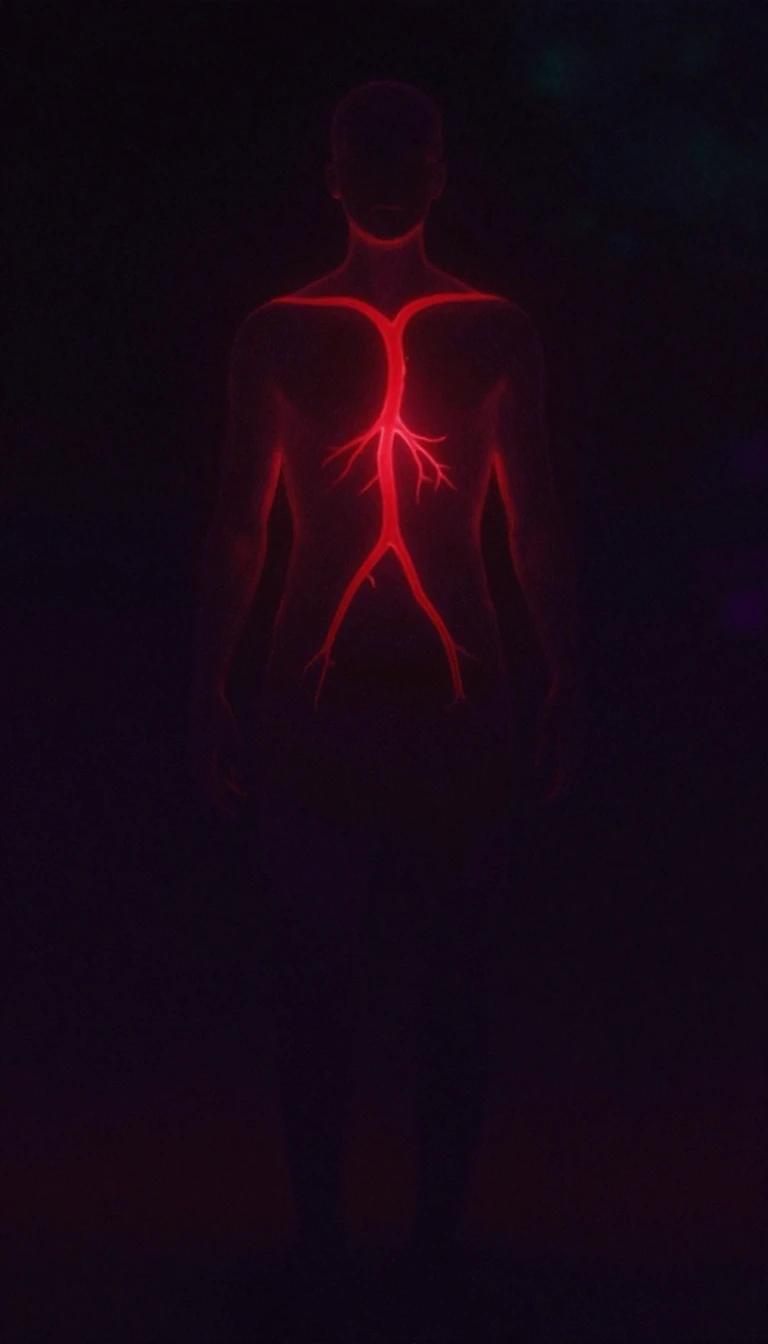 A childhood fever of unknown cause that targets the heart's arteriesIn 1967 a Japanese paediatrician, Tomisaku Kawasaki, described a puzzling illness in small children: days of stubborn fever, red eyes, a strawberry-red tongue, swollen hands. Near…
 The knee is not a simple hinge but a rolling, sliding spiralBabies are born without bony kneecaps. The patella starts as cartilage and only turns to bone somewhere between three and five years of age, slowly because it is the largest sesam…
 Victorians sent coded messages in bouquets, and even the hand that gave them matteredA Victorian suitor could propose without saying a word, and be refused the same way. Flowers handed over with the right hand meant yes; with the left, no. Where a woman pinned a p…
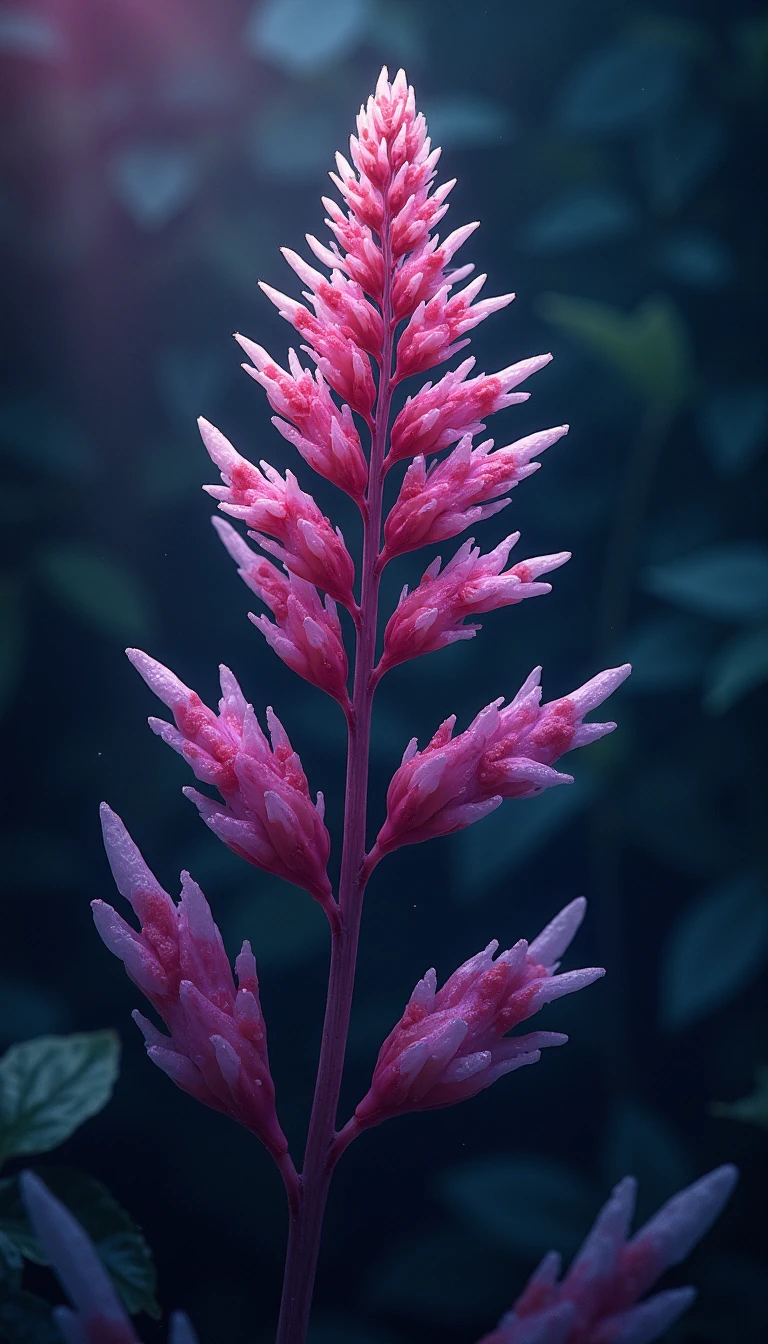 The milky latex in rubber gloves evolved as a sticky plant weaponSnap a milkweed leaf and white fluid wells up. That latex is not sap. It is a defensive cocktail packed with toxins that clots in air, gumming up insect mouthparts, and in one mil…
 Most people catch the kissing disease as children and never noticeNearly 95 percent of adults have been infected with the Epstein-Barr virus, the usual cause of glandular fever. Catch it as a small child and you may barely feel it. Catch it as a…
 Digestion starts before the first bite, with the sight of foodYour stomach begins preparing for a meal the moment you see or smell it, releasing juices before anything reaches your mouth. From there, food travels a tube roughly nine metres l…
 Humpty Dumpty never says he is an egg, because he was a riddleRead the nursery rhyme closely and nothing in it calls Humpty Dumpty an egg. That omission is the point: it probably began as a riddle, playing on slang for a short, clumsy person…
- The one bone in your body that touches no other boneTucked in your neck between chin and Adam's apple sits a small horseshoe of bone held in place only by muscles and ligaments. The hyoid touches no other bone, yet it steadies the …
- An overactive thyroid can mimic an endless shot of adrenalineWhen the thyroid gland pumps out too much hormone, the whole body speeds up: a racing heart, trembling hands, sweating, sleeplessness and weight loss even with a hearty appetite. …
 Hypospadias affects roughly one boy in 250, and its cause is unknownIn hypospadias the urinary opening forms somewhere other than its usual spot at the tip of the penis. It ranks as the second most common birth difference of the male reproductive …
- An almond-sized patch of brain runs your temperature, hunger and sleepDeep beneath the thalamus sits a structure roughly the size of an almond that steers body temperature, hunger, thirst, fatigue and daily rhythms. The hypothalamus is the brain's b…