 Intellect Plus
Anatomy and morphology
570 cards. Each one is a 40-second story with a five-minute read behind it. Page 8 of 10.
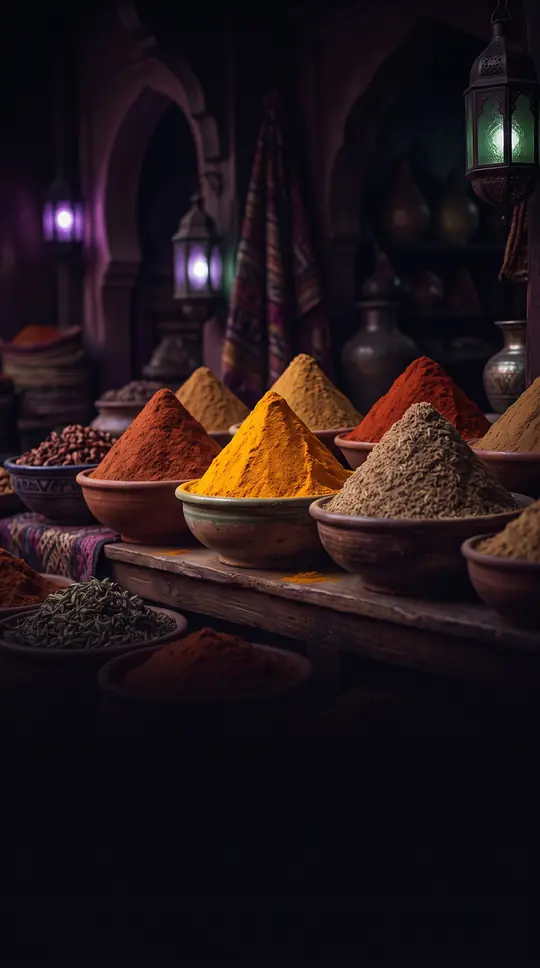 Bell peppers and fiery chiltepins belong to one and the same speciesA sweet bell pepper scores zero on the Scoville scale; a wild chiltepin can reach 200,000. Both are Capsicum annuum, a plant Mesoamerican farmers domesticated about 6,000 years ag…
 Your bone marrow makes about 500 billion blood cells every dayTucked inside spongy bone, marrow makes up roughly 5% of an adult's body mass, around 3.7 kg in a 73 kg person. It turns out some 500 billion blood cells a day. A newborn's bones …
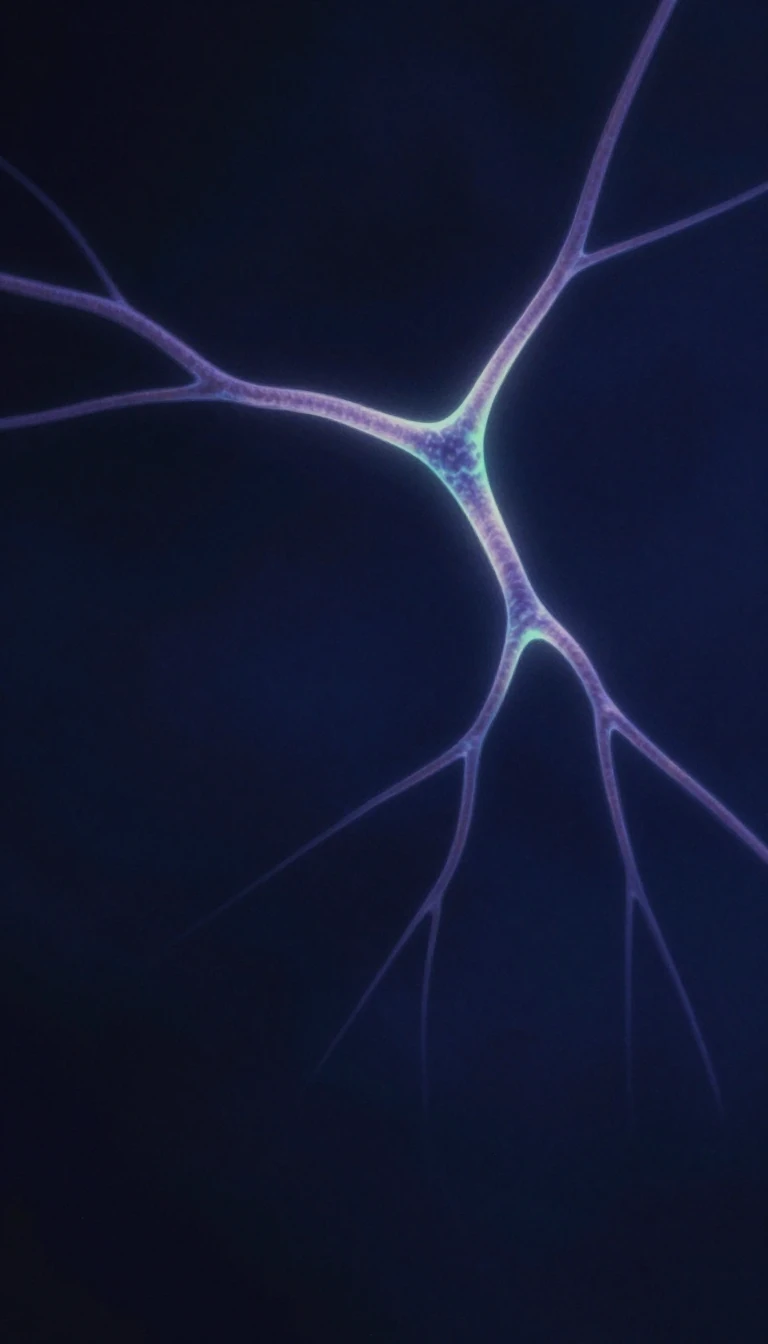 Every movement of your arm runs through one tangled nerve junctionFive nerve roots leave the spine at the base of the neck, merge, split and merge again before reaching the arm. This braid, the brachial plexus, wires almost every muscle and patc…
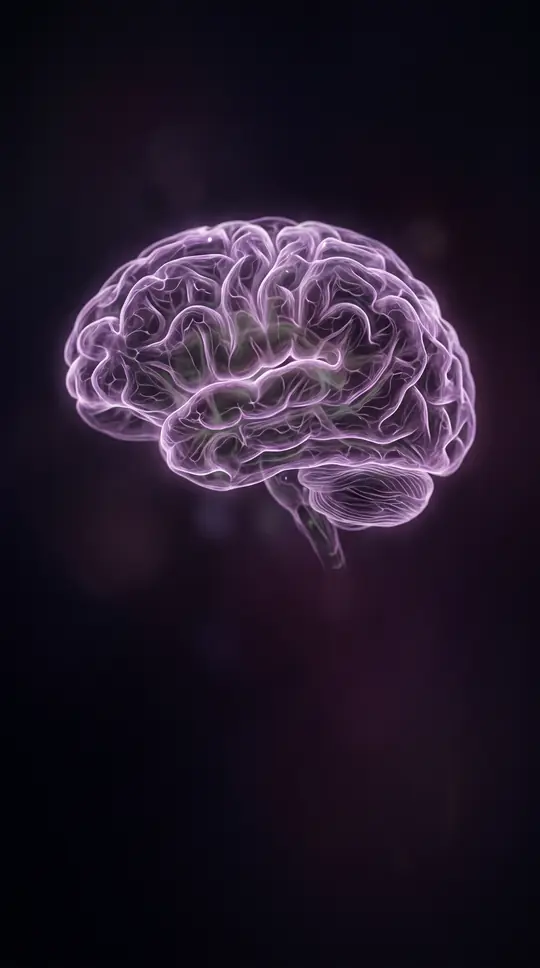 Your brain moves by releasing a brake, not by pressing an acceleratorDeep in the forebrain, the basal ganglia keep the body's motor systems under constant restraint. Their output neurons fire steadily at high rates, suppressing movement, and an act…
 Sweat barely smells; armpit bacteria turn it into body odourFresh sweat is not what you smell. Apocrine glands, which switch on at puberty, release compounds that skin bacteria digest into pungent molecules. Different microbes dominate in …
 Kolkata's Great Banyan is one tree standing on 2,880 extra trunksA banyan often starts life high in another tree, dropping roots to the ground that thicken into trunks. Given time it can smother its host and keep spreading sideways indefinitely…
- Barbed wire began with a county-fair display and a coffee millAt a DeKalb, Illinois, fair in 1873, a farmer named Joseph Glidden saw a wooden strip studded with metal points meant to stop cows. He went home, made barbs with his coffee mill, …
 How a false death report split an ancient Christian church in twoIn 1553 Roman officials were told, wrongly, that the elderly patriarch of the Church of the East had died. The pope appointed a rival, Yohannan Sulaqa, and centuries of competing …
 Star-shaped brain cells once dismissed as packing turn out to talk backAstrocytes, named for their star shape, were long seen as scaffolding for neurons. Since the mid-1990s researchers have watched them pass calcium waves across long distances and r…
 Every meal you eat started with an organism that feeds on light or rockAutotrophs build their own food out of carbon dioxide, powered by sunlight or by chemical reactions with minerals. Plants, algae and vent-dwelling microbes sit at the base of ever…
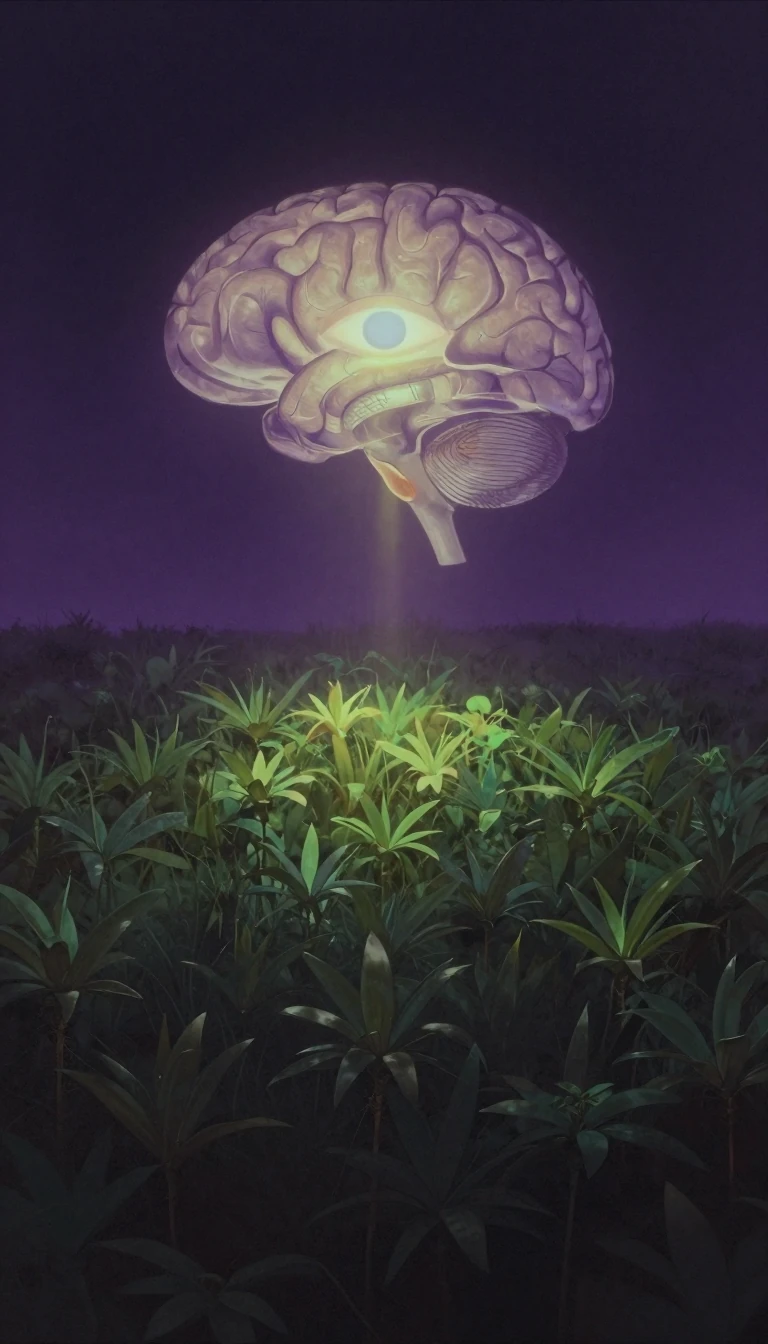 You can be aware without being awake, and awake without being awareAwareness feels like the simplest fact of life, yet scientists and philosophers still argue over what it is. Dreamers are aware while asleep, some brain-damaged patients seem awak…
 Why aspartame keeps getting cleared and questioned at the same timeAspartame is roughly 200 times sweeter than table sugar, so a pinch replaces a spoonful and adds almost no energy. Over 100 regulators have judged it safe within set limits. Yet i…
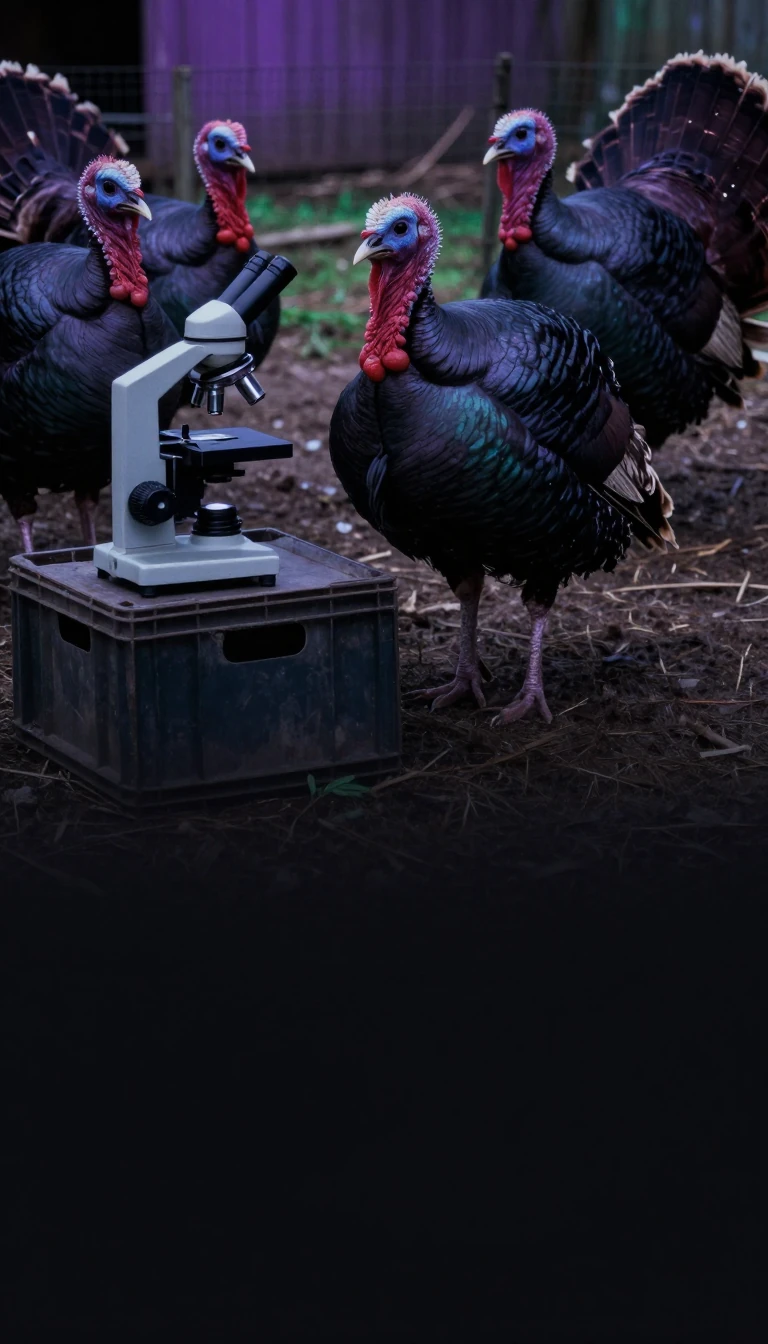 A priest named this mold after a holy water sprinklerPeering through a microscope in 1729, the Italian priest Pier Antonio Micheli saw spore heads shaped like the aspergillum used to scatter holy water, and named the genus Aspergill…
 The black mold on your onions also makes most of the world's citric acidThe sooty fungus that spoils grapes, apricots and peanuts is also a factory workhorse. Fed sugar in acidic tanks, Aspergillus niger turns out more than a million metric tons of ci…
- Your two amygdalae keep separate memories and may handle emotions differentlyDeep in each temporal lobe sits an almond-shaped cluster of thirteen nuclei that tags experiences with fear, pleasure and meaning. Electrically stimulating the right one tends to …
- Under polarised light, the proteins behind amyloidosis glow apple-greenAmyloidosis happens when proteins fold the wrong way, stack into rigid fibres and pile up in organs the body cannot clean. Its early signs are vague, like tiredness, swollen ankle…
 Why doctors say biceps brachii: anatomy's dead languages exist to stop mistakesTell someone you have a scar above the wrist and they might picture your forearm or the heel of your palm. Anatomists avoid that ambiguity with a vocabulary drawn from Greek and L…
 On a horse, front and back become cranial and caudal, because anatomy depends on postureIs your back posterior or dorsal? For a human it is both, but on a dog those words point in different directions. Anatomists anchor every direction to a fixed reference pose, and …
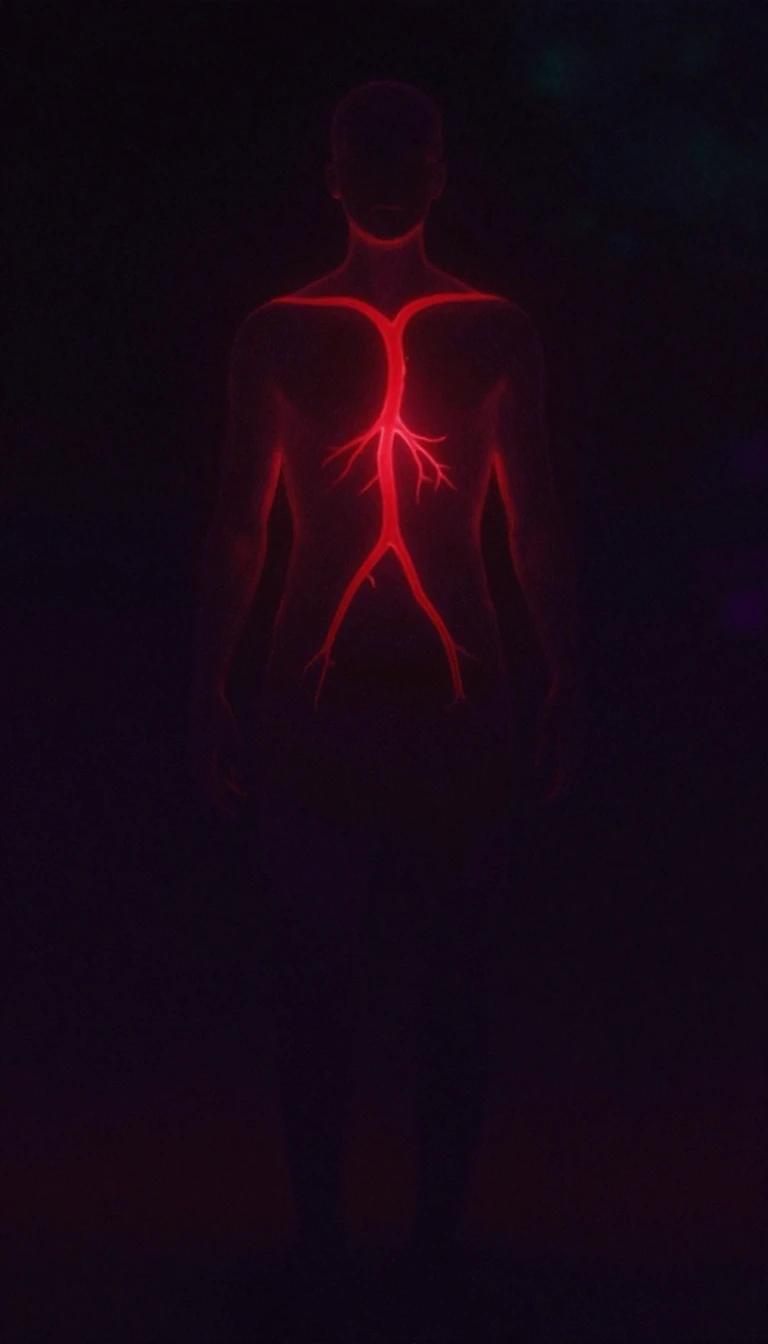 An aortic aneurysm is usually silent until it bursts, which is why screening mattersThe body's largest artery can quietly balloon to over one and a half times its normal width without causing a single symptom. The first sign is often a rupture, with sudden agonis…
 Aragonite shouldn't exist at Earth's surface, yet it builds almost every seashellChemically, aragonite is just calcium carbonate, the same stuff as chalky calcite. Physically it is the version that ought to form only under crushing pressure. Yet corals and nea…
 Kevlar and Nomex differ by where one chemical link sits on a carbon ringThe fibre in bulletproof vests and the fabric in firefighters' suits are close chemical cousins. Both are aramids, chains of six-carbon rings joined by amide links. Attach those l…
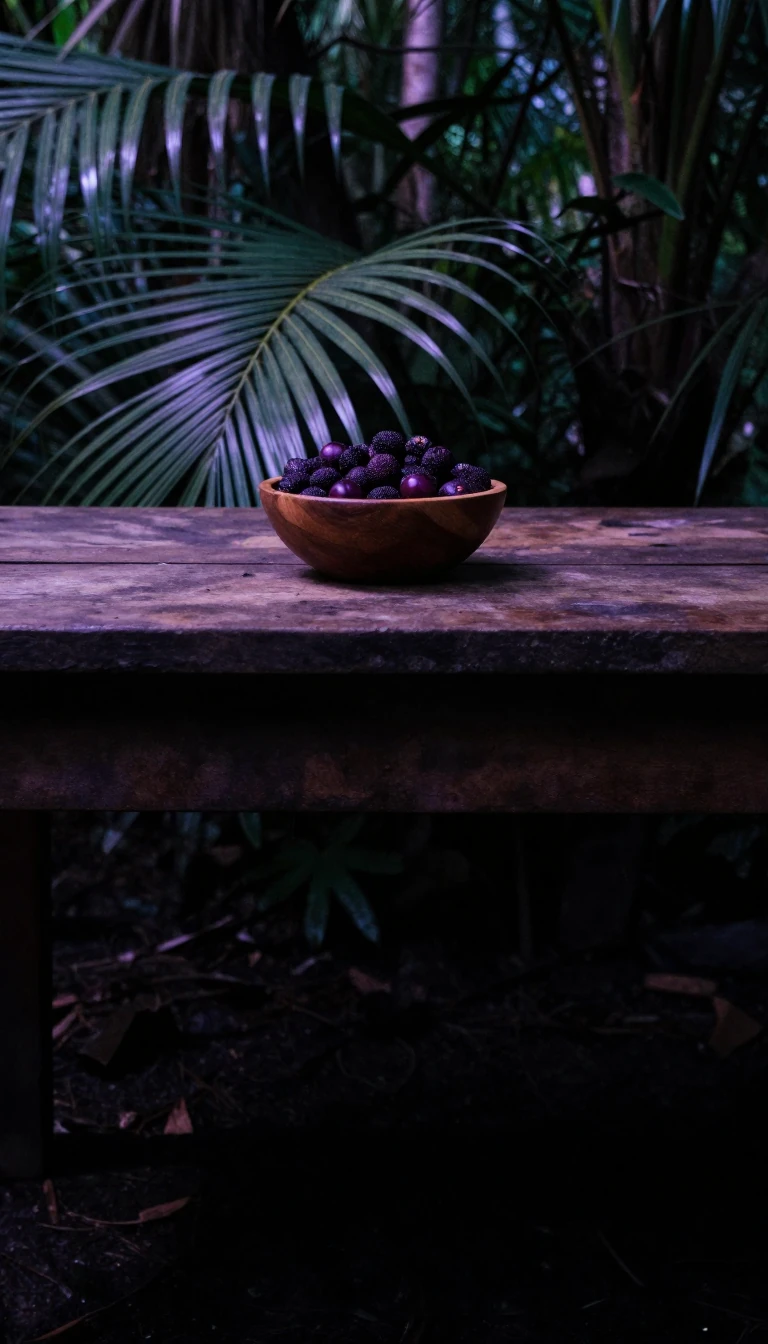 The strawberry tree flowers and ripens last year's fruit at the same timeIts red berries look like strawberries but the tree belongs to the heather family. Arbutus unedo takes about a year to ripen each crop, so every autumn it carries white bell flowe…
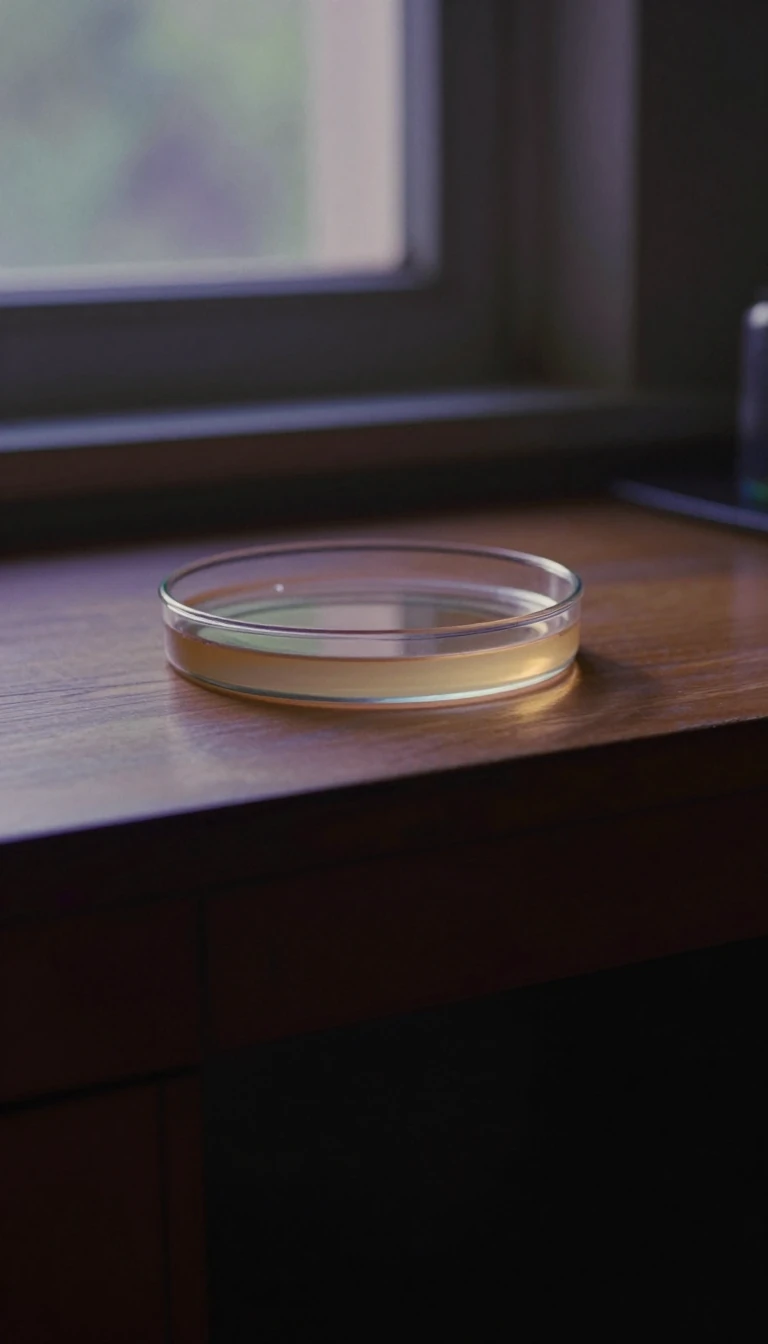 A scientist's wife suggested the seaweed jelly that transformed microbiologyIn 1882 Walther Hesse, working in Robert Koch's lab, needed a better surface for growing bacteria. His wife Fanny suggested agar, a jelly made from seaweed and long used in Asian …
 Agnosia lets you see a face perfectly and still not know who it isPeople with agnosia have working eyes, ears or noses and intact memories, yet the brain fails to turn the signal into recognition. One patient, asked about breakfast, said the wor…
- A swelling in the body's main artery usually gives no warning before it burstsAn abdominal aortic aneurysm is a bulge in the aorta below the chest, wider than 3 cm. Most cause no symptoms at all until they rupture, and a rupture kills 85 to 90 per cent of p…
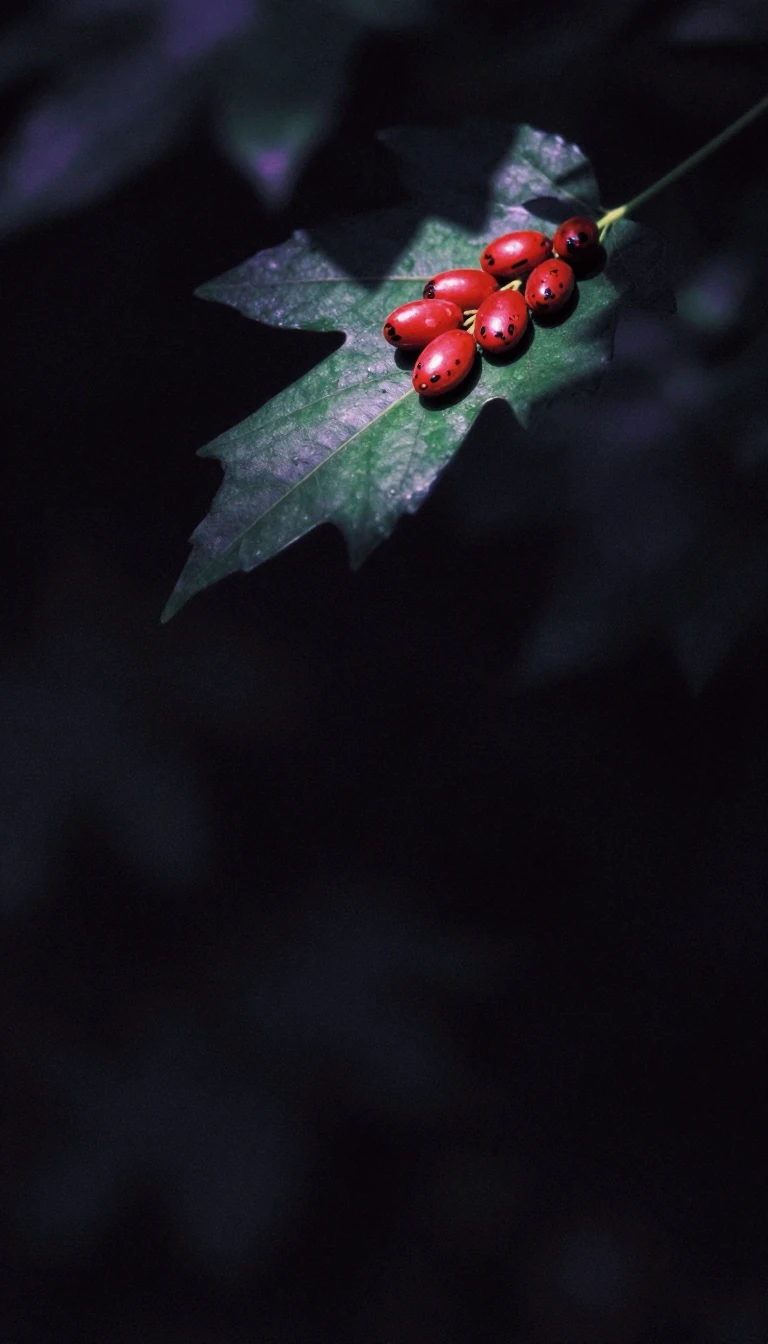 The pretty red rosary pea hides a toxin deadlier than ricinRosary pea seeds, glossy scarlet with a black spot like a ladybird, are strung into bracelets and rosaries. They also contain abrin, lethal at roughly one seventy-fifth the dose o…
- Every voluntary movement you make starts with one small chemical messengerWhenever you lift a finger, motor neurons squirt acetylcholine onto your muscle fibres, opening channels that let sodium rush in and trigger contraction. The same molecule helps w…
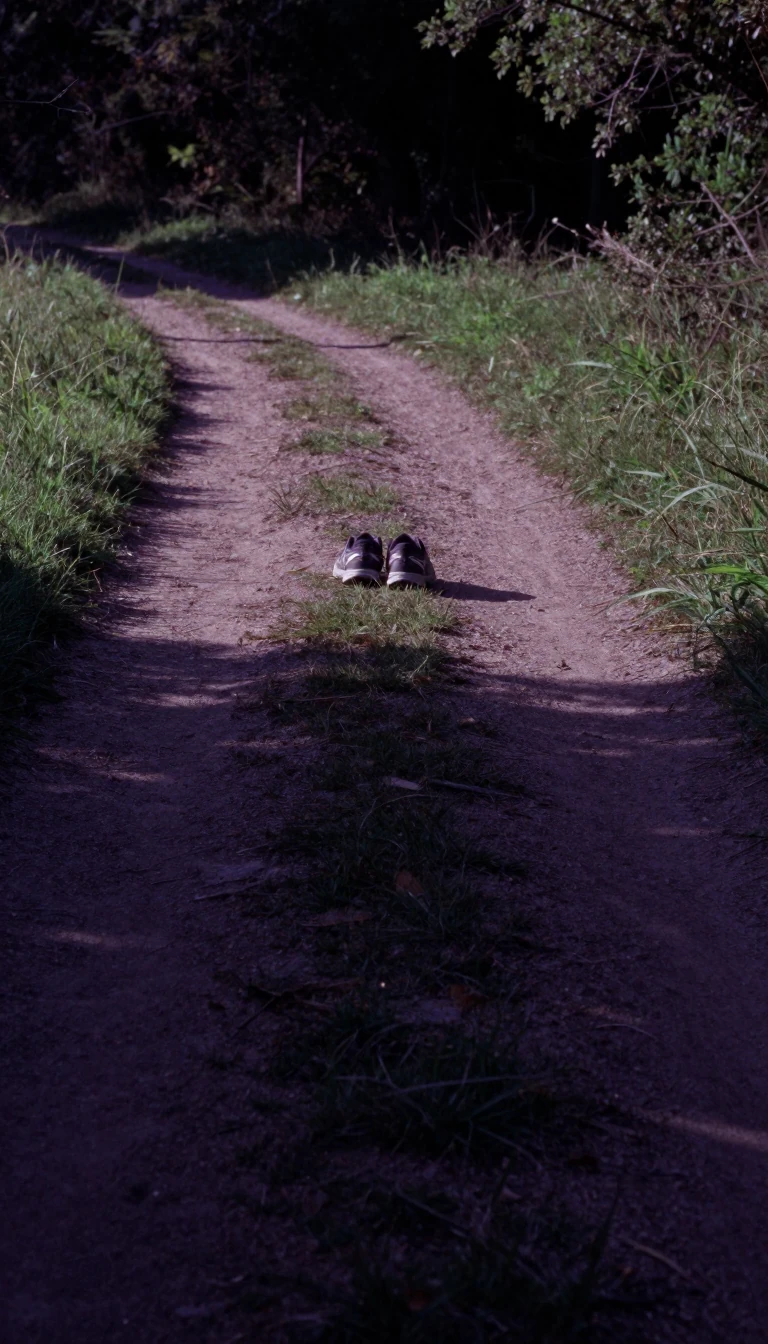 Your Achilles tendon may be the reason humans can run at allThe thickest tendon in your body takes loads of 7.7 times your body weight with every running stride and stores that energy like a spring. Computer models suggest it lifts top run…
 One anonymous author wrote over a quarter of the New TestamentThe Gospel of Luke and the Acts of the Apostles are two halves of one work, and together they make up 27.5 per cent of the New Testament, more than any other single writer. The au…
- White cells live in the buffy coat between reds and plasmaLeukocytes—white blood cells—defend against infection and foreign matter, generally larger than red cells, in three main groups: granulocytes, lymphocytes, and monocytes. All aris…
- Seeing is the brain inventing a world from bouncing lightVisual perception is the knack of detecting light and building an image of the surroundings—more than bare light sensing. In most vertebrates it runs in photopic daytime and scoto…
 Your visual system is a layered machine that predicts motionThe visual system is the physiology behind visual perception: it detects, transduces, and interprets visible light to build images and a mental model of space. Tied to the eye and…
 Leaf mouths trade carbon dioxide for precious waterA stoma is an epidermal pore edged by two guard cells that meter gas exchange in most land-plant sporophytes—liverworts excepted. Daylight carbon dioxide at about 425 ppm enters w…
- Your stomach is a stretchy acid mill between gullet and gutThe stomach sits in the left upper abdomen as a hollow muscular bag between esophagus and duodenum. After the cephalic phase of smell and chewing, its gastric phase uses acid and …
 Five basic tastes are only the opening act of flavourTaste begins when chemicals meet receptor cells in buds clustered on tongue papillae—and also on palate, cheeks, and throat. Humans host roughly two to five thousand buds, each pa…
- Tendons are living ropes that turn muscle pull into bone motionA tendon is dense fibrous connective tissue linking muscle to bone, transmitting contraction while enduring tension. Ligaments join bone to bone; both rely on collagen, yet adults…
 Testes make sperm and testosterone inside a cooled scrotal pouchA testis is the male gonad, homologous to the ovary, charged with producing sperm and secreting androgens—chiefly testosterone. Two similar glands hang in the scrotum, an abdomina…
- The thorax is a bony cage that keeps heart and lungs workingBetween neck and abdomen, the thorax—named from a Greek word for breastplate—houses heart, lungs, and thymus behind a rib cage braced by spine and shoulder girdle. In arthropods t…
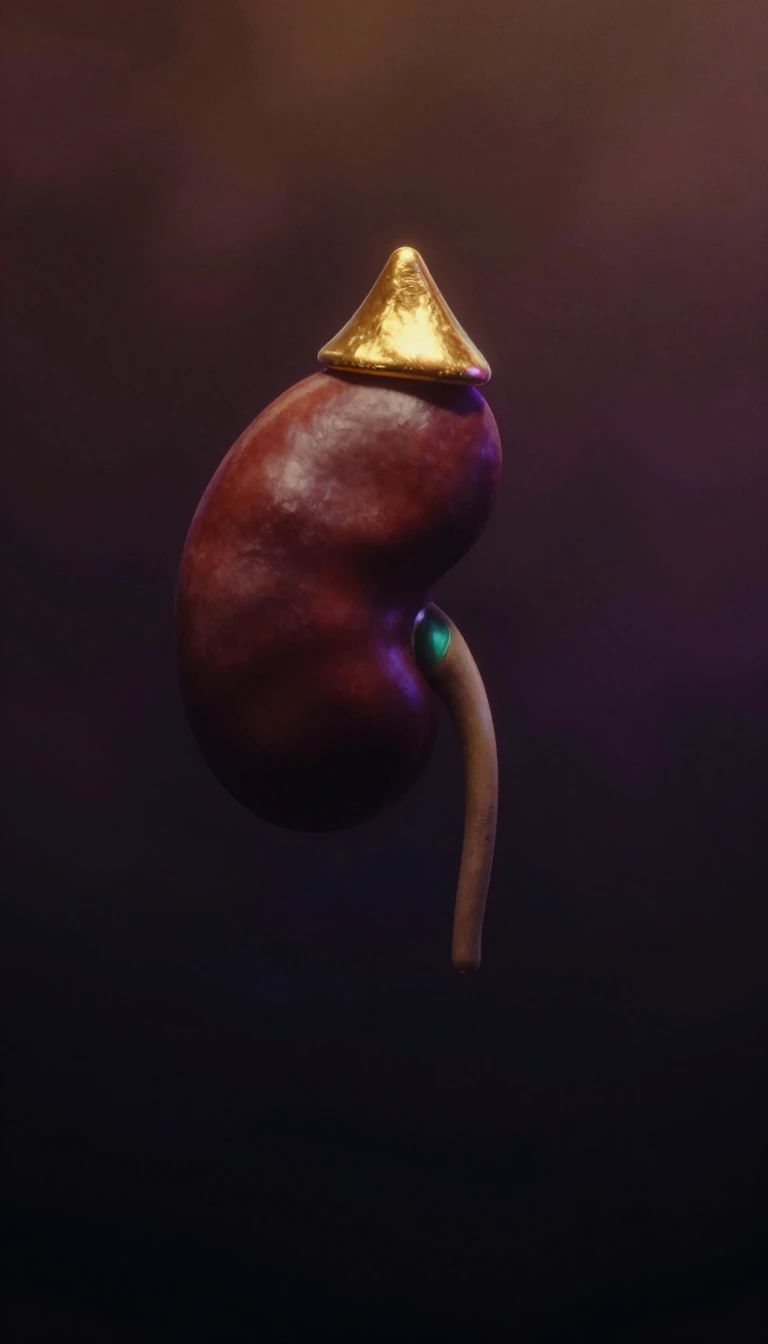 A butterfly gland in the neck meters metabolism with iodineThe thyroid is a vertebrate endocrine organ that in humans forms a butterfly or H below the Adam's apple. Two lobes join by an isthmus; follicles lined by thyrocytes store colloid…
 Tissue is the woven middle layer between cell and organIn biology, tissue means similar cells plus their shared extracellular matrix, born from the same embryonic stock and cooperating on one job. Organs are coalitions of tissues; the…
 The tongue is a boneless hydrostat that tastes and talksIn tetrapods the tongue manipulates food, hosts taste buds on its dorsum, cleans teeth, and—in humans—shapes speech. Average length from oropharynx to tip is about ten centimetres…
 Trees evolved height many times to win the light raceA tree is a perennial with a tall trunk that usually bears branches and leaves, though definitions swing from woody secondary growth to any tall palm, banana, or bamboo. Trees are…
 A tree trunk is living plumbing wrapped in dead armourTrunks, or boles, are the main stems of woody plants and the structural core of trees. Dead heartwood and living sapwood form the wood; cambium adds girth between wood and bark; l…
 Kidneys filter blood into urine that bladder and urethra expelThe urinary tract of humans and placental mammals pairs kidneys, ureters, bladder, and urethra to clear urea-rich urine while tuning blood volume, pressure, electrolytes, metaboli…
 The uterus is a hormone-tuned cradle for mammalian pregnancyIn most female mammals the uterus, or womb, shelters embryo and fetus until birth and secretes nourishing uterine milk from its lining. Humans have a fused simplex organ; some spe…
 Vascular cambium is the thin engine that thickens woody stemsIn dicots such as oak, gymnosperms such as pine, and many other plants with secondary growth, vascular cambium is the main stem and root growth tissue. It lays secondary xylem inw…
 Xylem and phloem are the pipes that let plants get tallVascular tissue is a multicellular transport system unique to vascular plants, built mainly from xylem and phloem that move water, minerals, and sugars. Associated meristems—the v…
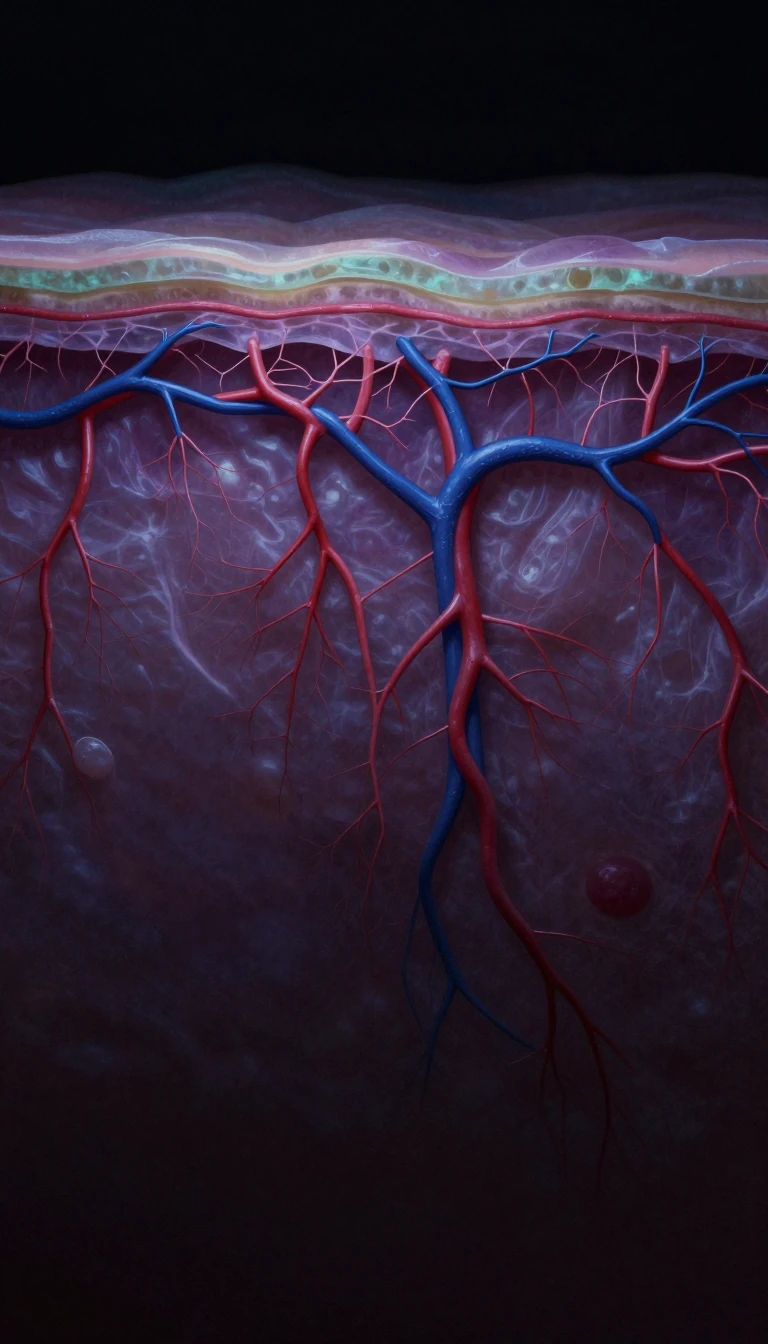 Veins store most of your blood and pump it home with valvesA vein returns blood toward the heart. Most systemic veins carry deoxygenated blood, though pulmonary and fetal veins are oxygen-rich exceptions. Compared with arteries they have …
 Venom is a weapon delivered through a wound, not a poison sipVenom—or zootoxin—is toxin an animal injects through a bite, sting, or similar wound via specialized gear such as fangs or a stinger. Poisons are swallowed, inhaled, or absorbed; …
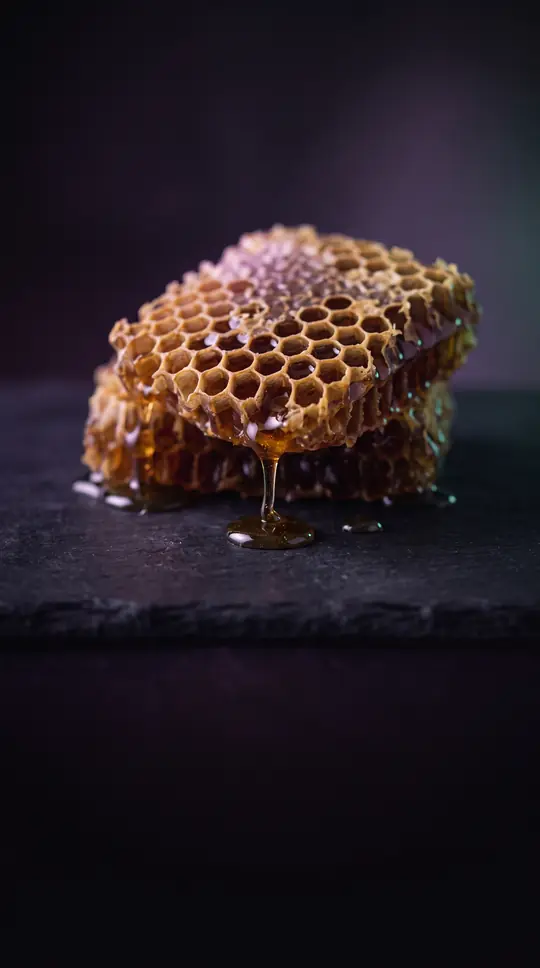 Most stingers reuse; honeybees bet the farm on one jabA stinger is a sharp organ, usually on arthropods, that pierces skin to inject venom—though not every sting carries poison. Bites and stings get confused in first aid. Of some twe…
 Lungs, gills, and skin all solve the same gas problemA respiratory system is simply the organ set that moves gases for animals and plants. Land vertebrates tuck exchange surfaces into lungs; fish bathe gills in water; insects use si…
- Roots do far more than drink from the dark soilIn vascular plants, roots anchor the body and pull water plus minerals upward so shoots can climb faster and taller. Most hide below ground, yet the same organs also store food, m…
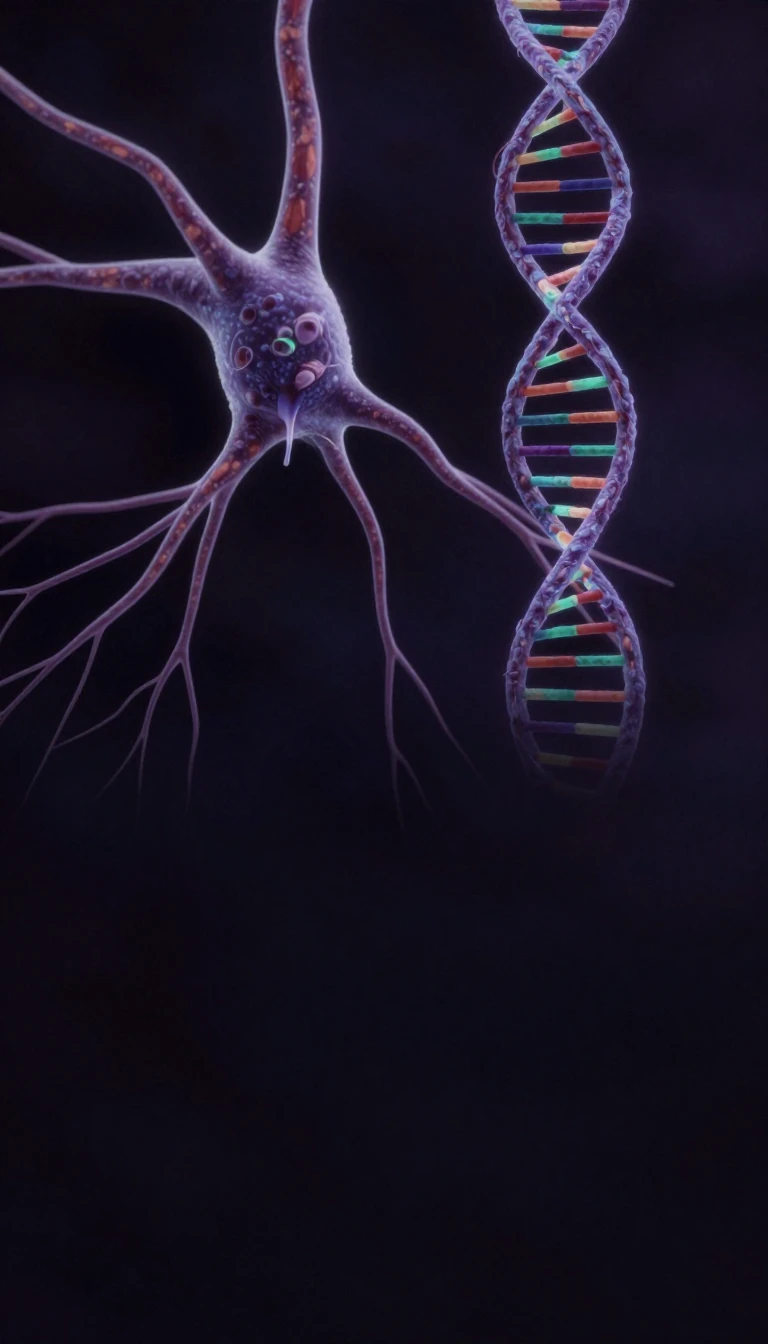 Muscle's smallest motor unit is a striped molecular machineA sarcomere is the repeating contractile segment between two Z-lines in striated muscle. Thick myosin and thin actin filaments slide to shorten it; smooth muscle skips this lattic…
- Fish armor and moth dust are both called scalesIn zoology a scale is a small rigid keratin plate growing from vertebrate skin for protection; butterfly and moth wings wear a different, powdery kind. Fish scales arise from derm…
- Seeds packaged plant embryos for a drier planetA botanical seed wraps an embryo and food stores inside a testa coat; loosely, anything sown can be called seed. Seed plants define themselves by this package, while ferns and mos…
- Smell is chemistry wired straight into memory circuitsOlfaction detects foods, hazards, and pheromones and shapes taste. In humans, odorants bind nasal receptors, signals pool in glomeruli, then hit the olfactory bulb before cortex. …
 Senses begin as specialized receptors tiling your worldThe sensory nervous system processes incoming information via receptor cells, pathways, and brain regions. Each organ's receptive field is the slice of body or environment it can …
 Two sexes of one species can look like different animalsSexual dimorphism means males and females of a species differ in form beyond the reproductive organs themselves. Peacock trains, raptor size reversals, and yellow-tinged blue tit …
- Shrubs are woody plants that refuse a single trunk lifeA shrub or bush is a small to medium perennial woody plant with persistent stems above ground, evergreen or deciduous. Unlike trees, shrubs usually branch into multiple stems with…
- Hundreds of voluntary muscles make up your moving chassisSkeletal muscle is one of three vertebrate muscle tissues beside cardiac and smooth. Fascicles of multinucleated fibers, wrapped in fascia, shorten via sarcomeres of actin and myo…