 Intellect Plus
Anatomy and morphology
570 cards. Each one is a 40-second story with a five-minute read behind it. Page 4 of 10.
 Beyond the core: why the spongy center of a plant is more than storageOften dismissed as mere filler, the pith is a dynamic central tissue essential to plant life. While it serves as a starch reservoir, it also orchestrates complex hydraulic functio…
 Most garden plants do not need fertilizer, and adding it can actually cause harm.While many gardeners assume plants are constantly hungry, the truth is that established trees and shrubs rarely require supplemental feeding. Over-fertilizing risks water pollutio…
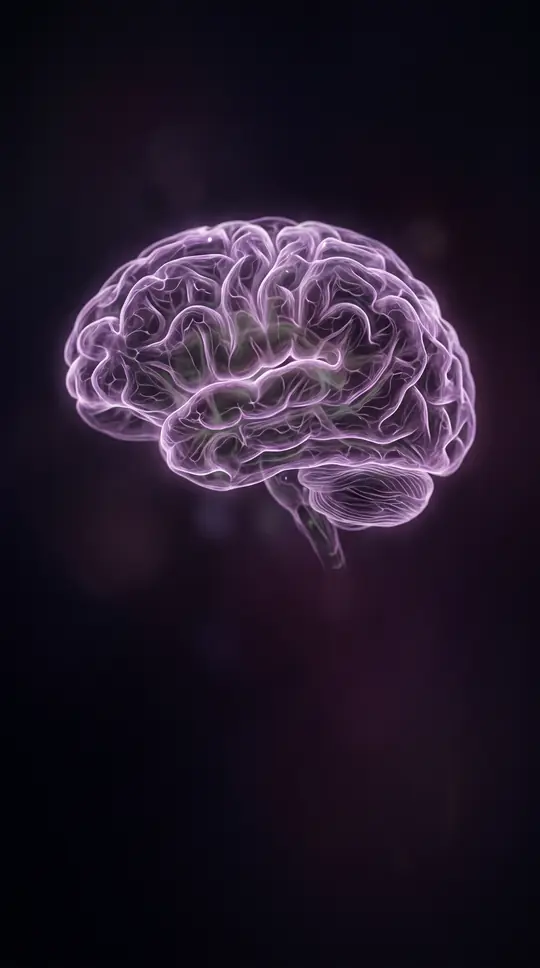 The pons is a small, cauliflower-shaped bridge essential for your survival and daily movement.Tucked at the base of your skull, this beige structure acts as a vital junction between your brain and spinal cord. It manages everything from your breathing and sleep cycles to f…
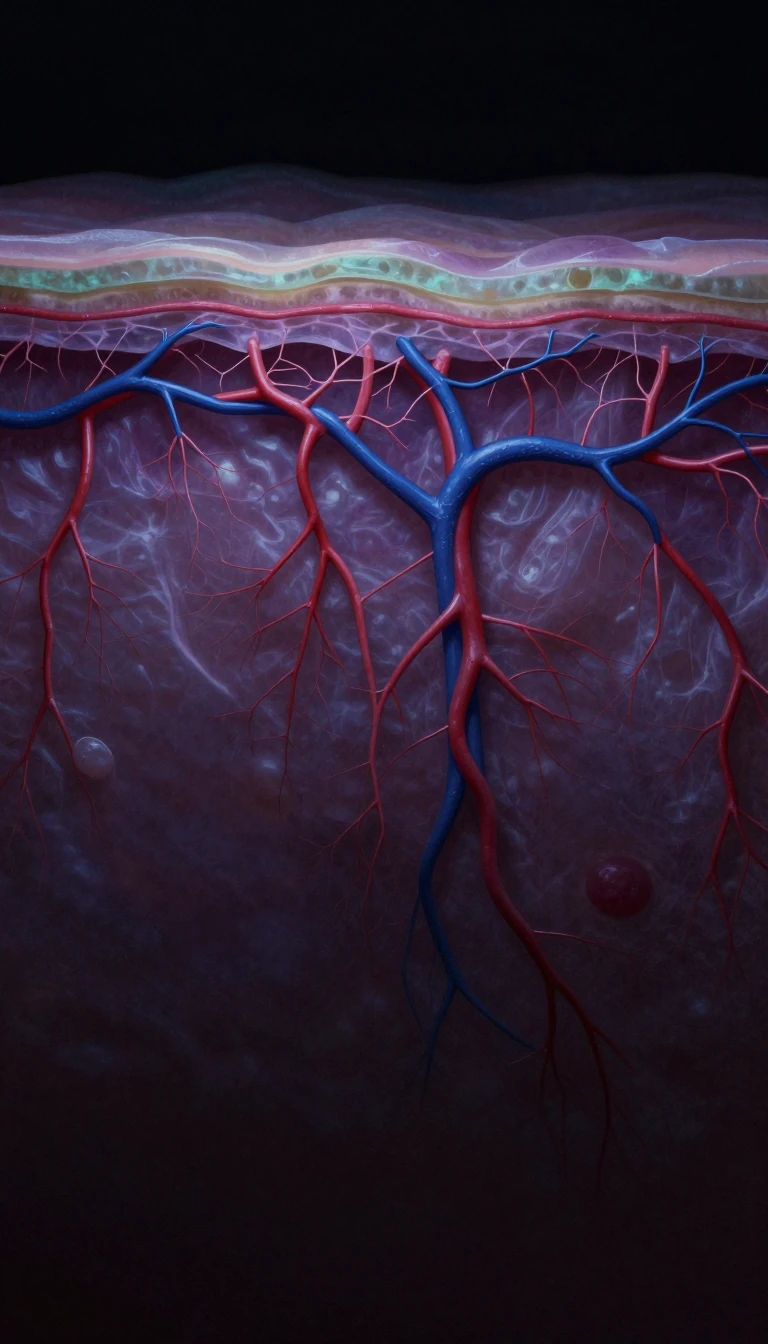 Your legs contain a second heart that pumps blood against the force of gravity.While your chest heart beats constantly, your lower legs rely on a secondary pump system to return oxygen-poor blood to your heart. Every time you take a step, your calf muscles s…
 Beyond the Nose: The Surprising Evolutionary Versatility of the Animal ProboscisFrom the delicate, coiled straw of a butterfly to the piercing, spiny tools of parasitic worms, the proboscis is nature's ultimate multi-tool. While we often associate this term w…
 Millions of tiny air sacs in your lungs are the secret to your survival.Deep within your lungs, hundreds of millions of microscopic cavities called alveoli perform the essential task of gas exchange. These fragile structures, unique to mammals, provid…
 Why your mouth burns from chili peppers but a pumpkin pie stays coolPungency is not a taste, but a physical sensation triggered by chemicals hijacking your nerves. While we call it spicy, scientists prefer the term pungency to avoid confusion with…
 Your pupils do more than regulate light; they are windows into your cognitive state.While the pupil is famously the eye's aperture for light, it is also a dynamic indicator of your internal world. Beyond responding to brightness, pupil size fluctuates based on em…
 Why your red flowers turn black at dusk: the science of the Purkinje shift.As daylight fades, the world undergoes a strange transformation. Red objects seem to vanish into darkness, while blues and greens suddenly pop with unexpected brightness. This is …
 The radius is a complex, rotating lever that defines how your arm moves.While the ulna provides length, the radius is the thicker, curved bone that acts as the primary pivot for your forearm. It connects your elbow to your wrist, enabling the essentia…
 The humble rhizome is a horizontal powerhouse for plant survival and asexual reproductionOften mistaken for roots, rhizomes are actually modified underground stems that act as biological storage vaults. By hoarding starches and proteins, these structures allow plants …
 Why your ribs are the most difficult bones in your body to healYour ribs are essential for breathing and protecting vital organs, but they are notoriously difficult to treat when injured. Because they cannot be easily splinted or supported li…
 Why your eyes are better at seeing in the dark than any cameraYour retinas contain over 100 million rod cells, highly sensitive biological sensors that allow you to navigate the world in near-total darkness. While modern cameras mimic the ey…
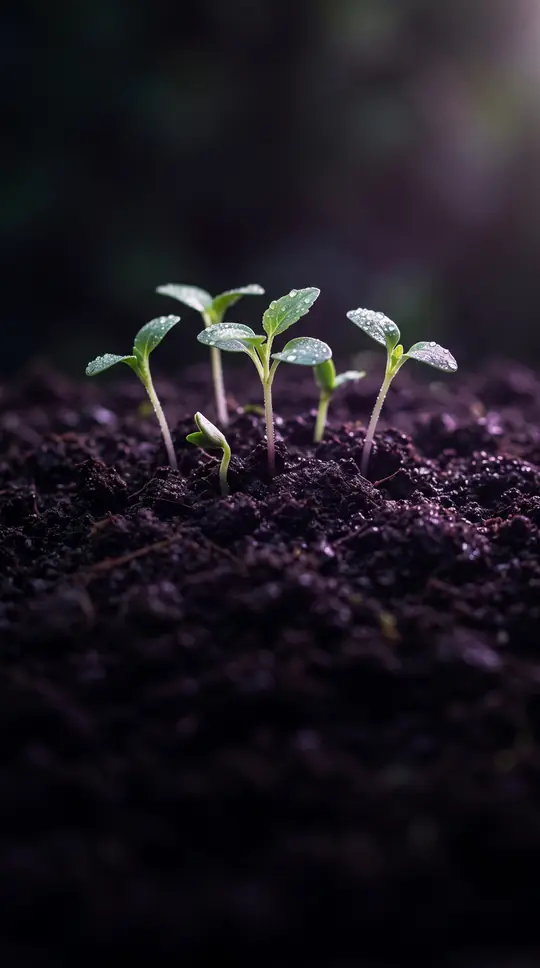 A seedling is a fragile, high-stakes transition from stored energy to independent survival.Before a plant can photosynthesize, it must navigate the dark, dangerous journey from seed to surface. This vulnerable seedling stage determines the future of entire plant communi…
- Beyond mere protection, the humble sepal is a master of botanical architecture and survival.Often dismissed as simple green leaves protecting a bud, sepals are far more complex. From forming protective lanterns around fruit to evolving into vibrant, petal-like structures…
 Why simple eyes are often anything but simple for the insects that use themInvertebrate simple eyes, or ocelli, are frequently dismissed as basic light-meters. Yet, these organs are often faster than compound eyes and possess specialized neural pathways.…
 Why your face is not a snout and what that actually means for youWhile many mammals rely on a protruding muzzle to navigate their world, humans are a curious exception. Our faces lack the extended jaw and snout structure found in most primates.…
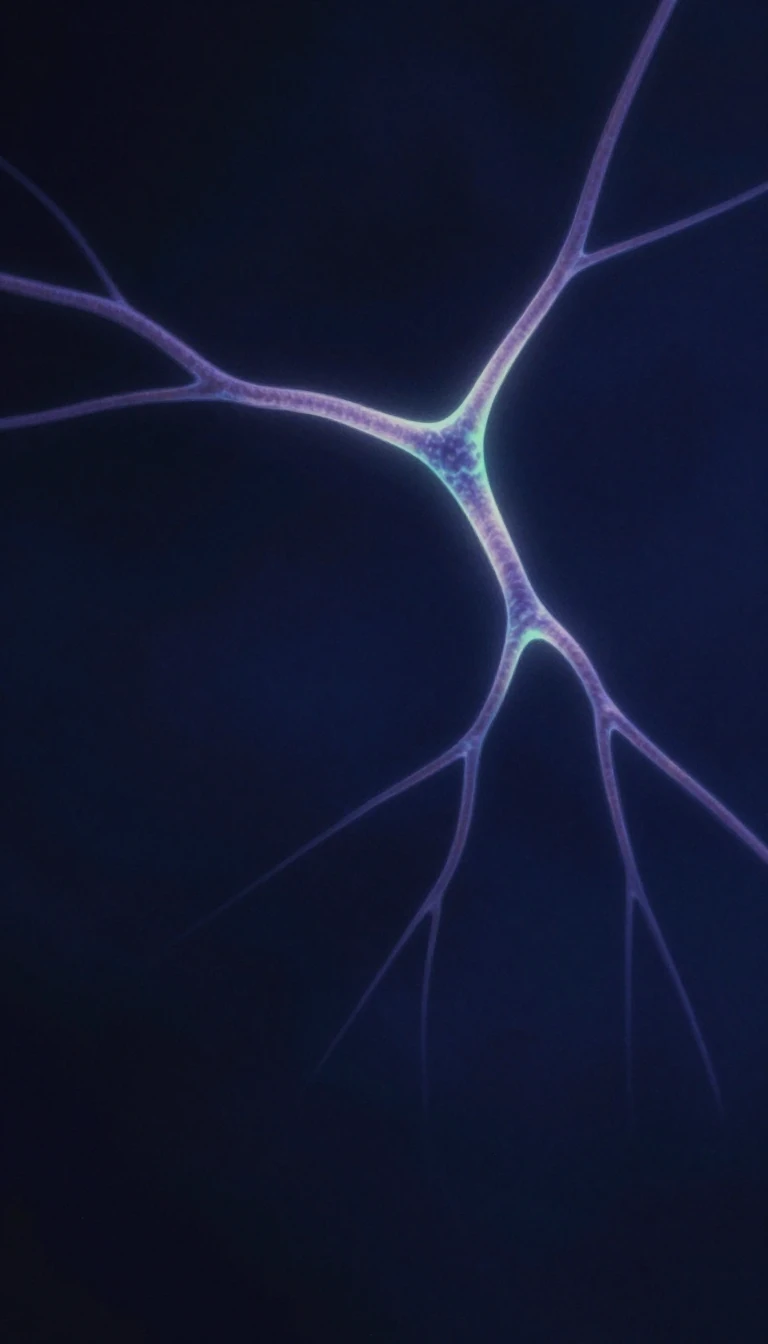 Your spinal nerves are the essential bridge between your brain and your bodyThirty-one pairs of spinal nerves act as the body's primary communication network. These peripheral nerves connect the spinal cord to specific regions, managing everything from vo…
- Why nature’s most effective armor often comes with a hidden metabolic price tagSpines are more than just sharp deterrents. From the venomous rays of a lionfish to the modified hairs of a hedgehog, these structures represent a complex evolutionary trade-off. …
- The sporangium is nature's ingenious vessel for launching life across the planetSporangia are the biological structures that produce and contain spores, acting as the reproductive engines for plants, fungi, and algae. From explosive fern mechanisms to moss ca…
 The stamen is more than a simple stalk; it is a complex reproductive machine.Derived from the Latin for thread, the stamen is the male engine of the flowering world. Beyond merely producing pollen, these structures exhibit remarkable mechanical diversity, …
- The humble runner: how plants and animals use horizontal stems to clone themselvesA stolon is more than just a stem; it is a biological strategy for expansion. Whether creeping across a garden bed as a strawberry runner or connecting fungal colonies, these hori…
- The strobilus: Nature's ancient, repeating solution for efficient plant reproductionOften called a cone, the strobilus is a marvel of botanical engineering. By densely packing reproductive organs around a central axis, plants from ancient lycophytes to modern con…
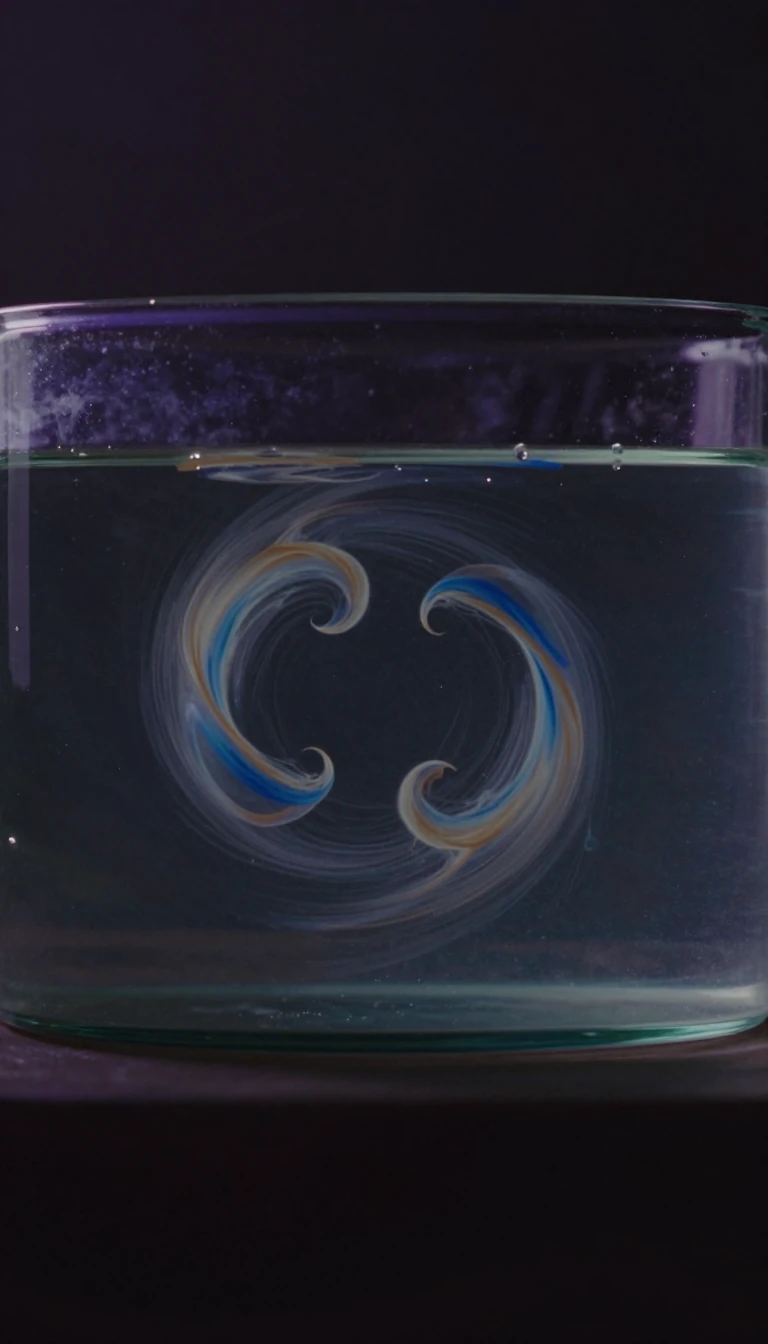 Nature's most vivid colors are not painted, but built from light and geometryWhile most colors in our world come from pigments, the most brilliant blues, greens, and metallic golds in nature arise from microscopic architecture. By manipulating light throug…
 Your sweat glands are not just for cooling; they are complex, multi-purpose biological machines.Humans are unique among mammals for our extensive network of eccrine glands, which act as a global cooling system. Yet, we also host apocrine glands that produce oily secretions, …
 Why your brain craves sugar even when your stomach is already fullSweetness is not just a flavor on your tongue. It is a sophisticated biological signaling system that links taste to energy-dense nutrition. While we often think of sugar as a sim…
- Can you taste words or hear colors? The surprising reality of synesthesia explained.Synesthesia is a fascinating neurological phenomenon where one sense triggers an automatic, involuntary experience in another. For some, hearing music might manifest as vibrant co…
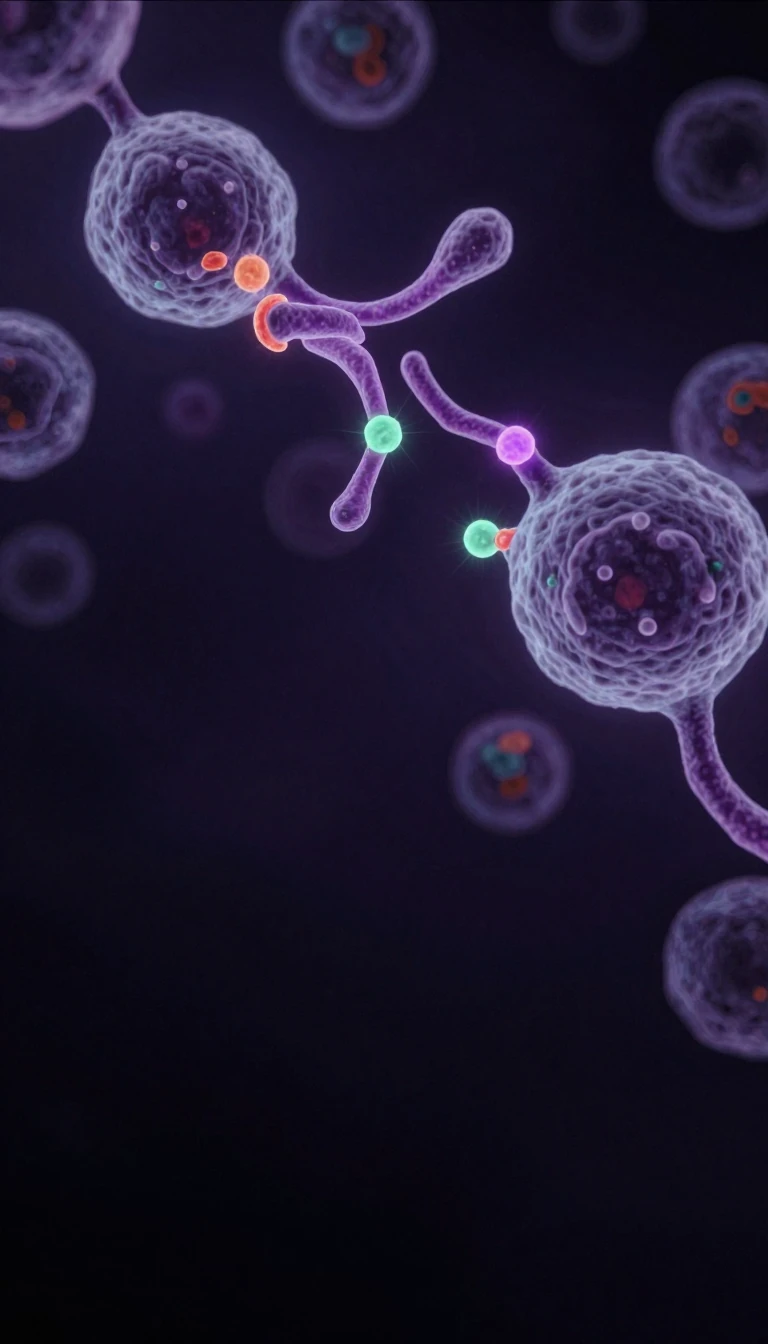 T cells are the immune system's elite scouts, trained in a specialized internal academy.Named for the thymus gland where they mature, T cells are white blood cells that act as the body's primary defense against pathogens and cancer. These cells undergo a rigorous sel…
- Beyond the emotional release, tears serve as a vital, complex biomechanical shield for vision.Tears are far more than a byproduct of feeling. They are a sophisticated, three-layered fluid system essential for optical clarity and ocular health. While we often associate them…
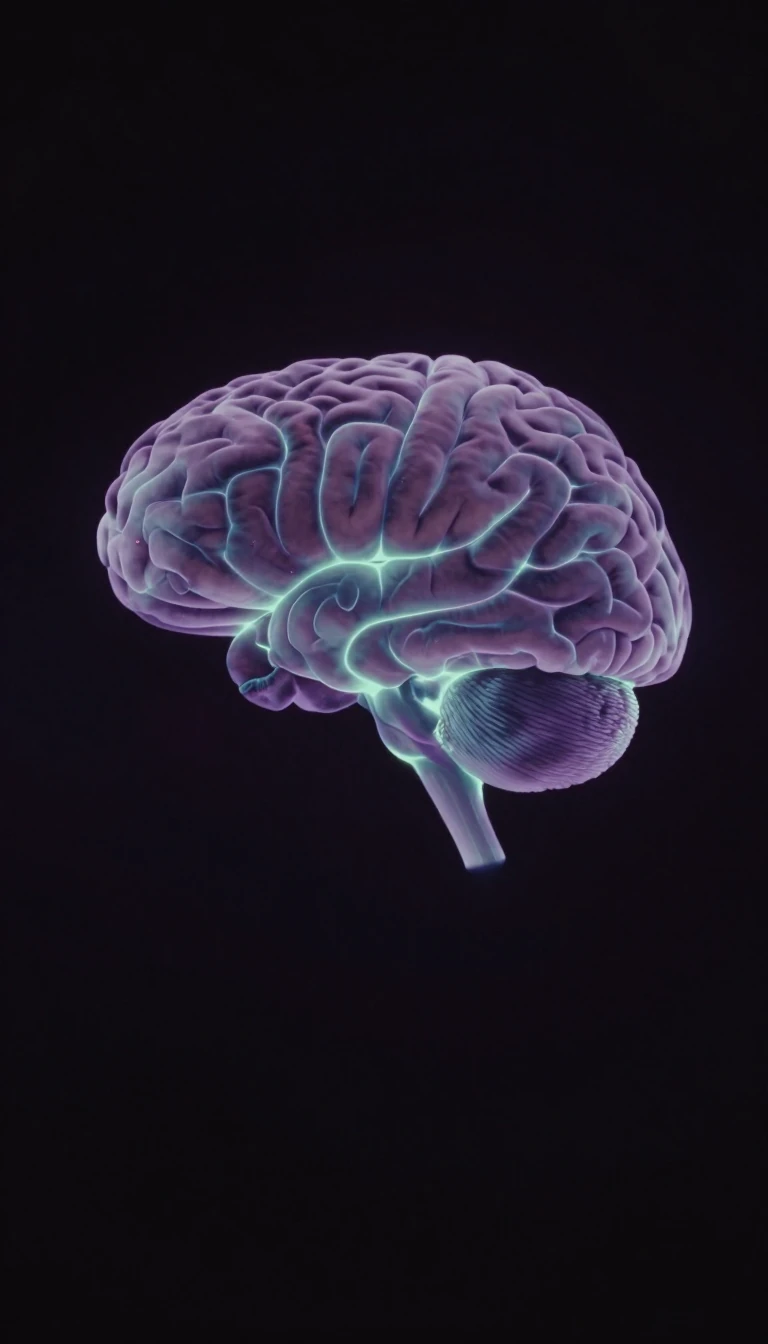 Your temporal lobes are the brain's library, emotional center, and face-recognition engine.Tucked behind your temples, the temporal lobes are the second-largest of your five brain lobes. These paired structures manage everything from the memories you can describe to the…
 Plants use sophisticated chemical sensors to avoid strangling their own kindTendrils are not just simple coils; they are highly sensitive biological machines. By combining touch-sensitive thigmotropism with complex chemical signaling, these climbing organ…
- Can some people see millions of colors invisible to the rest of us?Tetrachromacy is a rare condition where individuals possess a fourth type of cone cell in their retinas. While most humans rely on three color channels to perceive the world, thes…
 The thallus is a biological body that defies the standard definition of plant anatomy.Unlike trees or flowers, a thallus lacks true roots, stems, and leaves. Found in algae, fungi, and certain liverworts, this simple, undifferentiated structure challenges our tradi…
- The insect thorax is a high-performance engine powering everything from flight to leaping.Far from a simple midsection, the insect thorax is a sophisticated mechanical hub. It houses the specialized muscles and skeletal structures that allow insects to achieve flight, …
- Why your throat is the most critical intersection in your entire bodyYour throat is a high-stakes junction where the paths for air and food diverge. While it is built to sustain life, it is also uniquely vulnerable to viruses, inflammation, and env…
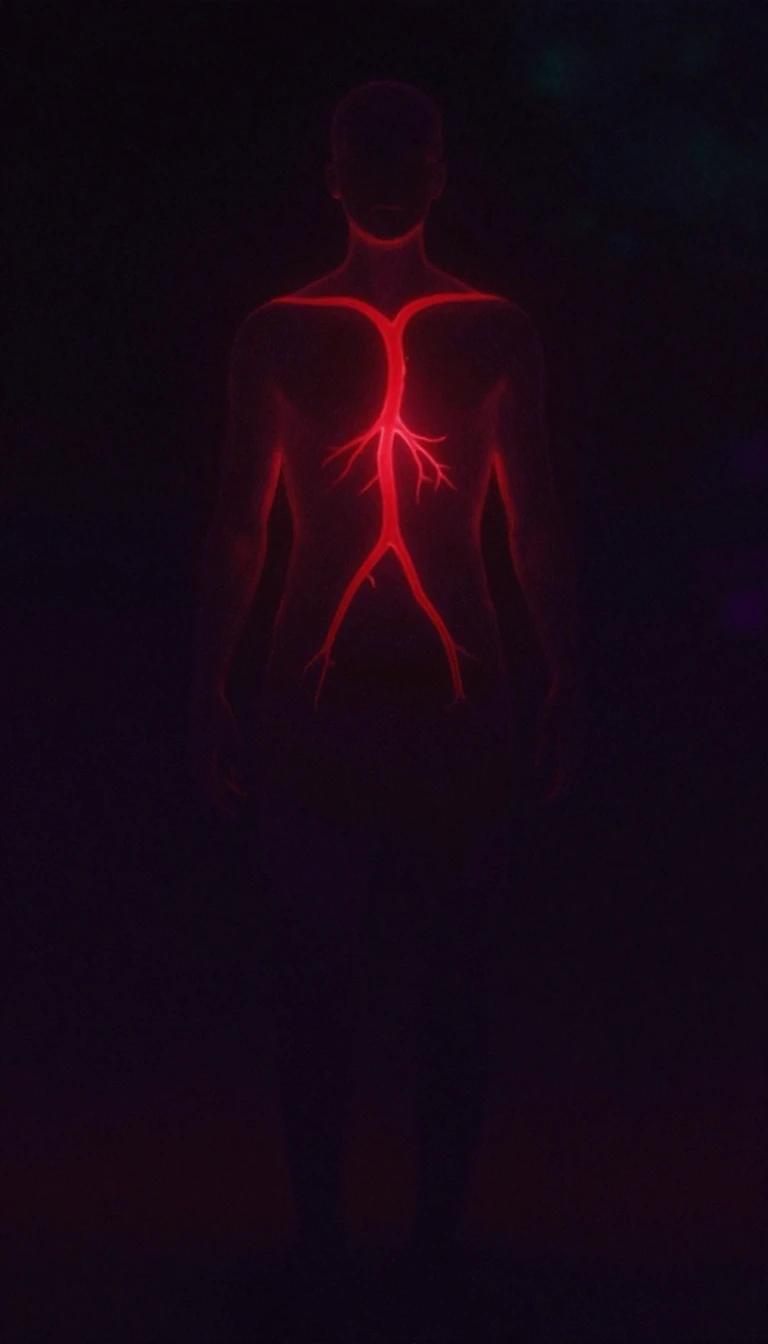 Beyond the limbs, your torso is the biological engine room of human survival.The torso is more than just a central anchor for your head and limbs. It is a complex, segmented vessel housing nearly every critical organ required for life. From the rib cage pr…
- Why your eyes need three different color sensors to see the full spectrumHumans perceive millions of colors through a complex interplay of three specific cone cell types in the retina. While most mammals rely on only two, primates evolved this trichrom…
 Are you eating a stem or a root? The hidden biology of tubersFrom the humble potato to the prized truffle, tubers are nature's ultimate survival kits. While they all serve as nutrient-dense storage organs, they are not all the same. Some ar…
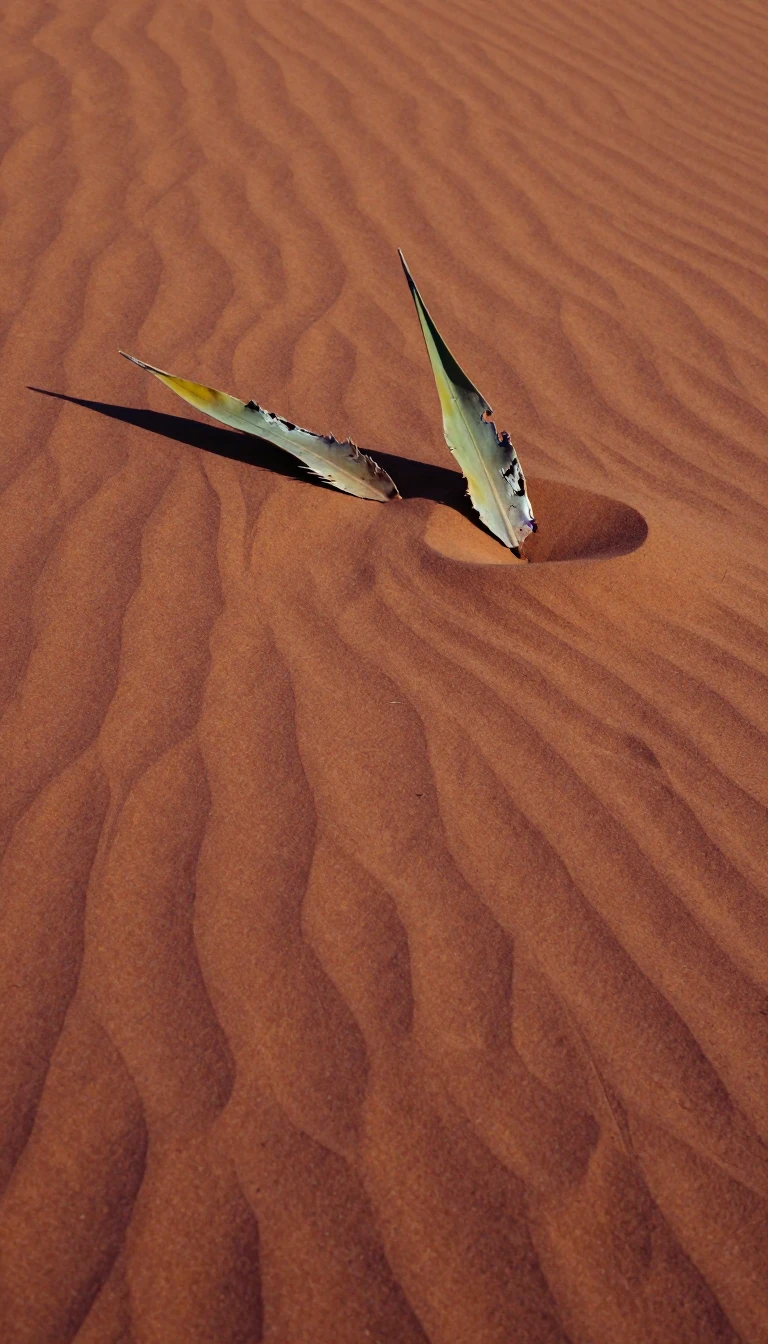 The tumbleweed is not a single plant but a clever, wind-driven survival strategy.Often dismissed as a cinematic cliché for emptiness, the tumbleweed is actually a sophisticated biological mechanism. These structures are typically dead, dried-out plant parts th…
- Why do some mammals grow teeth that protrude far beyond their own mouths?Tusks are not just oversized teeth; they are specialized, continuously growing tools that serve as weapons, digging implements, and social signals. From the helical ivory of the n…
 Beyond simple branches: how twigs reveal the hidden survival strategies of coastal plantsTwigs are more than just thin branches; they are vital indicators of how plants adapt to extreme environments. By analyzing structural traits like wood density, researchers can un…
 The udder is a complex biological factory that transforms blood into essential milk components.An udder is far more than a simple storage vessel. It is a highly specialized organ that processes hundreds of pounds of blood to synthesize milk. From its evolutionary origins as…
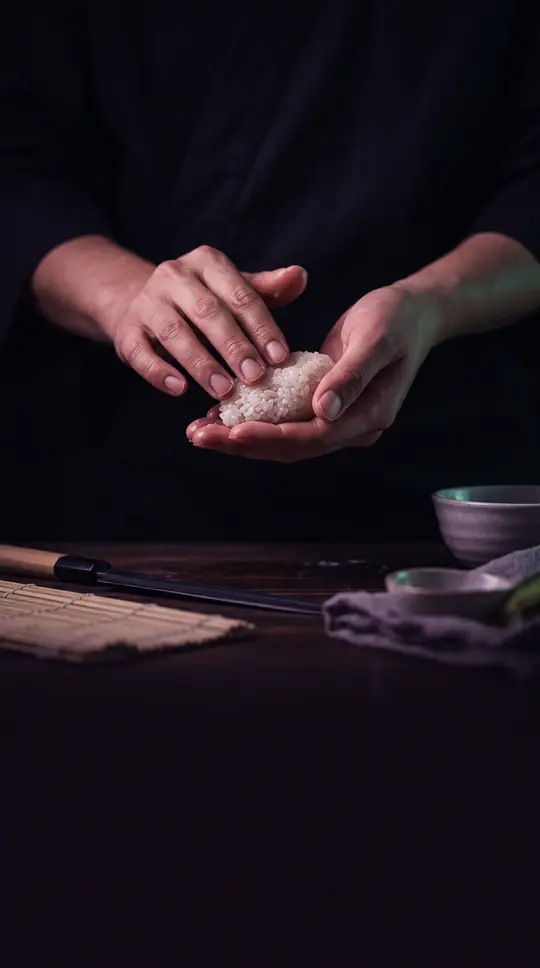 Why your tongue and stomach are both wired to crave the savory taste of umami.Umami is more than just a flavor; it is a sophisticated biological signal. Beyond the tongue, these savory receptors exist in the stomach, forming a gut-brain axis that regulates …
- The hidden tubes that keep your body running: a deep dive into the uretersThese two slender, muscular conduits are the unsung heroes of your urinary system. Spanning roughly 20 to 30 centimeters, they perform a rhythmic, wave-like dance called peristals…
- Why the left side of your heart is significantly more muscular than the rightYour heart is a double pump, but its two ventricles are not created equal. While the right ventricle handles the low-pressure task of sending blood to the lungs, the left ventricl…
- Venules are the microscopic gateways that bridge your capillary beds to the venous system.While veins are often visualized as the body's primary plumbing, they rely on a vast, microscopic network of venules to collect oxygen-depleted blood. These tiny vessels act as th…
- Why 20/20 vision is not actually the limit of human visual performanceWe often treat 20/20 vision as the gold standard for perfect eyesight, but it is merely a baseline for normal function. In reality, many healthy individuals possess superior acuit…
- The vitreous body is a transparent, jelly-like structure that occupies most of your eye.This clear, semisolid gel fills the large cavity behind your lens, accounting for four-fifths of your eyeball's volume. Composed almost entirely of water, it maintains the eye's s…
 How male frogs use inflatable skin pouches to project their voices across vast distancesMost male frogs possess a flexible membrane called a vocal sac, which acts as a natural amplifier for their mating calls. By recycling air between their lungs and this elastic pou…
 Is Wernicke's area a single brain region or a complex, shifting language network?Long considered the brain's primary center for speech comprehension, Wernicke's area is proving far more elusive than textbooks suggest. Modern imaging reveals it is not a fixed, …
- Your wrist is a complex mechanical pivot point, not just a simple hinge.Often compared to a crane, the wrist is a sophisticated network of eight bones and dense connective tissue. It serves as the vital link between your forearm and hand, enabling the…
 Is Your Genome Uniform? Understanding Cellular Lineage VariationMosaicism describes a state where different cells within one body possess distinct genetic blueprints. This variation can arise from errors occurring at various stages, from the e…
 Why Charcot-Marie-Tooth disease is a misnomer for this inherited nerve conditionNamed after three doctors who identified it in 1886, Charcot-Marie-Tooth disease is not a dental issue. It is a common hereditary peripheral neuropathy that damages nerves in the …
 The Invisible Poison: How Polonium-210 Became a Modern WeaponMost radiation detectors are useless against polonium-210. This radioactive isotope emits very little gamma radiation but releases massive amounts of alpha particles, acting like …
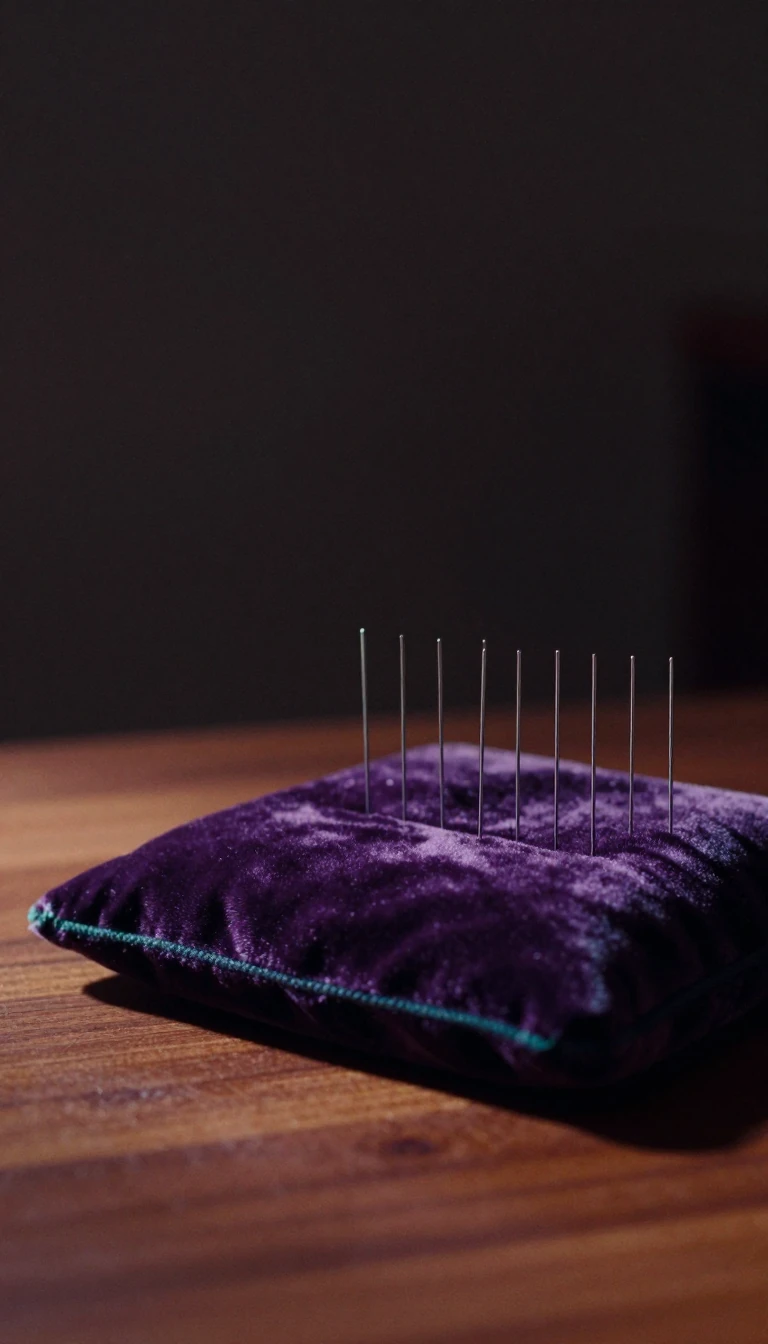 The ancient, aromatic 'tree of life' that once wandered across the Bering land bridgeFrom the Cretaceous period to modern-day hedges, the Thuja genus has a remarkable survival story. Known as arborvitae, these evergreen conifers possess a chemical complexity that …
 The turtle shell is a complex evolutionary masterpiece that hides a surprising internal anatomy.Far from a simple suit of armor, the turtle shell is a sophisticated integration of ribs, spine, and dermal bone. This unique structure, which evolved over millions of years, does…
 The cuttlefish's internal shell is a masterclass in structural engineering and damage toleranceCuttlebone is more than just a beach-found curiosity for pet birds. This chambered, aragonite-based structure allows cuttlefish to control buoyancy while resisting immense underwa…
 Why the once-standard surgical incision during childbirth is now largely abandoned in clinical practice.For decades, routine episiotomy was a staple of obstetric care, intended to prevent severe tearing and protect pelvic floor function. Today, global consensus has shifted toward a …
 Beyond Christmas wreaths, holly is a resilient botanical survivor with a 50-million-year history.Holly is more than a festive decoration. This genus of over 570 species has survived for tens of millions of years, adapting to shifting climates and geography. While its red berr…
 Is hormone replacement therapy a fountain of youth or a hidden health risk?Hormone replacement therapy has evolved from a widely prescribed heart-health treatment to a nuanced tool for managing menopause. While once feared for its potential risks, modern…