 Intellect Plus
Health, medicine and disease
991 cards. Each one is a 40-second story with a five-minute read behind it. Page 6 of 17.
 Leucine is the essential amino acid that acts as a master switch for muscle.Leucine is more than just a protein building block. As one of three branched-chain amino acids, it serves as a critical metabolic signal that triggers muscle growth and repair. Wh…
 Why Lewy body dementia is the most frequently misdiagnosed form of cognitive declineDementia with Lewy bodies is the second most common form of dementia after Alzheimer's, yet it remains widely misunderstood. Characterized by protein clumps in the brain, it prese…
- Medical school is a global rite of passage with vastly different paths to practiceBecoming a physician is a rigorous, highly competitive journey that varies significantly across borders. While some nations favor direct entry from high school into six-year progr…
 Why your hip pain might be more than just a simple muscle strainHip pain is a common complaint, but its origins range from simple overuse to complex joint conditions. Because the hip supports your entire torso, understanding when to manage pai…
 Your body isn't broken; it is intentionally turning up the heatWhen you feel the chills and reach for a thermometer, you might feel like your system is failing. In reality, a fever is a sophisticated, evolved defense mechanism. Your brain is …
 Why surgeons pump air into your body to perform modern keyhole surgeryLaparoscopy, or keyhole surgery, replaces large incisions with tiny cuts and a camera. To create the necessary space for instruments to operate inside the tummy or pelvis, surgeon…
 Legionnaires' disease is a severe pneumonia lurking in the water systems of large buildings.Legionnaires' disease is a serious lung infection caused by inhaling water droplets contaminated with Legionella bacteria. While it rarely spreads between people, it thrives in hu…
 Heart failure does not mean your heart has stopped working entirelyHeart failure is a serious, chronic condition where the heart struggles to pump enough blood to meet the body's needs. While there is no cure, it is not the same as cardiac arrest…
 Fluoxetine: How a common antidepressant works and why its clinical history is being re-examined.Fluoxetine is a widely prescribed selective serotonin reuptake inhibitor used for depression, OCD, and bulimia. While it is a staple of modern psychiatry, recent re-evaluations of…
 Are your moods just ancient fluids, or is there a deeper biological reality?For centuries, physicians believed personality was dictated by the balance of blood, phlegm, and bile. While modern science has abandoned this humoral theory, the four temperament…
 Frontotemporal dementia is a distinct, often misunderstood condition that strikes younger adults than Alzheimer's.Unlike more common dementias that primarily erode memory, frontotemporal dementia targets the brain's frontal and temporal lobes. This leads to profound shifts in personality, beh…
 Hemorrhoids are simply swollen veins, but they are often misunderstood and misdiagnosed.Hemorrhoids are essentially varicose veins of the anus and rectum. While frequently associated with discomfort, bleeding, or itching, they are a common condition that often respon…
 Heroin is a potent morphine derivative that fundamentally alters the brain's reward pathways.Synthesized from morphine in 1874, heroin is a highly addictive opioid that induces intense euphoria by binding to brain receptors. While it once held potential as a medical analg…
 Fentanyl is a medical marvel that has become a global public health crisisFentanyl is a synthetic opioid up to 100 times more potent than morphine, serving as a vital tool for surgical anesthesia and severe pain management. Yet, its extreme potency make…
 The hidden engineering behind your bathroom flush reveals a surprising history of mechanical failureThe modern flush toilet is a marvel of plumbing, yet it remains prone to silent, costly leaks. From the traditional siphon to the high-pressure valve, these systems balance water …
 Why a minor electric shock might be more dangerous than it first appearsYou might feel fine after a minor electric shock, but electricity can cause hidden damage deep within your body. While most household shocks are harmless, internal injuries are no…
 When your brain forgets how to sleep, it begins a slow, irreversible decline.Fatal familial insomnia is a rare, life-threatening condition where a genetic mutation causes misfolded proteins to accumulate in the thalamus. This toxic buildup progressively de…
 The $25 billion gamble that defined modern private equityIn 1988, a high-stakes corporate takeover became the ultimate symbol of Wall Street greed. KKR's acquisition of RJR Nabisco wasn't just a deal; it was a marathon of debt restructu…
 Why the common cold virus is a life-threatening predator for the very young and old.Respiratory syncytial virus is a master of immune evasion, infecting nearly every child before age two. While usually causing mild cold-like symptoms in healthy adults, this virus…
 Why does a common skin condition persist despite our best efforts to treat it?Seborrhoeic dermatitis is a chronic, recurring skin disorder that affects up to 5% of the population. While often mistaken for simple dandruff, this condition involves complex int…
 Tuberous sclerosis is a genetic condition that causes benign tumors across multiple organ systems.Tuberous sclerosis complex is a rare genetic disorder that triggers the growth of benign tumors in the brain, heart, kidneys, and skin. While symptoms vary widely, the condition i…
- The invisible, fleeting forces that hold the world together at the molecular level.Van der Waals forces are the weak, distance-dependent interactions between atoms and molecules that arise from transient shifts in electron density. While individually fragile, th…
 Spelt is an ancient, hardy grain that has fed Europe for thousands of yearsOften marketed today as a modern health food, spelt is actually a relict crop with roots stretching back to the Neolithic period. This hexaploid wheat, once a staple from the Bron…
 Prostatectomy: Understanding the Surgical Removal of the Prostate GlandProstatectomy involves the excision of the prostate gland, a procedure performed for both benign conditions and malignant cancer. While techniques range from open surgery to robot…
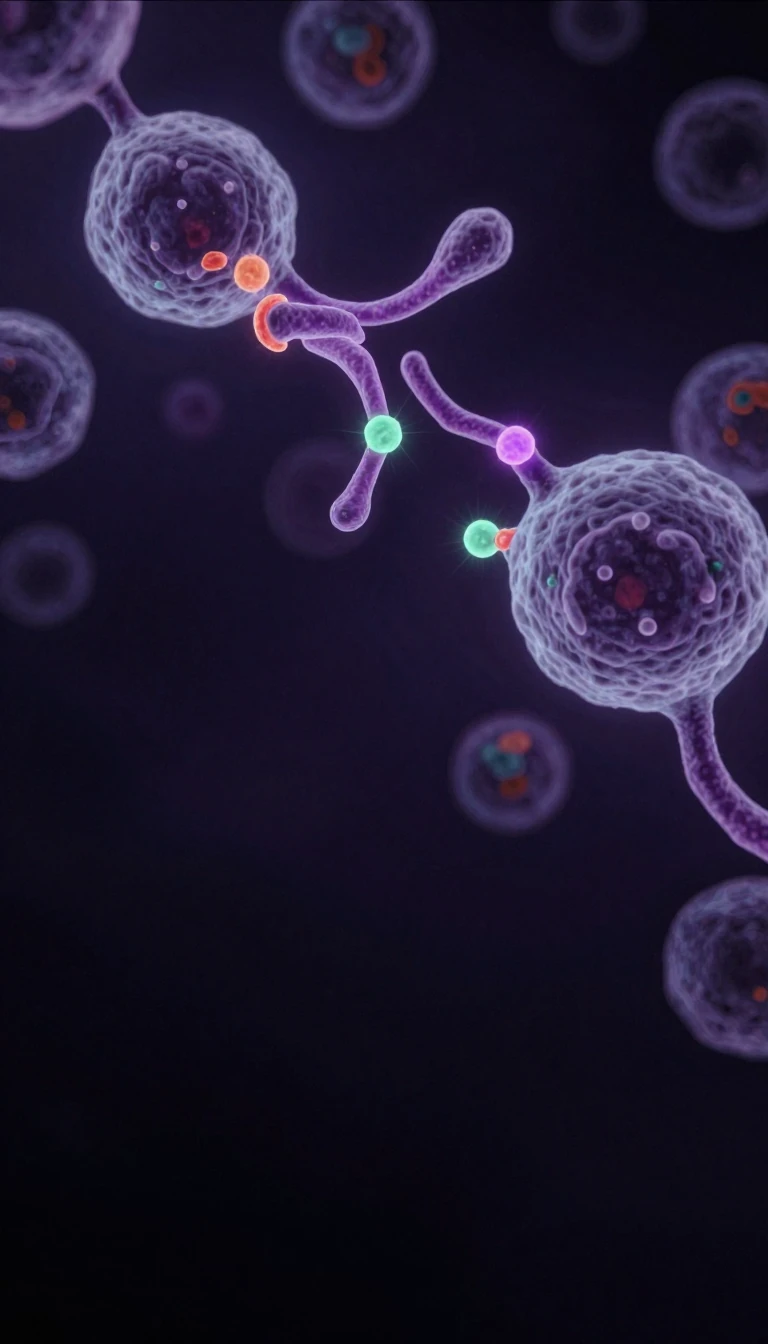 Macrophages are the body's versatile immune sentinels, acting as both killers and healers.These white blood cells patrol your tissues, engulfing pathogens and clearing cellular debris. Beyond simple defense, they orchestrate complex immune responses, shifting between i…
- A brutal 1960 tackle defined the Philadelphia Eagles' grit and changed NFL history forever.The Philadelphia Eagles are defined by a legacy of toughness, epitomized by Chuck Bednarik’s infamous 1960 clothesline tackle of Frank Gifford. This hit, which left Gifford uncons…
- The mysterious herald patch: understanding the common but often misdiagnosed pityriasis rosea rashPityriasis rosea typically announces itself with a single, scaly herald patch before erupting into a wider pattern across the trunk. While often mistaken for other conditions, thi…
- A severe throat infection known as quinsy can cause more than just pain.Often following a bout of strep throat, a peritonsillar abscess is a collection of pus behind the tonsil that can make swallowing and even opening your mouth difficult. While most…
 Beyond the Runway: The Health and Personal Challenges of a Global Fashion IconGigi Hadid is one of the world's highest-paid models, but her public life is marked by more than just high-fashion campaigns. Behind the glamour, she has navigated chronic health …
 Why the Roman goddess of luck was never just about rolling the diceFortuna was far more than a simple personification of random chance. To the Romans, she was a complex, multifaceted deity who governed everything from grain supplies to the fate o…
 How a century of turbine innovation transformed GE into a global aerospace powerhouseFrom early turbosuperchargers to the world's largest jet engines, GE Aerospace has evolved from a conglomerate division into a standalone titan. By pioneering exhaust-driven turbo…
 How a century of industrial research birthed the modern energy giant GE VernovaBorn from the 2024 breakup of General Electric, GE Vernova now stands as an independent powerhouse. It manages a vast portfolio spanning gas, nuclear, hydro, and wind technologies…
- Why does the lung turn to stone, and why is the cause still unknown?Idiopathic pulmonary fibrosis is a mysterious, progressive condition where lung tissue stiffens and scars, irreversibly destroying respiratory function. While the term idiopathic …
- Beneath the streets of this historic English city, a hidden river flows in darkness.Chichester is a cathedral city defined by its Roman foundations and medieval walls. Yet, its most curious feature is the River Lavant, a winterbourne that largely vanishes into un…
 Why the shape of a bacterium is often the key to its identityBacterial classification begins with geometry. By examining cells under a light microscope, scientists identify fundamental shapes like spheres, rods, and spirals. These morpholog…
 Bronchiectasis is a chronic lung condition defined by permanent, damaging airway enlargement.Bronchiectasis turns your lungs into a trap for bacteria and mucus. When airways become permanently dilated, they lose their ability to clear secretions, triggering a self-perpetu…
- How a Greek abbreviation became the most powerful symbol of the Roman EmpireBefore it became a Christian icon, the Chi Rho was a simple marginal note for excellence. Emperor Constantine transformed this humble mark into a military standard, claiming a div…
 Disseminated intravascular coagulation is a paradoxical condition of simultaneous clotting and bleeding throughout the body.In disseminated intravascular coagulation, the body's delicate balance of blood clotting and clot dissolution breaks down. This leads to widespread vessel blockage and organ failu…
 The sweet-smelling chemical in your spice rack that also serves as potent rat poisonCoumarin offers a paradox: its vanilla-like scent makes it a staple in perfumes and traditional flavorings, yet its chemical relatives are used as lethal rodenticides. While human…
- Did the 2nd Earl Grey suffer from the hereditary diseases of his era?Charles Grey, 2nd Earl Grey, was a titan of British politics who steered the Reform Act of 1832 into law. Yet, his final years were defined by declining health and a profound loss…
 Was the last king of Denmark-Norway a misunderstood strategist or a stubborn autocrat?Frederick VI ruled for 55 years, navigating the collapse of a dual monarchy and the Napoleonic Wars. While often dismissed as an incompetent, rigid leader, modern historians sugge…
 How a modern anticoagulant changed the standard for preventing strokes and blood clotsApixaban has transformed how doctors manage stroke risk and clotting disorders. By directly targeting a specific enzyme in the coagulation cascade, this medication offers a potent…
 Why the medication that prevents blood clots was once used to kill rodentsAnticoagulants are essential for preventing dangerous clots, yet they carry a significant risk of internal bleeding. While modern direct oral anticoagulants offer more predictable…
 Is a warming planet forcing fungi to evolve into deadly human pathogens?Candida auris is a multidrug-resistant yeast that thrives in hospital environments and carries a mortality rate of up to 60 percent. First identified in 2009, this emerging pathog…
- Why Picaridin Is Often Considered the Superior Alternative to Traditional Insect RepellentsPicaridin, a synthetic repellent developed in the 1980s, has become the top-selling choice in Europe. It matches the efficacy of DEET while remaining odorless, non-greasy, and gen…
- That painful bump on your foot is likely a virus, not a callus.Plantar warts are common, benign skin growths caused by specific strains of the human papillomavirus. While often mistaken for calluses, these lesions are distinct, frequently pai…
 Why do some people compulsively crave and consume non-food items like soil or soap?Pica is a complex eating disorder defined by the persistent consumption of non-nutritive substances. While often dismissed as a childhood phase, it can signal serious health risks…
 Why do your limbs fall asleep and feel like pins and needles?That familiar prickling or numbness, known as paresthesia, usually happens when you sit or sleep in a position that compresses a nerve or restricts blood flow. While often harmles…
- Pesticide poisoning is a global health crisis that extends far beyond the farm gate.While acute, high-level exposure remains a critical issue in developing nations, the rest of the world faces a silent, long-term threat from low-level pesticide residues. From acc…
 Why your stomach acid might be turning against you in a painful wayPeptic ulcers are open sores that form when the protective lining of your stomach or small intestine fails. While often blamed on stress or spicy food, these painful lesions are u…
 Why your longest nerves are the first to fail in peripheral neuropathyPeripheral neuropathy is not a single disease, but a diverse group of conditions where the nerves outside your brain and spinal cord are damaged. Often starting in the feet, this …
- Beyond the filter: the complex science of kidney medicineWhile we often think of kidneys simply as filters, the field of nephrology manages a delicate systemic balance. From managing blood pressure to treating autoimmune diseases, nephr…
 How a driver with cerebral palsy redefined the limits of professional touring car racingNicolas Hamilton, brother of seven-time Formula One champion Lewis Hamilton, has carved a unique path in motorsport. Born with cerebral palsy, he competes using a specially modifi…
- Why a common household painkiller is the leading cause of acute liver failure.Paracetamol is a staple of medicine cabinets worldwide, yet it is also the most frequent cause of acute liver failure in the United States and the United Kingdom. While safe at th…
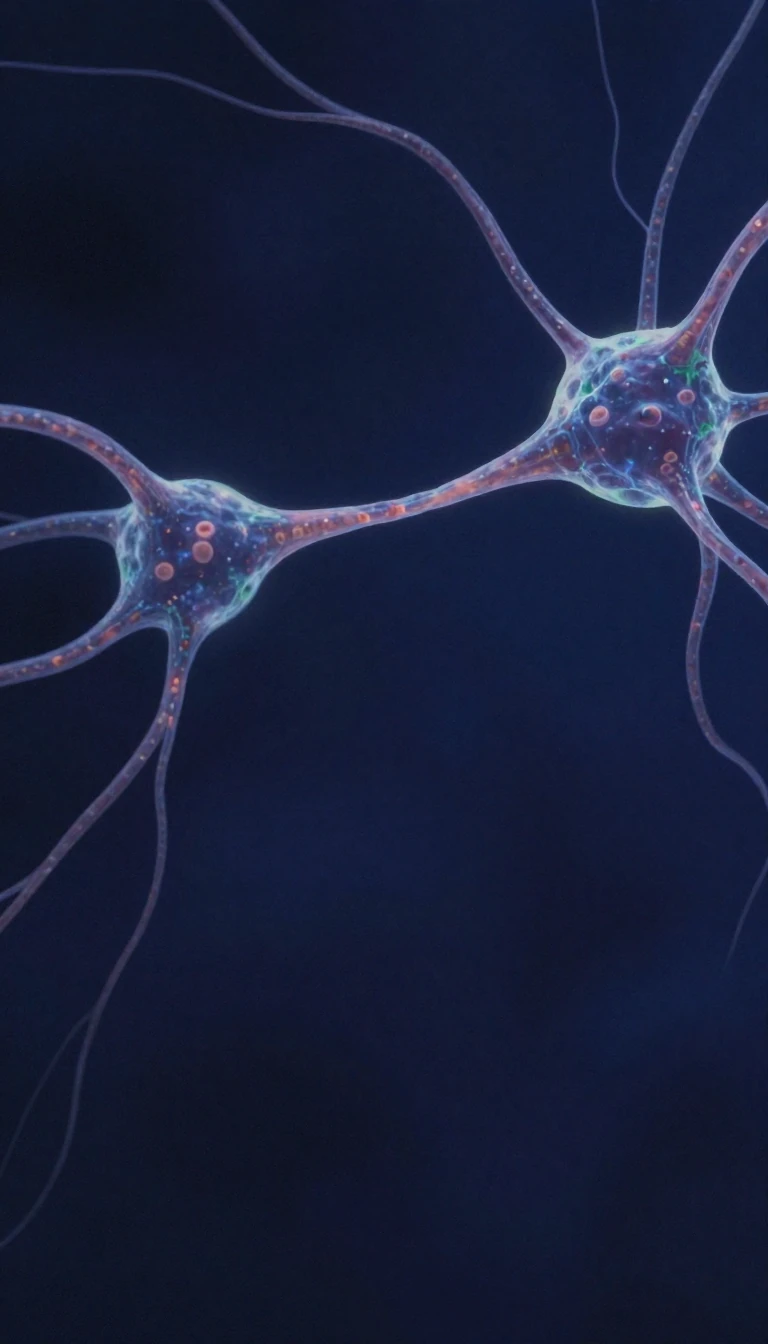 Neurotoxins are not just poisons; they are complex biological tools that define our health.Neurotoxins are substances that alter the nervous system, ranging from lethal chemical weapons like sarin to essential neurotransmitters like glutamate. While often destructive, t…
- Why the line between a broken brain and a troubled mind is blurringNeurological disorders affect one billion people worldwide, yet the boundary between physical brain damage and psychological distress remains surprisingly porous. While some condi…
- Are DO and MD degrees becoming the same in the United States?Once considered a cult by the medical establishment, osteopathic medicine has evolved into a mainstream profession. Today, osteopathic physicians (DOs) and allopathic doctors (MDs…
- Does narcolepsy shorten your life? The data is surprisingly fragile and inconclusive.Narcolepsy is more than just falling asleep at the wrong time. It is a complex neurological disorder that disrupts REM cycles and triggers muscle weakness. While patients face hig…
 Narcissistic personality disorder is not just vanity; it is a complex, often misunderstood condition.Far from simple arrogance, narcissistic personality disorder manifests as a spectrum of behaviors ranging from grandiose dominance to deep-seated vulnerability. This mental health…
- Is the Southeast Asian tree kratom a miracle painkiller or a dangerous public health risk?Kratom, derived from the Mitragyna speciosa tree, has surged in popularity as a self-medicated remedy for pain and opioid withdrawal. While proponents praise its natural origins, …