 Intellect Plus
Biochemistry
172 cards. Each one is a 40-second story with a five-minute read behind it. Page 3 of 3.
 Why the hunger hormone is actually a master regulator of your entire bodyOften called the hunger hormone, ghrelin does far more than signal that it is time to eat. This complex peptide influences everything from your sleep cycles and heart health to yo…
 How a tiny plant hormone helped save over a billion lives during the green revolution.Gibberellins are essential plant hormones that govern everything from seed germination to fruit development. By manipulating these chemical messengers, scientists and farmers have…
 Why these synthetic hormones are the medical world's most versatile anti-inflammatory toolCorticosteroids, often called glucocorticoids, are synthetic versions of the cortisol hormone produced by your adrenal glands. While they are frequently confused with performance-…
 Your body can manufacture its own sugar from non-carbohydrate sources like protein and fat.When you fast, exercise intensely, or eat a low-carb diet, your body does not just rely on stored glycogen. It activates gluconeogenesis, a sophisticated metabolic pathway that sy…
 Glutamine is the body's most abundant amino acid, but more is not always better.As the most plentiful free amino acid in human blood, glutamine is a metabolic workhorse. It fuels cells, transports nitrogen, and maintains acid-base balance. While essential dur…
 Glutathione is your body's essential shield, but you cannot simply swallow it for protection.This powerful tripeptide acts as a master antioxidant, detoxifying harmful metabolites and protecting cellular components from damage. While essential for life, oral supplements o…
 Is gluten the villain of modern nutrition or just a misunderstood structural protein?Gluten is a naturally occurring protein complex in wheat, barley, and rye that gives dough its signature elasticity and chewiness. While it is a dietary staple for most, it trigge…
 Why your blood sugar history is permanently etched into your red blood cellsYour red blood cells act as biological logs of your average blood sugar over their three-to-four-month lifespan. When glucose binds to hemoglobin, it creates a permanent marker ca…
 Your body is a sugar-coated machine, and it relies on glycoproteins to function.Glycoproteins are proteins decorated with sugar chains, a modification that occurs in roughly half of all human proteins. These molecular hybrids are essential for everything from…
 From bird droppings to the blueprint of life: the surprising versatility of guanine.Guanine is a fundamental building block of DNA and RNA, yet its origins are as humble as bird excrement. Beyond its role in the genetic code, this remarkable molecule creates the …
 How your cells pack two meters of DNA into a microscopic nucleusYour DNA is not a loose thread; it is a masterclass in engineering. To fit inside a cell nucleus, your genetic code wraps around specialized proteins called histones. This elegant…
 Isoleucine is an essential building block that your body cannot manufacture on its own.As one of the twenty standard amino acids, isoleucine is vital for protein synthesis and cellular function. Because humans lack the metabolic pathways to produce it, this branched…
 Jasmonate is the versatile plant hormone that manages both defense and vital growthLong known as a chemical shield against insects and fungi, jasmonate is actually a master regulator of plant life. It orchestrates everything from seed germination and root develo…
 Leptin is the body's master metabolic thermostat, yet it is often misunderstood as just fat.Leptin is a hormone produced by your fat cells that acts as a long-term energy gauge for the brain. When levels are high, it signals satiety; when low, it triggers survival modes.…
 How plants turn sunlight into chemical fuel using a solid-state quantum machinePlants do not just absorb light; they operate a sophisticated, solid-state electron transport chain that functions with near-perfect efficiency. By splitting water molecules into …
- Lipopolysaccharide: The bacterial molecule that both sustains life and triggers lethal shockLipopolysaccharide, or endotoxin, is a massive molecule coating the outer membrane of Gram-negative bacteria. While it provides essential structural integrity for these microbes, …
 Why your body needs a delivery service to transport fat through your bloodBecause fat and water do not mix, your body cannot move lipids through the bloodstream on their own. Instead, it uses lipoproteins—complex protein-lipid vehicles—to shuttle choles…
 Can yellow pigments in your diet actually protect your aging eyes from vision loss?Lutein is a vibrant carotenoid found in leafy greens and egg yolks, often marketed as a miracle supplement for eye health. While it naturally accumulates in the human retina, the …
 Monosaccharides are the fundamental building blocks that construct the vast diversity of natural carbohydrates.These simple sugars, defined by their carbon count, serve as the essential foundation for everything from plant cell walls to human blood plasma. While often recognized for their …
 Why this tiny molecule is the secret to cellular energy and healthy agingNicotinamide adenine dinucleotide, or NAD+, is the silent engine of your biology. It acts as a vital coenzyme, driving the metabolic reactions that turn food into energy while ser…
 Norepinephrine is the chemical architect of your body's emergency fight-or-flight responseYou know it as the chemical that surges when danger looms, but norepinephrine is also a constant, quiet presence in your brain. It is both a hormone and a neurotransmitter, acting…
 The double helix is not just a shape but a masterclass in molecular stability.DNA is far more than a static blueprint. Its iconic twisted ladder structure relies on precise chemical rules to store and replicate life's information. By understanding how these…
- Why your body cannot survive without these essential polyunsaturated fat moleculesOmega-3 fatty acids are vital building blocks for your cells, yet your body cannot produce them on its own. These essential nutrients are concentrated in your brain and eyes, supp…
- Are omega-6 fatty acids the secret to longevity or a hidden health risk?For decades, the health community has debated the role of omega-6 fatty acids in our diets. While some fear these common fats drive inflammation and disease, recent large-scale re…
 Your cells run on a microscopic rotary motor powered by a proton current.Deep inside your mitochondria, a complex assembly of proteins acts as a biological power plant. By shuttling electrons through a series of specialized enzymes, your cells create a…
 The invisible armor that allows bacteria to survive and conquer every corner of Earth.Peptidoglycan is a massive, mesh-like polymer forming a protective exoskeleton around almost all bacteria. This rigid sacculus shields cells from internal osmotic pressure, dictat…
 Why does your diet soda carry a warning about a common amino acid?Phenylalanine is a fundamental building block of protein found in everyday foods like eggs and meat. While harmless for most, it poses a serious health risk for individuals with a…
- Why the term progestogen is often misunderstood in both science and medicineProgestogens are essential steroid hormones, yet the terms used to describe them are frequently confused. While progesterone is the body's primary natural progestogen, synthetic v…
 Proline is the structural rebel of the amino acid world, defying standard protein rules.Unlike its peers, proline is a secondary amine with a rigid, five-membered ring structure. This unique geometry forces it to break the rules of protein folding, acting as a struct…
 Your cells are constantly building, folding, and modifying proteins to keep you alive.Protein biosynthesis is the essential biological process that maintains your body by replacing lost proteins. From the transcription of DNA into messenger RNA to the complex foldi…
 Proteins are not just chains of amino acids; they are complex, self-folding molecular machines.Proteins are the workhorses of life, defined by their precise three-dimensional shapes. While they begin as simple, linear sequences of amino acids, they fold into intricate, func…
- Life builds its entire complexity from a surprisingly limited set of twenty-two building blocks.Across all known life, only twenty-two amino acids are genetically encoded to construct proteins. While thousands of other amino acids exist in nature, these specific few were sel…
- Your genome is just the blueprint; the proteome is the living, breathing machine.While your DNA provides a static instruction manual, the proteome represents the dynamic, shifting reality of your biology. It is the complete collection of proteins active within…
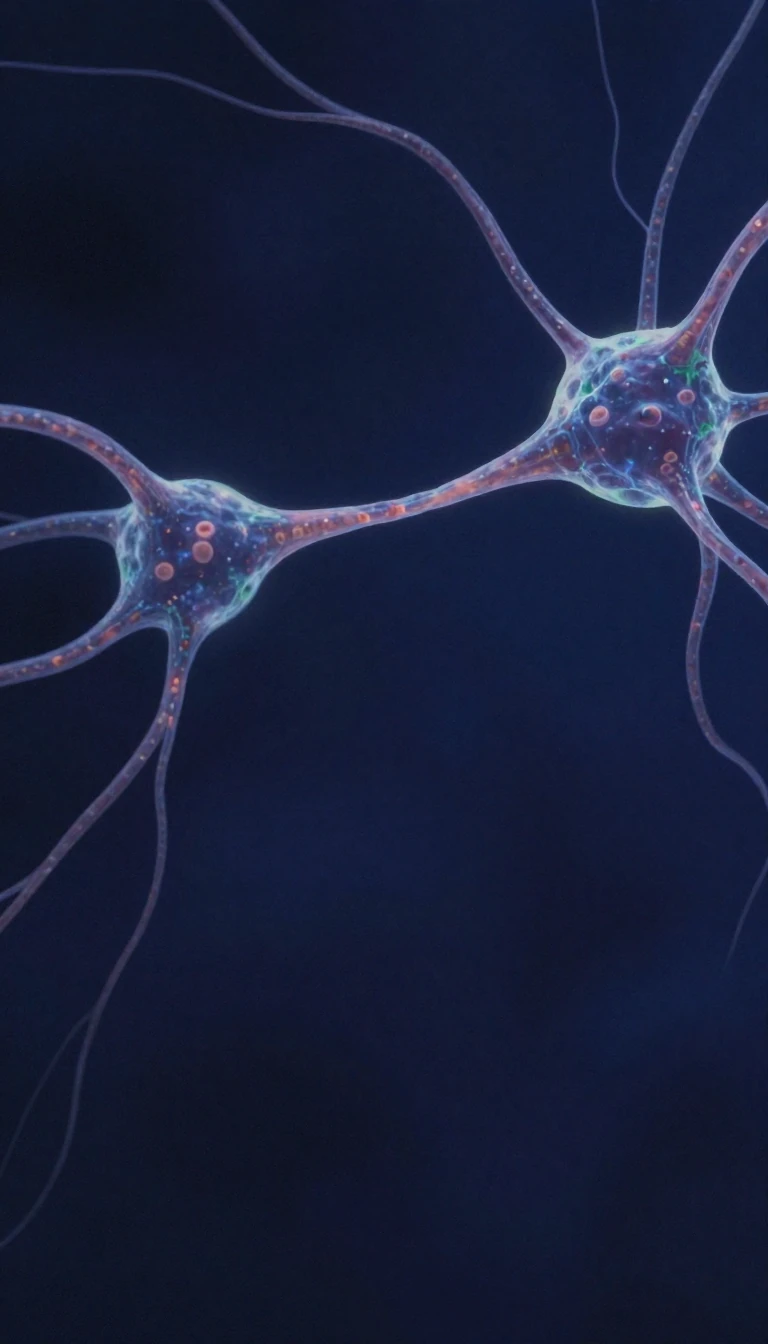 How a single protein turns a flicker of light into a neural signalRhodopsin is the biological switch that makes vision possible in dim light. By combining a protein with a vitamin A derivative, it creates a light-sensitive sensor that triggers a…
- Ribose is the unsung molecular architect behind your genetic code and cellular energy.Beyond its role as the backbone of RNA, this simple five-carbon sugar acts as a vital currency for biological energy. From powering muscle recovery to orchestrating complex signal…
- Ribosomal RNA is the ancient catalyst that may have sparked life on EarthRibosomal RNA is not just a structural scaffold for protein synthesis; it is a functional ribozyme. By acting as both a repository of genetic information and a catalyst for chemic…
 Plants produce complex chemical defenses that are not essential for their own survivalSecondary metabolites are organic compounds produced by plants and other organisms that are not required for basic growth or reproduction. Instead, these substances mediate ecolog…
- The hormone that proved our bodies are controlled by chemistry, not just nervesIn 1902, two physiologists severed the nerves connecting a dog's pancreas to its gut, expecting digestion to stop. Instead, the pancreas kept working. This accidental discovery re…
- Your body builds its own serine, but when this internal factory fails, disaster strikes.Serine is a vital building block for proteins and brain signaling, synthesized within your cells through a three-step metabolic route. When this internal production line breaks do…
- Steroid hormones are the body's master regulators, traveling through blood to command distant cells.These fat-soluble chemical messengers originate in glands like the adrenal cortex, testes, and ovaries. By slipping directly through cell membranes, they bypass traditional barrie…
- How the three-dimensional architecture of life dictates everything our cells doStructural biology reveals the hidden shapes of proteins and nucleic acids. By mapping these molecules in atomic detail, scientists uncover how specific folds enable biological fu…
- Thymine is the essential DNA base that keeps our genetic code stable and readable.Thymine is one of the four fundamental building blocks of DNA, acting as the critical partner to adenine. While it is famously known for its role in the double helix, this pyrimid…
- Your thyroid gland acts as the master thermostat for your body's entire metabolic engine.Tucked in your neck, this butterfly-shaped gland orchestrates your energy levels by releasing two primary hormones. While one is largely inactive, the other drives your cells to b…
- Transfer RNA is the essential molecular chef that translates genetic code into living proteins.Imagine a master chef in a kitchen, too busy to gather ingredients. Transfer RNA acts as the vital assistant, fetching specific amino acids and delivering them to the ribosome. By…
- Beyond cheese: How a single amino acid powers your brain and photosynthesisNamed after the Greek word for cheese, tyrosine is far more than a dietary building block. This versatile amino acid acts as a critical switch in cellular signaling, a precursor t…
 Why this essential amino acid is the secret to metabolic health and stem cellsValine is an essential building block for human proteins that our bodies cannot produce on their own. Beyond its role in muscle fuel, this branched-chain amino acid acts as a meta…
 Your body uses a precise hormonal thermostat to manage water and blood pressureVasopressin is the master regulator of your internal fluid balance. By sensing tiny shifts in blood concentration, this hormone commands your kidneys to conserve water or flush it…
 Review links disrupted creatine kinase activity to several diseasesA review of creatine and creatinine metabolism surveyed research on how the body makes and breaks down creatine, and how the creatine kinase system works in muscle, brain, heart a…
- The complex biological pathways that transform fats into signaling moleculesResearchers have mapped how polyunsaturated fatty acids (PUFAs) do more than just build cell membranes; they serve as essential precursors for a diverse group of signaling molecul…
- N-acetylcysteine may work through sulfur compounds rather than just acting as an antioxidantResearchers who reviewed decades of research on the drug N-acetylcysteine (NAC) argue its effects may not come from the mechanisms usually assumed. NAC is widely used for paraceta…
 Heterocyclic compounds form the structural backbone of most modern medicinesA review of chemical research found that heterocyclic compounds are present in more than 90% of newly developed drugs. These versatile molecules serve as a vital bridge between ch…
 How a single deadly element transformed Earth's biological historyFor billions of years, life on Earth was nothing more than simple cells drifting in water. This video explores how a specific, lethal element acted as a catalyst, shifting life fr…