 Intellect Plus
Society
7,726 cards. Each one is a 40-second story with a five-minute read behind it. Page 106 of 129.
Subtopics: Ancient · Basics · Charity & volunteering · Childhood · Communication · Contemporary · DIY & home improvement · Early modern · Education · Education & schools · Everyday inventions · Everyday life: General · Family and kinship · Family life · Family, kinship and interpersonal relationships · Generations · Hobbies & collecting · Home & housekeeping · Home living · Household items · Housing · International organizations · Journalists · Law · Law & justice · Law enforcement, intelligence, and security officials · Leisure & holidays · Mass media · Modern · Pets · Post-classical · Postal services · Public transport · Railways · Roads & driving · Social media & the internet · Socialites and favorites · Society · Society and social sciences: General · Sociology · Stages of life · UK & Ireland: life
 The research university is a modern engine of power, prestige, and global influence.Born in 19th-century Prussia, the research university transformed higher education by merging teaching with scientific discovery. Today, these institutions are the primary sites o…
 Why a Michigan college town is named after a Greek independence heroYpsilanti, Michigan, is more than a riverside college town. From the birthplace of Domino's Pizza to the site where Elijah McCoy revolutionized industrial lubrication, this city h…
 From ancient monasteries to modern ships, boarding schools have shaped society for over a millennium.Boarding schools are far more than just elite institutions for the wealthy. They serve diverse roles, from therapeutic environments and remote rural solutions to tools for imperia…
 Why the U.S. President has never used the national Emergency Alert SystemThe Emergency Alert System is designed to broadcast presidential messages during national crises, yet it remains untouched by every president since its 1997 inception. While the s…
 The rapid rise of multiracial Americans is reshaping how the nation counts its peopleIn the 2020 census, 33.8 million Americans identified as multiracial, a massive jump from previous years. While this reflects growing interracial unions and shifting social norms,…
 Was the supreme Andean creator god a bearded white man or a colonial myth?Viracocha, the supreme deity of the Inca, was revered as the creator of the sun, stars, and civilization itself. While Spanish chroniclers later described him as a bearded white m…
 From Veterinary Clinic to Global Thriller: The Scientific Imagination of James RollinsJames Rollins spent two decades as a veterinarian, writing during lunch breaks while surrounded by barking dogs and meowing cats. He eventually traded his medical practice for a f…
 Why the world's most powerful church councils were often born from political chaosEcumenical councils were meant to unite the Christian world, yet they frequently fractured it. Originally convened by Roman emperors to settle doctrine, these gatherings often dev…
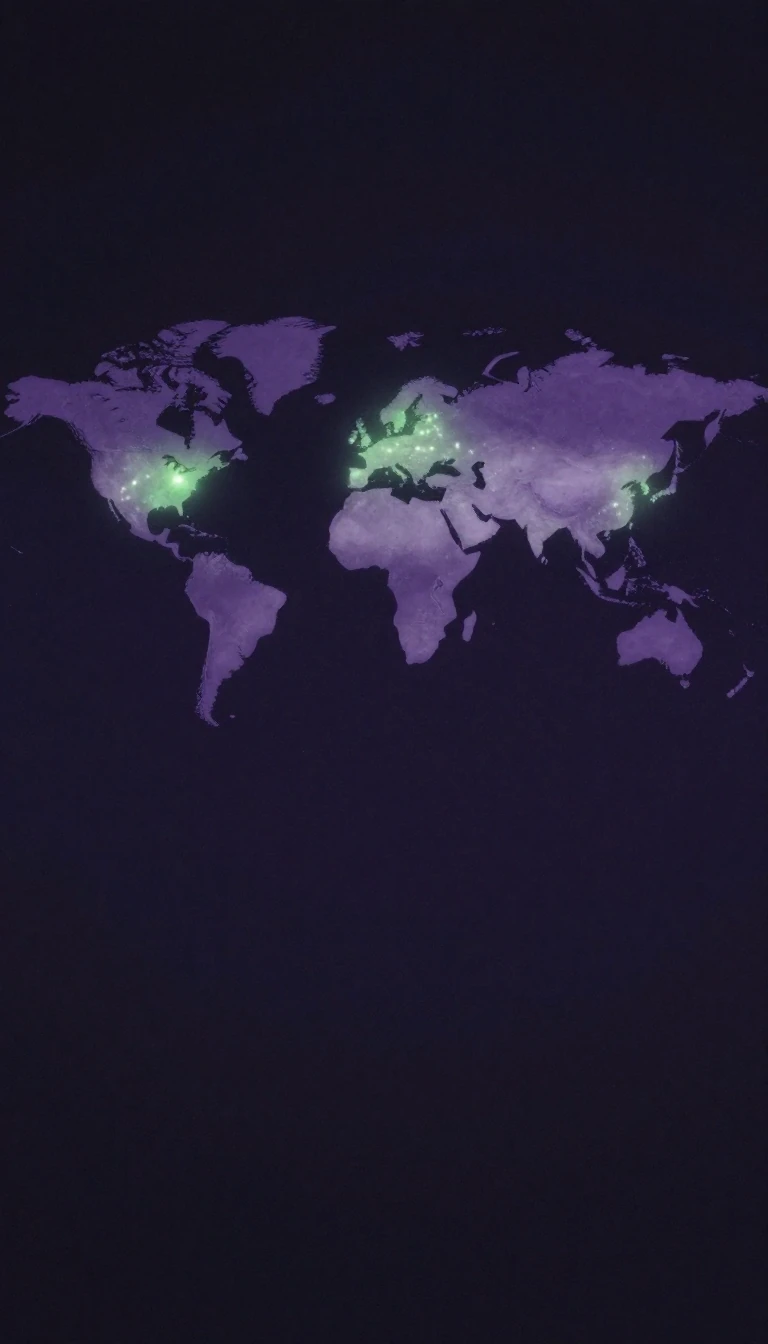 How a $580 million social media giant lost its crown in less than a decadeOnce the world's most popular website, Myspace defined the early internet before a rapid collapse. From its meteoric rise as a cultural powerhouse to a series of disastrous corpor…
 How a corner of Iberia became a seasonal metropolis for all of EuropeThe Algarve, Portugal’s southernmost region, has transformed from a quiet agricultural outpost into a bustling tourist hub. Once the westernmost frontier of the Moorish empire, th…
 Why the Soviet Union spent decades spreading lies about Hitler's final momentsAdolf Hitler died by suicide in his Berlin bunker on 30 April 1945, yet for years, Joseph Stalin insisted he had escaped to South America. This deliberate disinformation campaign …
 Is Marc Benioff the ultimate blueprint for the modern, politically active tech billionaire?From a teenage programmer selling games to the CEO of a global software giant, Marc Benioff has redefined corporate leadership. He pioneered the 1-1-1 philanthropic model, bought …
 Why rotating a doughnut is larceny but rotating a pie is notLarceny is a crime against possession, not just ownership. To qualify, a thief must gain complete control over tangible property and move it, however slightly. This rigid definiti…
 Is lying under oath always a crime? The surprising truth about perjury laws.Perjury is often misunderstood as any lie told under oath, but legal systems require specific criteria to secure a conviction. Beyond the act of lying, prosecutors must prove a de…
 The spoils system: how American politics turned government jobs into political currency for decadesLong before modern civil service standards, American presidents routinely replaced thousands of federal employees with party loyalists. This patronage machine, often misattributed…
 Is cancel culture a tool for social justice or a digital form of tyranny?Cancel culture is a polarizing phenomenon where public figures face ostracism or career termination following accusations of unacceptable behavior. While some view it as a necessa…
- The United Kingdom has no single constitution, yet its democracy remains remarkably robust and stable.Unlike most nations, the United Kingdom operates without a codified constitution. Instead, its political framework relies on a fluid collection of statutes, judicial precedents, a…
 The French President is more than a head of state; they are a powerful executive.Unlike many European heads of state, the French president wields significant authority, particularly in foreign policy and national security. While the prime minister manages day-…
 The European Commission is the only body in the European Union paid to think European.Often called the executive cabinet of the European Union, the European Commission holds the unique power of legislative initiative. While its 27 members are nominated by national …
 The United States now hosts its largest immigrant population in history, totaling 53.3 million people.With 53.3 million foreign-born residents as of early 2025, the United States holds the world's largest immigrant population. This record-breaking figure represents 15.8% of the to…
- Can the government seize your home to boost tax revenue for private developers?Eminent domain grants the state power to take private property without owner consent. While historically reserved for public infrastructure like roads, modern interpretations have…
 Why police dogs are trained in foreign languages and other K-9 unit mythsFrom the medieval use of bloodhounds to modern specialized units, police dogs have long served as essential law enforcement partners. While popular culture often suggests these an…
- Why the Chief Justice of the United States compares his role to a baseball umpireJohn Roberts, the 17th chief justice of the Supreme Court, famously promised to act as a neutral arbiter rather than a lawmaker. By framing his judicial philosophy through the len…
 Internet users: Turkey and the worldIn 2025, internet users was 89.8% in Turkey and 73.6% for the world as a whole. The lines last crossed in 2006.
- Internet users: South Africa and the worldIn 2024, internet users was 78.4% in South Africa and 71.2% for the world as a whole. The lines last crossed in 2011.
 Internet users: Canada and the worldIn 2024, internet users was 94.4% in Canada and 71.2% for the world as a whole.
- Internet users: the United Kingdom and the worldIn 2024, internet users was 95.5% in the United Kingdom and 71.2% for the world as a whole.
 Internet users: Mexico and the worldIn 2024, internet users was 83.1% in Mexico and 71.2% for the world as a whole. The lines last crossed in 2009.
- Internet users: Poland and the worldIn 2024, internet users was 88.6% in Poland and 71.2% for the world as a whole.
- Internet users: the United States and the worldIn 2024, internet users was 94.7% in the United States and 71.2% for the world as a whole.
- Urban population in Australia, 1960 to 2025Urban population in Australia rose from 81.6% in 1960 to 87.7% in 2025, according to World Bank data.
 Urban population in China, 1960 to 2025Urban population in China rose from 19.7% in 1960 to 66.3% in 2025, according to World Bank data.
 Urban population in Egypt, 1960 to 2025Urban population in Egypt rose from 37.8% in 1960 to 42.9% in 2025, according to World Bank data.
- Urban population in Indonesia, 1960 to 2025Urban population in Indonesia rose from 14.6% in 1960 to 59.4% in 2025, according to World Bank data.
- Urban population in India, 1960 to 2025Urban population in India rose from 17.9% in 1960 to 35.7% in 2025, according to World Bank data.
- Urban population in Japan, 1960 to 2025Urban population in Japan rose from 63.3% in 1960 to 92.3% in 2025, according to World Bank data.
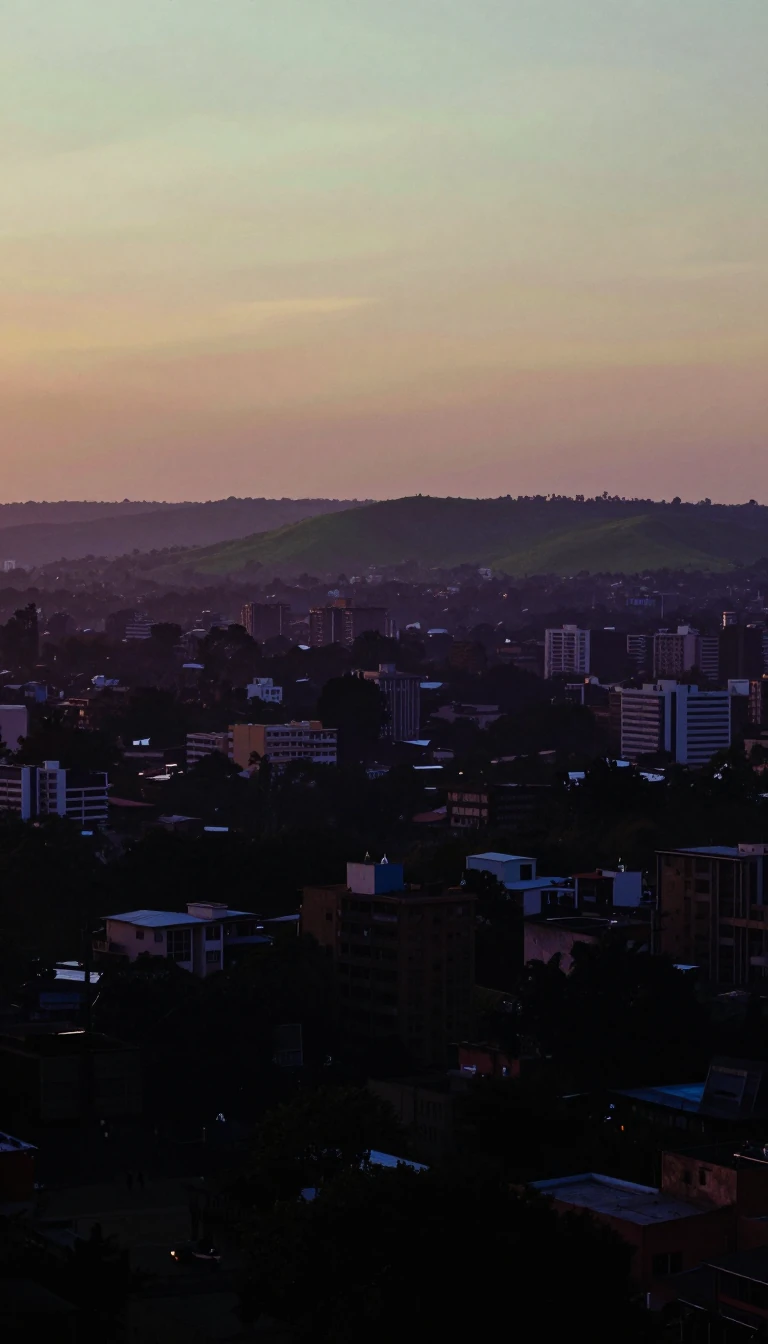 Urban population in Kenya, 1960 to 2025Urban population in Kenya rose from 8.2% in 1960 to 32.2% in 2025, according to World Bank data.
 Urban population in South Korea, 1960 to 2025Urban population in South Korea rose from 27.7% in 1960 to 81.2% in 2025, according to World Bank data.
 Urban population in Turkey, 1960 to 2025Urban population in Turkey rose from 23.4% in 1960 to 89.5% in 2025, according to World Bank data.
- Urban population in South Africa, 1960 to 2025Urban population in South Africa rose from 46.7% in 1960 to 63.8% in 2025, according to World Bank data.
- Urban population in Australia is at a record highAt 87.7% in 2025, urban population in Australia is the highest in World Bank data going back to 1960.
- Urban population in China is at a record highAt 66.3% in 2025, urban population in China is the highest in World Bank data going back to 1960.
- Urban population in Indonesia is at a record highAt 59.4% in 2025, urban population in Indonesia is the highest in World Bank data going back to 1960.
- Urban population in India is at a record highAt 35.7% in 2025, urban population in India is the highest in World Bank data going back to 1960.
- Urban population in Japan is at a record highAt 92.3% in 2025, urban population in Japan is the highest in World Bank data going back to 1960.
- Urban population in Kenya is at a record highAt 32.2% in 2025, urban population in Kenya is the highest in World Bank data going back to 1960.
- Urban population in South Korea passed 50%Urban population in South Korea passed 50% in 1977. The latest value, for 2025, is 81.2%.
- Urban population in Nigeria is at a record highAt 63.8% in 2025, urban population in Nigeria is the highest in World Bank data going back to 1960.
- Urban population in Turkey is at a record highAt 89.5% in 2025, urban population in Turkey is the highest in World Bank data going back to 1960.
- Urban population in South Africa is at a record highAt 63.8% in 2025, urban population in South Africa is the highest in World Bank data going back to 1960.
- Australia: urban population then and nowIn 1960, urban population in Australia was 81.6%. In 2025 it was 87.7%.
 China: urban population then and nowIn 1960, urban population in China was 19.7%. In 2025 it was 66.3%.
- Egypt: urban population then and nowIn 1960, urban population in Egypt was 37.8%. In 2025 it was 42.9%.
- Indonesia: urban population then and nowIn 1960, urban population in Indonesia was 14.6%. In 2025 it was 59.4%.
- India: urban population then and nowIn 1960, urban population in India was 17.9%. In 2025 it was 35.7%.
- Japan: urban population then and nowIn 1960, urban population in Japan was 63.3%. In 2025 it was 92.3%.
- Kenya: urban population then and nowIn 1960, urban population in Kenya was 8.2%. In 2025 it was 32.2%.
- South Korea: urban population then and nowIn 1960, urban population in South Korea was 27.7%. In 2025 it was 81.2%.
 Turkey: urban population then and nowIn 1960, urban population in Turkey was 23.4%. In 2025 it was 89.5%.
- South Africa: urban population then and nowIn 1960, urban population in South Africa was 46.7%. In 2025 it was 63.8%.