Earth · Desert Formation
Why do deserts exist?
The short answer
Deserts exist mainly due to specific climatic conditions like high temperatures and low precipitation levels1. They are formed through various climatic and geographic factors1. Global atmospheric circulation patterns, such as the Hadley cell, cause dry air to sink and warm around 30 degrees latitude12. Mountains also create rain shadow deserts by forcing moist air to lose moisture on the windward side12. Additionally, distance from moisture sources, cold ocean currents, and human activities like deforestation can contribute to arid environments25.
What the evidence shows
Atmospheric Circulation
The Hadley cell is an atmospheric circulation pattern where warm air rises at the equator and sinks around 30 degrees latitude1. Sinking air creates high-pressure systems that lead to dry areas with low rainfall1.
Descending air near 30 degrees north and south of the equator compresses and warms3. This process inhibits cloud formation and precipitation35.
Mountain Rain Shadows
Mountains can create rain shadow deserts when moist air rises over them and loses moisture as rain on the windward side1. The leeward side of a mountain becomes much drier15.
As the air descends the leeward side, it warms up again4. The lack of moisture on the other side prevents cloud formation4.
Geographic and Oceanic Factors
Deserts form in continental interiors because air masses lose moisture as they travel inland from the coast2. Areas deep within continents are far from oceanic moisture3.
Cold ocean currents can cool coastal areas and reduce evaporation12. These currents can also create stable conditions that inhibit rain-producing clouds3.
Human and Environmental Impact
Human activities like deforestation, overgrazing, and unsustainable agricultural practices can contribute to desertification2. Deforestation and the demands of human populations that settle in semiarid lands usually cause this process6.
The pounding of the soil by the hooves of livestock in ranching may degrade the soil and augment erosion by wind and water6.
Our take
This part is our own interpretation, not a sourced finding.
Cold air holds very little moisture, which allows polar deserts to exist in the Arctic and Antarctic36. This means a desert is defined by a persistent shortage of available moisture rather than temperature alone5.
What we can't say for sure
The sources do not specify the exact percentage of deserts caused by each individual factor.
Sources
- Why Do Deserts Exist? Understanding the Science Behind Arid Landscapes – ChaseDay.com. ChaseDay.com. other website, accessed 2 November 2026.
- Jo Morgan. Why do deserts exist? - Mike Gravel. Mike Gravel. other website, accessed 2 November 2026.
- Why Do We Have Deserts? The Science Behind Their Formation - Biology Insights. Biology Insights. other website, accessed 2 November 2026.
- How do deserts form? - BBC Science Focus Magazine. BBC Science Focus Magazine. other website, accessed 2 November 2026.
- Science News Today. Why Do Deserts Form? The Role of Atmospheric Circulation and Rain Shadows. Science News Today. other website, accessed 2 November 2026.
- Deserts Explained. education.nationalgeographic.org. other website, accessed 2 November 2026.
Published 2 November 2026. Sources last checked 2 November 2026. Prepared with automated tools and checked against the sources named here: how we work. Spotted a mistake? Tell us.
Keep exploring in Intellect Plus
 CardShakespeare's desert of Bohemia had no sand, only an absence of people
 CardWhy the world’s largest biome is far more than just endless shifting sand
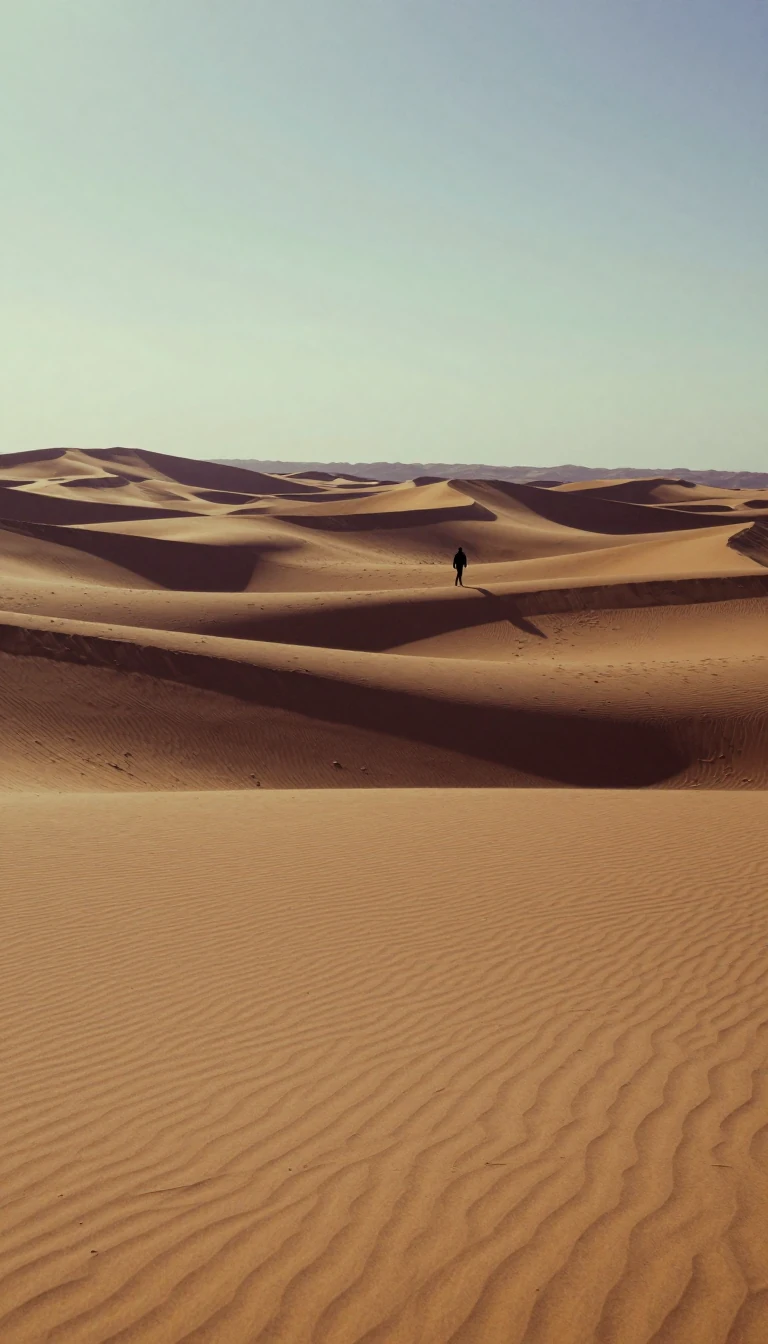 CardHot deserts cover about 14 percent of Earth's land, the biggest climate zone
CardDesertification is not the expansion of deserts, but the loss of life-sustaining land.
 CardWhy the term desert island has nothing to do with sandy, arid landscapes
 CardWhy the world's most fragile landscapes sit between deserts and humid forests
 VideoThe world's only coastal desert shaped by fog and ancient rivers
CardWhy the Sonoran Desert is the world's most biologically diverse arid landscape
CardAustralia's Great Sandy Desert hides mysterious circular patches of barren, ringed earth.
 VideoThe only desert on Earth that reaches the ocean
 VideoThe desert where some places haven't seen rain for 500 years
CardWhy does this massive North American desert have no path to the sea?