History · Stonehenge
Why is Stonehenge important?
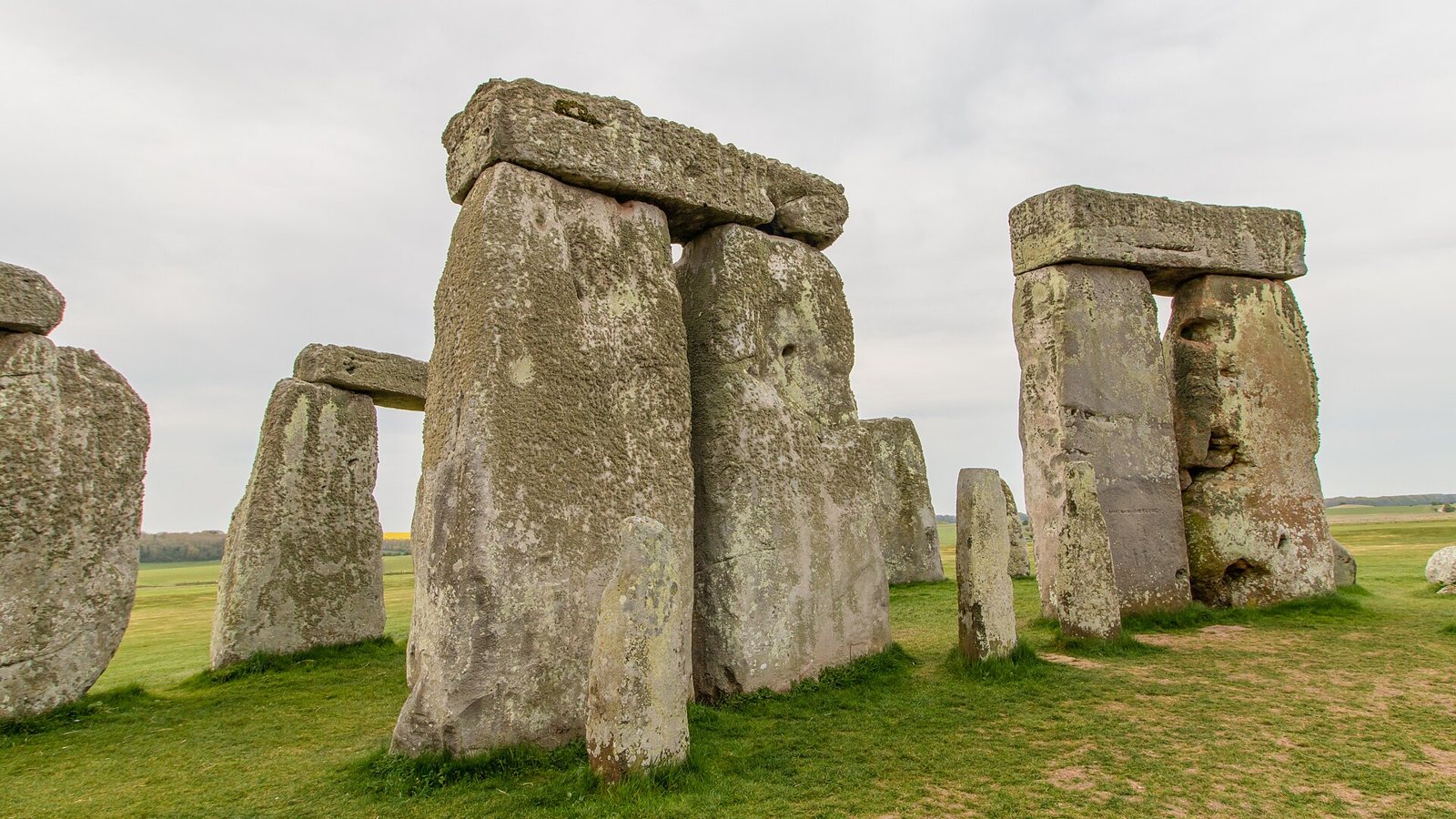
The short answer
Stonehenge is important as Europe’s largest multi-monument symbolic landscape1. It is a famous Neolithic archaeological landscape and a World Heritage Site14. The site is an extraordinary source for the study of prehistory4. It provides information on the transition to the burial of individuals with grave goods4. Researchers use the site to understand the character of pre-Neolithic activity and the dynamic nature of the late Mesolithic environment1. Some believe the act of building the monument was its key importance3.
What the evidence shows
A Sacred Burial Ground
Stonehenge may have begun life as a giant burial ground for Stone Age elite2. More than 50,000 cremated bone fragments from 63 individuals have been excavated2.
The remains include almost equal numbers of men and women and children2. High-status objects suggest the dead could have been religious and political leaders2.
Engineering and Construction
Stonehenge is a masterpiece of engineering built by Neolithic people using only simple tools4. As many as 4,000 people gathered at the site to help build it3.
People came from as far away as the Scottish Highlands to help with the construction3. The construction involved a settlement at Durrington Walls with about 1,000 homes3.
Archaeological Significance
The site is significant for understanding whether the complex was established de-novo or in response to an already inhabited landscape1. It is important for understanding the possible dynamic nature of the late Mesolithic environment1.
The site contains carvings depicting axe-heads and daggers dating from about 1750–1500 BC4. It lies at the centre of an outstandingly rich archaeological landscape4.
Our take
This part is our own interpretation, not a sourced finding.
The fact that 4,000 people gathered to build the site3 shows a level of social organisation that is truly remarkable. It changes the focus from the monument's purpose to the massive human effort required to create it3.
What we can't say for sure
It is not certain if the people were coming to worship or just to construct the site3. The source is also unsure of the extent to which the wider landscape was covered in closed-canopy forest in the Late Mesolithic1.
Sources
- Life before Stonehenge: The hunter-gatherer occupation and environment of Blick Mead revealed by sedaDNA, pollen and spores. PLoS ONE, 2022. research paper, accessed 1 November 2026.
- https://www.theguardian.com/profile/maevkennedy. Stonehenge may have been burial site for Stone Age elite, say archaeologists | Archaeology | The Guardian. the Guardian. news, accessed 1 November 2026.
- https://www.facebook.com/bbcnews. Stonehenge builders travelled from far, say researchers - BBC News. BBC News. news, accessed 1 November 2026.
- History of Stonehenge | English Heritage. English Heritage. other website, accessed 1 November 2026.
Published 1 November 2026. Sources last checked 1 November 2026. Prepared with automated tools and checked against the sources named here: how we work. Spotted a mistake? Tell us.
Keep exploring in Intellect Plus
 CardWhy Stonehenge is not just a single monument but a vast prehistoric landscape
 VideoWhat did Stonehenge actually mean to the people who built it?
 VideoA prehistoric masterpiece built on spiritual unity and engineering mystery
 VideoStonehenge was not built in a day, but over fifteen hundred years of effort.
 VideoWhy does this prehistoric stone circle remain a profound puzzle for modern researchers?
 VideoHow long have we been searching for Stonehenge's secrets?
 VideoCan a tunnel solve the massive traffic congestion surrounding the ancient Stonehenge monument?
 VideoWhy the world's most famous stone circle is technically not a henge at all
CardThe massive Neolithic monument that predates Stonehenge by hundreds of years
 VideoWas Stonehenge a calendar, a temple, or both?
 VideoWho was the powerful leader buried near Stonehenge with immense wealth?
 VideoBeyond the stones: who were the people who actually built Stonehenge?
More questions
 HistoryWhy do samurai carry two swords?
 NatureWhat happens when bamboo flowers?
 SpaceWhy can you see the Moon during the day?
 NatureWhy do cats purr?
 TechnologyHow do Mars rovers operate remotely?
 EarthWhy do deserts exist?
 EarthWhy does the sky turn green before a storm?
 EarthWhy is sea water salty?
