Everyday Science · Boiling Physics
How does boiling work?
The short answer
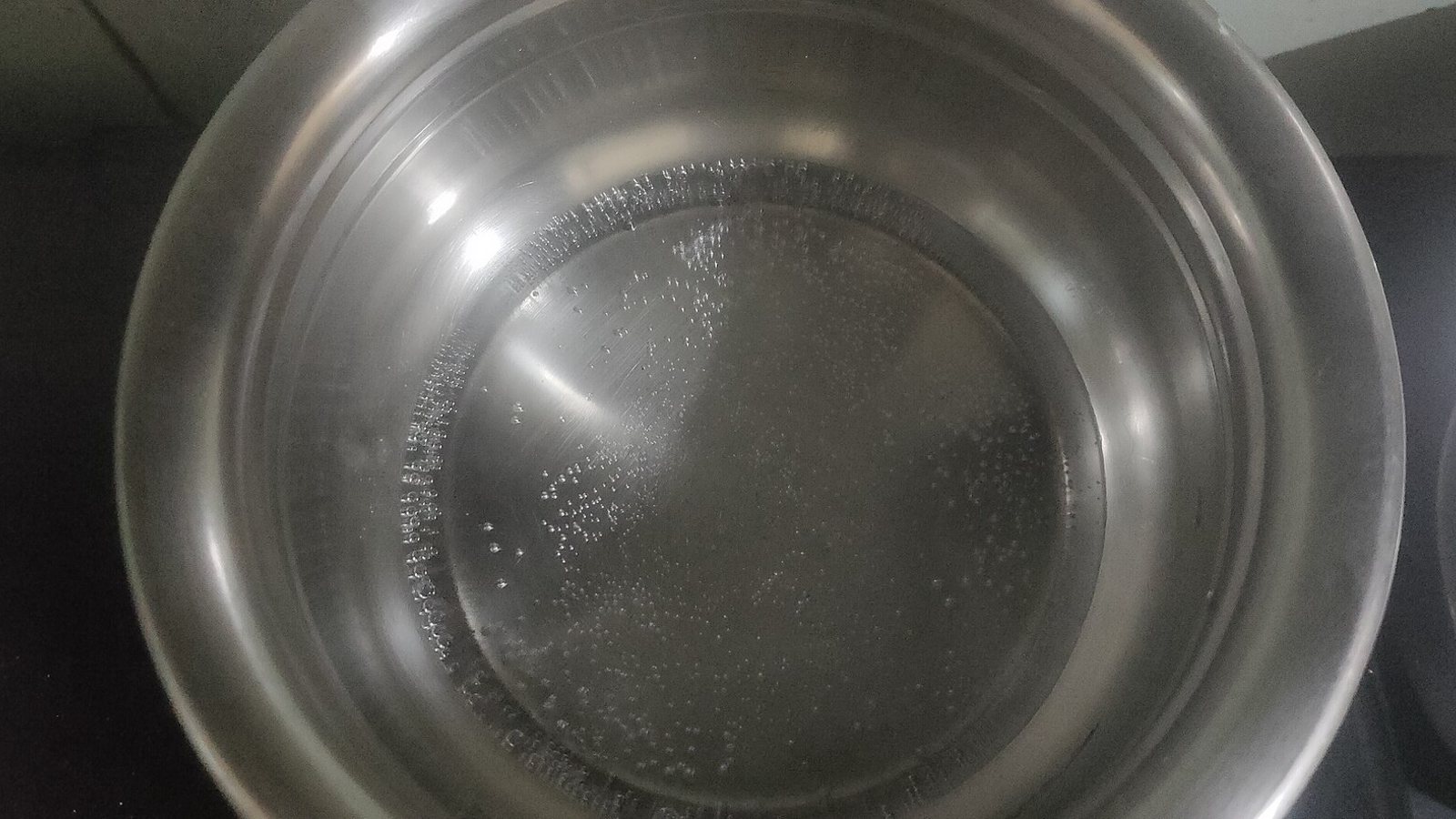
Boiling occurs when a liquid's vapor pressure equals the pressure of its surroundings34. At this point, the liquid can turn into vapor as more thermal energy is added3. The specific temperature at which this happens depends on the environmental pressure3. For example, increasing pressure raises the boiling point3. In a reactor, heat from nuclear fission causes cooling water to boil2. This process can involve nucleate boiling, where bubbles form and separate from a surface1, or film boiling, where a layer of vapor insulates the surface from the liquid2.
What the evidence shows
Pressure and Temperature
The boiling point is the temperature where a liquid's vapor pressure matches the surrounding pressure34. This point changes based on the pressure of the environment3.
Higher pressure increases the boiling point until the critical point is reached3. Conversely, lower pressure reduces the boiling point until the triple point is reached3.
Solute Effects
Adding a nonvolatile solute to a pure solvent lowers the vapor pressure4. This means a higher temperature is required for the vapor pressure to equalize with the surrounding pressure4.
This change is a colligative property based on the number of dissolved particles4. It shifts the chemical potential of the liquid, moving the equilibrium to a higher temperature4.
Nucleate and Film Boiling
Nucleate boiling happens when a surface exceeds the saturated fluid temperature by a specific amount1. For water, this difference is typically between 10 and 30 °C1.
When bubbles separate from the surface, they induce fluid mixing and increase heat flux1. However, if the heat flux is too high, vapor may insulate the liquid from the surface, leading to film boiling12.
Our take
This part is our own interpretation, not a sourced finding.
It is fascinating that adding a simple solute can physically prevent a liquid from boiling by lowering its chemical potential4. This shows how microscopic particles can fundamentally alter the macroscopic behavior of matter.
What we can't say for sure
The source does not specify the exact physical mechanism of boiling, only how it behaves in a reactor context2.
Sources
- Nucleate boiling - Wikipedia. en.wikipedia.org. other website, accessed 2 November 2026.
- Authority control databases International GND National United States France BnF data Japan Israel Other Yale LUX. Boiling water reactor - Wikipedia. en.wikipedia.org. other website, accessed 2 November 2026.
- Authority control databases GND. Boiling point - Wikipedia. en.wikipedia.org. other website, accessed 2 November 2026.
- Boiling-point elevation - Wikipedia. en.wikipedia.org. other website, accessed 2 November 2026.
Published 2 November 2026. Sources last checked 2 November 2026. Prepared with automated tools and checked against the sources named here: how we work. Spotted a mistake? Tell us.
Keep exploring in Intellect Plus
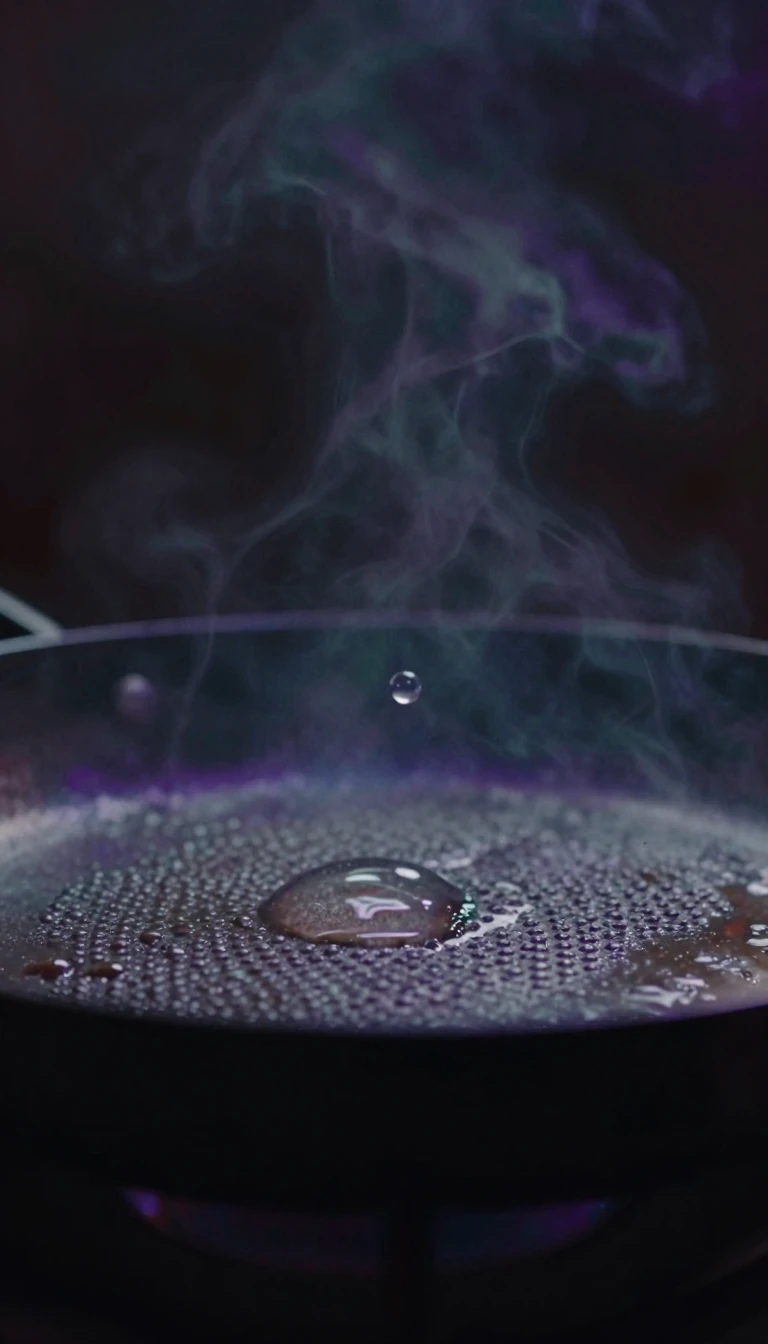 CardWhy water boils at different temperatures depending on where you stand on Earth.
CardWhy your boiling water changes temperature depending on where you stand on Earth
CardWhy boiling water stays at 100 degrees until the very last drop vanishes
CardVaporization is more than just boiling; it is a fundamental shift in matter's state.
CardWhy the most powerful steam generators technically do not boil water at all
 CardWhy the most powerful boilers in the world do not actually boil any water
 CardWhy the secret to the world's most tender stews is never actually boiling
 VideoWhy does temperature stay constant while water is boiling or melting?
 CardWhy Hydrocarbons Boil at Different Temperatures
 VideoThe hidden physics of how your rice cooker knows when to stop
CardWhy your microwave might turn a simple cup of water into a dangerous explosive
 CardWhy a 17th-century physics experiment is the secret to perfect high-altitude cooking