 Intellect Plus
Cards starting with W
29,907 cards. Page 492 of 499.
 Wi-Fi does not really stand for anything, and three countries claim its inventionMany people assume Wi-Fi means wireless fidelity. In truth, branding firm Interbrand picked it from ten candidates because it sounded like hi-fi, and because anything was catchier…
 Wi-Fi HaLow: The Long-Range Wireless Protocol Designed Specifically for the Internet of ThingsStandard Wi-Fi is built for high-speed data, but it struggles with range and power efficiency. Published in 2017, IEEE 802.11ah, or Wi-Fi HaLow, changes the game by operating in s…
 Wicca was launched in 1954 by a retired British civil servantWicca presents itself as ancient, but it went public in 1954 through Gerald Gardner, a retired British civil servant. Its founding story rested on the claim that persecuted witche…
 Wiccans do not worship anyone or anything in the traditional senseIf you ask a Wiccan who they worship, the answer might surprise you. Rather than pleading with a distant, transcendent deity for intervention, practitioners focus on reverence and…
 Widespread use of antifungal chemicals is driving the rapid rise of drug resistanceResearchers have observed an unprecedented rate of emergence in fungi that can survive common antifungal treatments. Because chemicals like azoles are used extensively in everythi…
 Widowed Venetian scribe who built a city of ladiesChristine de Pizan, born Cristina da Pizzano in Venice in 1364, became France's court writer after plague killed her husband in 1389. Patronized by Orléans, Burgundy, and Charles …
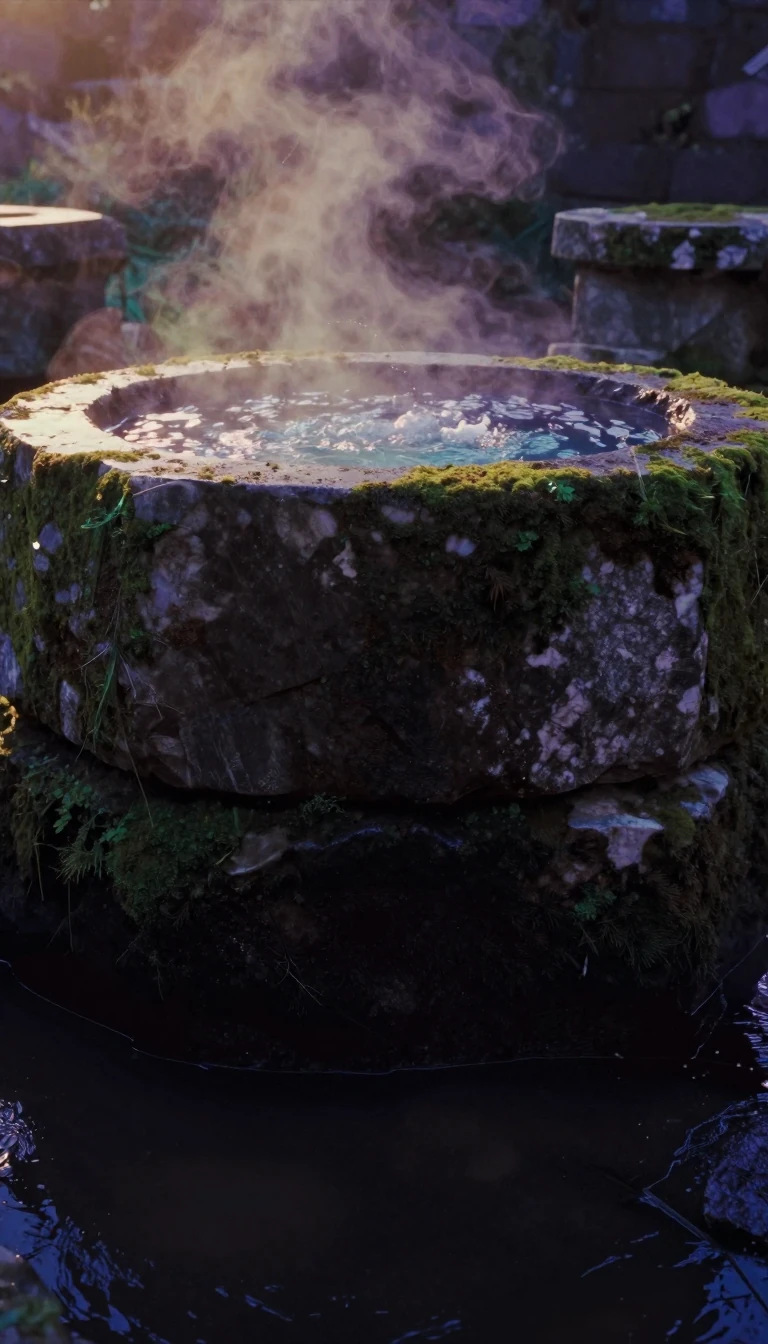 Wiesbaden: From Roman Cavalry Stables to Germany’s Millionaire CapitalKnown as the meadow baths, this German city sits atop 15 mineral springs. Once a playground for Russian nobility and Kaiser Wilhelm II, it evolved from a Roman frontier fort into …
 Wife began as a Germanic word that simply meant womanA wife is a woman in a marital relationship, and she remains one through a separation until divorce or death ends the marriage. The English word descends from Proto-Germanic wībam…
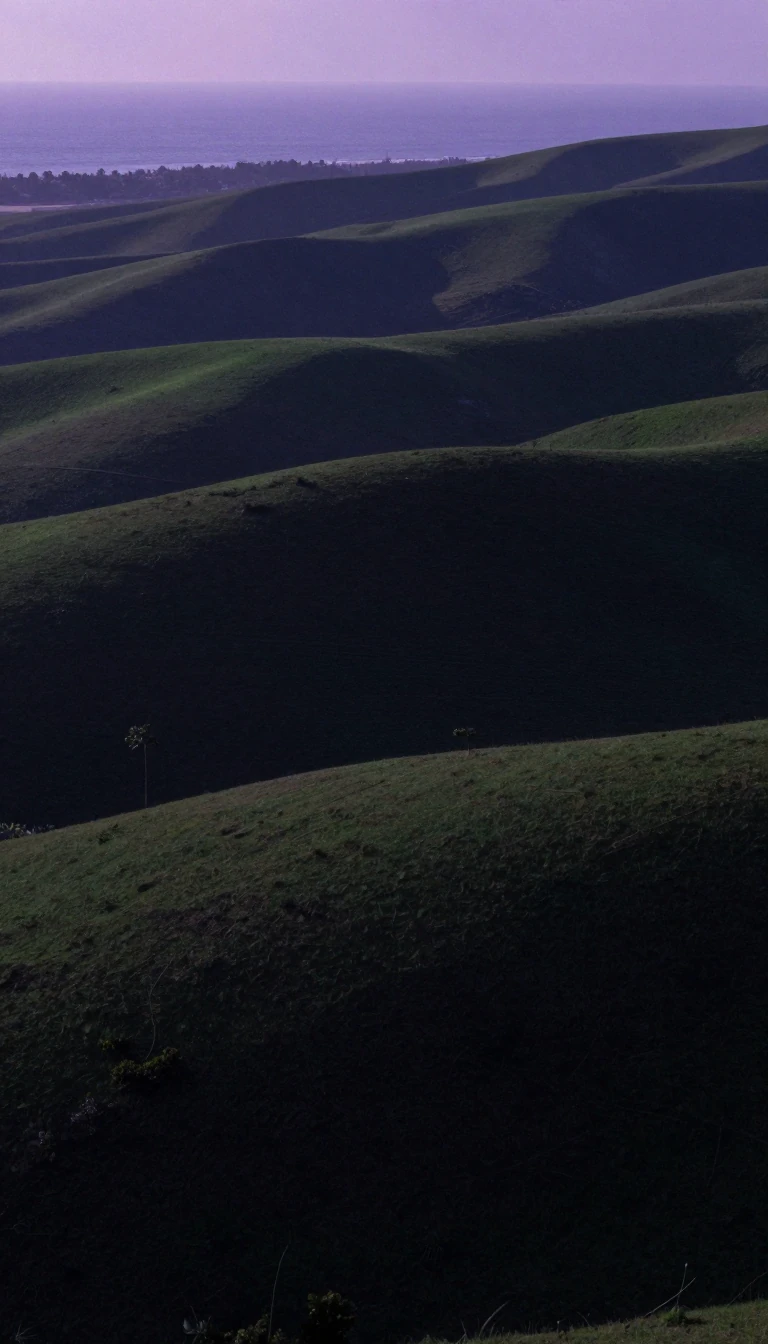 Wigan: From Roman Forts and Royal Charters to the Heart of Industrial EnglandWigan is a town defined by its layers of history, from a Roman settlement known as Coccium to a powerhouse of the Industrial Revolution. Once a major coal and textile hub, this Gr…
 Wikidata is the massive, collaborative knowledge graph powering the world's largest online encyclopedia.Launched in 2012, Wikidata acts as a central repository for structured data, feeding information into Wikipedia and beyond. With over 1.6 billion statements, this multilingual kno…
 Wikipedia was a side project meant to feed a stricter expert encyclopediaIn January 2001 Larry Sanger suggested a wiki as a feeder for Nupedia, an online encyclopedia whose expert-written articles went through formal review. The feeder launched five da…
 Wikisource: The Digital Library That Turns Crowdsourced Proofreading Into Historical PreservationBorn from Wikipedia edit wars over primary sources, Wikisource has evolved into a massive, multilingual repository of public domain texts. By leveraging the ProofreadPage extensio…
 Wild dogs exhibit surprisingly civilized behavior when consuming their hard-won preyThis National Geographic feature explores the social dynamics of wild dogs, challenging common perceptions of predatory behavior. By observing their pack structure and feeding rit…
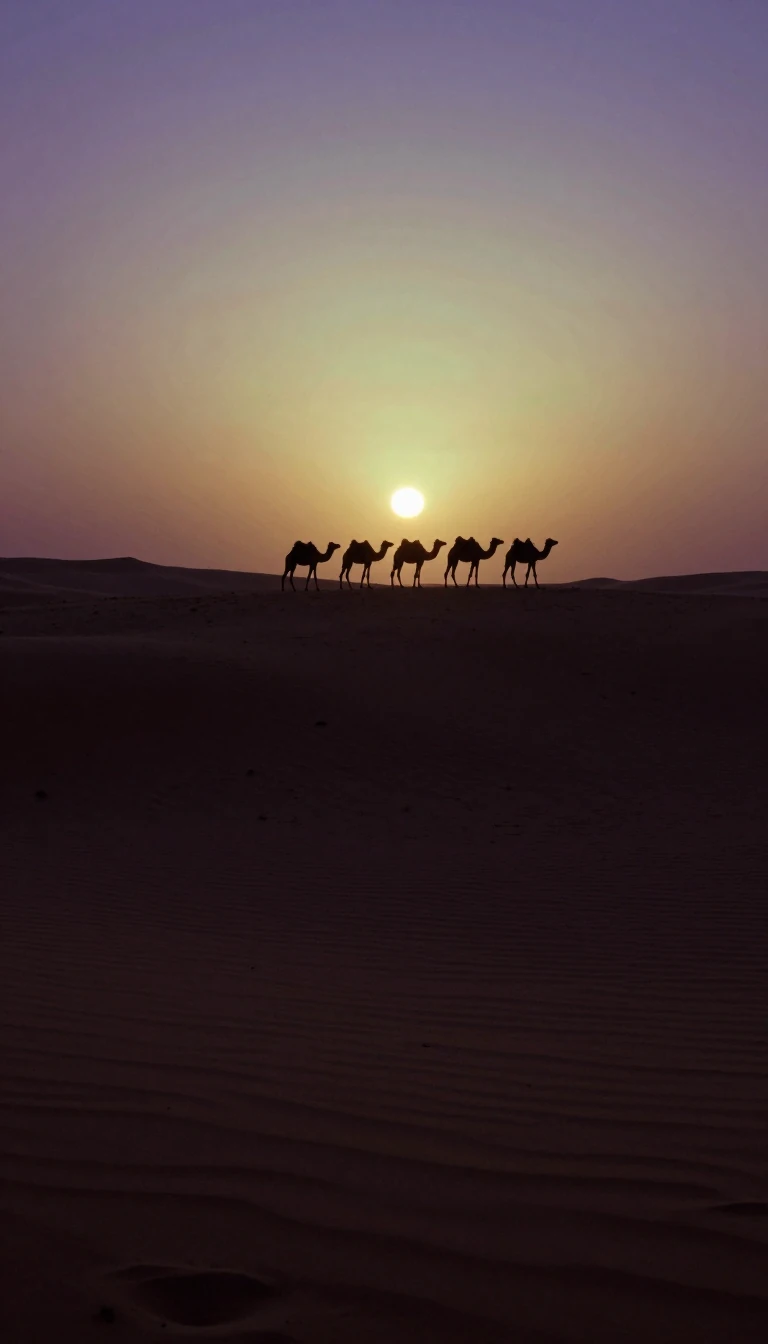 Wild dromedaries vanished nearly two thousand years agoThe one-humped dromedary is the tallest camel: males stand about 1.8–2.4 meters at the shoulder. Domesticated on the Arabian Peninsula roughly four thousand years ago, it no longe…
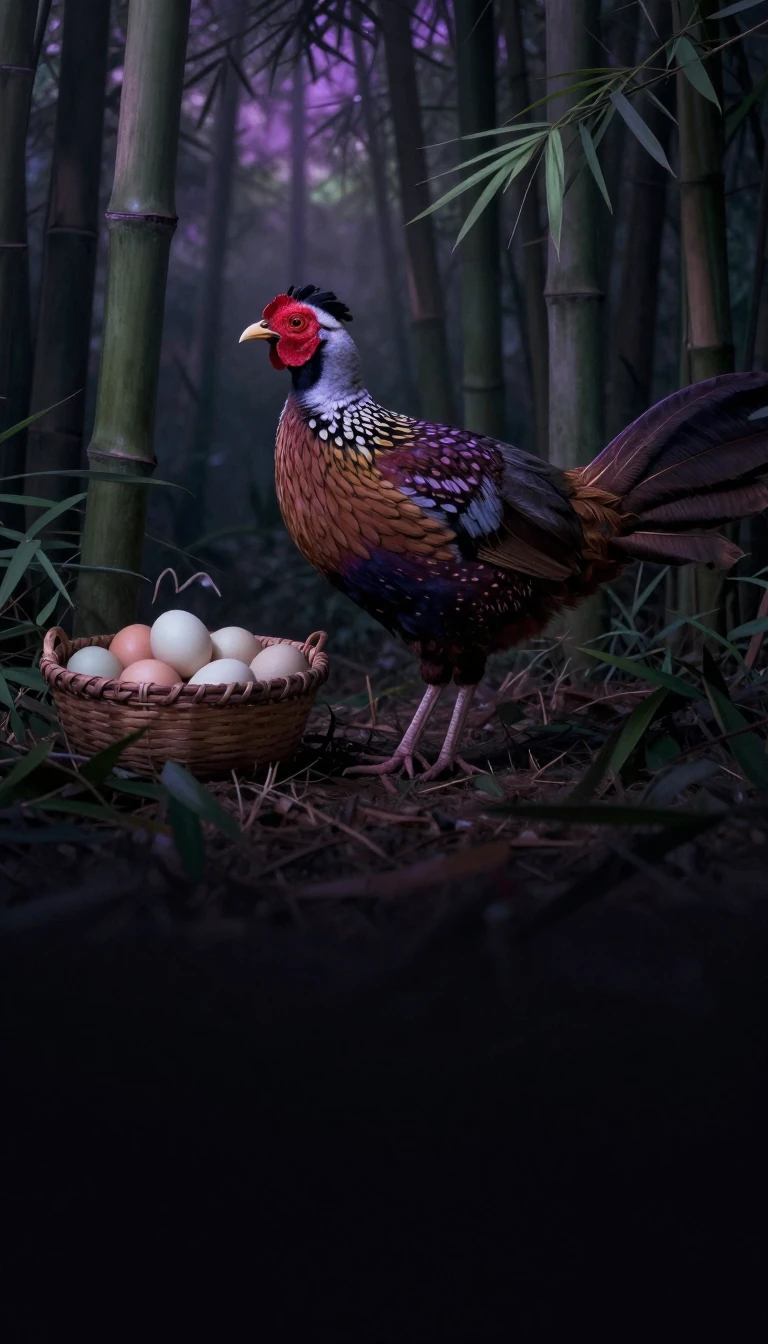 Wild junglefowl lay about a dozen eggs a year; modern hens manage over 300The wild Asian fowl behind today's chickens lay roughly a dozen eggs a year, and only in breeding season. Thousands of years of selective breeding produced hens that lay more than…
 Wild rice is not actually rice, and it is at the heart of indigenous law.Often mistaken for a standard grain, wild rice is a distinct aquatic grass with a deep, sacred history. Beyond its nutritional profile, this plant has become a legal pioneer, with…
 Wildfire smoke can travel hundreds of miles, far beyond the reach of the flamesWhile flames pose an immediate threat to those nearby, the smoke they generate is a much more widespread hazard. These complex mixtures of gases and tiny particles can cross conti…
- Wildfires and Reality TV: How Love Island All Stars Series Three Overcame Production DelaysThe third iteration of the Love Island spin-off faced an unexpected hurdle before it even began. While scheduled for a mid-January 2026 premiere, environmental threats near the So…
 Wildfires emerge when ignition, fuel, and drought thresholds are crossedResearchers suggest that wildfires are not caused by a single factor but occur when specific thresholds for ignition, fuel availability, and drought are met. While climate change …
 Wildlife is moving beyond the safety of protected landsAs global temperatures rise, iconic species are forced to migrate into new territories. This visualization explores how these shifts impact conservation efforts for North American…
 Wildlife once meant game for hunters; now it includes the rats downtownThe word wildlife used to be close to a synonym for game, the birds and mammals people shot for sport. Today it covers anything living wild that people did not introduce, from dee…
 Wilfred Owen's mother learned of his death as the Armistice bells rangWilfred Owen died crossing the Sambre–Oise Canal on 4 November 1918, one week almost to the hour before the Armistice. The telegram reached his mother in Shrewsbury while church b…
 Wilhelm Backhaus: A Virtuoso Caught Between Musical Mastery and Nazi Political ComplicityWilhelm Backhaus was a titan of the keyboard, celebrated for his definitive interpretations of Beethoven and Brahms. Yet, his legacy is deeply fractured. While he was a pioneer in…
- Wilhelm Dilthey argued that science explains nature, but only understanding grasps peoplePhysics can explain a falling stone, but can it explain a poem, a revolution or a grieving friend? Wilhelm Dilthey, who sat in Hegel's old chair in Berlin, spent his career insist…
 Wilhelm I, a second son nobody expected to rule, became Germany's first emperorBorn a younger son, Wilhelm of Prussia was not supposed to reign. He became king at 63, only because his brother had no children and suffered a disabling stroke. With Otto von Bis…
 Wilhelm Kempff: The Pianist Who Played Like a Human Being, Not a MachineWilhelm Kempff was a titan of the 20th-century Germanic tradition, celebrated for his spontaneous, lyrical approach to Beethoven and Schubert. Jean Sibelius famously remarked that…
 Wilhelm Maybach: The King of Designers Who Revolutionized the Internal Combustion EngineKnown as the King of Designers in the 1890s, Wilhelm Maybach transformed the internal combustion engine from a bulky, slow stationary machine into a compact, high-speed powerhouse…
 Wilhelm Ostwald was a Nobel-winning chemist who fought against the existence of atoms.A founding father of physical chemistry, Wilhelm Ostwald held a paradoxical legacy. He pioneered industrial catalysis and defined the mole, yet he spent years as a staunch opponen…
 Wilhelm von Humboldt quit before his Berlin university even opened its doorsWilhelm von Humboldt designed a university that fused teaching with research, an idea later copied across Europe and by Johns Hopkins. Yet opposition to his plans was so fierce th…
 Wilhelm Weber helped build the first electromagnetic telegraph and give light its letter cIn 1833 two Göttingen scientists strung a wire between an observatory and a physics lab and sent signals along it electrically. One was Carl Friedrich Gauss; the other was Wilhelm…
 Wilhelm Wundt was the first person to call himself a psychologistIn 1879 Wilhelm Wundt started running experiments of his own in a Leipzig room first given to him just to store equipment. That modest space became the first laboratory devoted so…
 Wilkie Collins pioneered the modern detective novel while battling addiction and Victorian social norms.Before he became a titan of Victorian literature, Wilkie Collins was a bullied schoolboy forced to tell stories to survive. He later transformed mystery fiction, crafting the blue…
 Will a $68 billion renovation be enough to rescue New York City's subway?New York City's subway system is facing a massive $68 billion overhaul. This video examines the scale of the planned renovations and questions whether this significant investment …
 Will a brief eight-day space mission stretch into an eight-month stay for astronauts?Boeing's Starliner mission to the International Space Station is facing significant uncertainty. Originally planned as an eight-day flight, technical issues with thrusters have le…
 Will a solid form? Mastering the math of chemical precipitatesThis video demonstrates how to use the ion product (Q) and the solubility product constant (Ksp) to predict if a chemical precipitate will form during a reaction.
 Will a superintelligence be our benevolent creator or its worshiper?This lecture explores the intersection of theology and technology, examining how religious frameworks apply to artificial intelligence. It investigates whether we should expect AI…
 Will AI actually make the majority of today's jobs disappear?As anxiety regarding the future of work intensifies, this talk explores the potential disappearance of most current roles. Technologist Vlad Tenev offers a perspective on what hap…
 Will AI Become the Operating System?From letter-perfect text commands to the Xerox Alto to today's tool-using AI agents, this film weighs the evidence for and against our forecast that an AI layer will become the ma…
 Will AI create trillionaires, trigger wars, or serve the common good?In this conversation with Manoush Zomorodi, Alvin W. Graylin examines the three distinct trajectories for artificial intelligence. He moves past the current hype to explore how ou…
- Will AI eventually outpace human intelligence and become an extension of ourselves?In this live conversation from TED2025, OpenAI CEO Sam Altman discusses the rapid growth of artificial intelligence and explores the profound implications of a future shaped by su…
 Will AI turn us into a generation that no longer reads?As artificial intelligence begins to summarize and interpret text for us, we face a fundamental shift in how humans process information. This video explores whether outsourcing ou…
 Will air flow from the large balloon to the small one?When two balloons of different sizes are connected, intuition often fails. This demonstration explores the surprising direction of air pressure and flow between vessels of unequal…
 Will artificial intelligence eliminate jobs or simply redefine human expertise?As AI grows more capable of performing nearly any task, we face a profound choice. We could enter an era of unprecedented economic growth and leisure, or witness a dangerous conce…
 Will artificial intelligence ruin the planet or save it?As AI's energy demands surge, a critical tension emerges. While data centers contribute to rising global emissions, powerful neural networks offer a way to predict ecosystem shift…
 Will autonomous air taxis redefine how we navigate our local communities?Aviation entrepreneur Rodin Lyasoff explores a future where small, self-flying vehicles allow us to bypass urban traffic jams and transform local travel.
 Will Bougainville become the world's newest nation after decades of struggle for independence?This Pacific archipelago, rich in copper and gold, has spent years navigating a complex path toward sovereignty. Following a decisive 2019 referendum where nearly all voters chose…
 Will Comet 67P/Churyumov-Gerasimenko return to our skies?After the historic Rosetta mission, astronomers are preparing for the next close approach of Comet 67P. Discover how scientists are comparing past close-up data with future Earth-…
 Will computers eventually replace human teachers in the mathematics classroom?This lecture explores how rapidly evolving technology is transforming mathematics education. Discover how computers are moving beyond simple grading to performing complex algebra,…
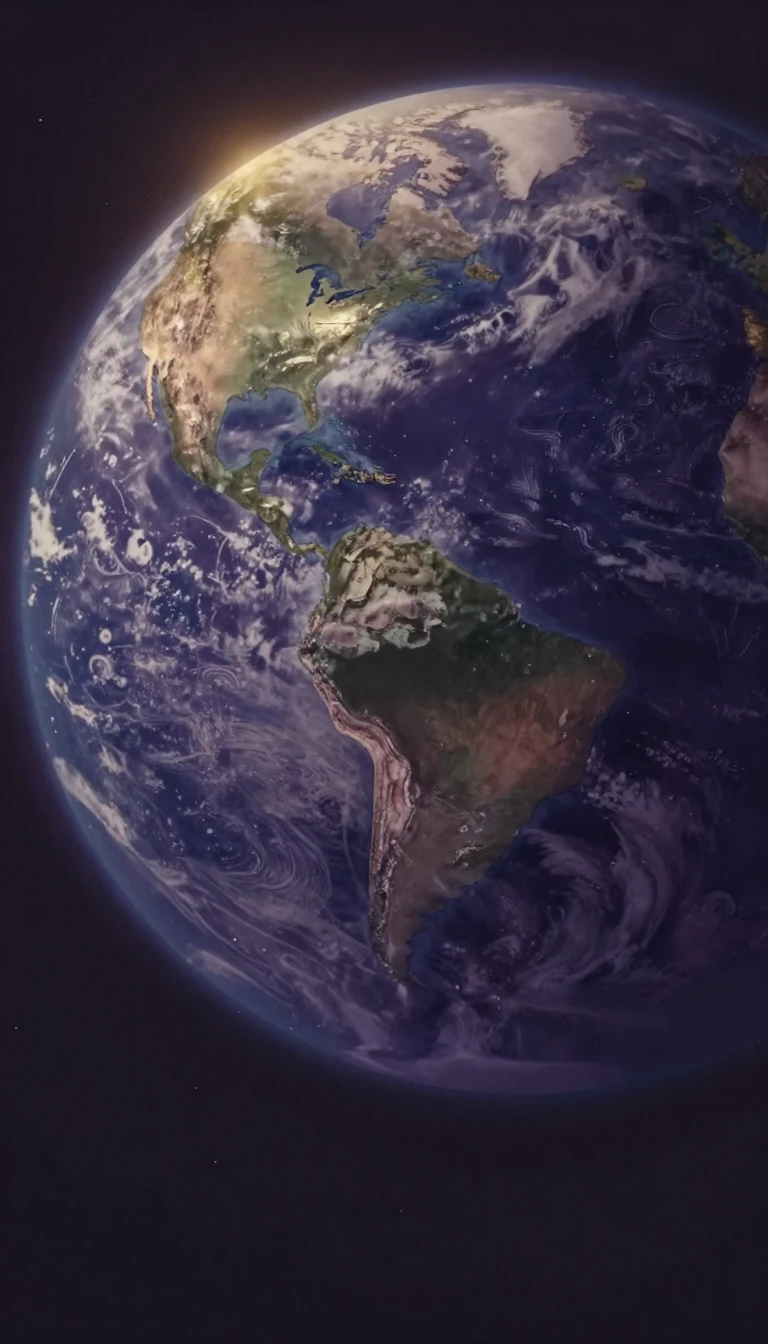 Will cultural identities, rather than nations or ideologies, define the future of global conflict?In 1996, political scientist Samuel P. Huntington proposed that the post-Cold War world would be defined by clashes between civilizations. He argued that as global interactions in…
 Will droids eventually take over our current professions?Economist Andrew McAfee explores the evolving landscape of labor, examining how automation might replace familiar roles and how we can prepare future generations for the workforce…
 Will Durant's history of civilisation began as church lectures paid five dollarsTo support his new wife, a former trainee priest turned radical schoolteacher gave talks in a Presbyterian church for 5 or 10 dollars a night. Those lectures grew into The Story o…
- Will FTX customers actually receive 118% of their lost funds?A bankruptcy court has approved a plan to repay FTX creditors 118% of their account values. This video examines the mechanics of the repayment, the source of the recovery funds, a…
 Will high bidders save the Savos from their mounting debts?In this National Geographic feature, witness the high-stakes tension of an auction night where the Savos face a critical financial turning point.
- Will human consciousness survive the transition to a digital existence?Futurist Ray Kurzweil predicts that by 2045, we will reach a 'Singularity' where machine intelligence becomes infinitely more powerful than all human intelligence combined. This i…
 Will inflation make you a winner or a loser?Navigate the shifting tides of currency value by stepping into the shoes of historical figures. This video examines how inflation and deflation impact loans, income, and savings a…
 Will London's river remain an industrial hub or a playground?As container ships grow larger and London expands as Europe's primary consumer market, Dr. Katherine Riggs explores the shifting identity of the River Thames.
 Will machine learning revolutionize economics or simply mislead researchers?In this spirited debate, Nobel laureates Guido Imbens and Josh Angrist clash over the future of econometrics. Explore whether machine learning offers a breakthrough for personaliz…
 Will machines eventually possess spiritual experiences and free will?Futurist Ray Kurzweil argues that as computers achieve human-level intelligence, they won't just mimic our logic—they may develop their own spiritual lives. According to his visio…
 Will mass surveillance turn privacy into a relic of the 20th century?This video examines the shifting landscape of the digital age, where data-driven surveillance and state-funded disinformation campaigns threaten the very platforms designed to con…
 Will microbes be our greatest tool or our final undoing?Microbes have dominated Earth for nearly 4 billion years, outlasting multicellular life by a factor of three. As genetic engineering advances, we face a radical future: could thes…