The high plateau that was once too steep for a city to climb
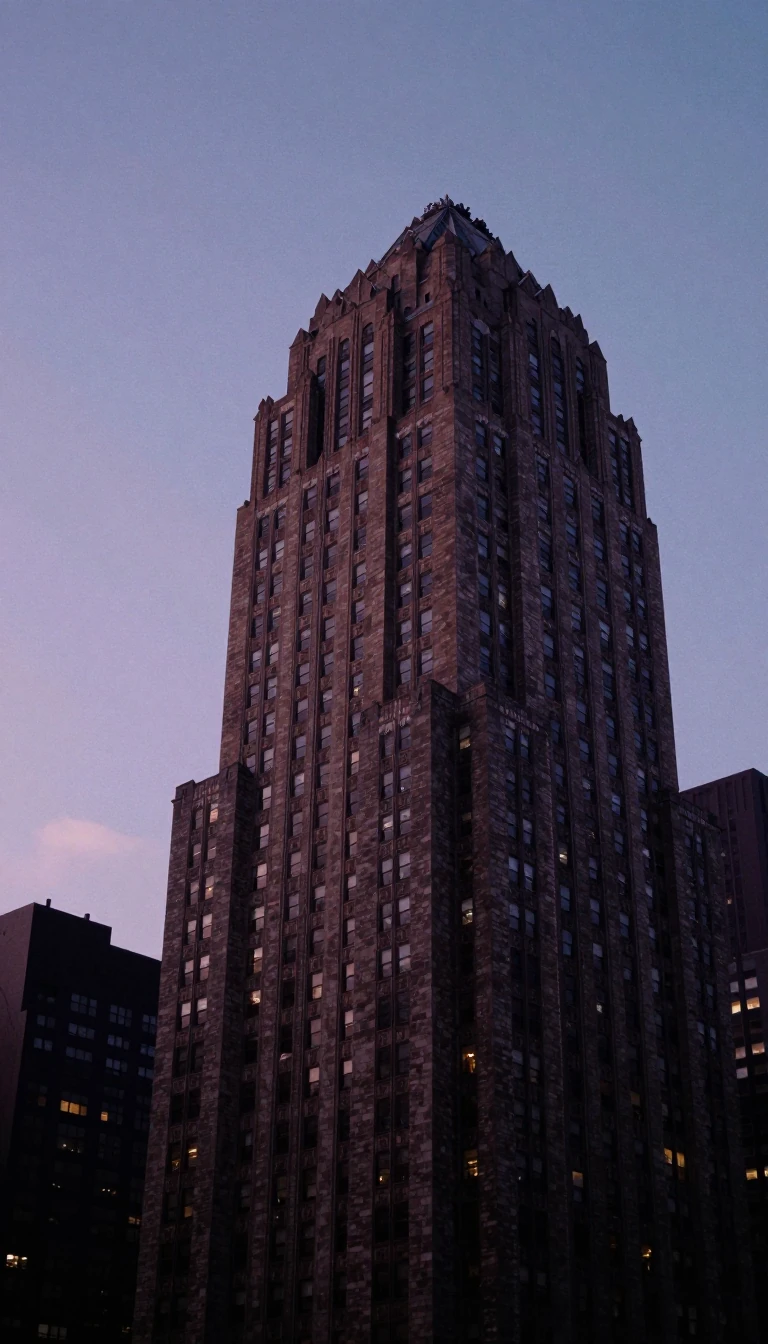
In short: For nearly a century, Morningside Heights remained a geographical loophole—a rugged highland that the Manhattan grid simply couldn't conquer. While neighboring districts flourished with row houses, this area stayed sparsely developed, home only to asylums and orphans, until a late-19th-century pivot transformed it into an academic and cultural fortress.
The geography of Morningside Heights dictated its destiny for decades. Situated on a high plateau between Morningside Park and Riverside Park, the area's steep topography made it notoriously difficult to access. While the Commissioners' Plan of 1811 laid out a grid for Manhattan, this specific region remained largely untouched by residential development for fifty years. In fact, during the mid-19th century, travel within modern New York City was primarily water-based because few roads existed to traverse such terrain. Development only gained momentum in the late 1800s as infrastructure caught up with ambition. The completion of Morningside Park in 1895 and the expansion of Broadway (formerly Bloomingdale Road) provided the necessary framework for growth. However, even then, progress was stalled by financial crises like the Panic of 1873.
Major building projects became possible during the late 1890s once both the Leake and Watts Orphan Asylum plus the Bloomingdale Insane Asylum were moved away. This transition turned the neighborhood into a hub for elite institutions. Columbia University, Barnard College, and the Cathedral of St. John the Divine began constructing their landmarks in the mid-1890s. This created a unique cultural landscape where residents often felt tension with the expanding academic and religious presence. Today, it stands as a dense tapestry of Ivy League education and architectural history, from the 1776 Battle of Harlem Heights (fought on what is now Barnard's campus) to its origins as the common lands of British-occupied New York.
The neighborhood also reflects a complex naming history. In the late 1890s, it lacked a unified identity; while many called it 'Morningside Heights,' others preferred 'Cathedral Heights.' The name we use today was eventually favored by the colleges over the religious institutions. This duality remains visible in its landmarks, which range from the high-culture atmosphere of the Manhattan School of Music to the historic site of Grant's Tomb.
Opens the Intellect+ feed with this card first. Swipe up for the next one.
Sources
- Summary by Intellect · source: Morningside Heights
To cite this card, link to https://intellectplus.co.uk/app/culture-morningside-heights.
How we source, check and correct cards: Editorial standards.
General information, not professional advice. Spotted an error? Flag the card or see corrections and complaints.
Intellect Plus is a visual educational discovery platform for exploring fascinating facts and ideas. Brain Food, Not Brain Rot. What is Intellect Plus?
Related
More in US culture · More in Cultures · Latest · A–Z · All topics
