How Sarajevo Transformed a Cold War City into a Global Winter Sports Destination
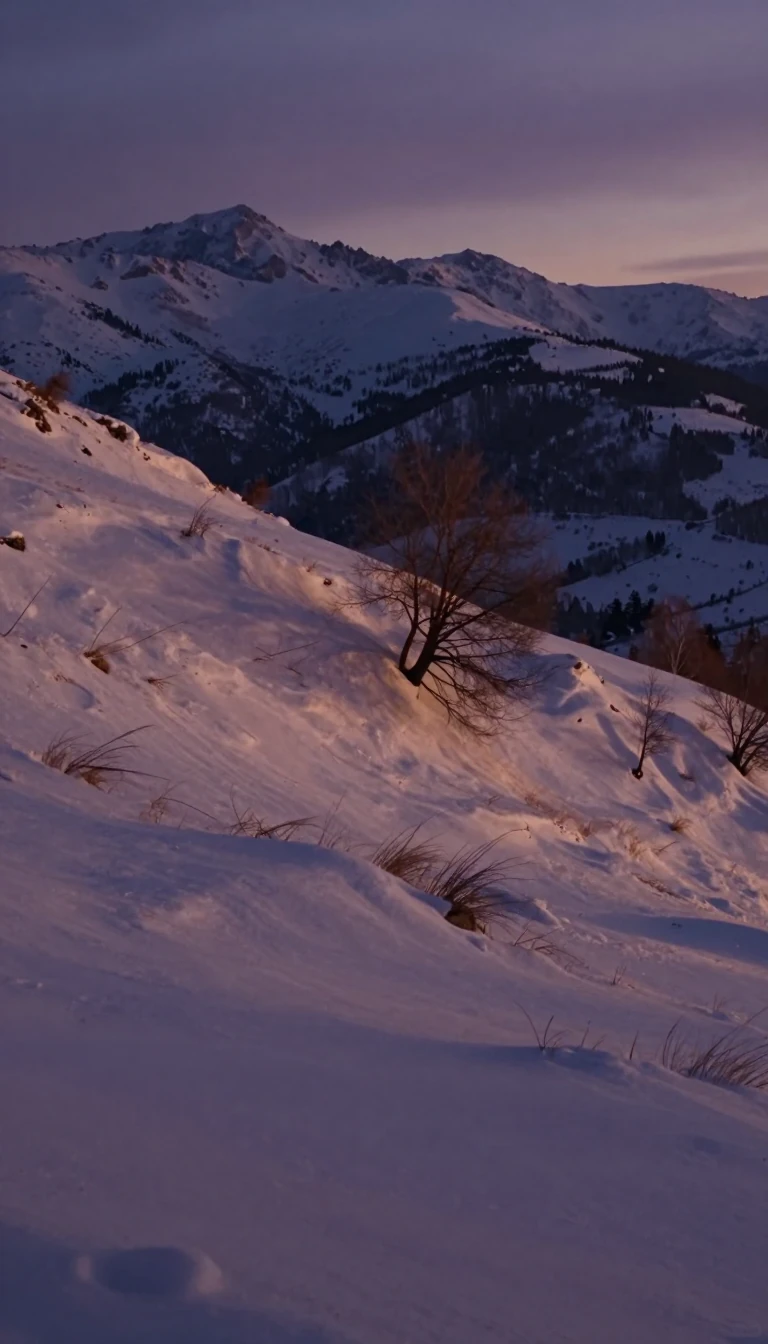
In short: In 1984, Sarajevo became the first socialist city to host the Winter Olympics. Despite the geopolitical tensions of the Cold War, the Games were a commercial and logistical triumph, modernizing the city's infrastructure and introducing the world to Vučko, the iconic wolf mascot chosen by the Yugoslav public.
The 1984 Winter Olympics in Sarajevo, Yugoslavia, represented a landmark moment for the Olympic movement. As the first Winter Games held in a socialist state and a Slavic language-speaking country, the event was a deliberate effort to modernize the region. Planning began as early as 1970, following an OECD report that identified the Dinaric Alps as having ideal conditions for winter sports. The city successfully beat out Gothenburg, Sweden, and Sapporo, Japan, by presenting a compact, efficient project where all venues were located within 25 kilometers of the city center.
Financing the Games required a sophisticated blend of public and private investment. While the government and local citizens contributed through salary deductions and public funds, the organizing committee aggressively pursued commercial revenue. They signed hundreds of contracts for sponsorship, television rights, and licensing, generating over US$141 million in marketing revenue. This commercial success was bolstered by the massive growth in television broadcasting, with the number of countries receiving coverage jumping from 40 in 1980 to 100 in 1984. The Games ultimately reported a net profit of US$26 million.
The sporting legacy was equally significant. Athletes from 49 countries competed, including the first Black African skier to participate in the Winter Games, Lamine Guèye of Senegal. The event saw historic performances, such as Torvill and Dean’s perfect scores in ice dance and Marja-Liisa Hämäläinen’s sweep of the individual cross-country races. However, the legacy was later marred by the 1992 war in Yugoslavia, which caused severe damage to the Olympic facilities. While some sites were renovated, others, such as the bobsleigh track, remain abandoned today, serving as a stark reminder of the city's complex history.
Opens the Intellect+ feed with this card first. Swipe up for the next one.
Sources
- Summary by Intellect · source: 1984 Winter Olympics
To cite this card, link to https://intellectplus.co.uk/app/culture-1984-winter-olympics.
How we source, check and correct cards: Editorial standards.
General information, not professional advice. Spotted an error? Flag the card or see corrections and complaints.
Intellect Plus is a visual educational discovery platform for exploring fascinating facts and ideas. Brain Food, Not Brain Rot. What is Intellect Plus?
Related
More in Languages · More in Cultures · Latest · A–Z · All topics
