The cinematic myth of 300 is built on intentional lies
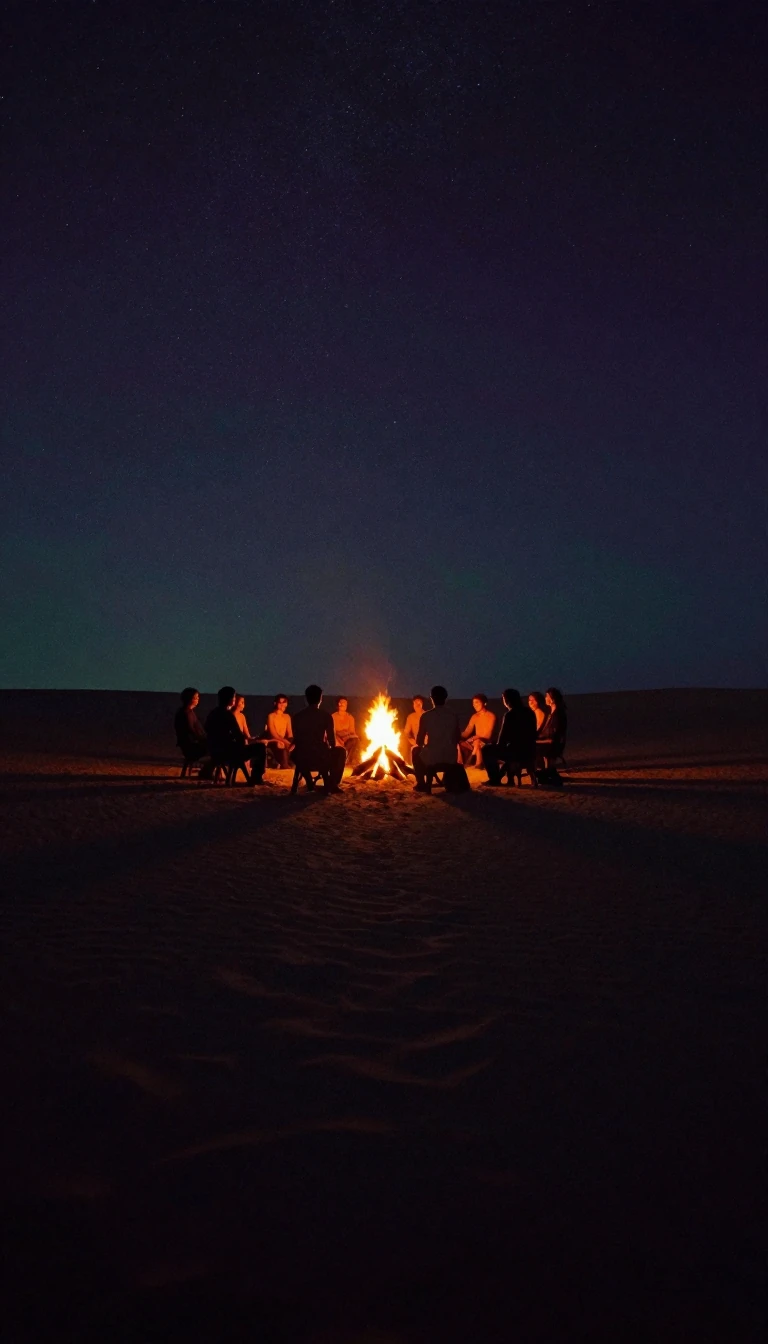
In short: While the Battle of Thermopylae was a real historical event, Zack Snyder’s 2006 epic intentionally prioritizes style over accuracy. By using an unreliable narrator and comic-book aesthetics, the film creates a subjective fantasy where the truth is secondary to the power of the story.
The film functions as a shot-for-shot adaptation of Frank Miller’s 1998 graphic novel rather than a traditional historical biopic. To achieve this, director Zack Snyder utilized the character Dilios as an unreliable narrator. This narrative choice serves a specific purpose: it allows for the inclusion of fantastical elements and historical inaccuracies by framing the story as a subjective retelling. As Snyder noted during production, Dilios is a storyteller who understands that certain truths can sometimes diminish the impact of a compelling myth.
Technically, the movie was a feat of digital artistry rather than location filming. Most of the production took place at Icestorm Studios in Montreal using blue-screen technology and a superimposition chroma key technique to replicate the high-contrast imagery of the comics. Out of the entire production, only one scene involving horses traveling across the countryside was filmed on an actual outdoor set. This isolation meant actors had to perform against empty space, with Lena Headey describing the experience as emotionally disconnected.
Despite its visual success and a grossing of over $468.8 million, the film faced significant backlash from historians. Critics pointed out major inaccuracies, particularly regarding the depiction of the Persians, which some labeled as 'Persophobic.' The production also introduced fictional elements not found in the primary historical record, such as an armored rhinoceros, war elephants, and a monstrous 'Über Immortal,' cementing its status as historical fantasy rather than documentary.
The film's legacy is tied to its intense physical demands. Actors trained alongside stuntmen for months, and lead Gerard Butler suffered a pulled arm tendon during the grueling shoot. This commitment to physicality helped ground the stylized visuals, creating a unique hybrid of comic book art and high-budget action cinema.
Opens the Intellect+ feed with this card first. Swipe up for the next one.
Sources
- Summary by Intellect · source: 300 (film)
To cite this card, link to https://intellectplus.co.uk/app/culture-300-film.
How we source, check and correct cards: Editorial standards.
General information, not professional advice. Spotted an error? Flag the card or see corrections and complaints.
Intellect Plus is a visual educational discovery platform for exploring fascinating facts and ideas. Brain Food, Not Brain Rot. What is Intellect Plus?
Related
More in UK & Irish culture · More in Cultures · Latest · A–Z · All topics
