Why is Louisiana's capital named after a red stick found on a riverbank?
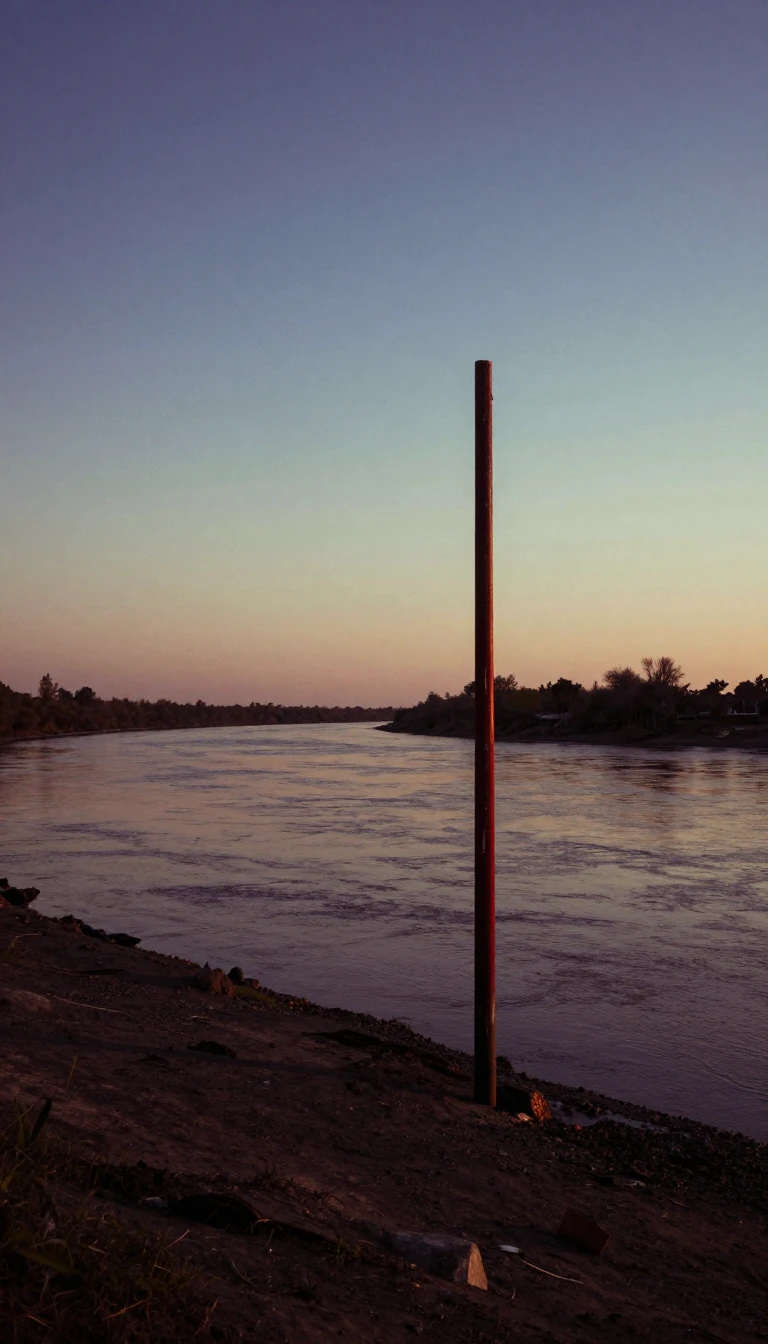
In short: The name Baton Rouge translates to red stick, a moniker born from a 17th-century boundary marker between two native tribes. This riverside city has since been ruled by six different nations, evolving from a colonial military outpost into a major industrial hub and the seat of Louisiana's state government.
The city's identity is rooted in its geography along the Mississippi River. French explorer Pierre Le Moyne d'Iberville arrived in 1698 and documented a 30-foot-high pole painted red, which served as a land line between the Houma and Bayagoula nations. This marker, potentially a corruption of the Choctaw term iti humma, gave the site its enduring name. By 1721, French colonists had established a permanent military and trading presence, setting the stage for centuries of shifting sovereignty under French, British, Spanish, and American rule.
Baton Rouge's architectural and political history is equally layered. In 1846, the state legislature moved the capital here, leading to the construction of the Neo-Gothic Old State Capitol, a structure defined by its turrets and stained glass. The city's status as a capital was briefly interrupted during the American Civil War, when state government functions relocated to Opelousas and Shreveport. It was not until 1882, following the end of Reconstruction, that the government returned to Baton Rouge permanently.
The 20th century transformed the city into an industrial powerhouse. The arrival of a Standard Oil Company refinery in 1909 sparked a boom that accelerated during and after World War II, fueled by the region's natural gas and oil access. Today, the city remains a critical petrochemical and research center, though it grapples with the environmental legacy of the corridor between it and New Orleans, often referred to as Cancer Alley. Despite these challenges, the city continues to grow, reflecting broader demographic shifts and a diversifying religious and cultural landscape.
Opens the Intellect+ feed with this card first. Swipe up for the next one.
Sources
- Summary by Intellect · source: Baton Rouge, Louisiana
- Also: Baton Rouge | Louisiana, Map, Population, & Facts | Britannica
To cite this card, link to https://intellectplus.co.uk/app/culture-baton-rouge-louisiana.
How we source, check and correct cards: Editorial standards.
General information, not professional advice. Spotted an error? Flag the card or see corrections and complaints.
Intellect Plus is a visual educational discovery platform for exploring fascinating facts and ideas. Brain Food, Not Brain Rot. What is Intellect Plus?
Related
More in Festivals & celebrations · More in Cultures · Latest · A–Z · All topics
