Why the man on the Clapham omnibus represents the average person in London
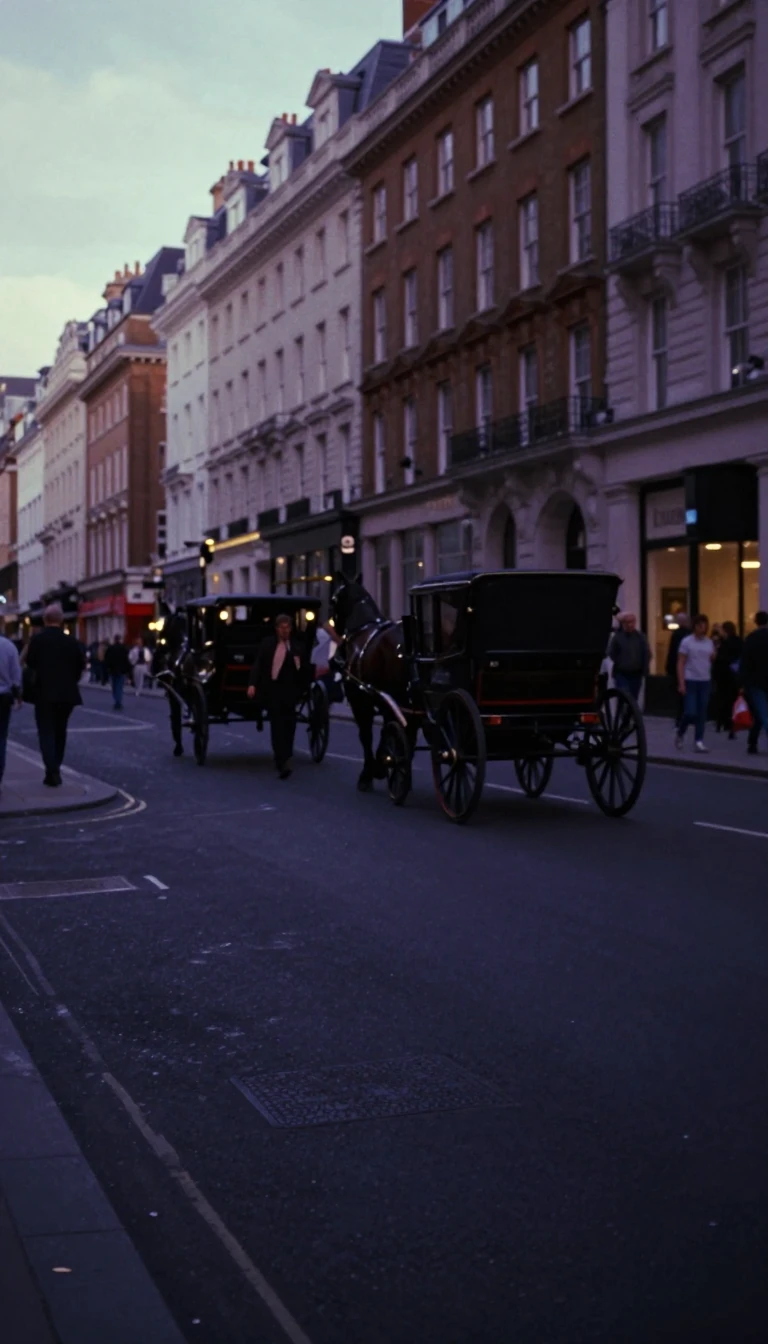
In short: Once a rural retreat for wealthy merchants and social reformers, Clapham evolved into a quintessential commuter suburb. Its name became synonymous with the ordinary citizen, yet the area has shifted from a Victorian sanctuary for the elite to a modern, gentrified hub defined by its diverse, affluent professional population.
The history of Clapham stretches back to the 1st century AD, marked by a Roman road that still dictates the path of the modern High Street. By 965, the land was granted to Jonas, son of the Duke of Lorraine, whose family held it until the Norman Conquest of 1066. The name itself, first recorded as Cloppaham around 880, reflects its Old English origins as a homestead near a hill. By the time of the Domesday Book, the area was a modest settlement rendering £7 10s 0d in assets.
During the 18th and 19th centuries, Clapham became a fashionable enclave for the wealthy merchant classes of the City of London. It was home to the Clapham Sect, a group of influential evangelical reformers including William Wilberforce and Henry Thornton, who campaigned against slavery and child labour. Their legacy remains in the Georgian architecture surrounding Clapham Common, including the Holy Trinity Church, built in 1775 for £11,000. Despite this prestige, the area eventually fell from favour among the upper classes following the arrival of the railways in the late 19th century.
The 20th century saw Clapham transition into a standard commuter suburb, cementing its status in the cultural lexicon as the home of the 'man on the Clapham omnibus'—a phrase representing the average, reasonable person. Following a period of gentrification that began in the 1980s, the area is now a mix of historic mansions and Victorian housing grids, alongside 20th-century social housing. Today, it serves as a bustling residential district with a population of 48,478, as recorded in the 2021 census, maintaining its identity as a central, yet distinct, part of London.
Administrative boundaries have shifted significantly over the centuries. Once an ancient parish in Surrey, Clapham was absorbed into the County of London in 1889 and later became part of the London Borough of Lambeth in 1965. While often confused with Battersea due to the misnamed Clapham Junction station, Clapham retains its unique character, anchored by its 220-acre Common and a vibrant mix of modern transport links and historic conservation areas.
Opens the Intellect+ feed with this card first. Swipe up for the next one.
Sources
- Summary by Intellect · source: Clapham
To cite this card, link to https://intellectplus.co.uk/app/culture-clapham.
How we source, check and correct cards: Editorial standards.
General information, not professional advice. Spotted an error? Flag the card or see corrections and complaints.
Intellect Plus is a visual educational discovery platform for exploring fascinating facts and ideas. Brain Food, Not Brain Rot. What is Intellect Plus?
Related
More in UK & Irish culture · More in Cultures · Latest · A–Z · All topics
